
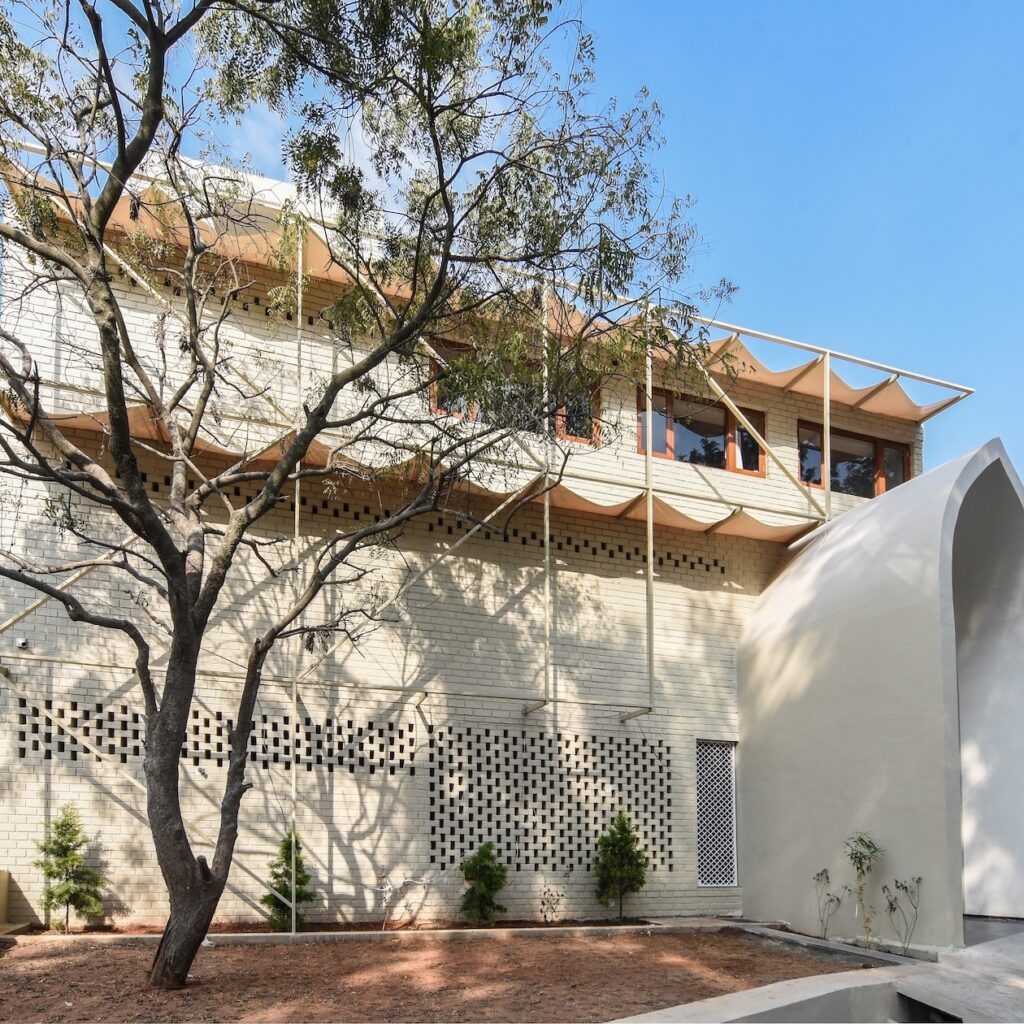
DS2 Design Studio explores a new architectural programme with the Jamia Zeenathul Islam Madrassa & Masjid. The result is a tranquil, light-filled and no-frills space which embraces the new and the old, both form and thought-process.
Curated by: Deepa Nair
Photographs: Courtesy DS2 Design Studio
 The project
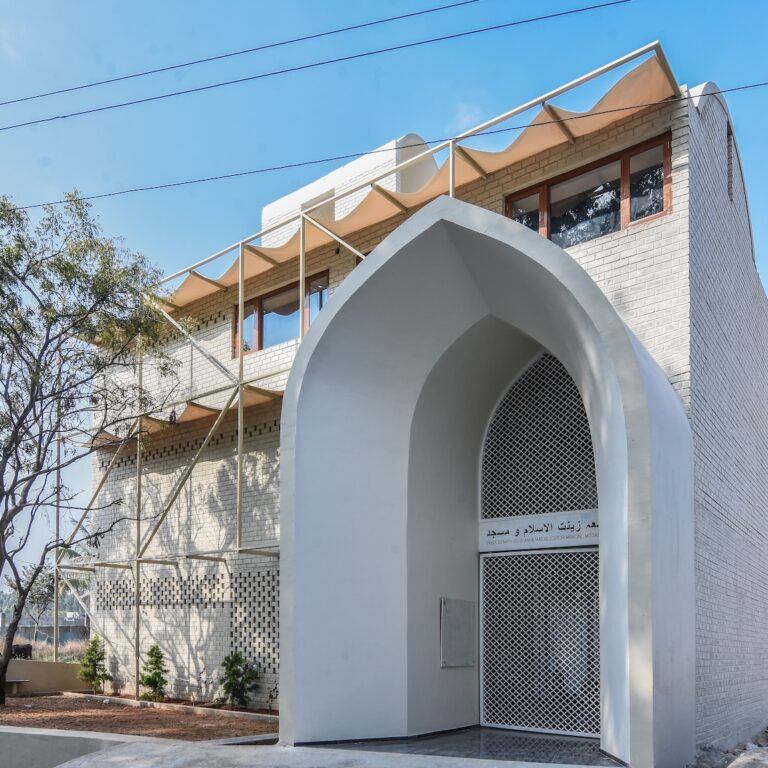
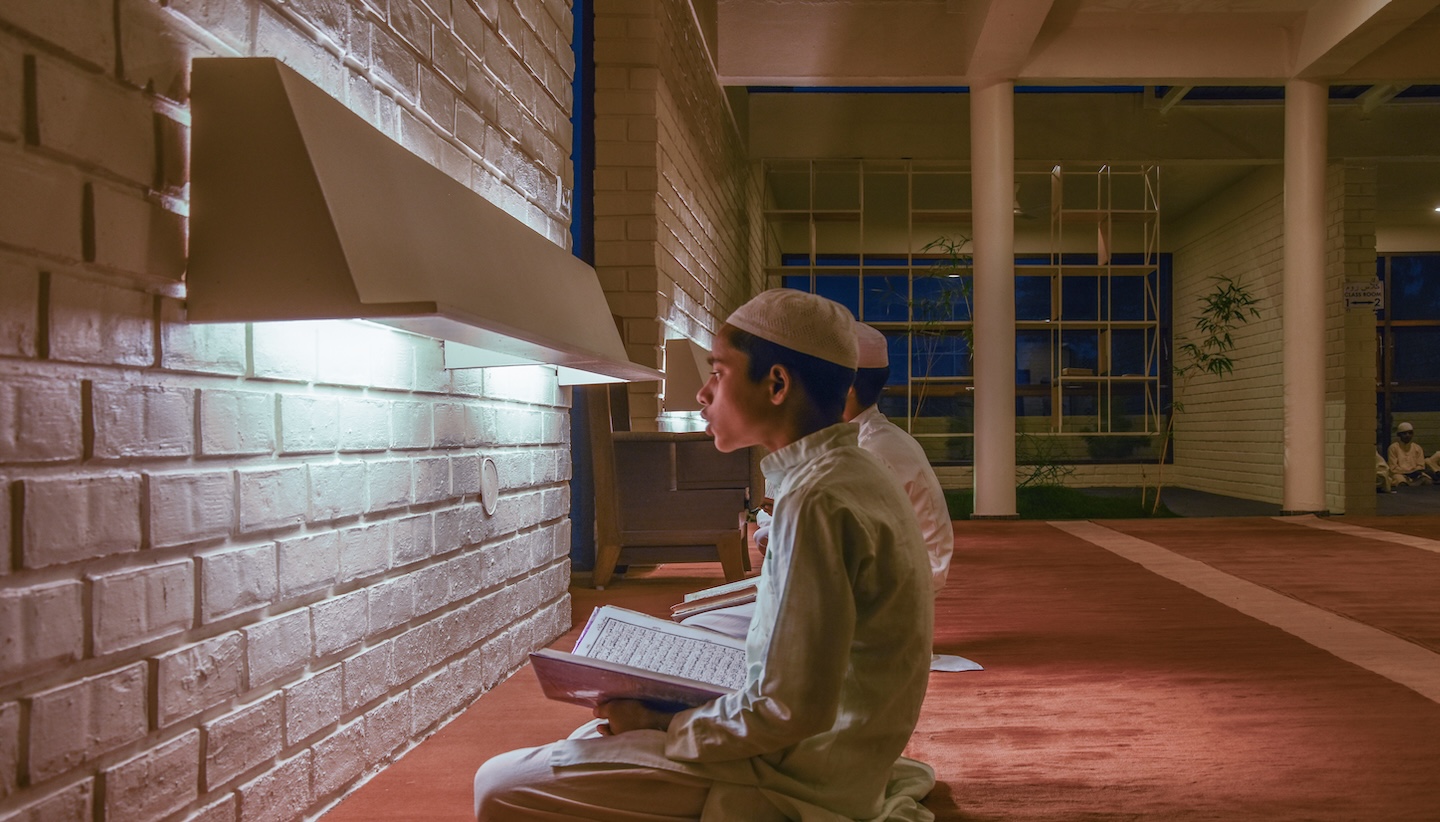
Jamia Zeenathul Islam Madrassa & Masjid designed by Bengaluru-based DS2 Design Studio, is built to provide shelter and education to underprivileged Muslim children from the local community. The project addresses the growing need for non-confirmative education systems that allow children to make their own decisions in the 21st century. “The fulcrum of the studio’s design approach was to provide an opportunity for flexibility, since it is a personal project. New, progressive curricula were conceived combining aspects of traditional gurukuls with Arabic educational systems. For the duration of their course, students live in the madrasa and learn life skills, social studies, as well as Islam and its applications,” explains Mueen Haris, principal architect, DS2 Design Studio.
 The design intent
The architectural form of Jamia Zeenathul Islam Madrassa & Masjid was reinterpreted to suit the new education and lifestyle programme, along with the aspirations of its users. By deviating from the traditional architectural form of a mosque, the project explores how architecture can reimagine established boundaries, while finding a contemporary voice that fulfills the aspirations of the community’s users. This resulted in a modest architectural form — sans heavily decorative embellishments.
 The spatial configurations
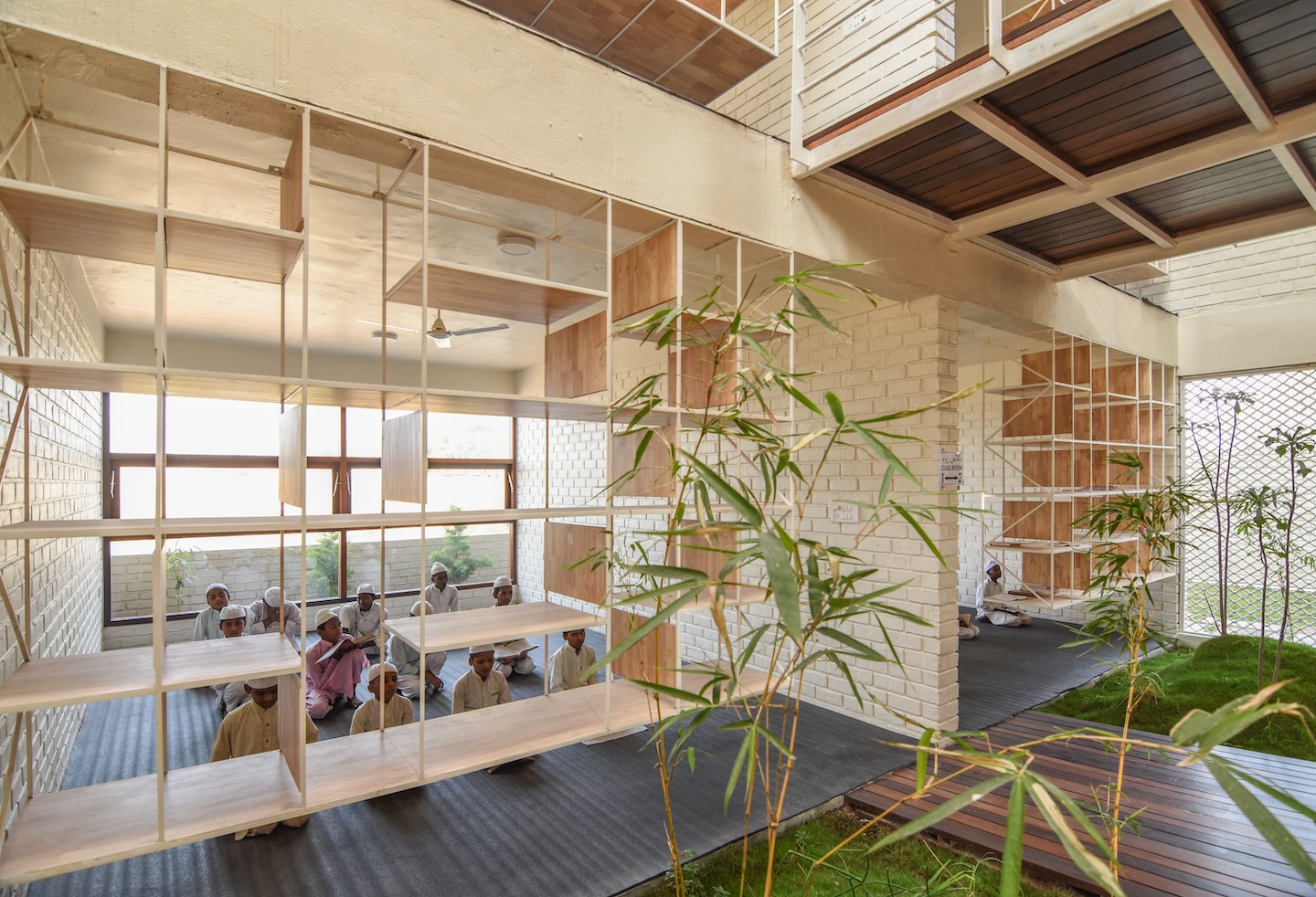
The south of the structure accommodates the residential and administrative areas, while the prayer halls are placed at the centre, with the classrooms at the northern end. The bays (crowned by a semi-circular vault) are devoted to primary functions; each one of them externally dividing the form into three functional sections. On the eastern side of the structure, a large courtyard flanks the bays, providing natural light and ventilation. Every aspect of the design is curated to serve the children that use it. As there are no interior walls that divide the institute’s spaces, there is no hindrance to visual connectivity, as well as free circulation. The rooms offer a warm welcome, with breathable spaces that psychologically enhance the users’ safety and security. Resistance to building internal walls is a metaphor for inclusivity and acceptance, which are fundamental ideals on which the project was based.
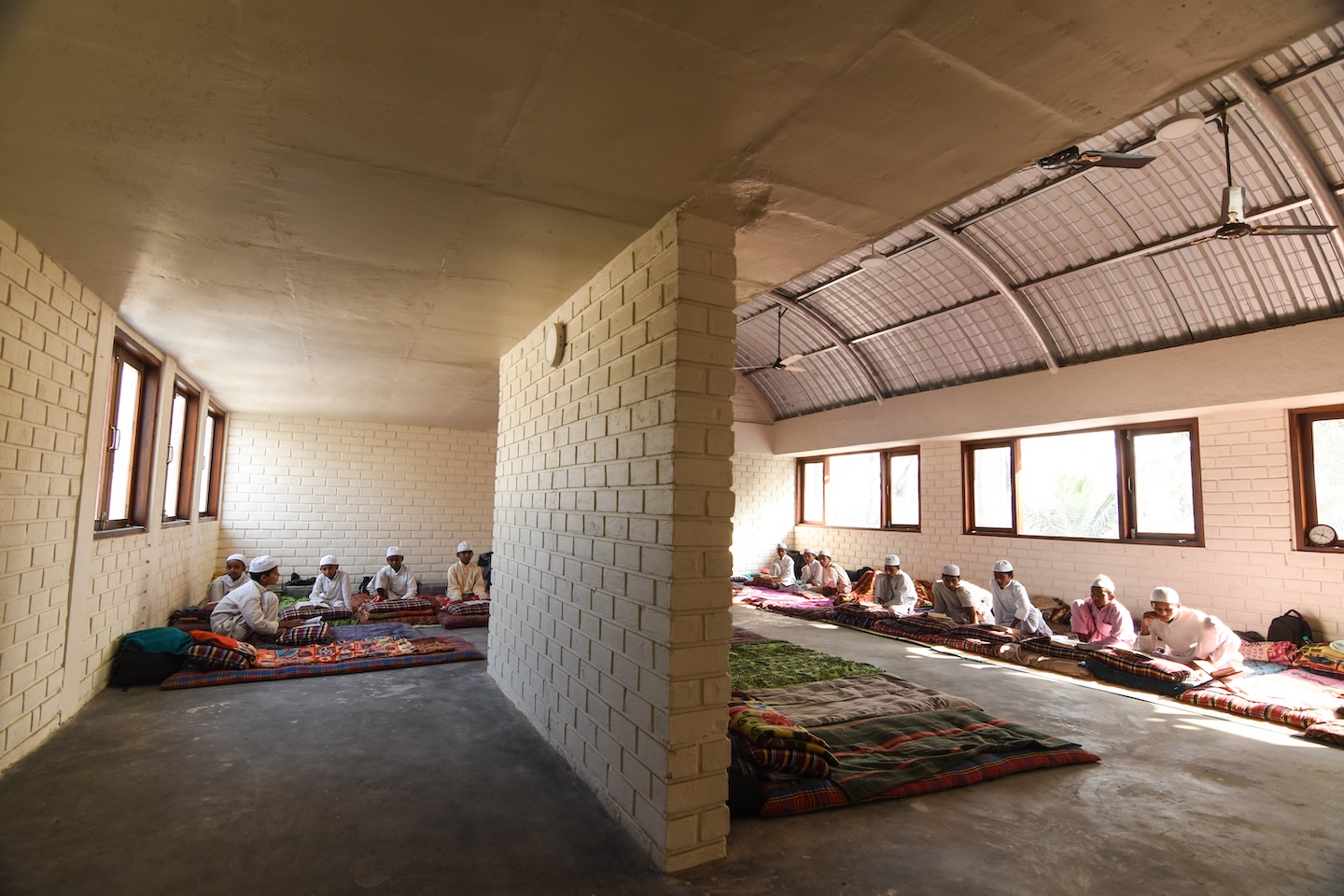 Although the madrasa also accommodates the sanctity of sacred prayer rooms, the remaining spaces are organised thoughtfully around them. These spaces take into consideration the fundamental elements that Islamic spaces of worship should include — the Mihrab, which denotes the Qibla wall, and is oriented towards the direction of Mecca; and a minaret from which sermons can be conducted by the Imam.
Fact file
Project: Jamia Zeenathul Islam Madrassa & Masjid
Location: Forelin Mendez, Bengaluru
Area: 4,200 sq ft
Principal architect: Mueen Haris
Add a Comment