
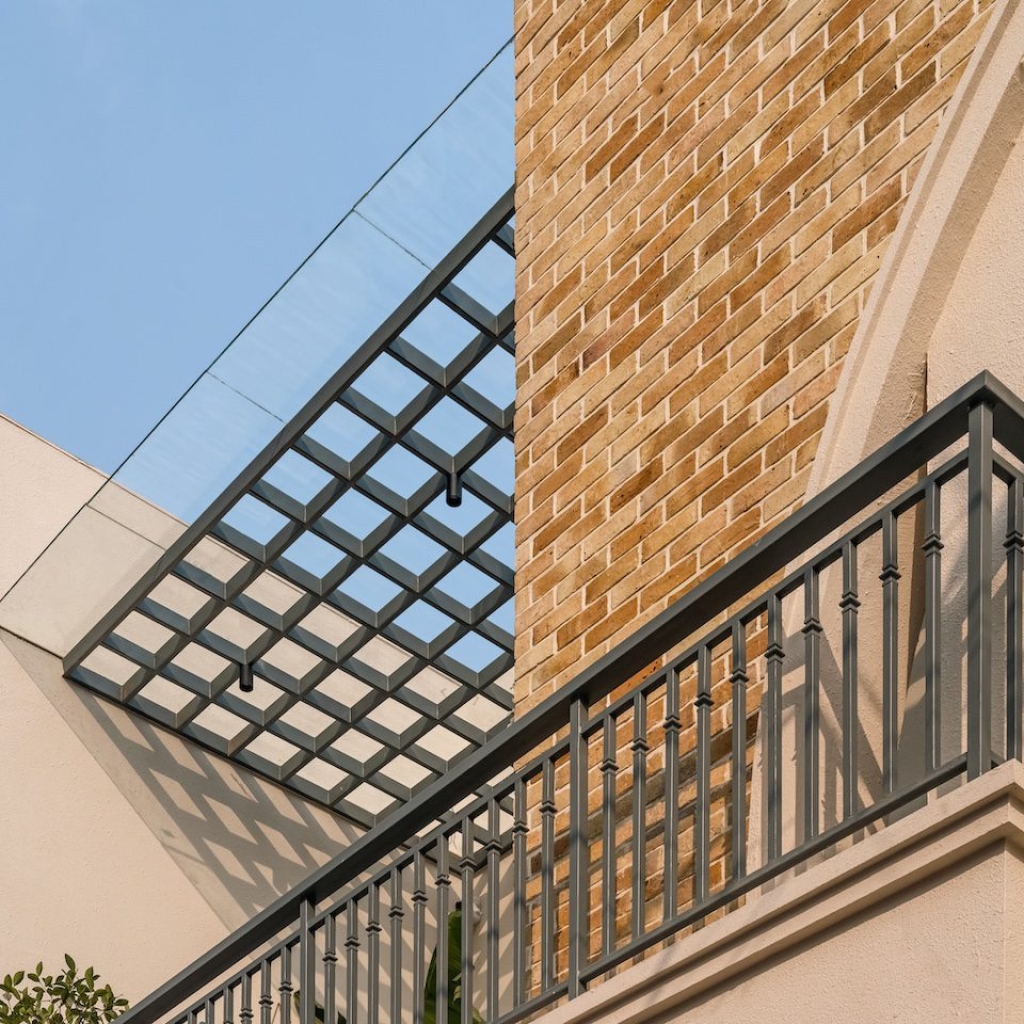
In Dahod, Gujarat, this family residence by SPACESBYFAB responds to a constrained urban plot through internal cut-outs, open terraces and a spatial language that allows light and air to move freely through the home.
Curated by: Rupali Sebastian
Photographs: Murtaza Gandhi; courtesy SPACESBYFAB
The project
Raza House is conceived as a family home that balances everyday functionality with a sense of warmth and permanence. Designed by SPACESBYFAB, the residence moves away from overt expression and instead builds its character through proportion, restraint and continuity between architecture and interiors. The design focuses on creating a calm domestic environment—one that reflects the grounded personalities of its occupants while supporting the rhythms of daily life.
The site
Located in Dahod, Gujarat, the house sits within a dense residential neighbourhood, surrounded by adjoining bungalows on three sides. These neighbouring structures are built with minimal setbacks, significantly restricting natural light and ventilation from the edges of the plot. This constraint became a defining factor in the planning strategy. Rather than relying on external openings, the design introduces internal cut-outs, decks and open-to-sky spaces that allow daylight to reach deeper into the house. These interventions ensure that each room receives light and ventilation despite the tight urban context.
The brief
The brief was straightforward—the clients wanted a functional home with a calm and understated atmosphere. Aesthetically, the focus remained on subtlety. The house needed to feel composed and neutral, reflecting the clients’ preference for spaces that are simple, comfortable and quietly detailed.
The design intent
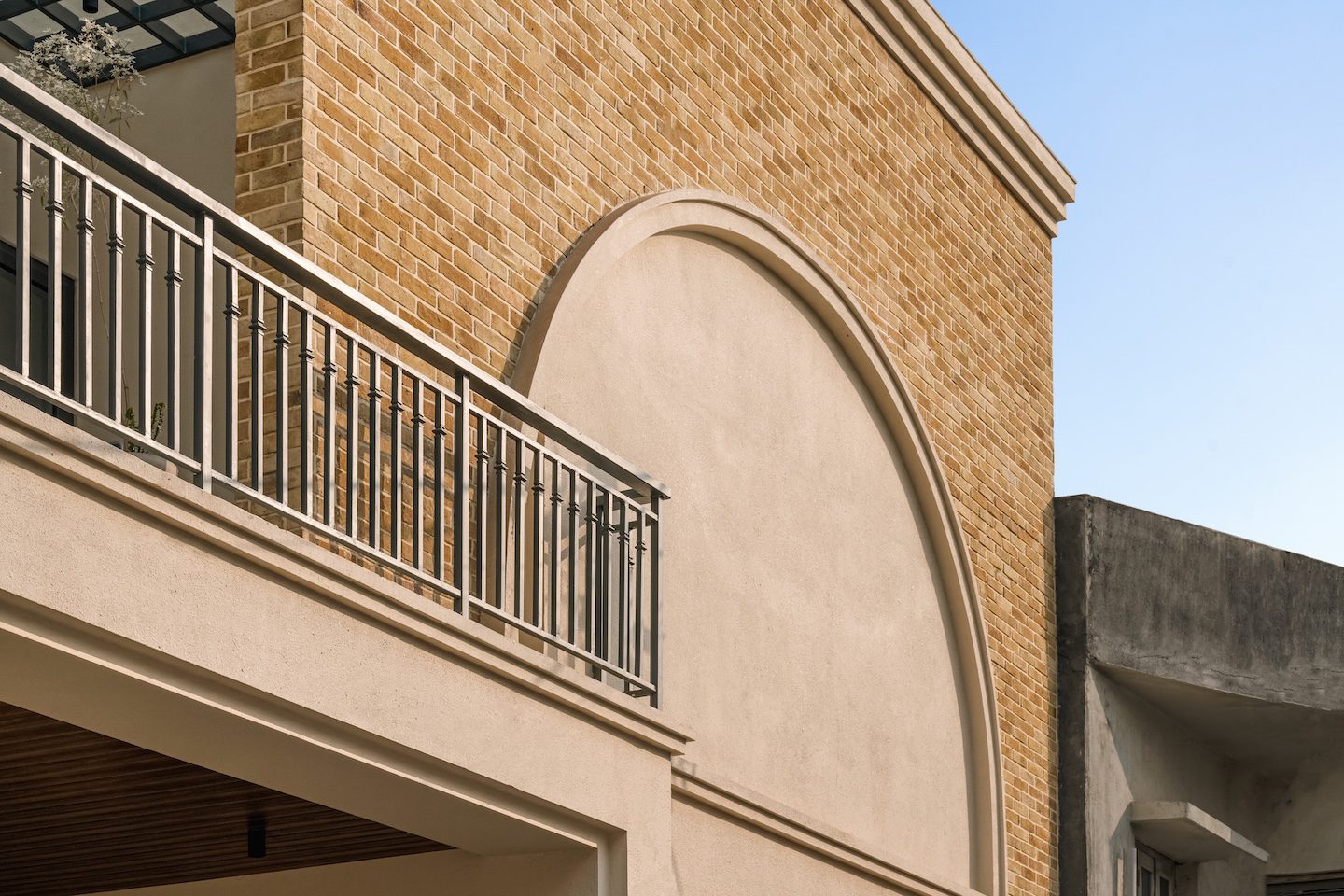
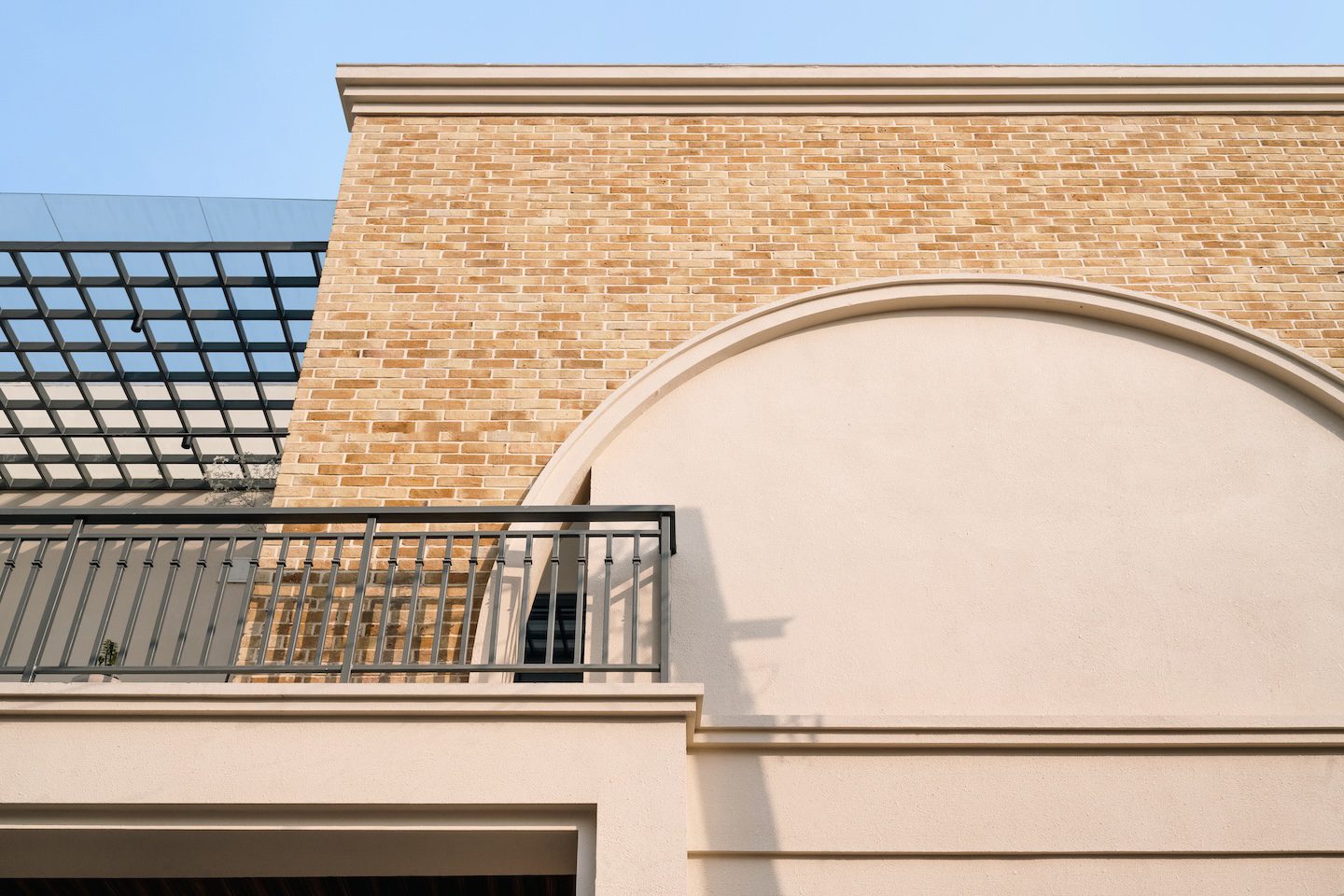
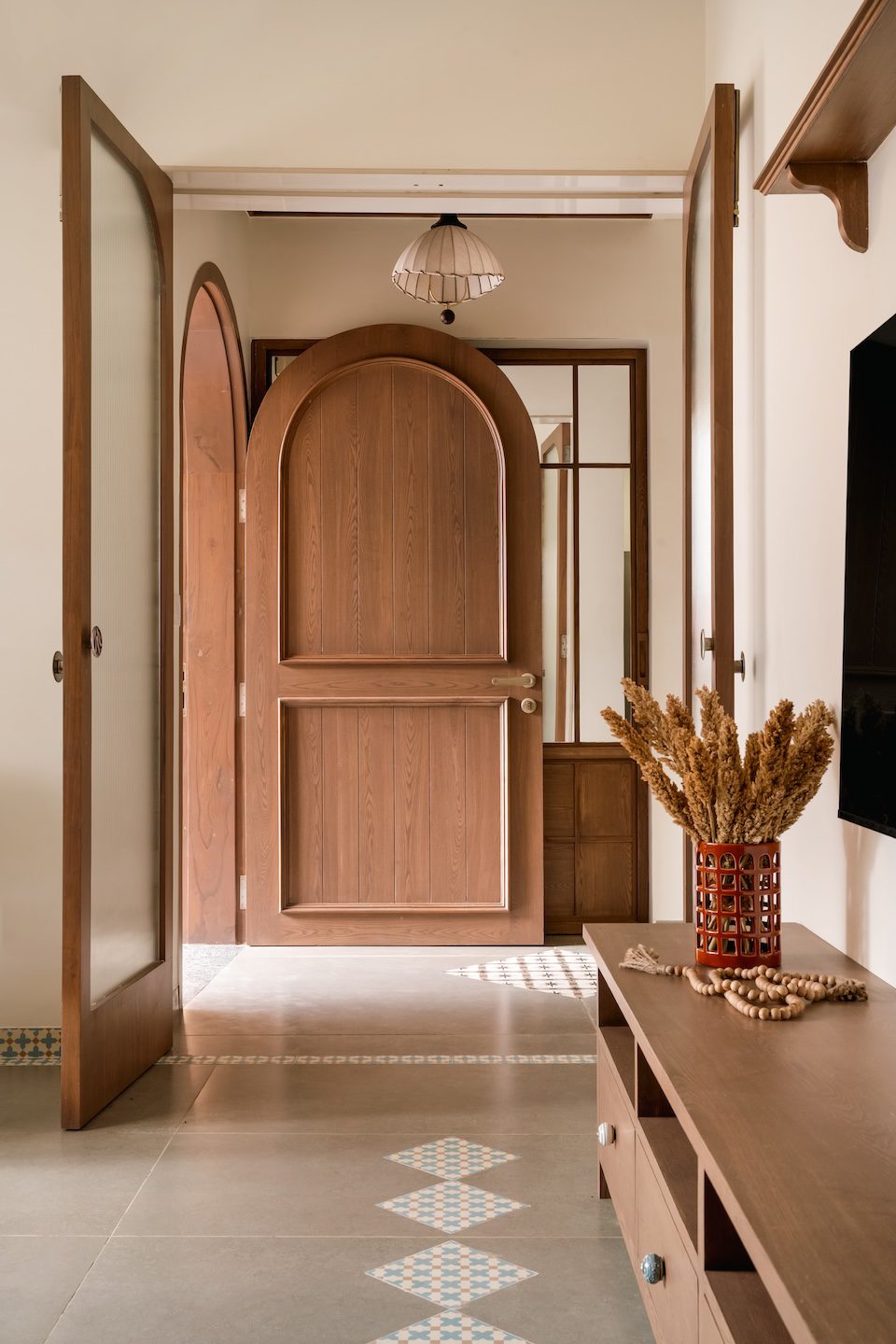
The intent was to create a residence where architecture and interiors work in continuity, resulting in a cohesive and uncluttered spatial experience. A defining feature of the home is the use of arches, particularly on the façade, where they soften the built form and introduce a subtle reference to traditional Indian architectural language. As the designers describe, the goal was to create “a quiet, neutral home where architecture and interiors feel continuous rather than separate.” This approach allows the house to feel calm and balanced, with each element contributing to a unified whole.
The civil intervention
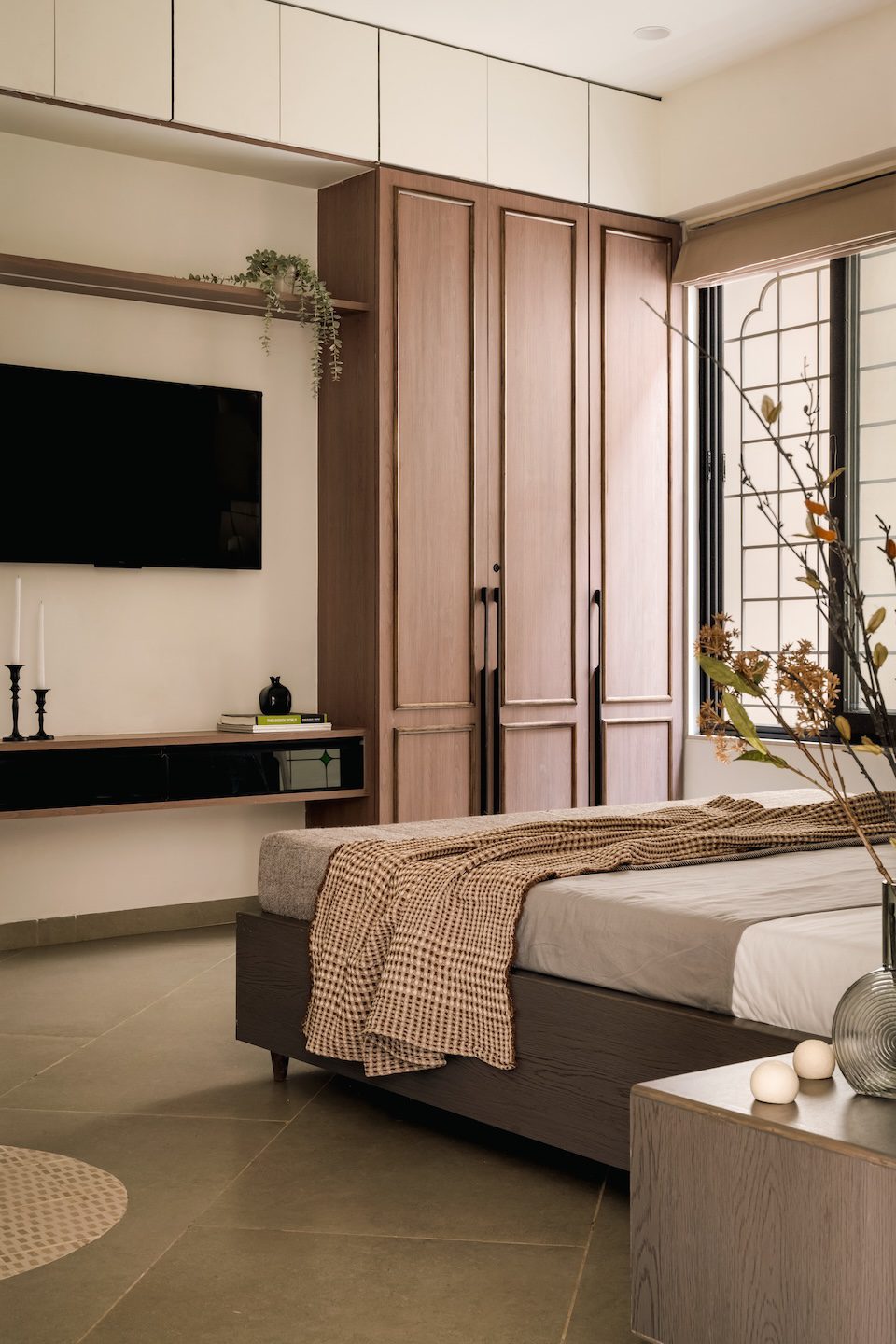
While the overall structure did not require major reconfiguration, the planning process revealed an unexpected challenge—the plot dimensions had slightly extended beyond the boundary limits. This resulted in angled walls across several rooms, creating awkward spatial conditions that needed to be resolved during execution. The response focused on concealing these irregularities through carefully planned furniture layouts. Custom-designed elements were positioned strategically to absorb the angled edges, allowing the spaces to appear clean, balanced and intentional.
The spatial flow
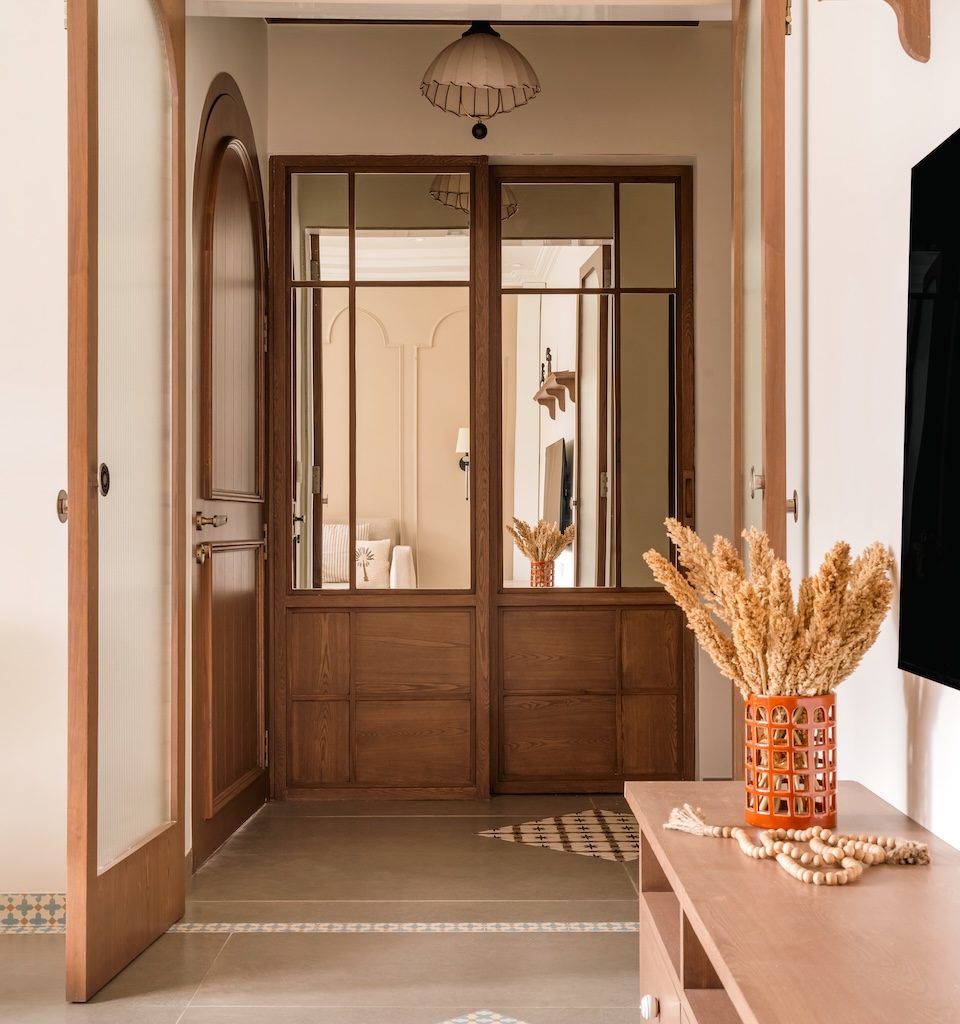
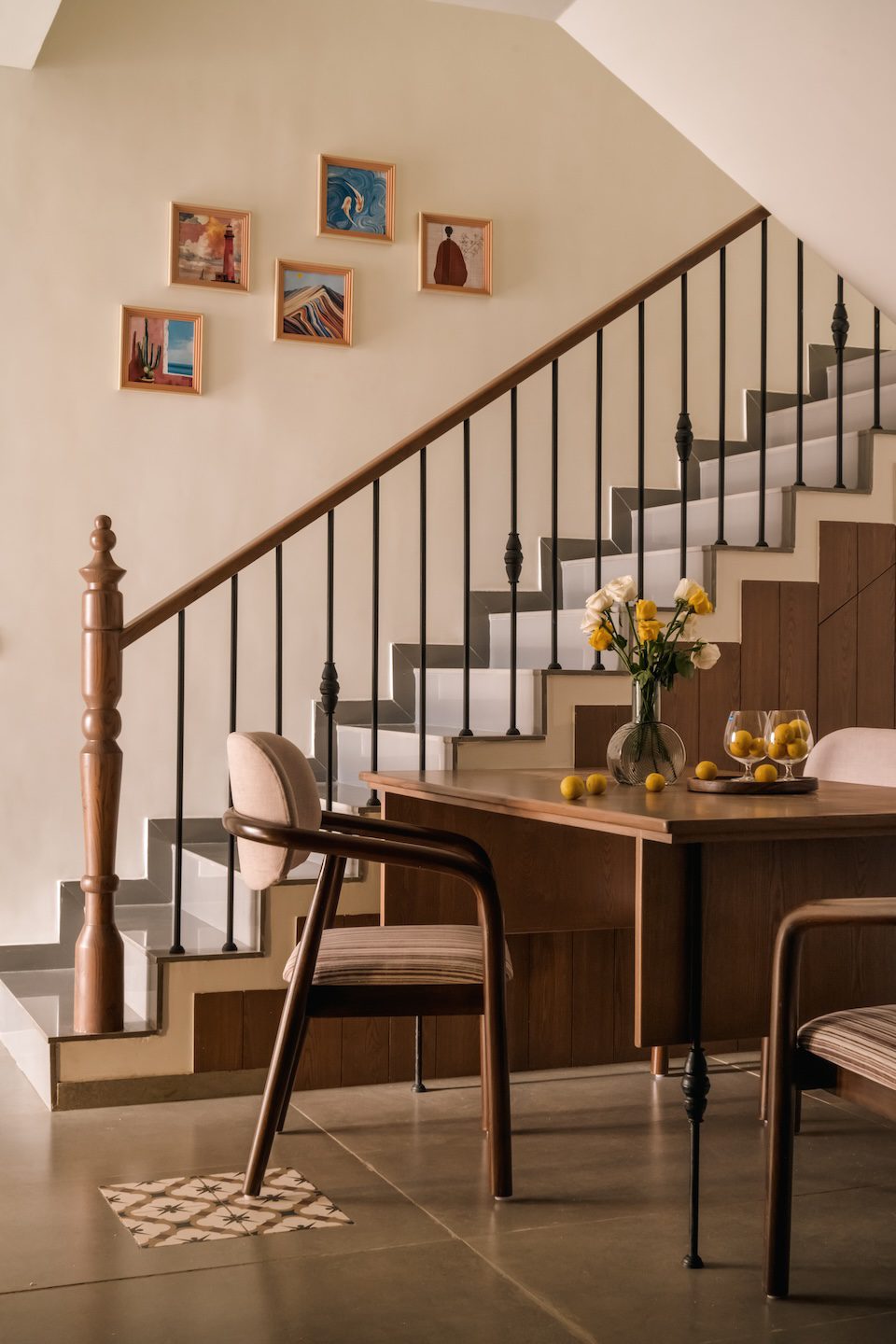
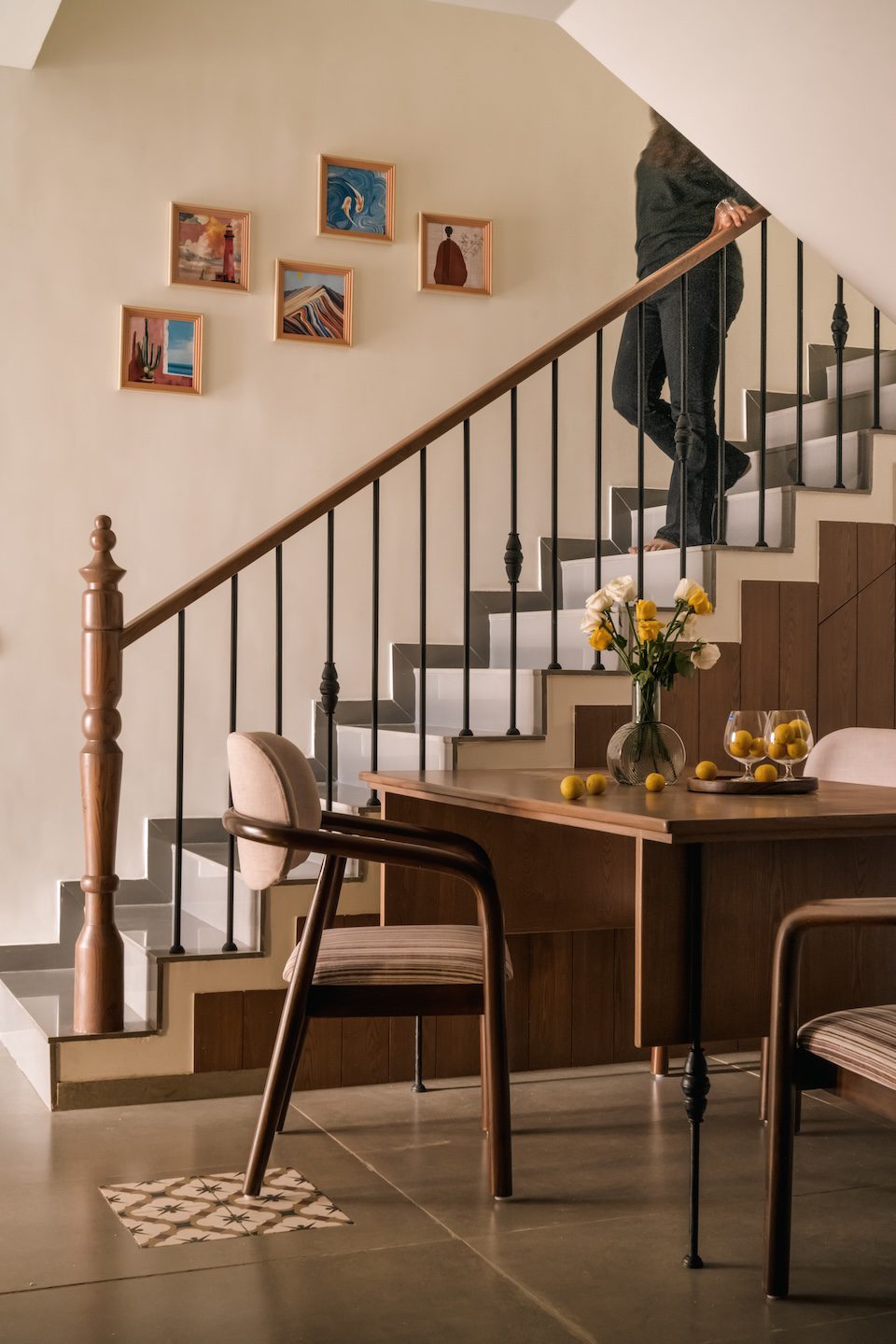
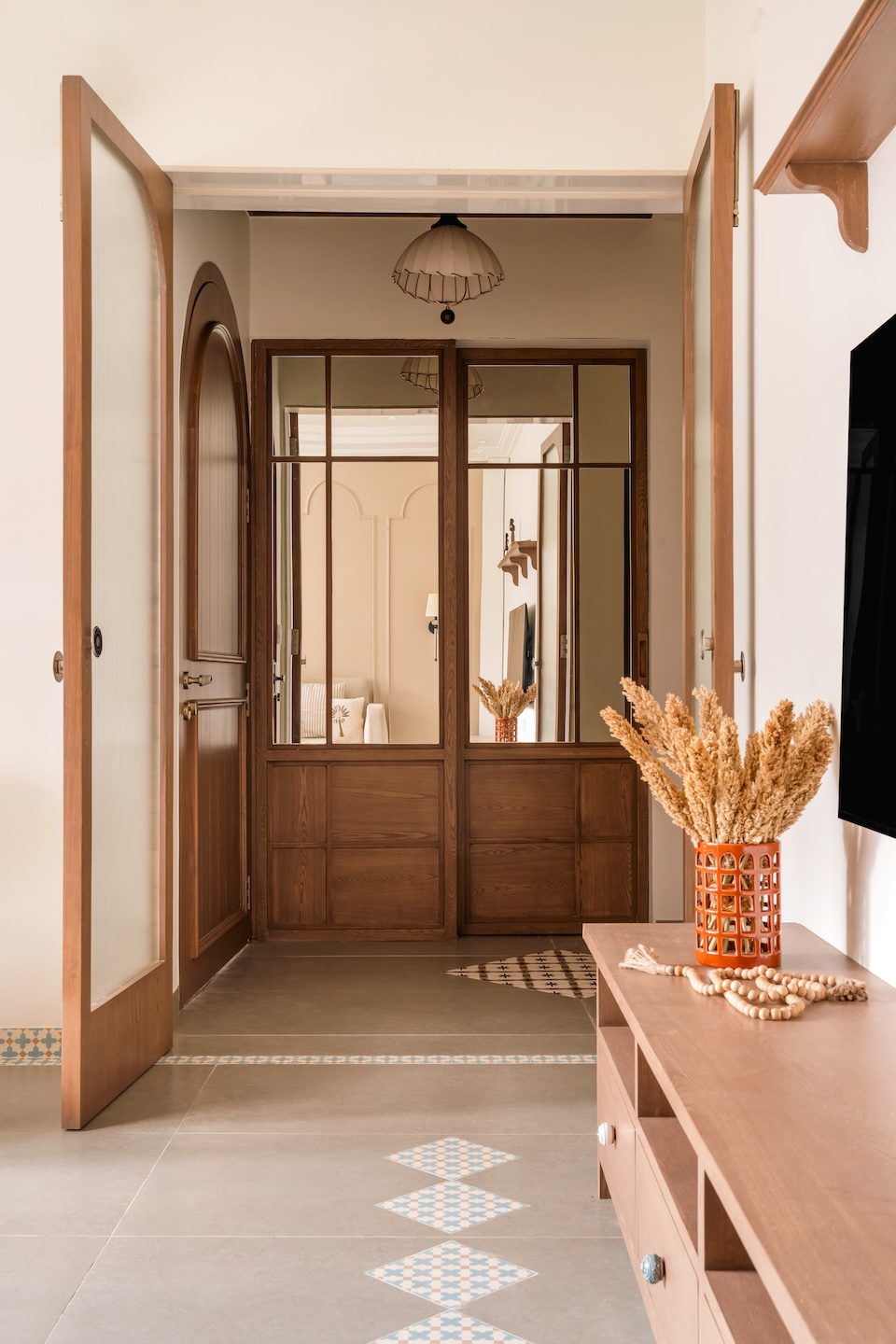
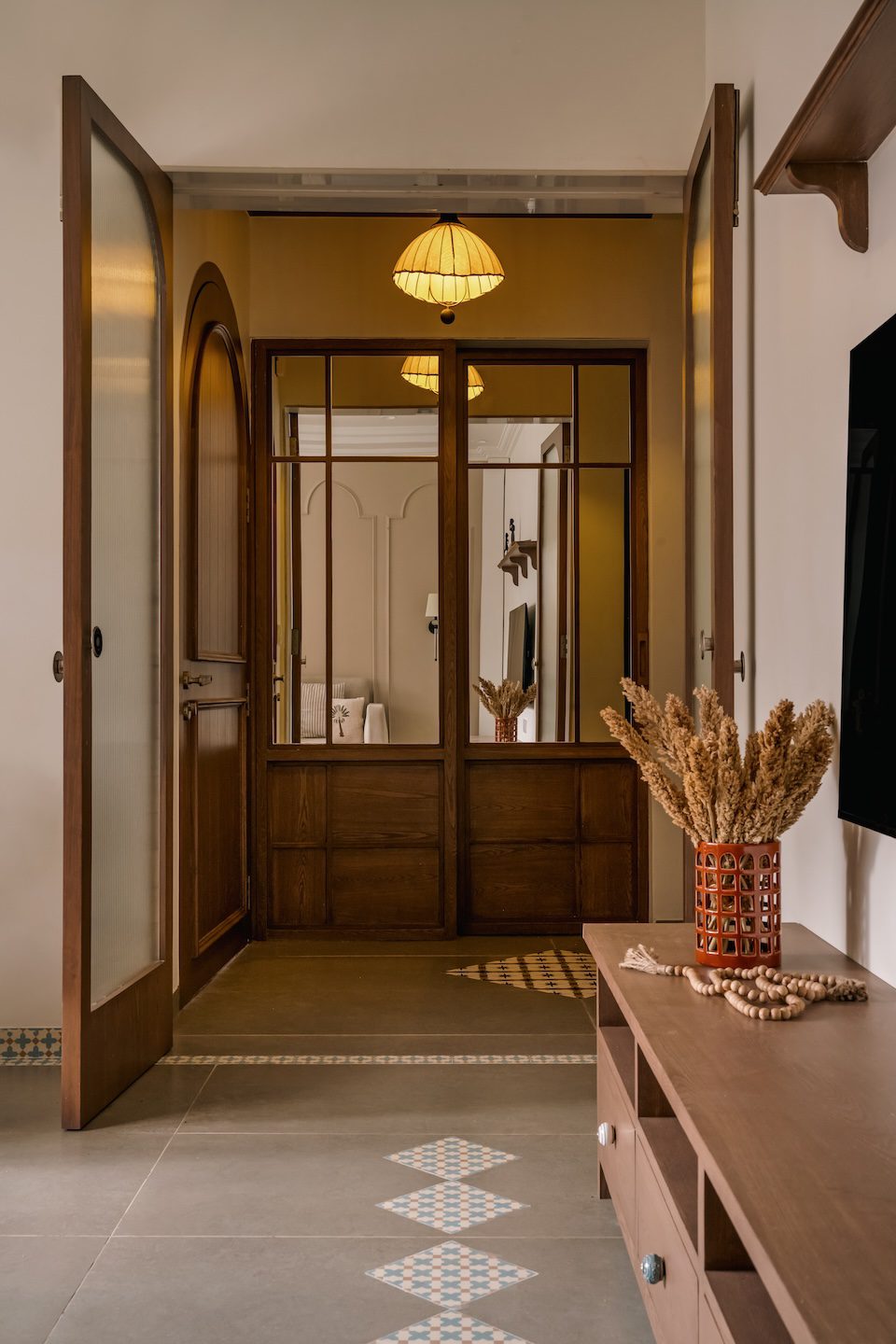
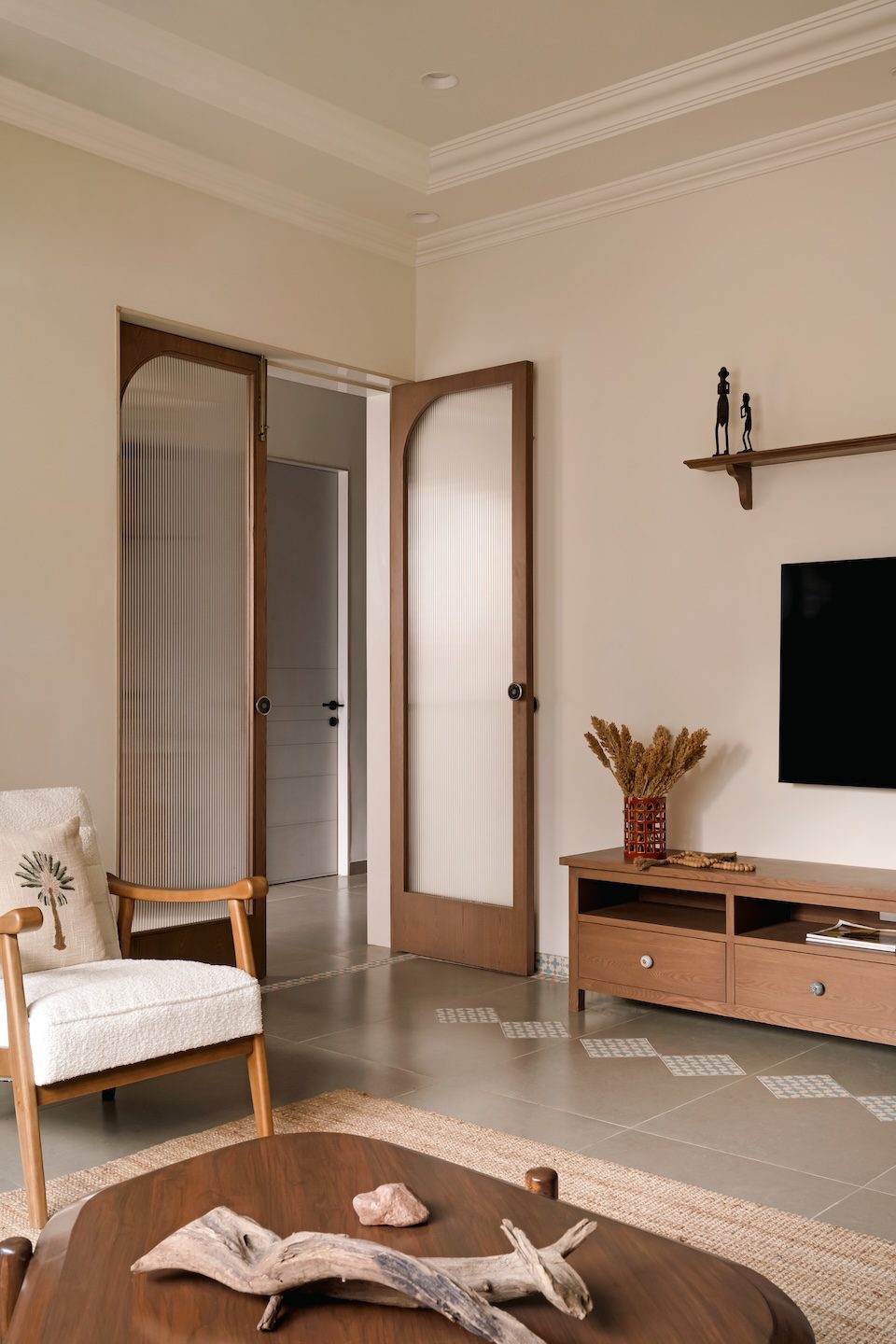
The entry begins with a foyer marked by an arched wooden door, setting the tone for the house. From here, movement flows into the living room, while a compact powder room is discreetly concealed behind a mirrored sliding panel. The kitchen and dining areas are positioned together, with the dining table placed near the staircase to encourage everyday family interaction. The staircase acts as a central architectural element, visually anchoring the home while connecting the two levels.
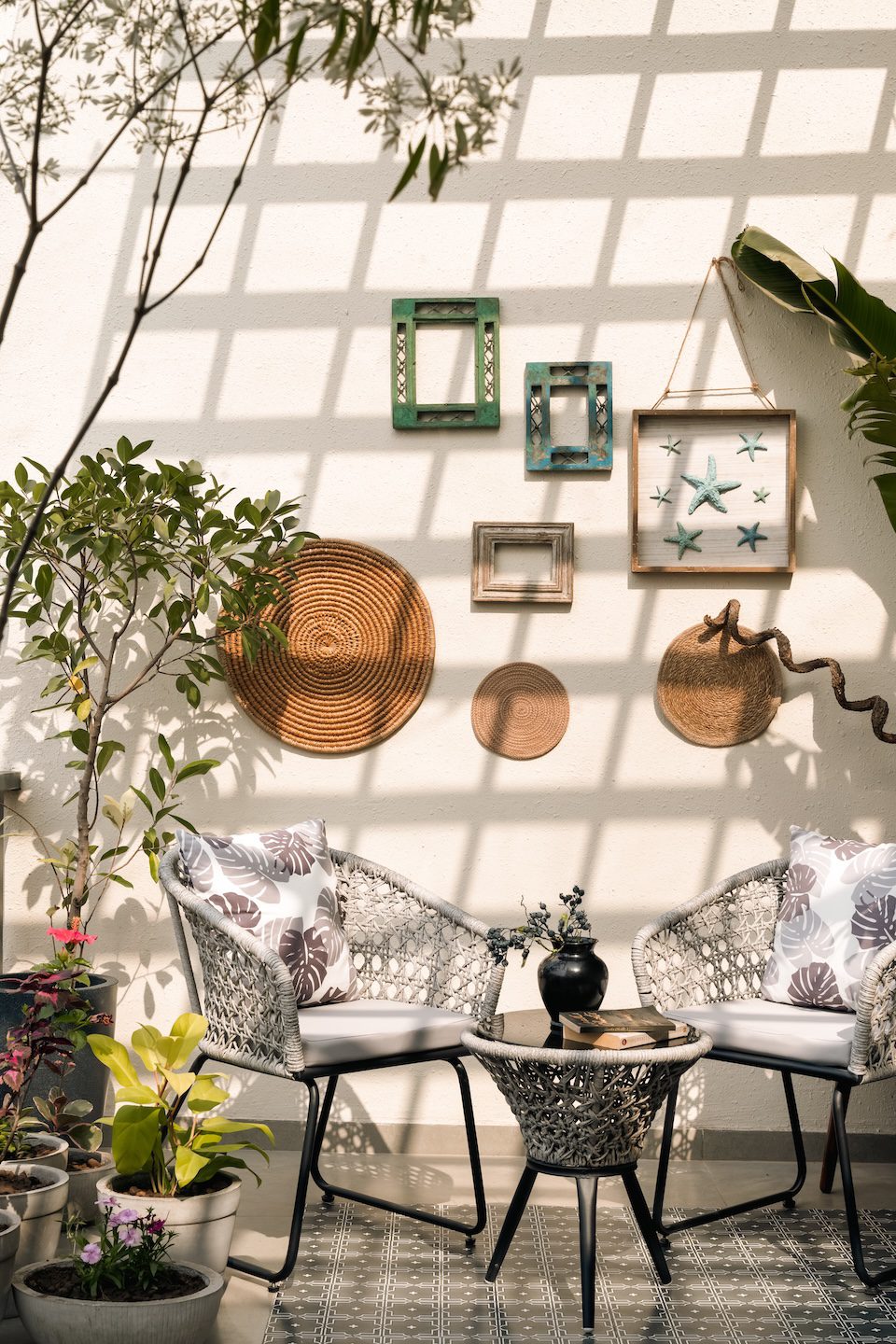
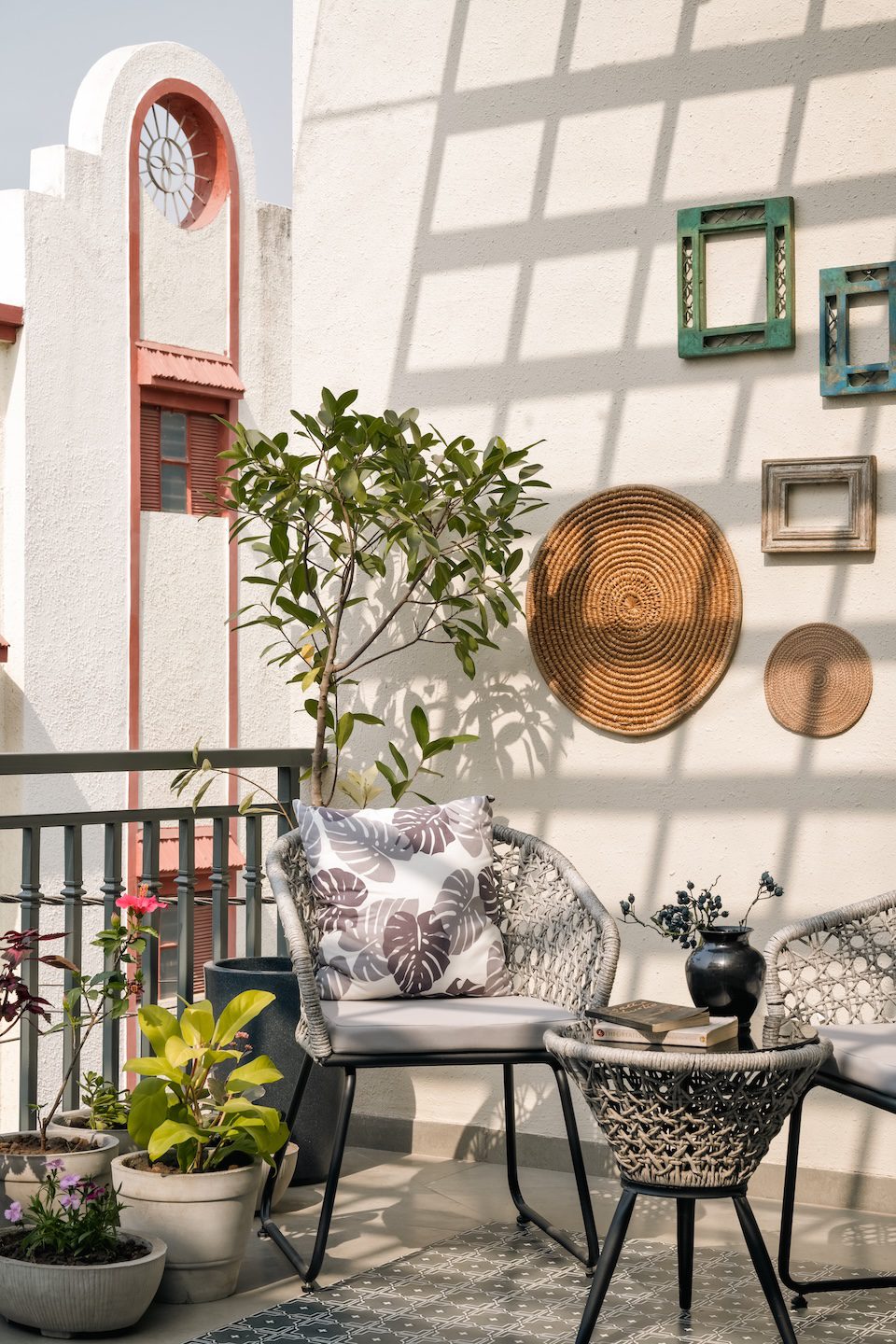
On the first floor, bedrooms are arranged to ensure privacy while maintaining access to natural light. An open garden terrace extends the spatial experience, bringing in light and ventilation while offering a pause within the home.
The design and material details
Material choices across the house are restrained, allowing subtle detailing to define each space. Brick cladding on the façade introduces texture while responding well to the local climate, reducing the need for additional finishes.
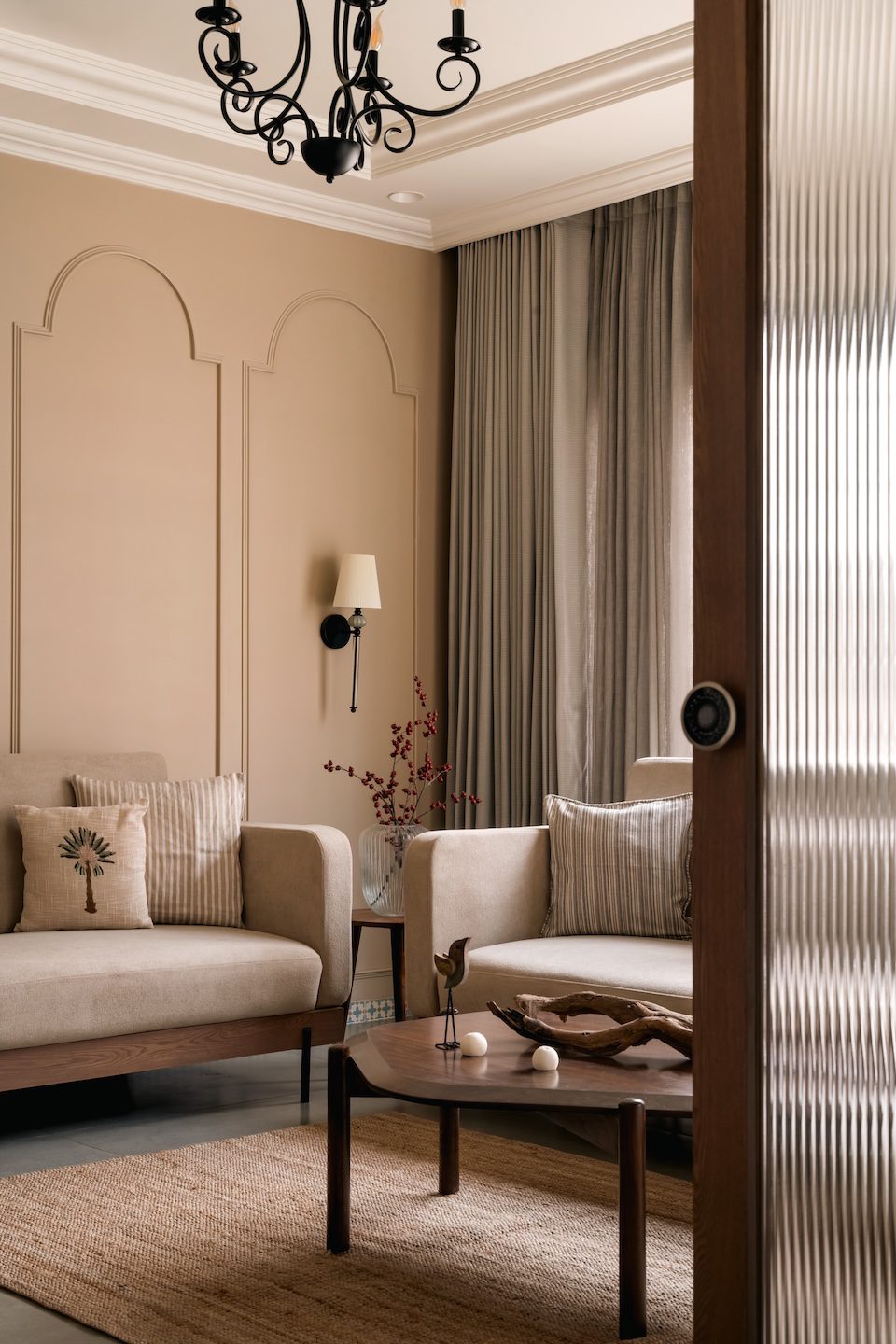
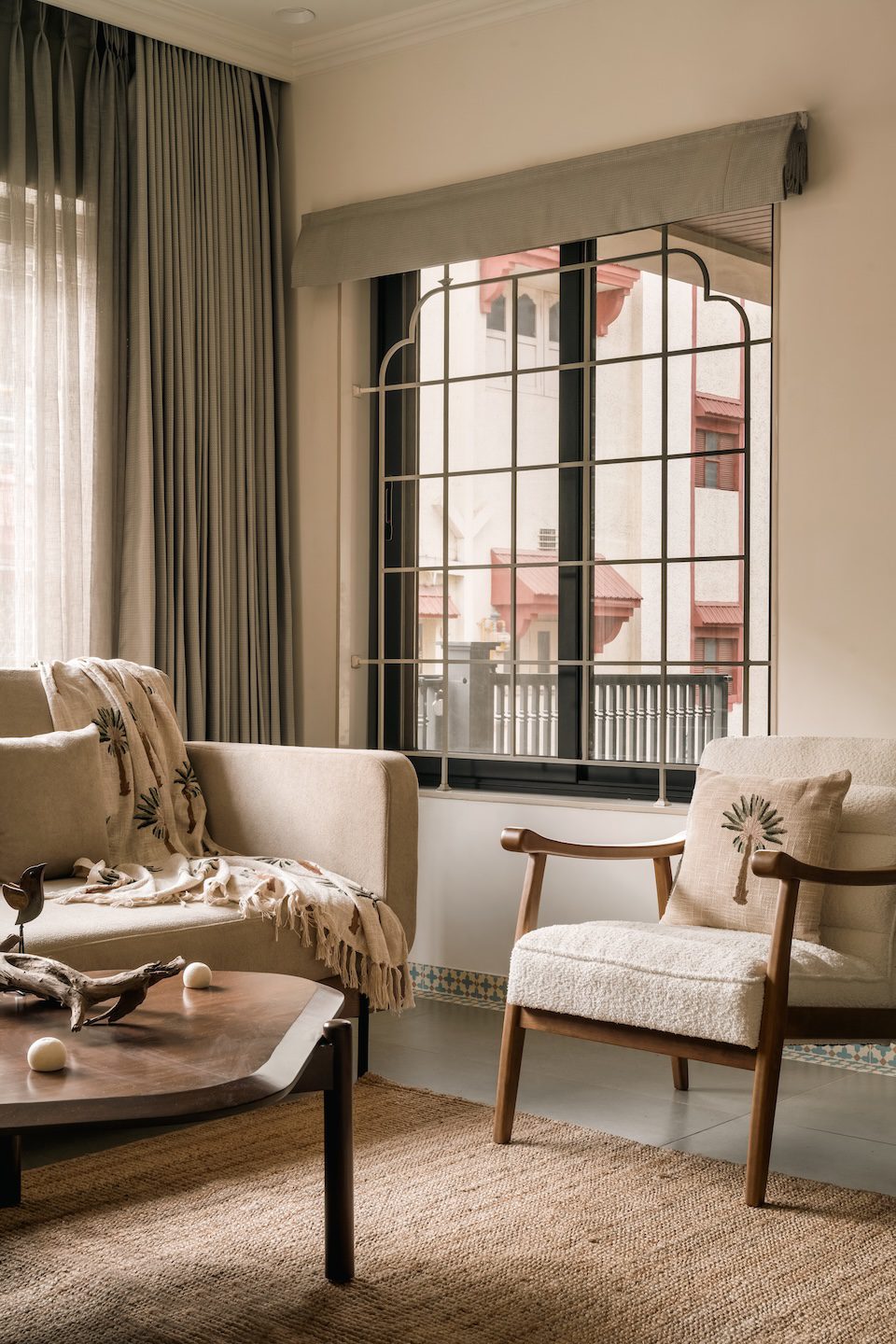
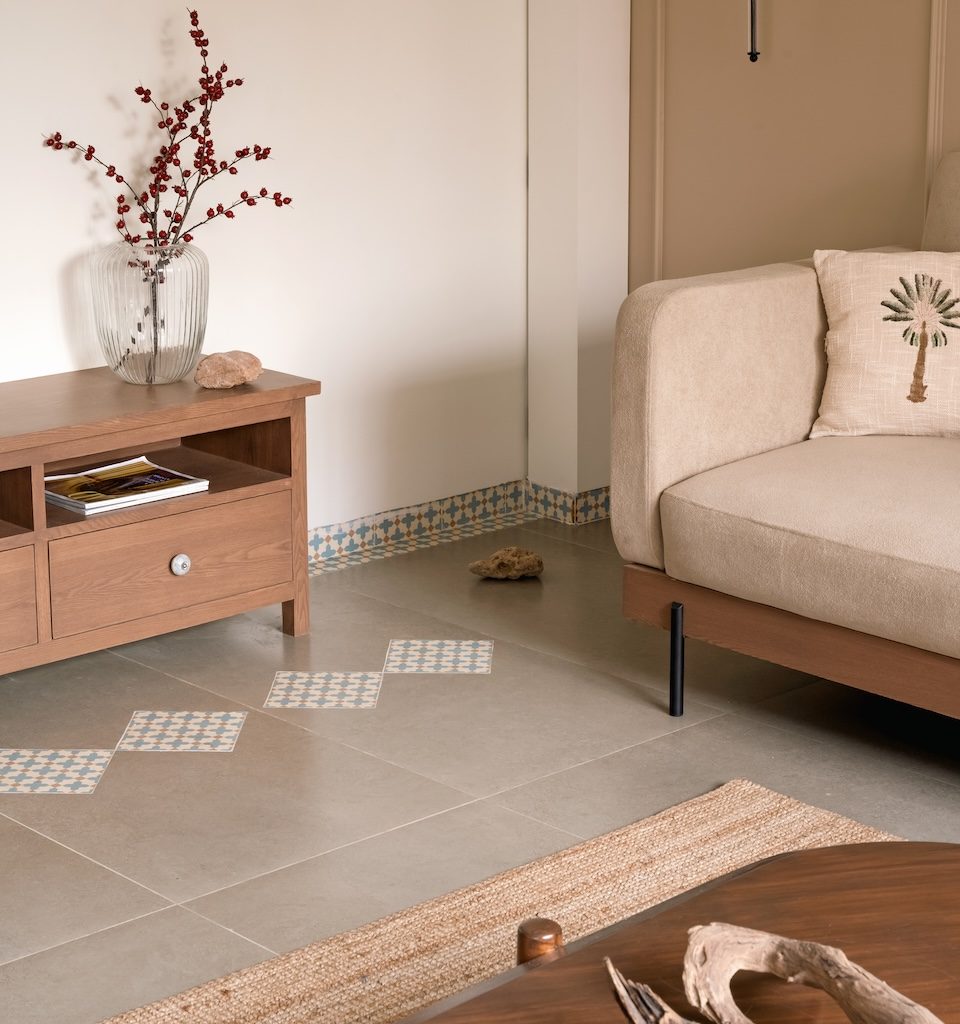
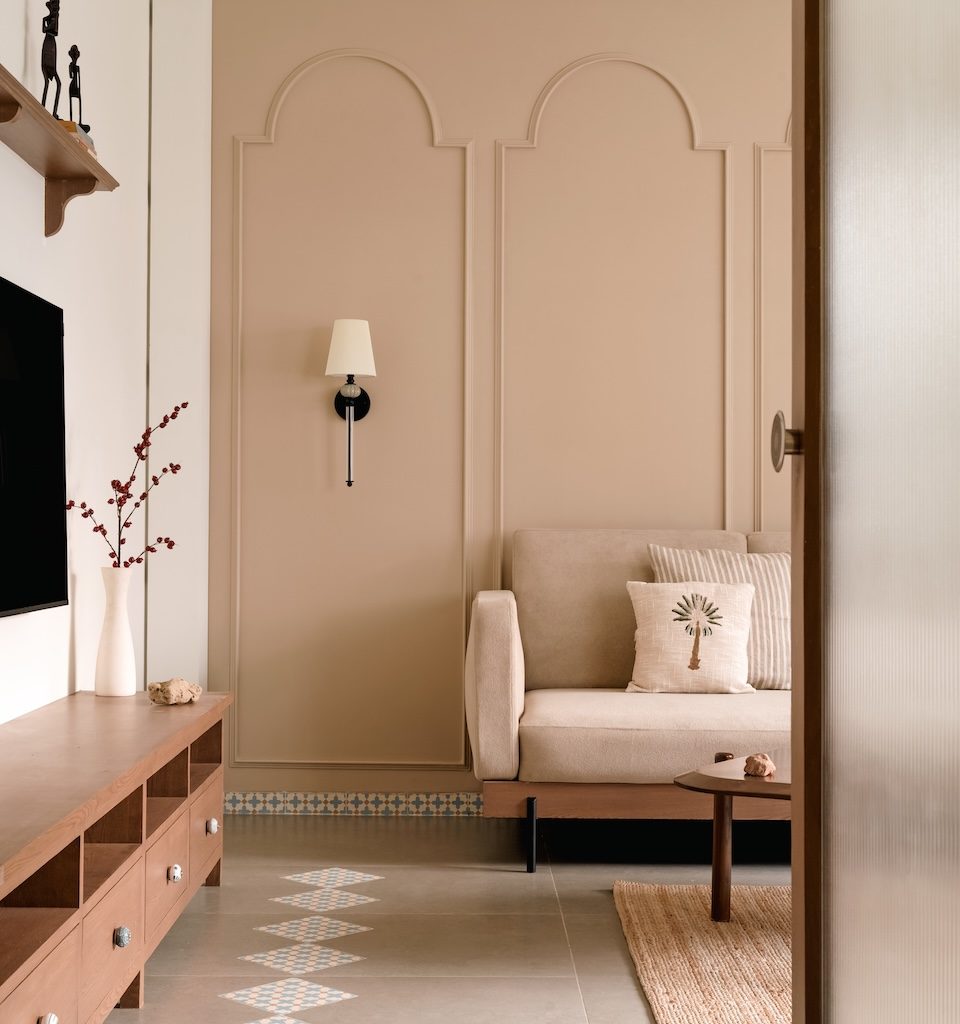
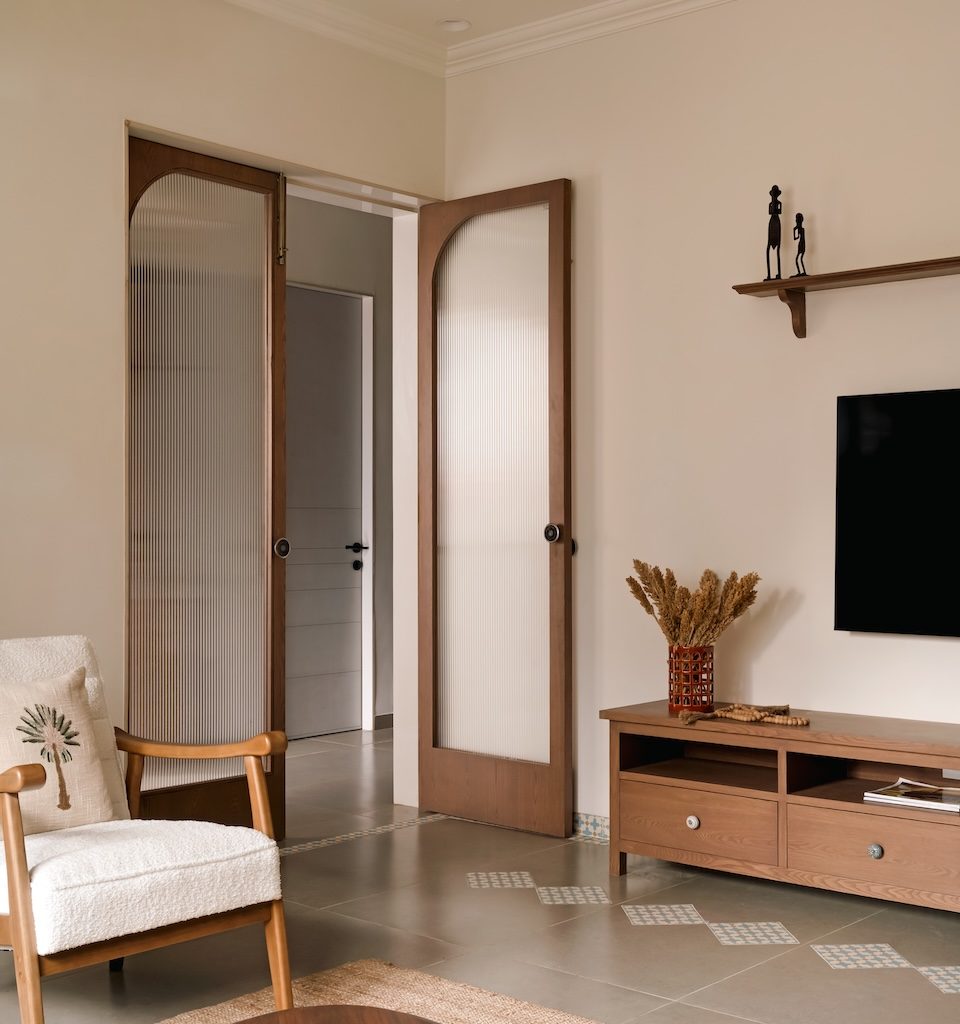
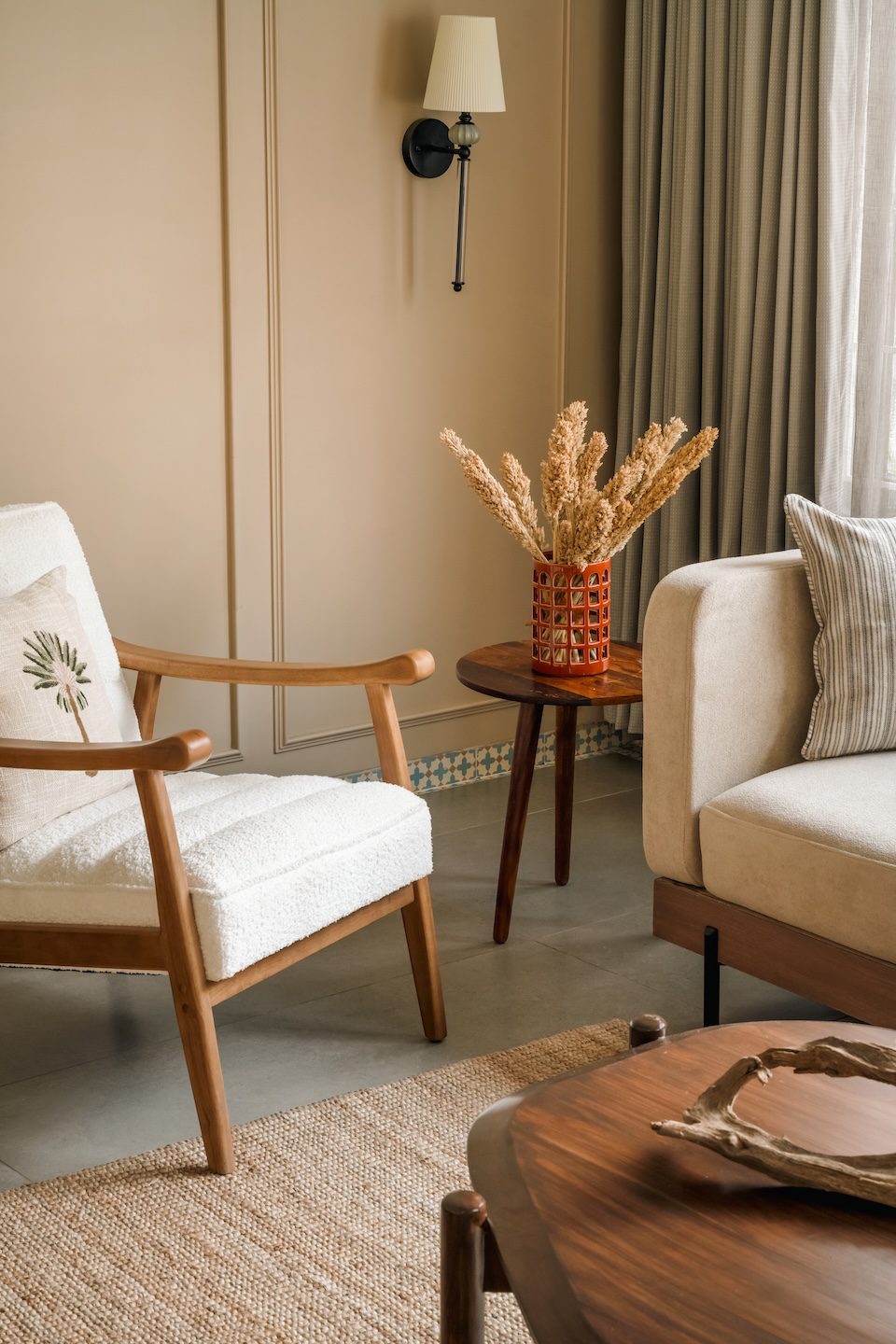
Inside, the foyer combines a wooden cornice ceiling with a neo-classical hanging light, creating a warm and welcoming entry. The living room balances simplicity with detail. An Islamic-inspired moulded wall adds depth without overwhelming the space, while the TV unit remains understated in a wooden finish.
In the kitchen, cabinetry is designed for efficiency, keeping the layout clean and functional. The dining area continues this simplicity, encouraging informal family interaction. The staircase introduces a classical expression through metal railings and wooden balusters, reinforcing continuity between levels.
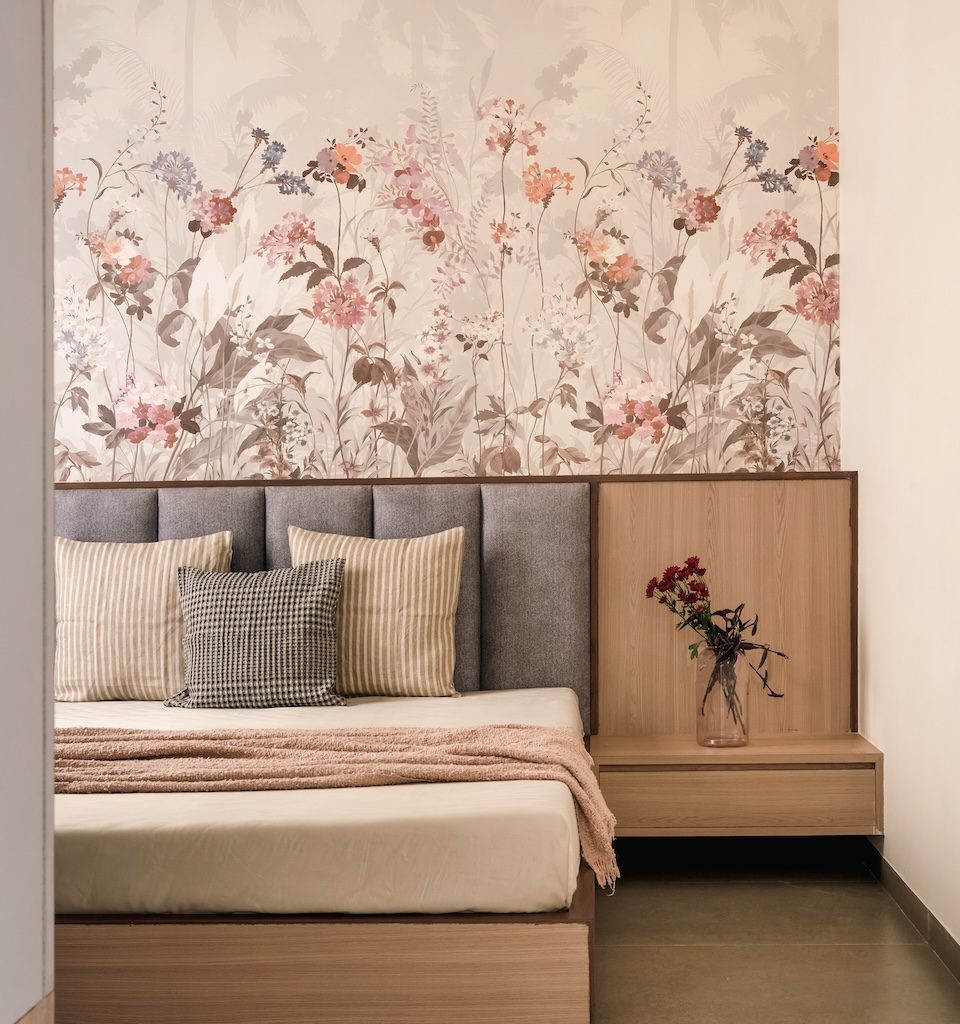
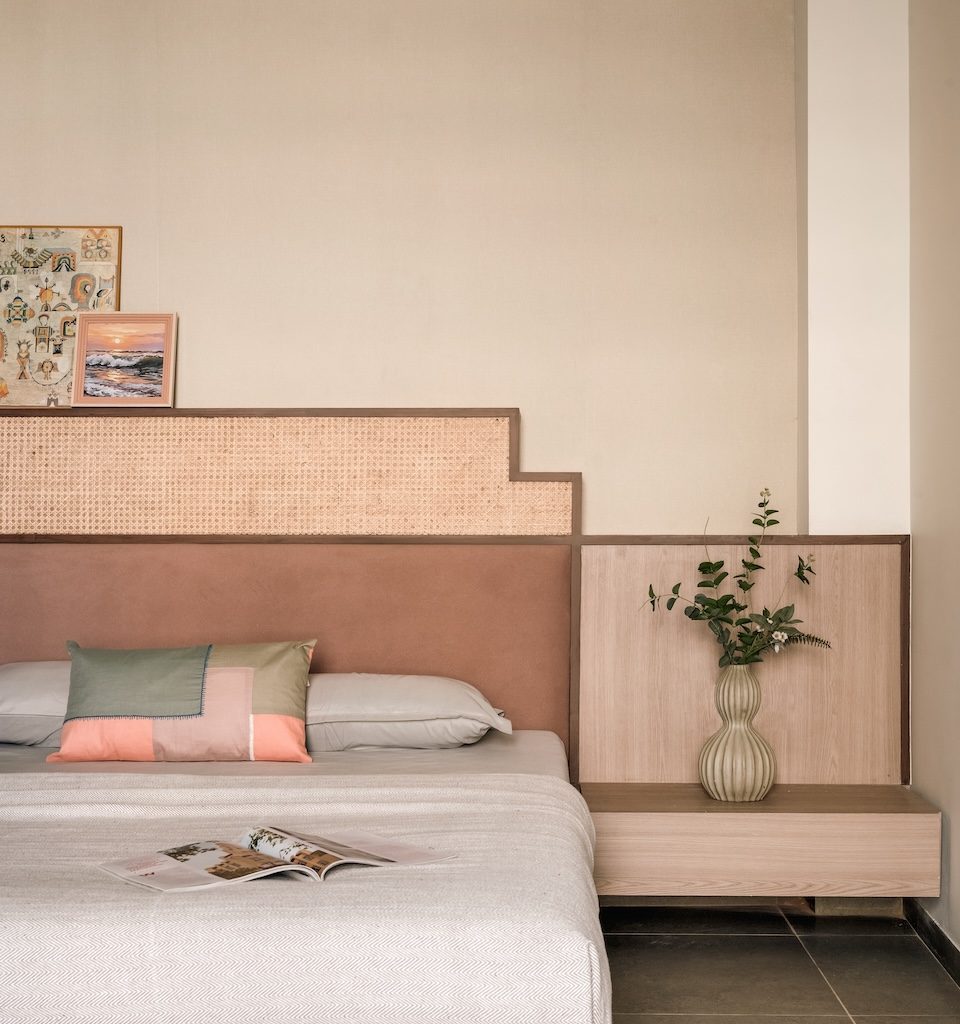
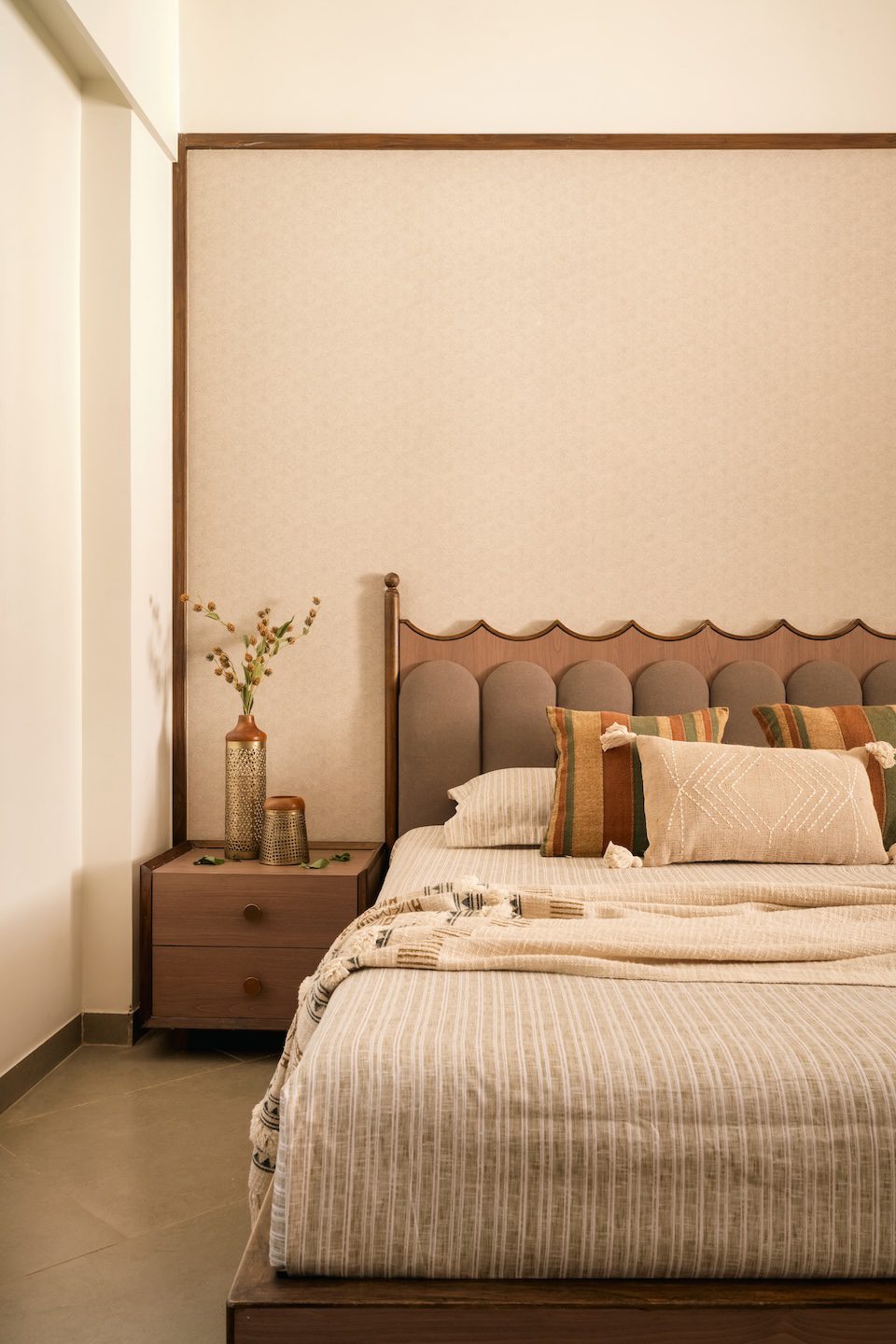
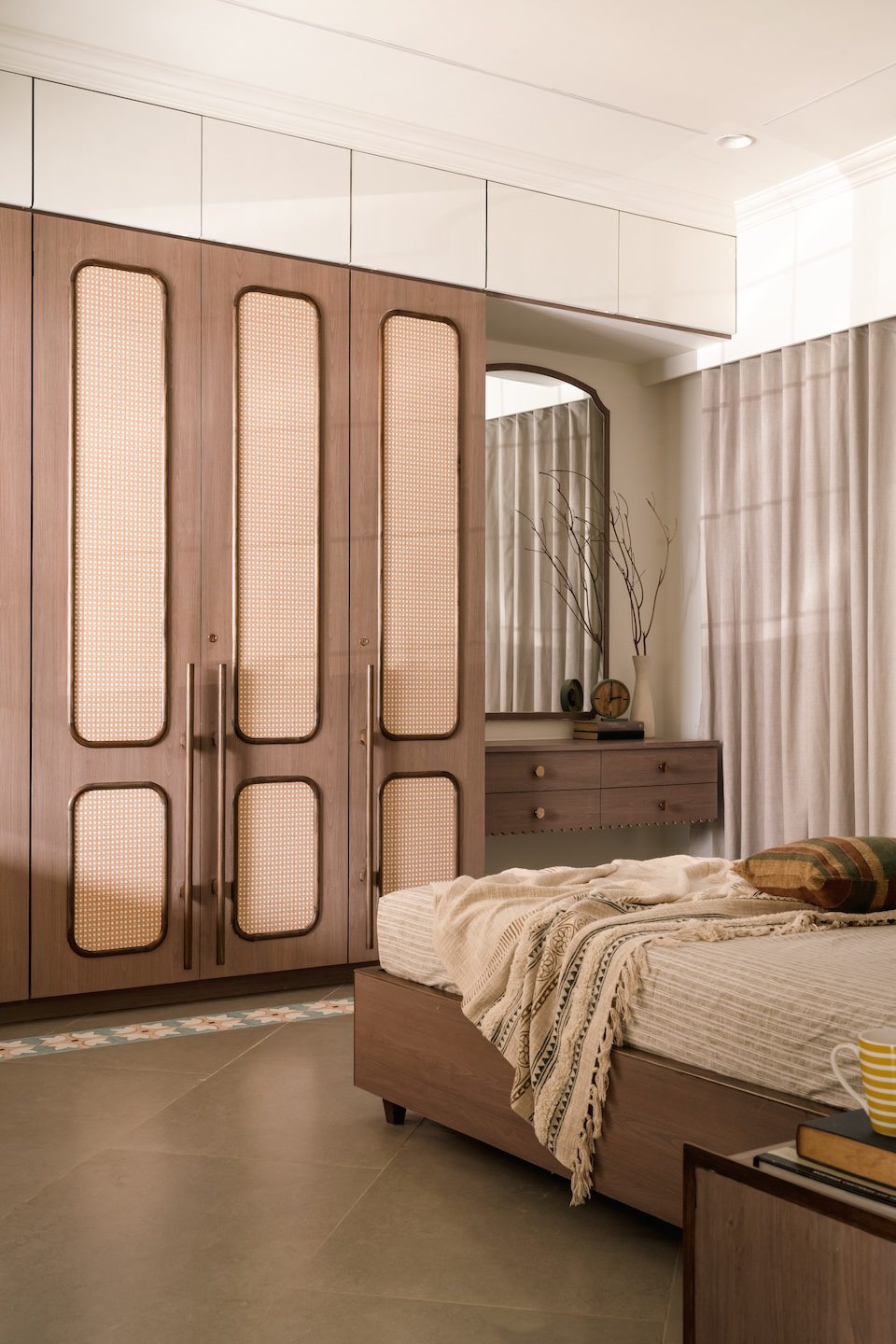
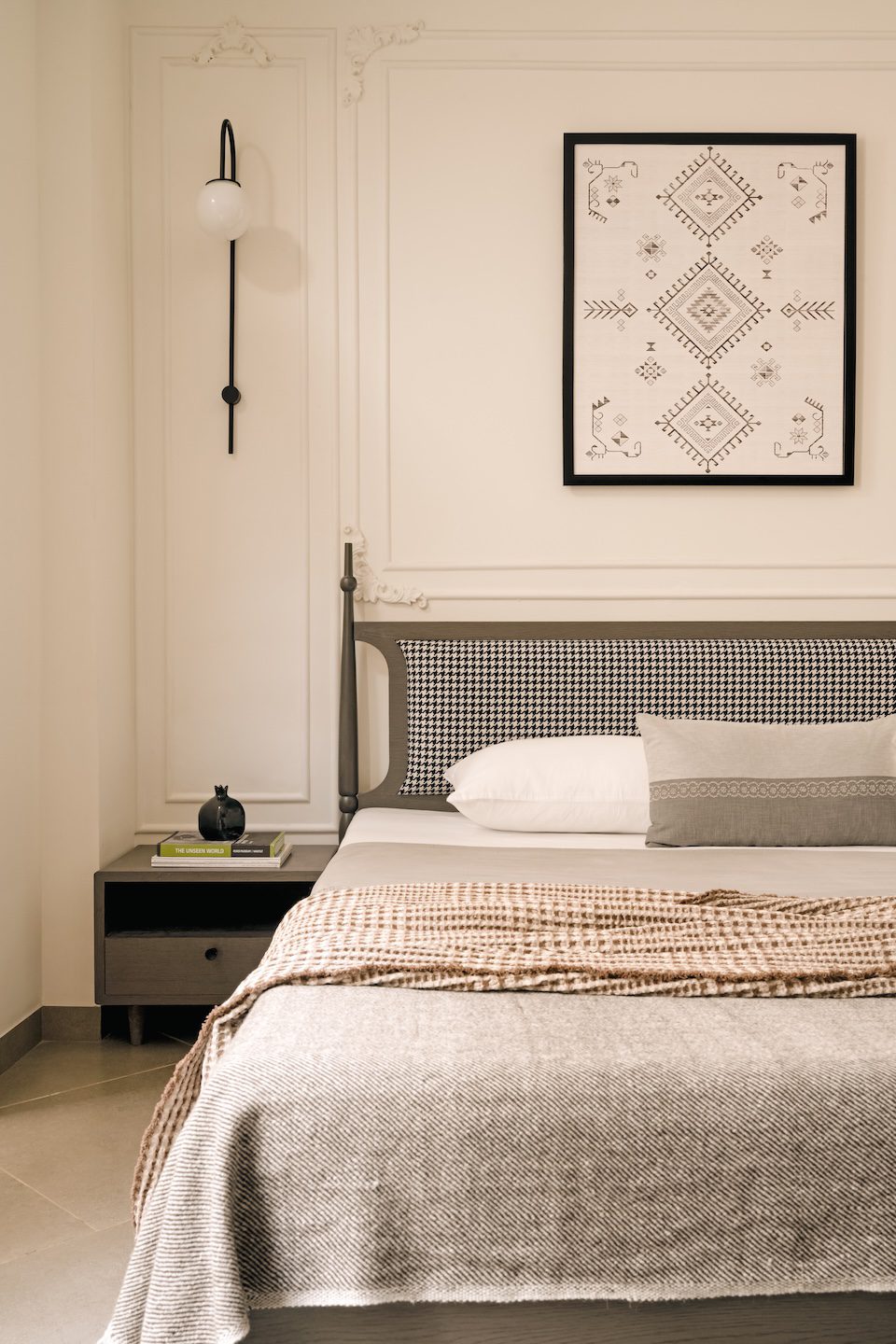
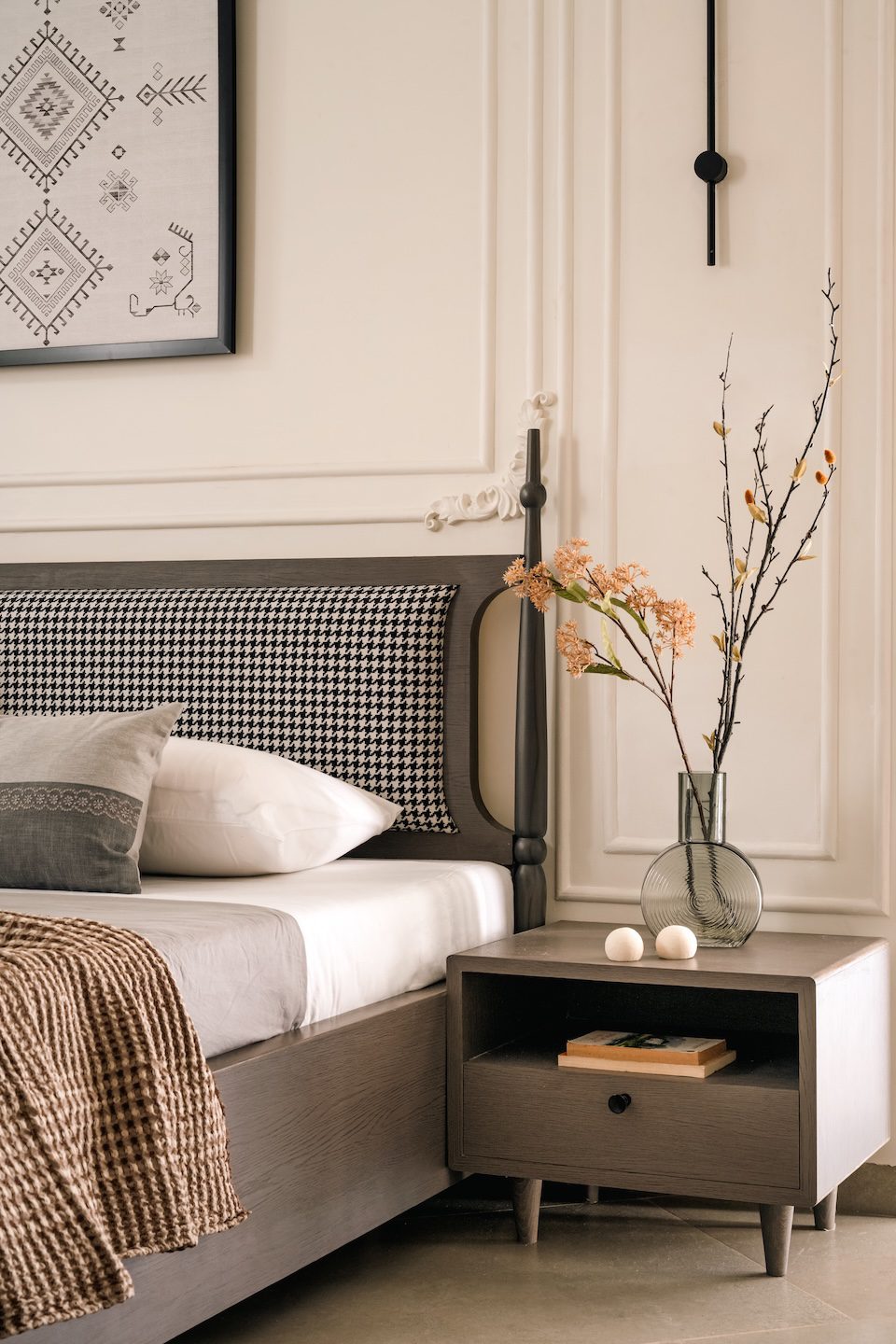
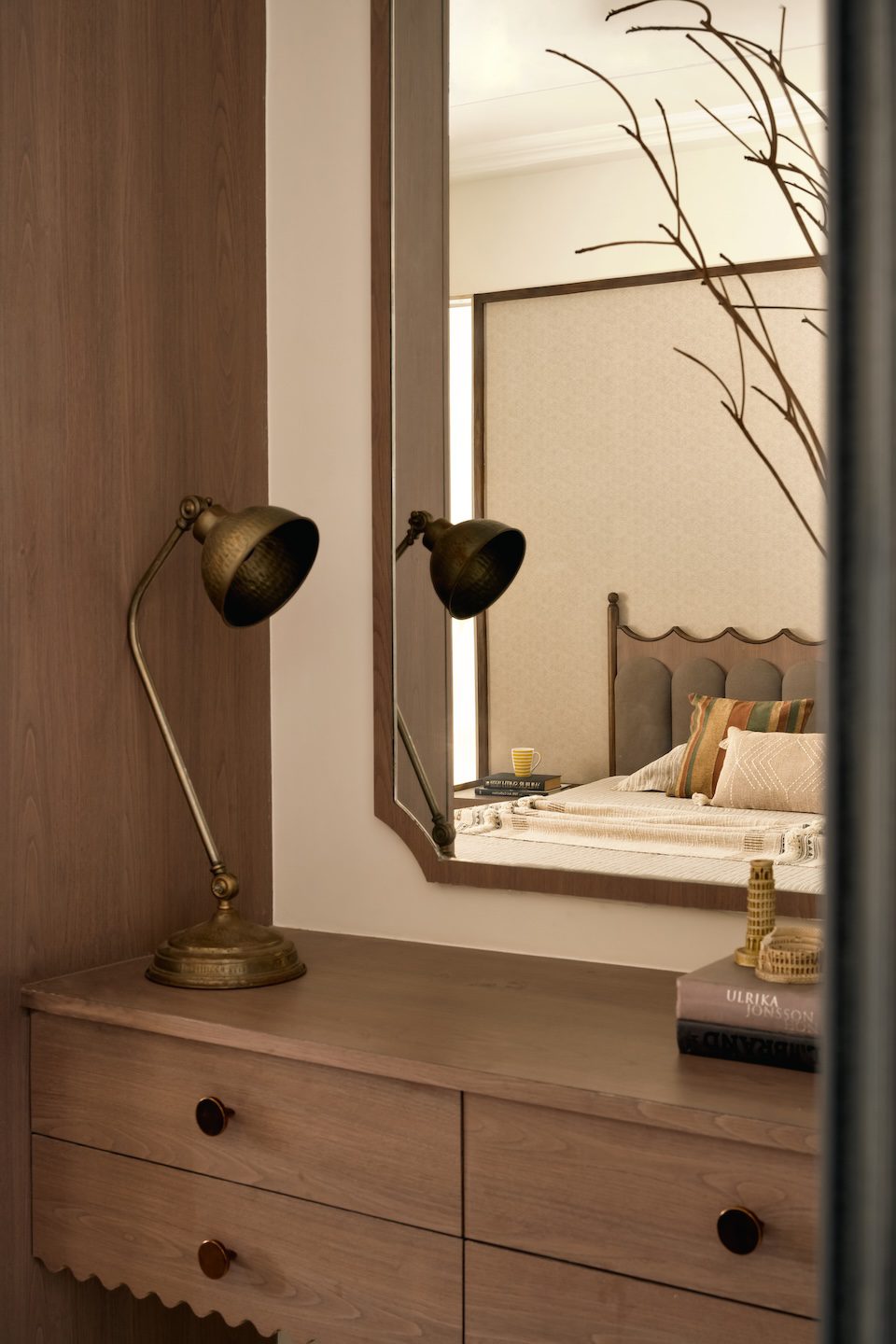
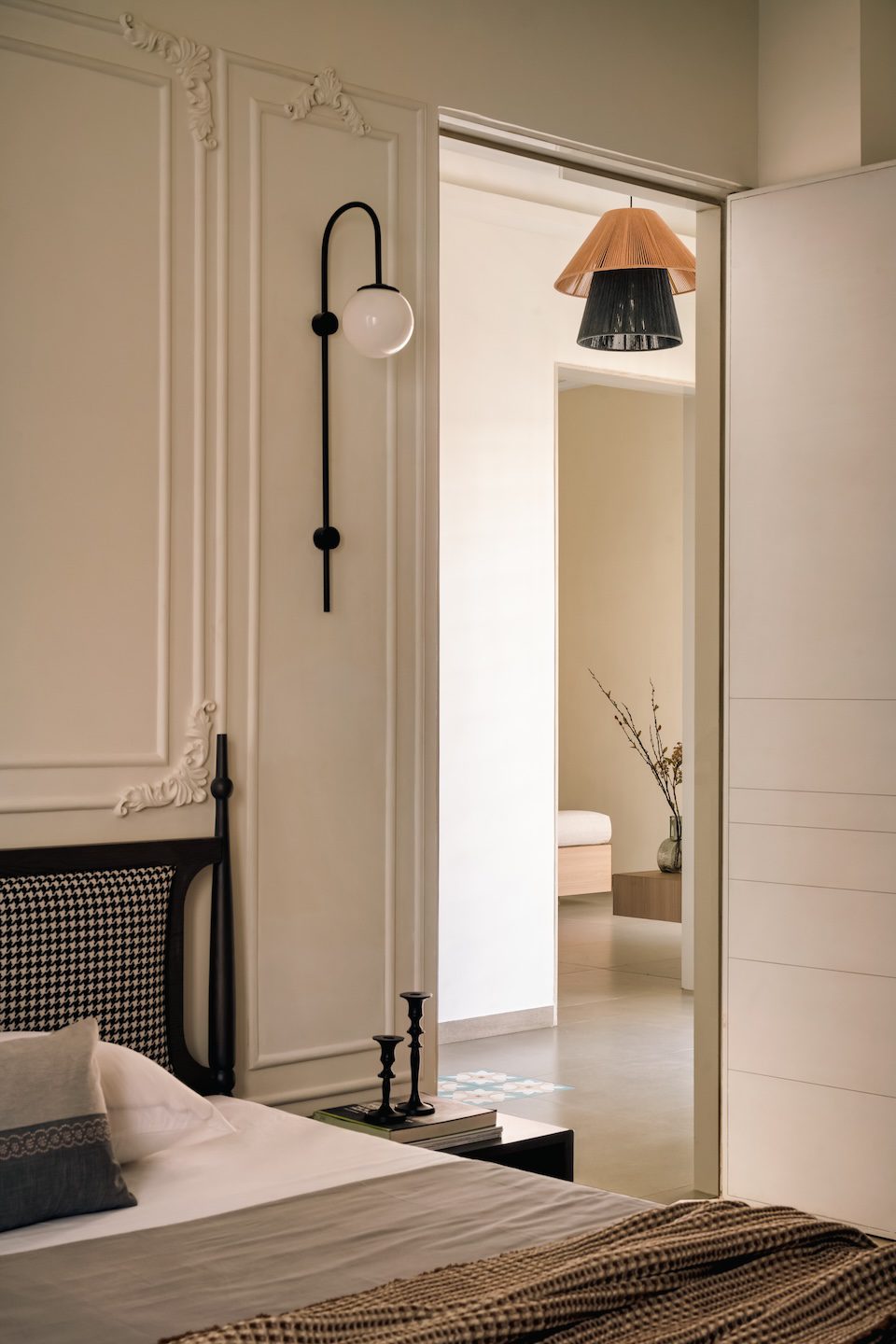
Bedrooms follow a similar approach—each space is defined through subtle variation rather than strong contrast. The parent’s bedroom incorporates rattan shutters and textured wallpaper, while the son’s room adopts a monochrome palette with detailed wooden mouldings. Guest rooms remain neutral and uncluttered, focusing on comfort and flexibility.
The highlights
The project’s strength lies in how it addresses a challenging site condition through internal planning rather than external expression. Open-to-sky spaces, terraces and carefully placed cut-outs allow light to become an active element within the house. The use of arches as a recurring architectural motif adds softness to the built form while maintaining continuity across the interiors.
The challenges
One of the primary challenges emerged during the planning stage, when it was discovered that the plot dimensions had slightly exceeded the defined boundaries. This resulted in slanted walls across multiple rooms, creating visually awkward conditions. Resolving this required a precise approach to furniture design and placement. Custom elements were used to absorb these irregularities, ensuring that the final spaces appear clean, balanced and well resolved.
Fact file
Project: Raza House
Location: Dahod, Gujarat
Area: 1,246 sq ft (plot)
Built-up area: 2,295 sq ft
Design firm: SPACESBYFAB
Principal architects: Badrul Ambawala and Fatema Jamali
Add a Comment