
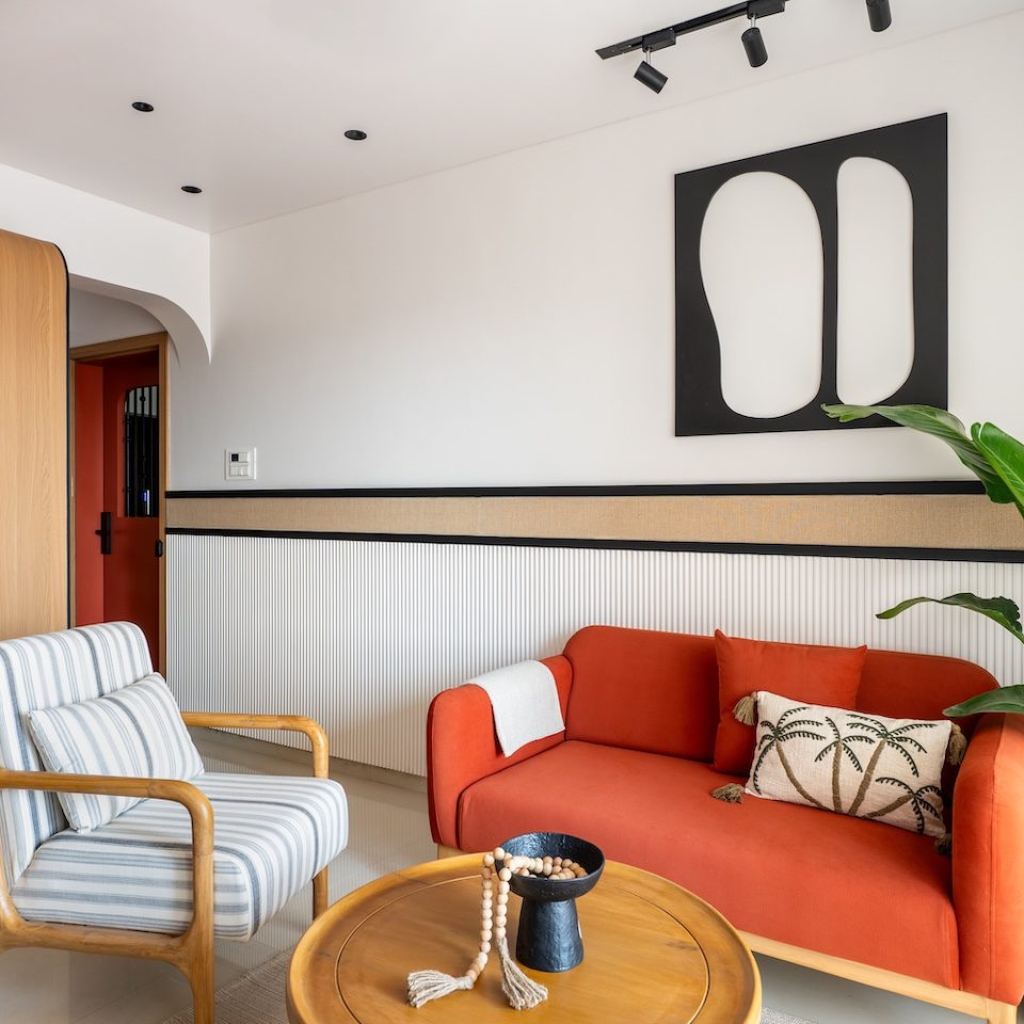
In Pune, a 700 sq ft apartment by Studio Raama is reimagined as a warm, tactile retreat where muted palettes, gentle geometry and thoughtful planning transform compact living into a soothing everyday experience.
Curated by: Rupali Sebastian
Photographs: Ar. Anish Pathrikar; courtesy Studio Raama
The project
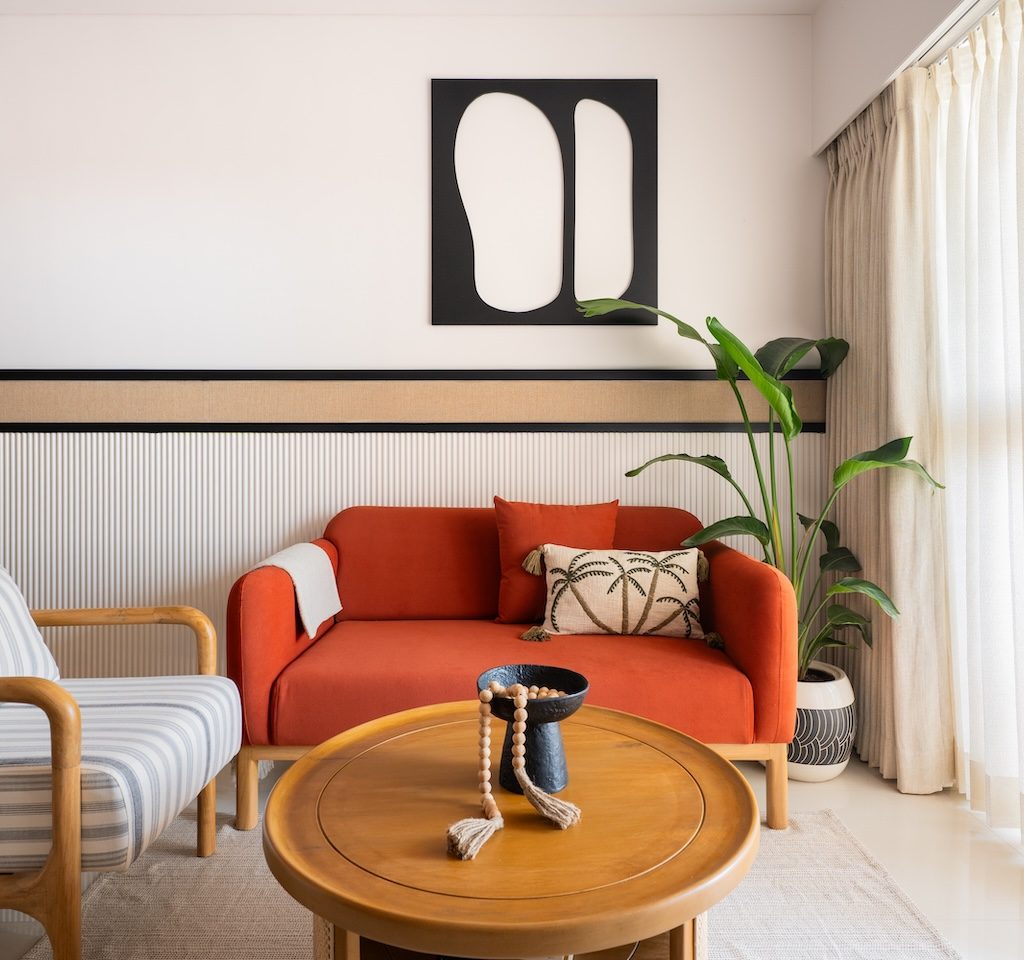
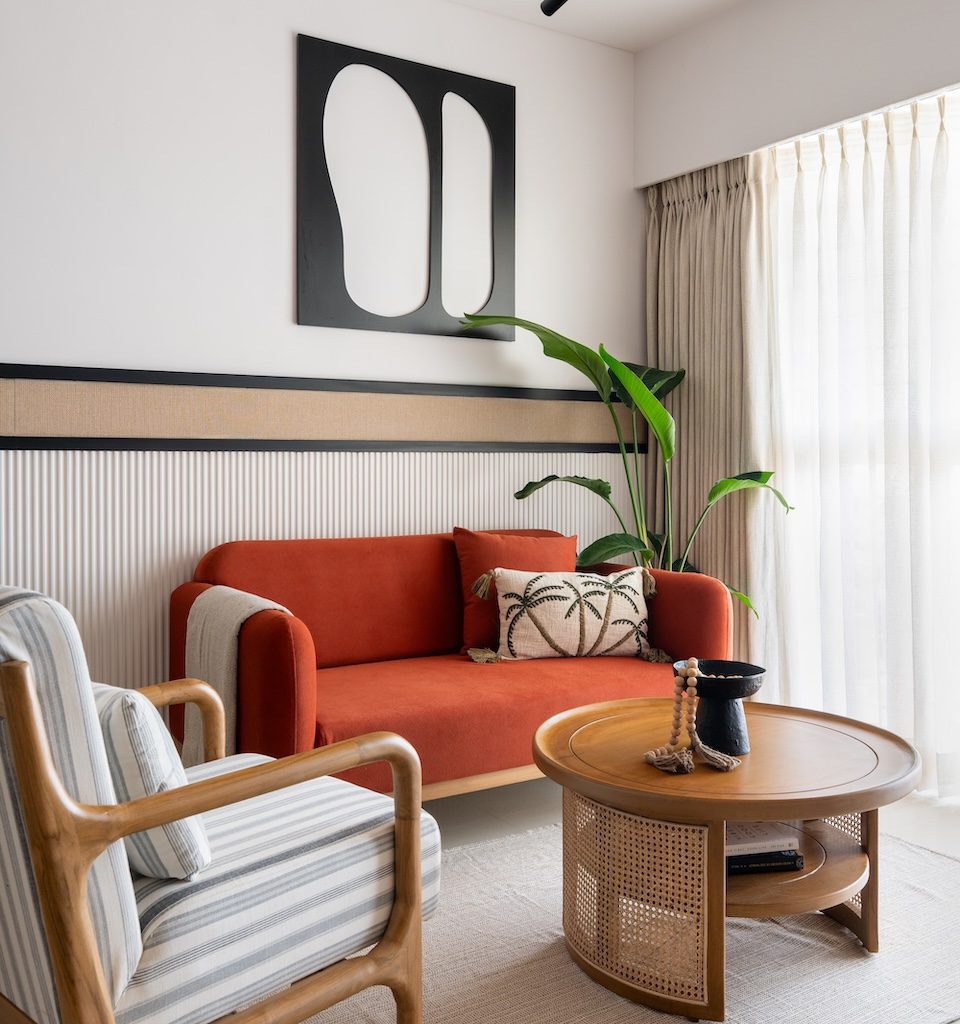
The Calm Nest is a 700 sq ft contemporary apartment designed to evoke comfort, calm and grounded ease. Conceived by Studio Raama, the home transforms everyday living into a tactile, emotionally reassuring experience through natural textures, muted tones and soft forms. Rather than making a visual statement, the project focuses on creating an environment that feels warm, lived-in and quietly composed.
The site
Located in the bustling city of Pune, the apartment was received as a clean yet bare shell typical of contemporary urban housing. The compact footprint presented an opportunity to reimagine the space with greater warmth and personal character, softening its neutrality while retaining a modern sensibility suited to city living.
The brief
The clients sought a compact home that maximised comfort and storage without feeling cluttered. Functionality was paramount, but not at the cost of atmosphere. Aesthetically, they envisioned a soothing retreat defined by soft colours, warm wood tones and gentle textures—an escape from Pune’s urban pace that still felt contemporary and thoughtfully detailed.
The design intent
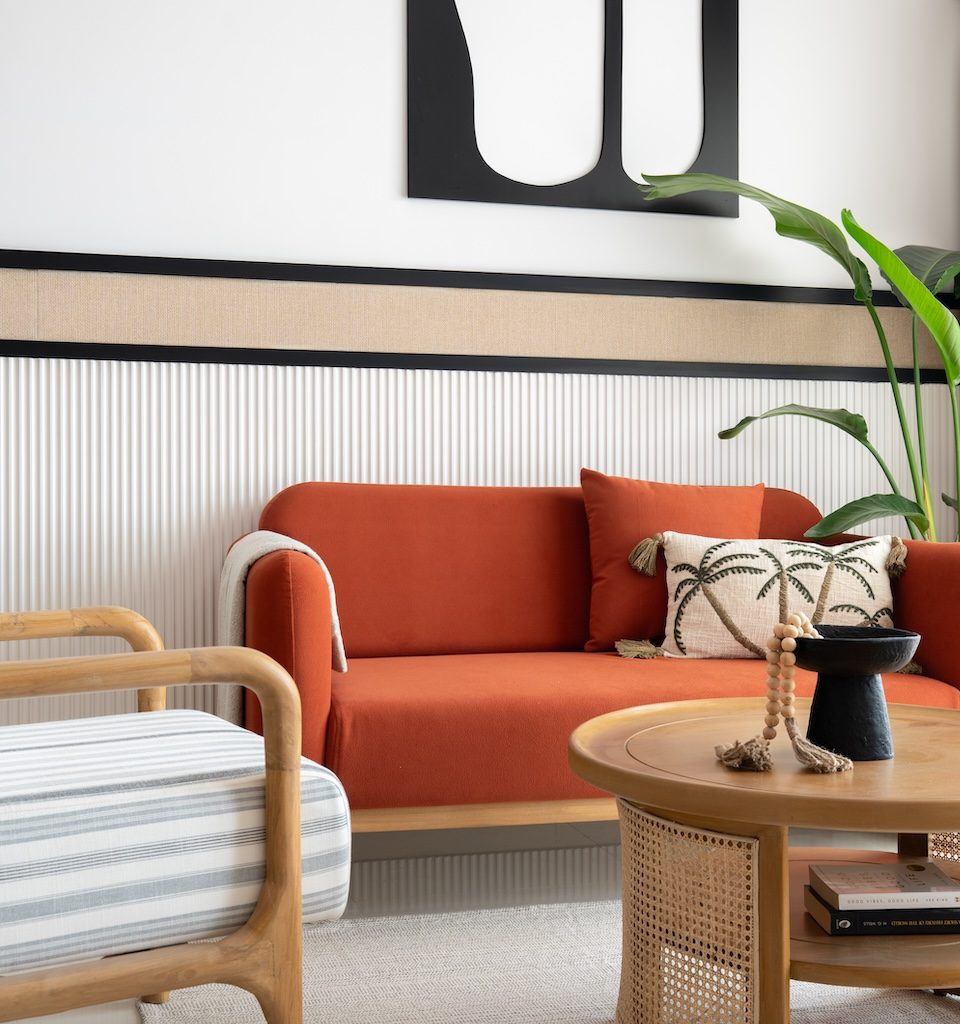
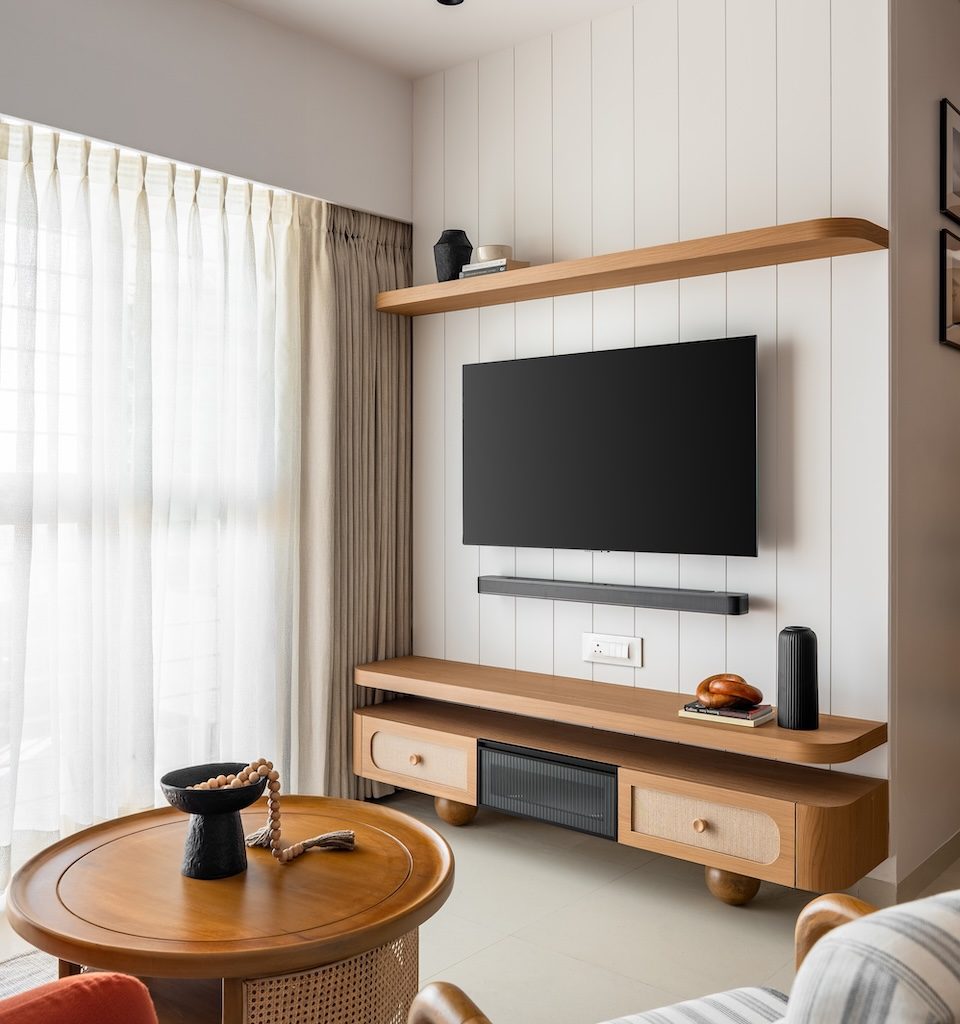
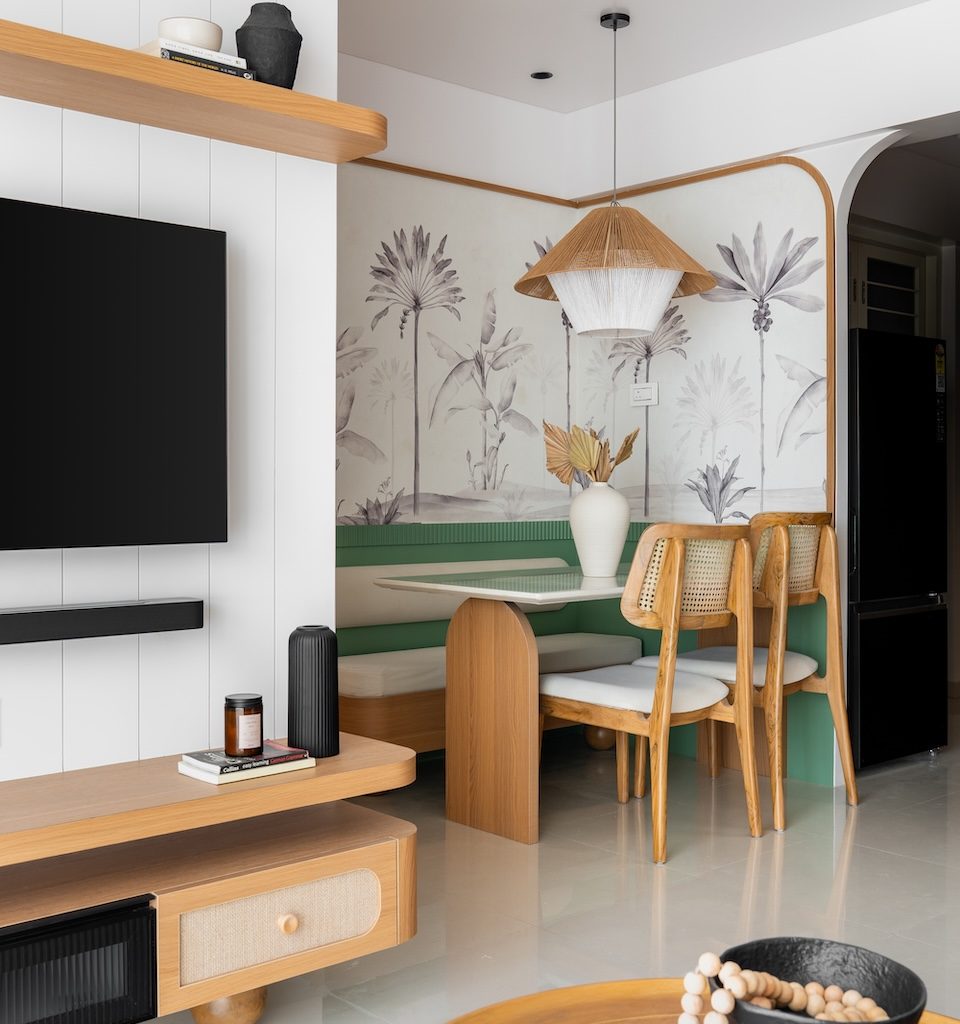
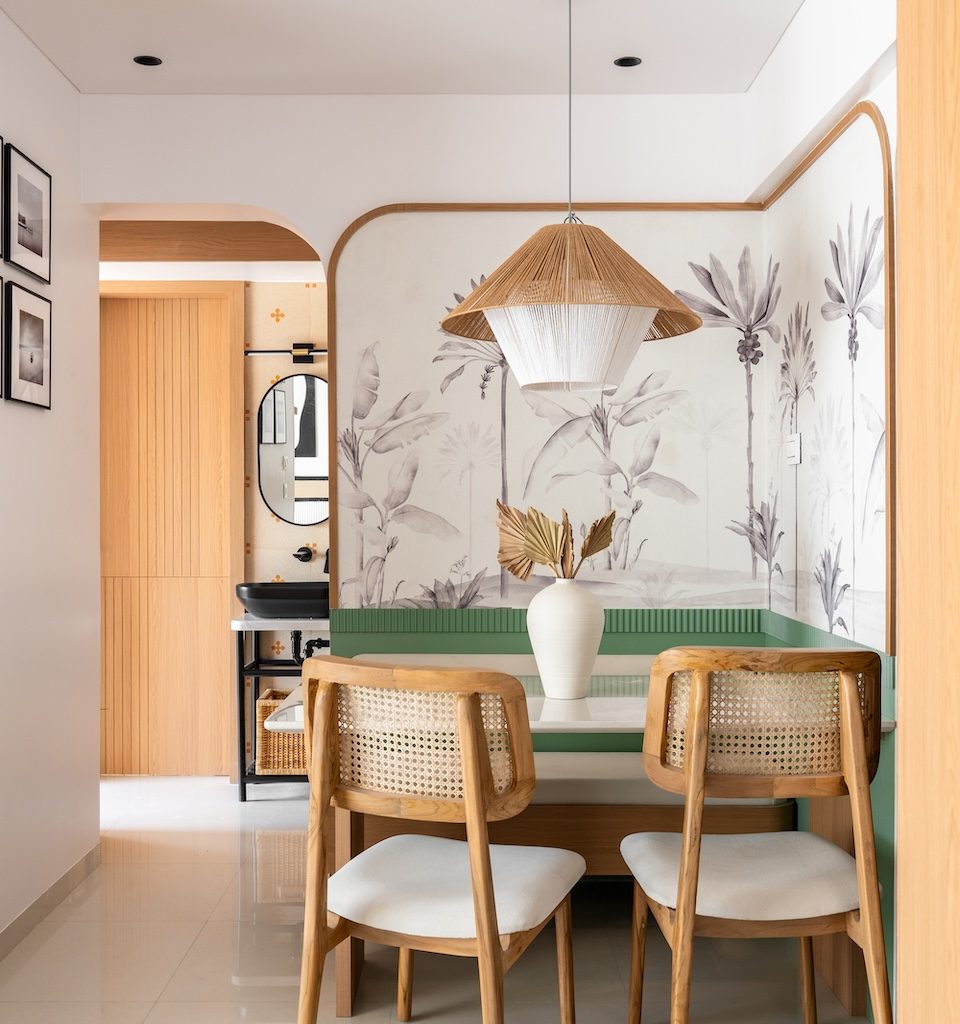
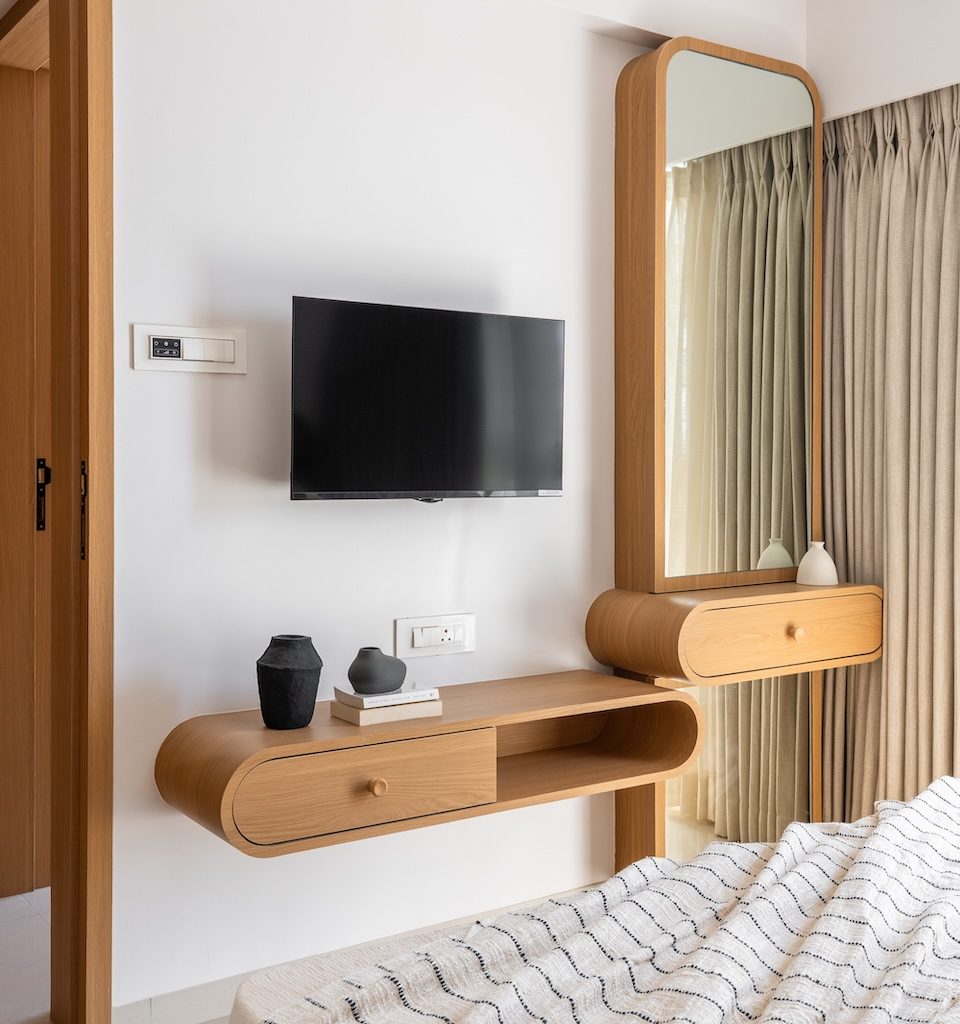
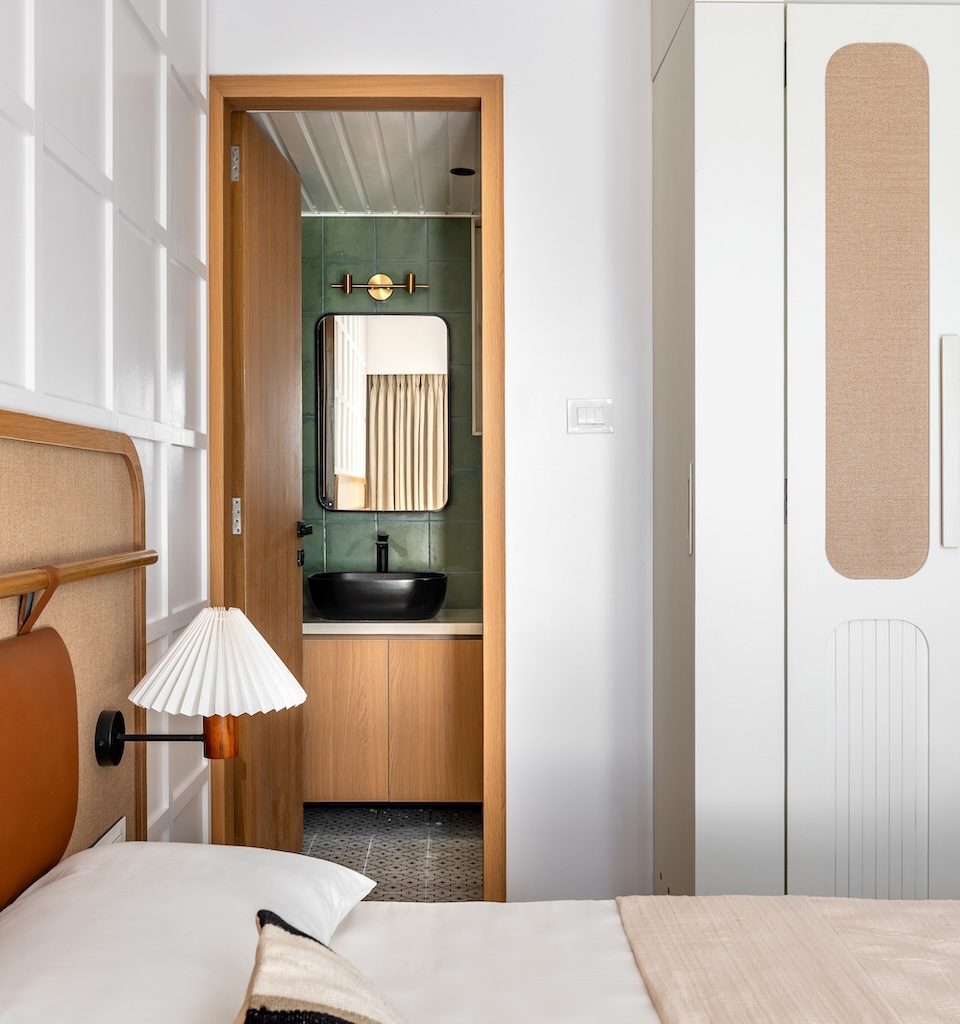
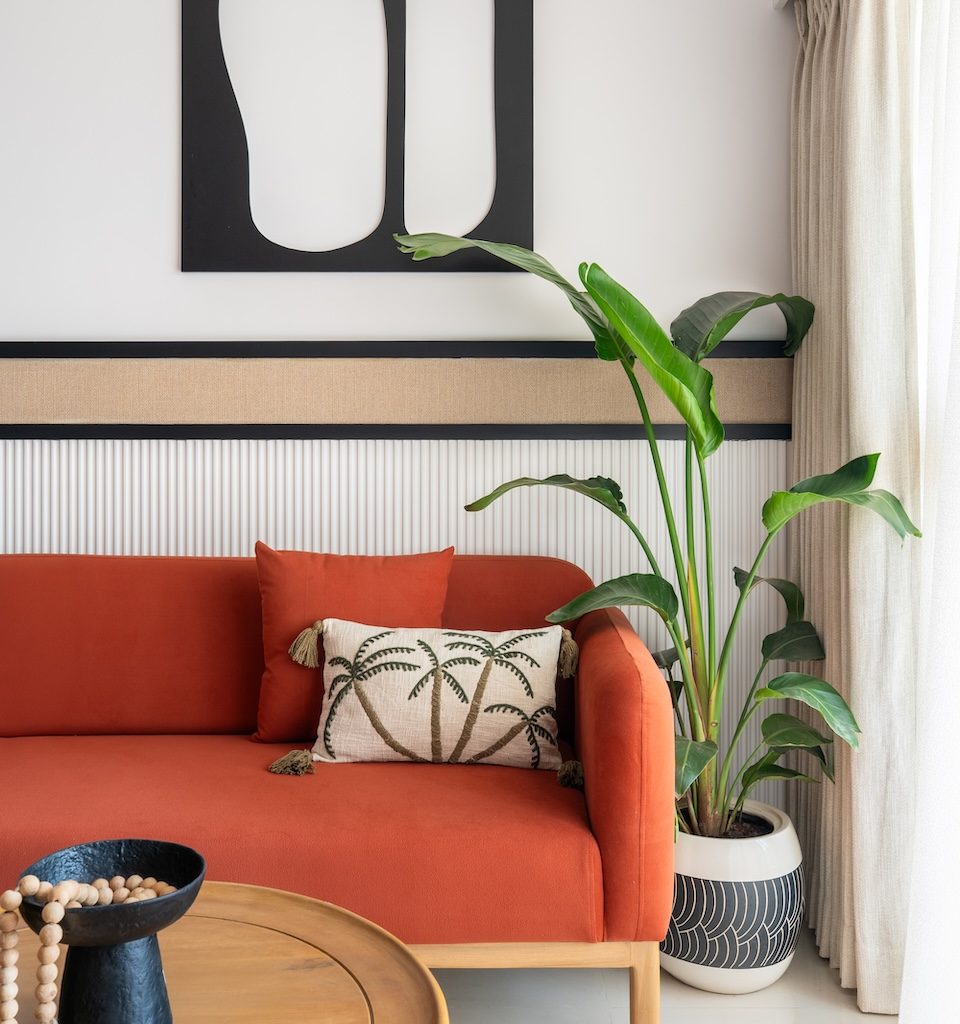
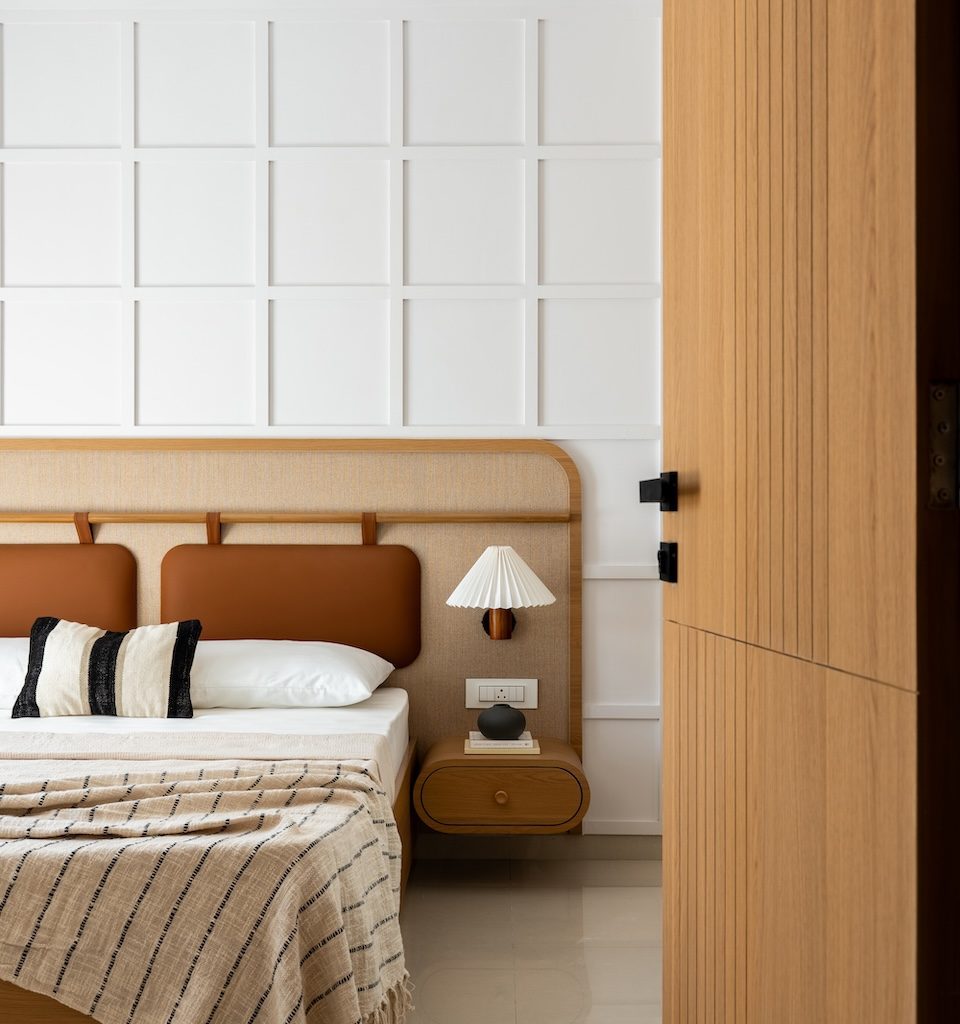
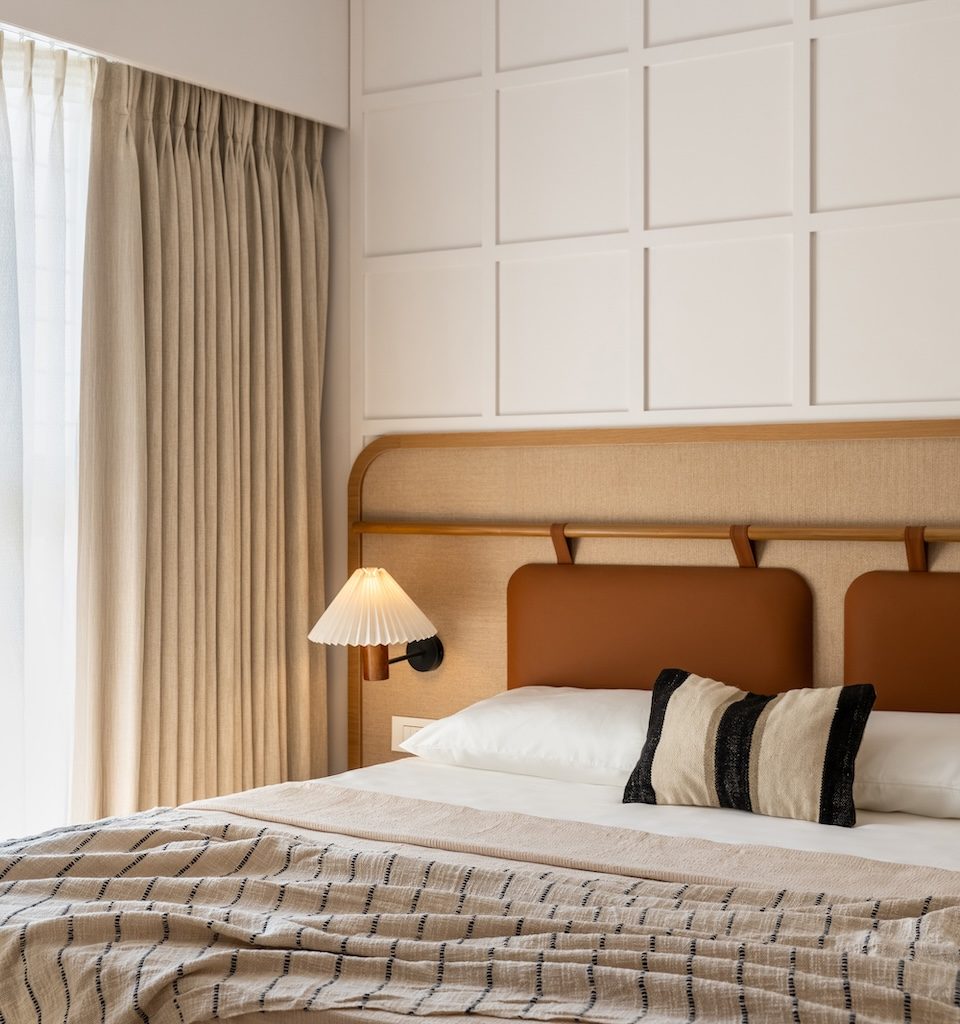
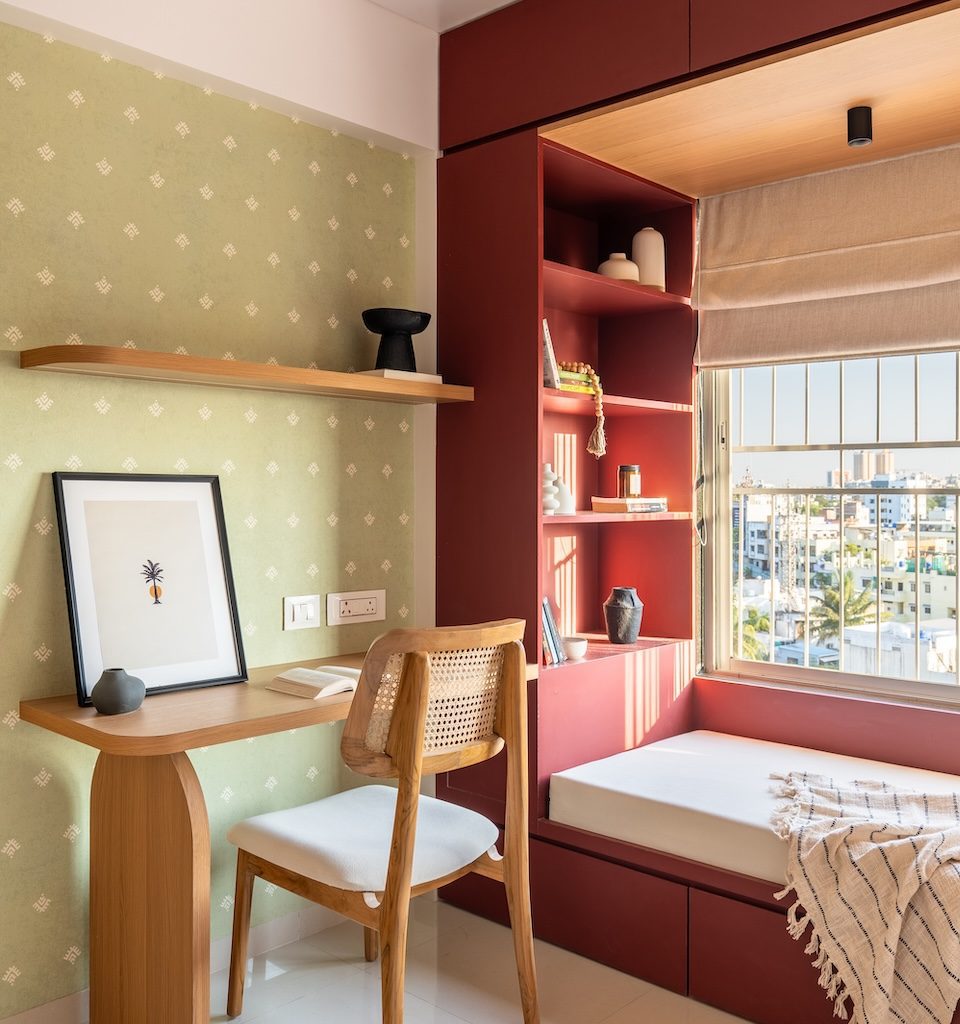
The intent was to create a soothing, contemporary refuge that balances warmth, craftsmanship and visual calm. At Studio Raama, the design philosophy centres on crafting spaces that feel grounded, timeless and emotionally connected to their inhabitants. For this project, the focus was on soft geometry, natural textures and a muted yet character-rich palette that fosters ease and understated sophistication. “Our aim was to create a home that feels gentle and intuitive, where material warmth and thoughtful planning allow the space to feel calm despite its compact size,” says principal designer Aman Tank. Curved wooden edges, woven cane details, tactile fabrics and earthy tones work together to create interiors where form and function support one another, resulting in a home that is visually light, highly liveable and thoughtfully composed.
The civil intervention
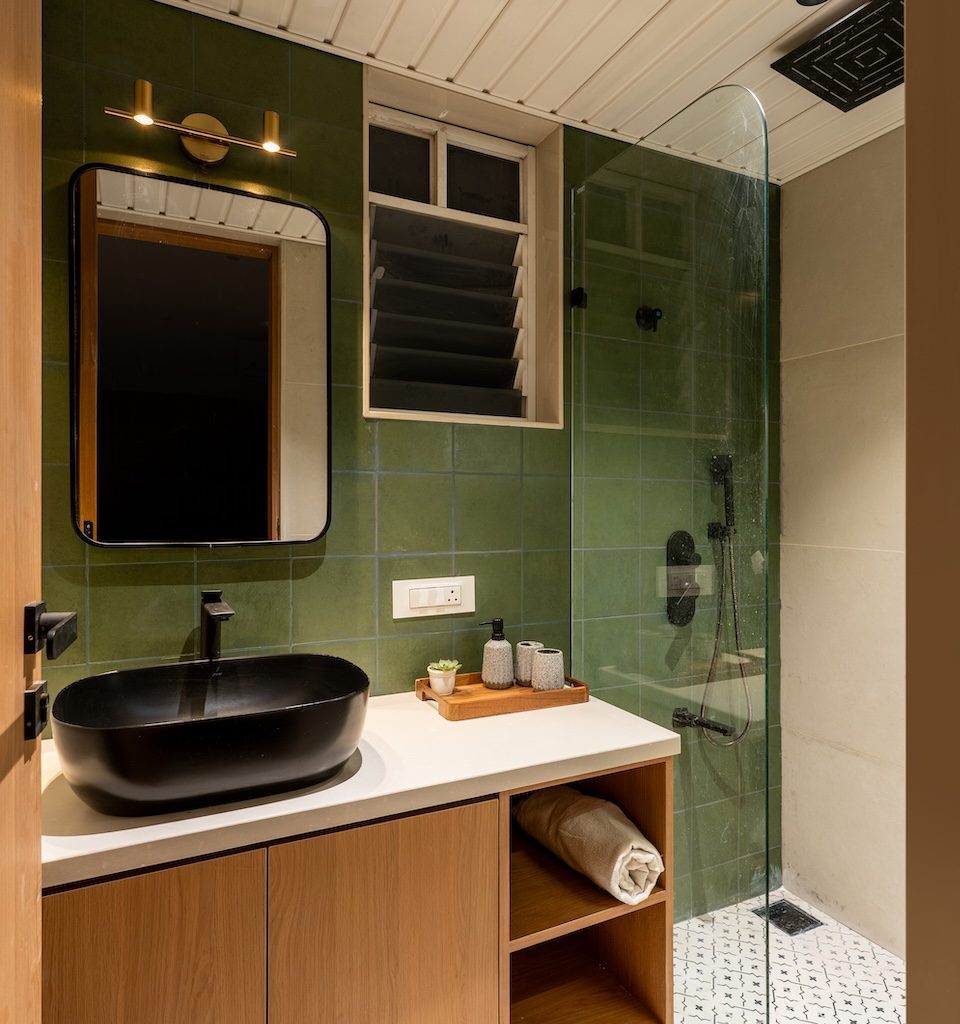
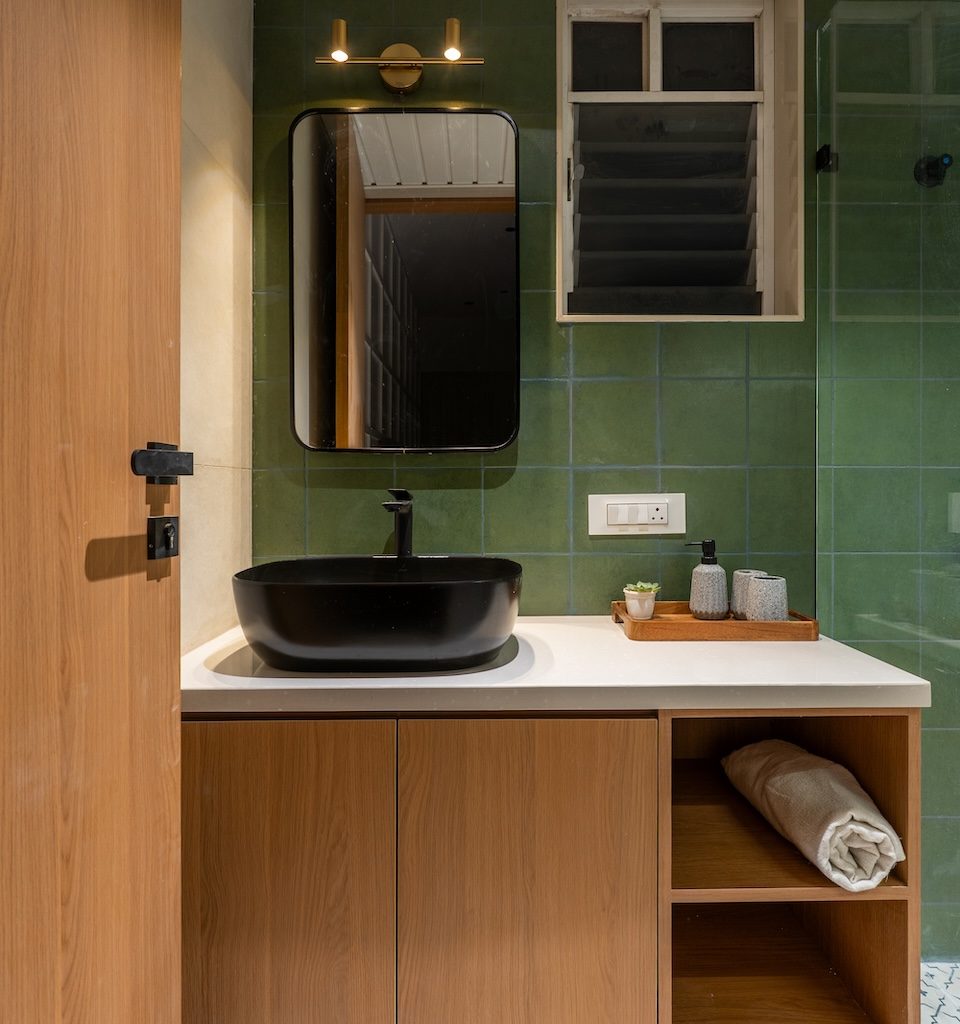
Civil modifications were kept minimal to retain the existing structure. Select interventions included updating the kitchen countertop to improve durability and align it with the refreshed material palette, and replacing bathroom tiles to introduce a cleaner, more contemporary aesthetic. These targeted changes allowed the home to be elevated without extensive restructuring, ensuring a seamless integration of new design elements within the original layout.
The spatial flow
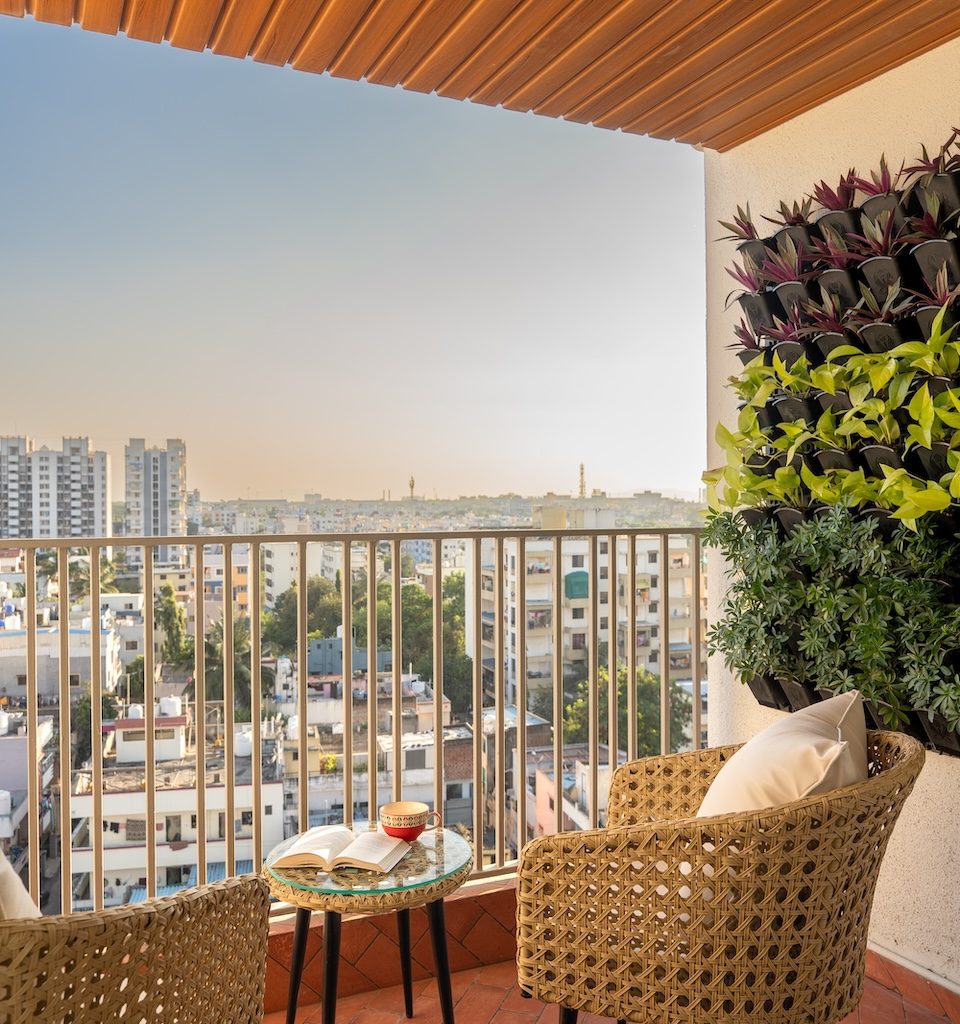
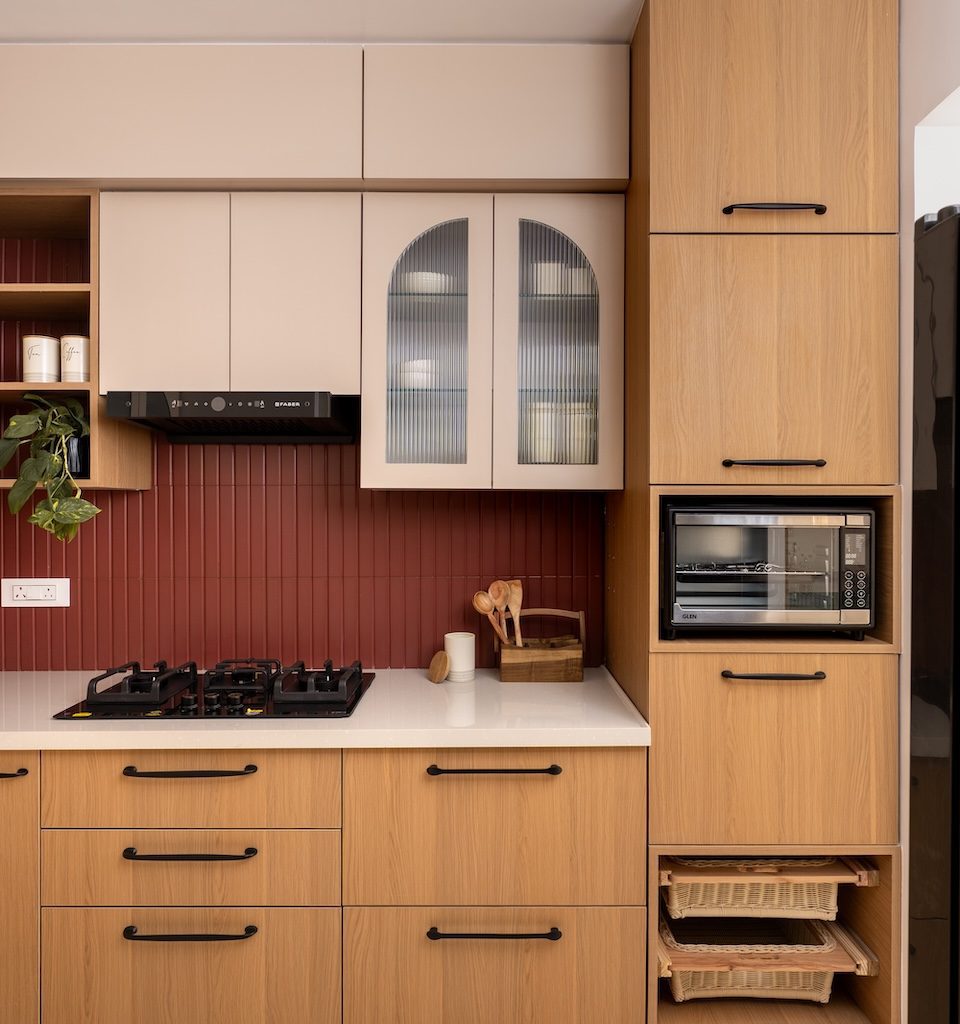
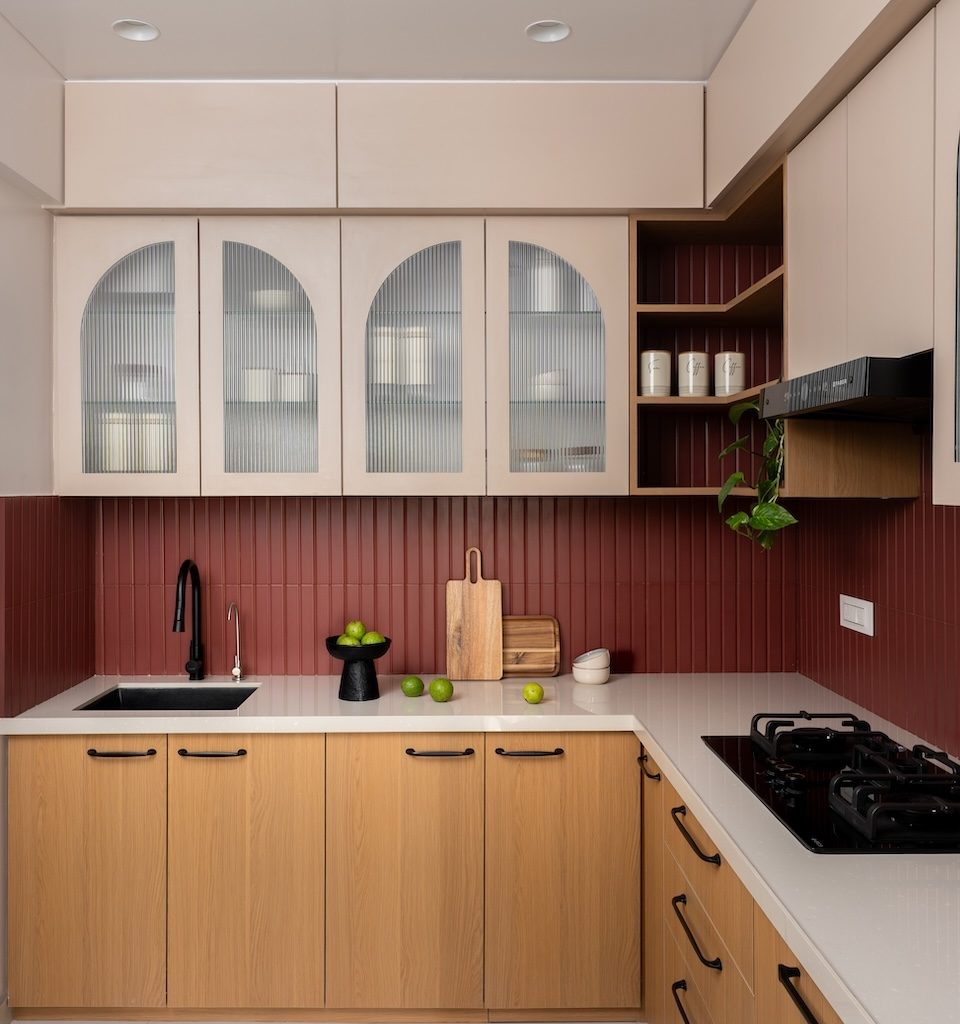
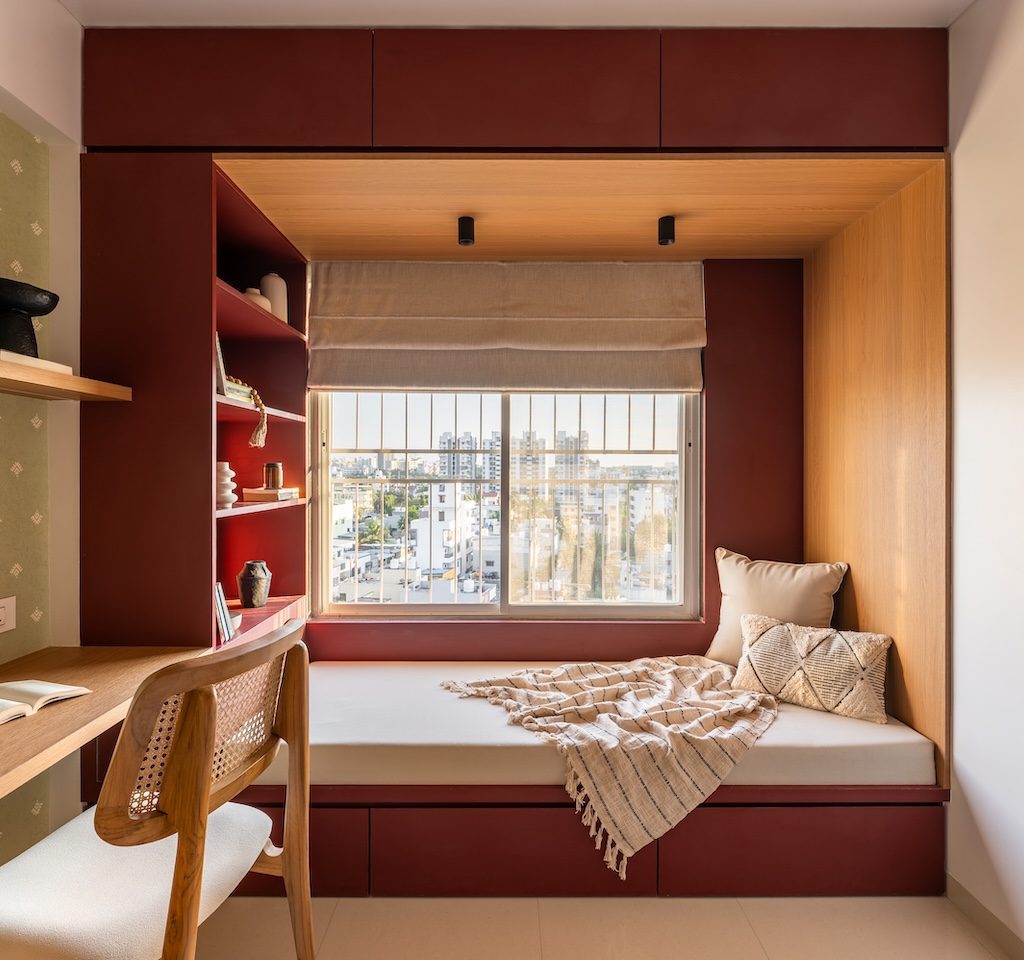
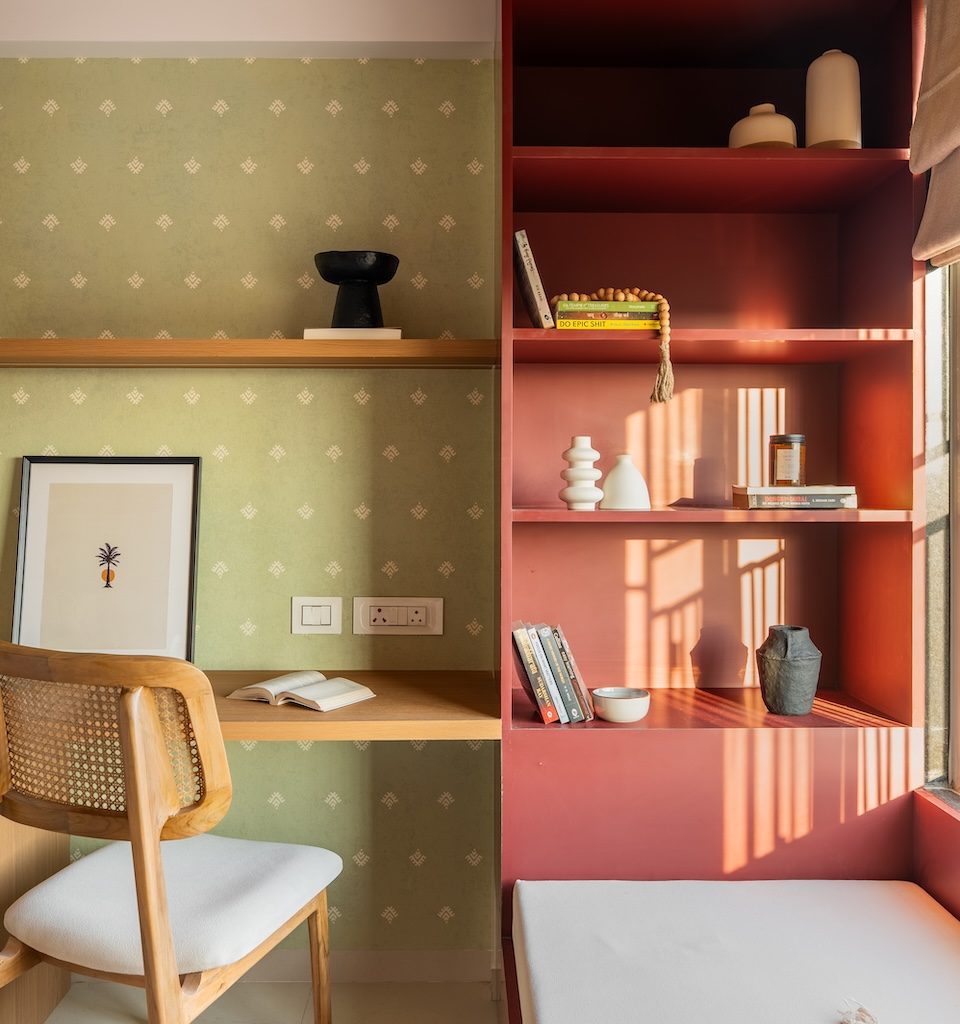
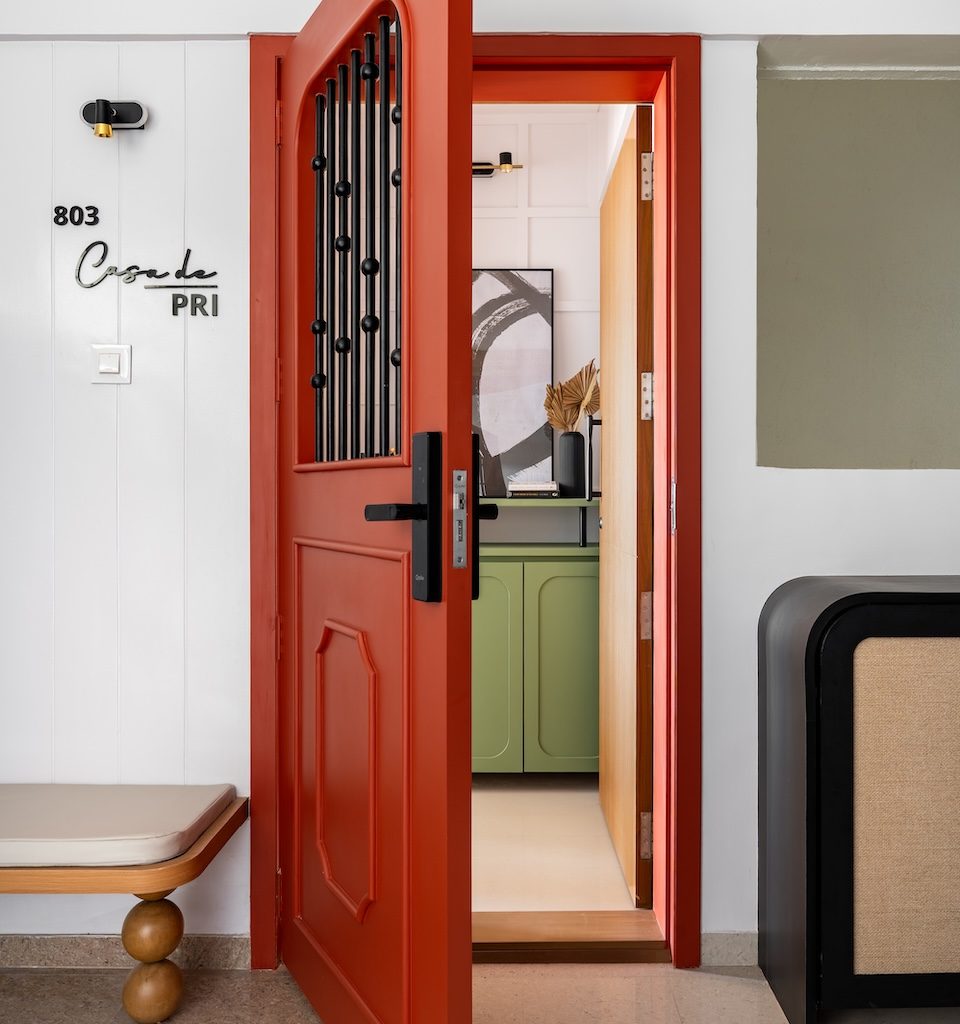
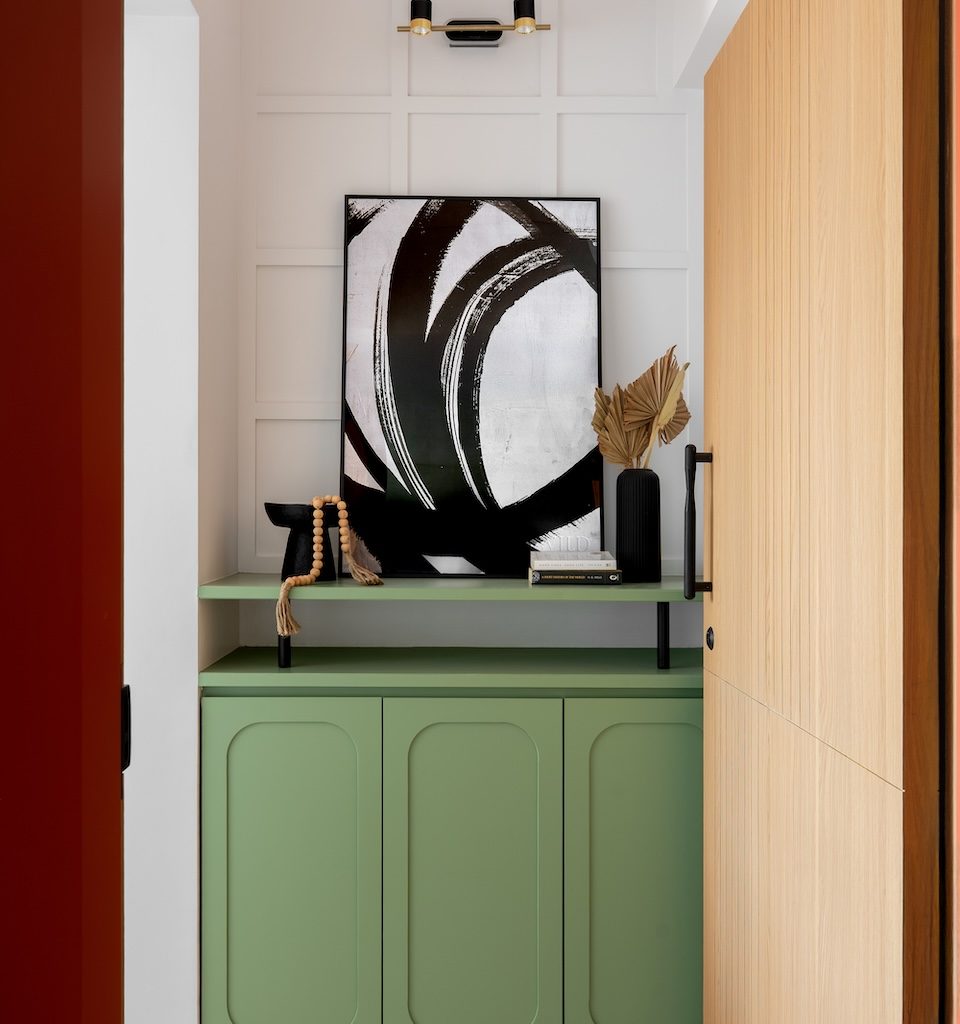
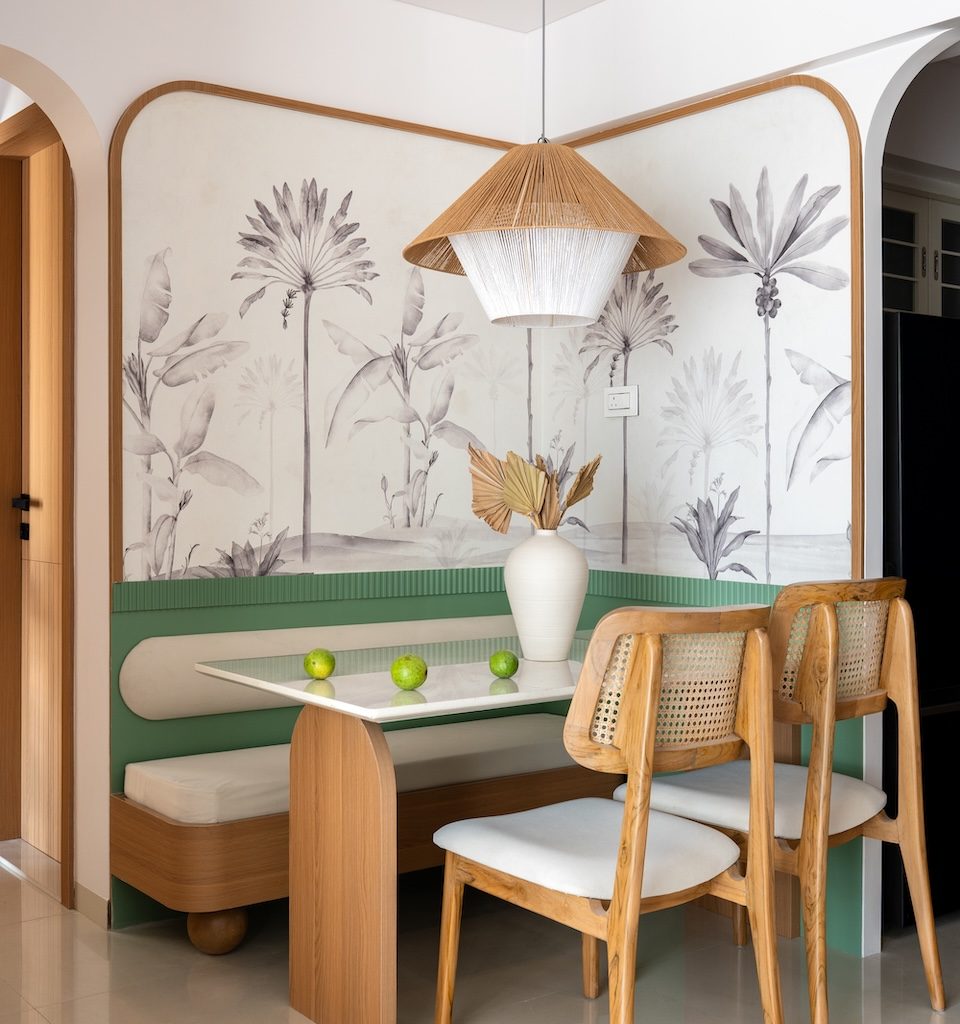
The spatial sequence unfolds intuitively, beginning with a welcoming foyer anchored by a green-toned console that sets the tone for the home’s warm, contemporary language. From here, the layout transitions into the living room, which flows seamlessly into the dining area. The dining nook connects directly to the balcony, allowing natural light to penetrate deep into the interior and establishing a subtle indoor–outdoor relationship. Adjacent to this zone is the kitchen, planned for efficiency while maintaining visual continuity with the home’s soft, earthy palette. Beyond lies the family room—an intimate, multifunctional space with a window seating nook and compact work desk, supporting both relaxation and focused tasks. The private zones follow, with the master bedroom conceived as a serene retreat, complemented by its own balcony. The sequence concludes with the powder room and master toilet, both refinished to align with the updated material language.
The material palette
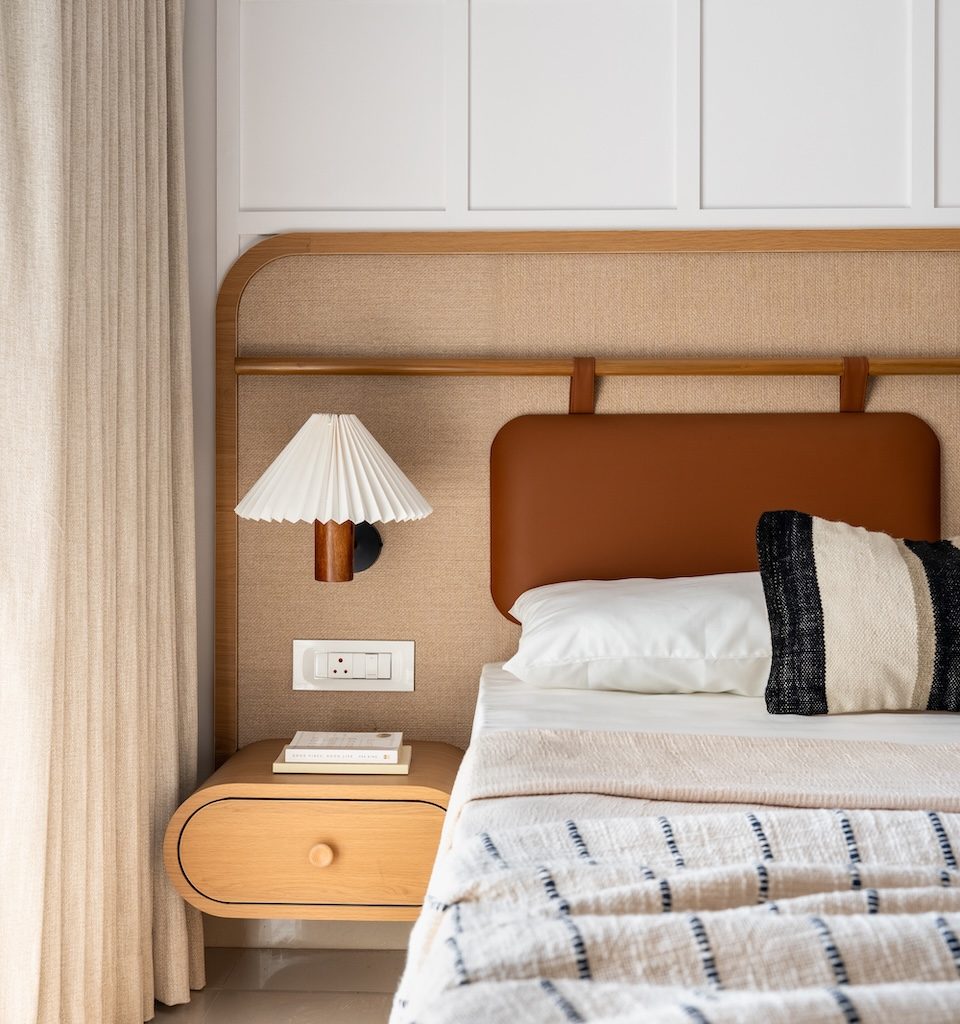
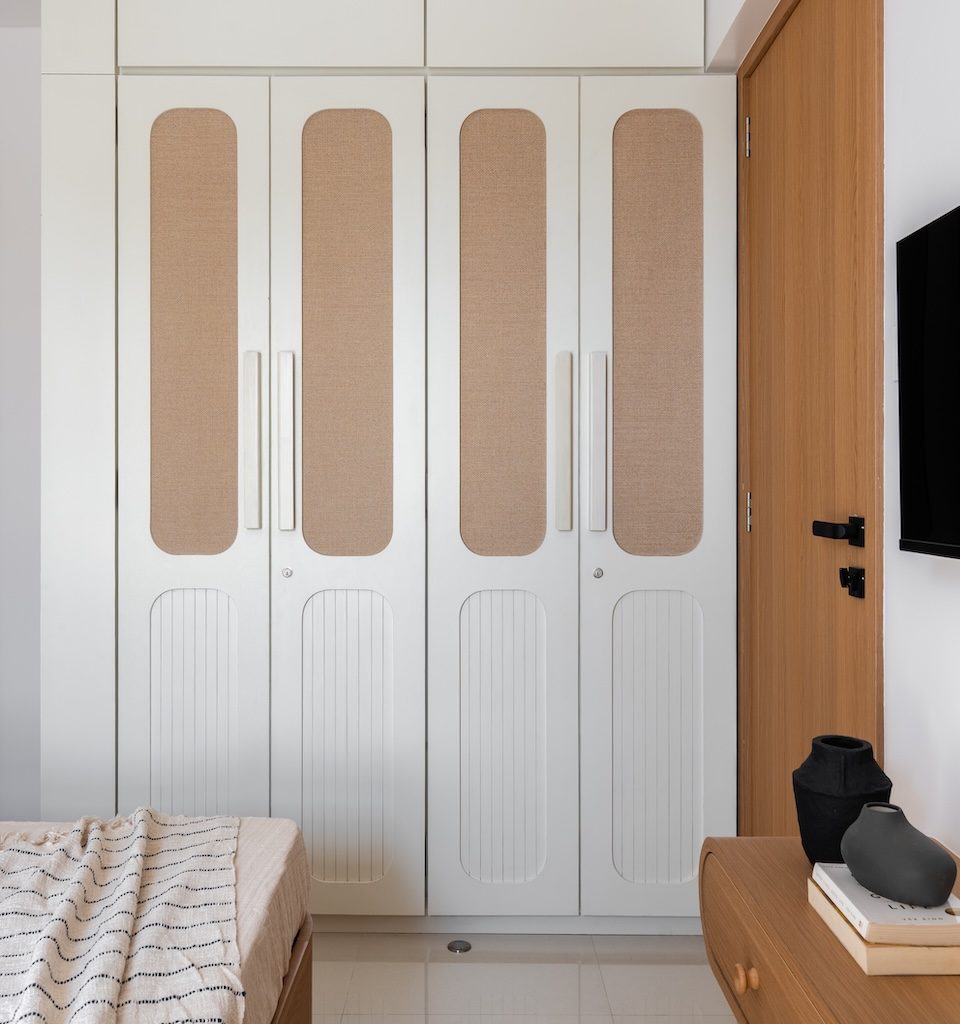
The material palette reflects a balanced blend of warmth, texture and quiet sophistication. Soft-toned laminates form the base across major surfaces, offering durability while maintaining a clean, contemporary aesthetic. PU-painted finishes introduce smooth, refined planes on cabinetry and accents, elevating detailing without visual heaviness. MS pipes are used sparingly to introduce slender, modern lines that contrast gently with softer materials. Natural cane adds warmth, tactility and artisanal character, softening the modern framework and grounding the interiors in material honesty. Together, these elements create a cohesive environment where functionality and craftsmanship coexist effortlessly.
The challenges
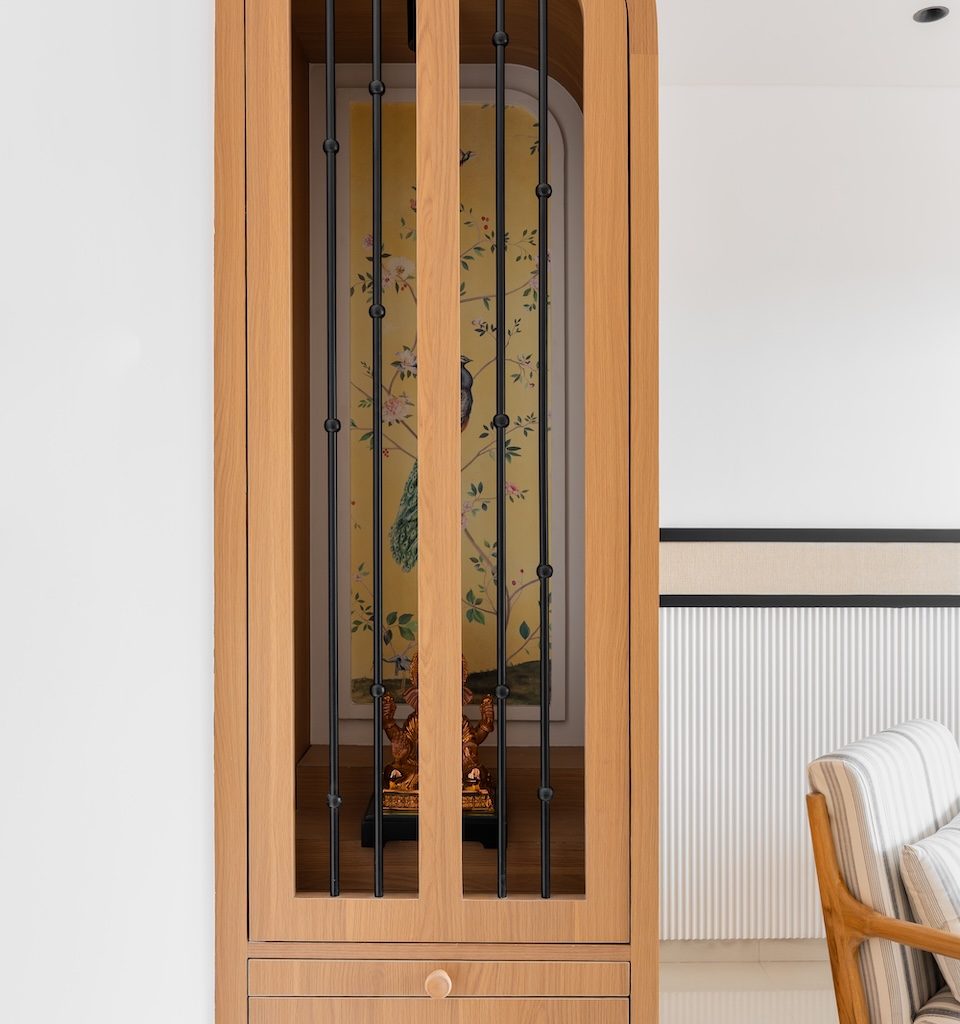
Working within a compact footprint was the project’s primary challenge. Maximising functionality while preserving visual calm required precise spatial planning and custom detailing. Accommodating a dedicated puja unit—an important requirement for the homeowners—within limited space demanded careful consideration of circulation, storage and proportions. Through thoughtful optimisation and bespoke solutions, the puja nook was integrated seamlessly, feeling intentional rather than inserted.
The highlights
The foyer stands out as a defining moment within the home. Despite its modest size, it makes a strong first impression through its carefully curated elements, particularly the green console that introduces colour, warmth and character at the threshold. The space exemplifies how proportion, restraint and detail can give even the smallest areas a strong design identity.
The takeaway
The Calm Nest reinforces the idea that constraints can inspire creativity. The project demonstrates how clarity of intent, tailored details and carefully chosen materials can elevate compact living. It reaffirms Studio Raama’s belief that well-considered design has the power to transform any space—regardless of size—into a place of comfort, meaning and quiet elegance.
Fact file
Project: The Calm Nest
Design firm: Studio Raama
Area: 700 sq ft
Location: Pune, Maharashtra
Principal designer: Aman Tank
Add a Comment