
In Kolkata, Design Research and Workshop (DR&W) undertakes an adaptive reuse project that transforms a 50-year-old family bungalow into a contemporary office while preserving its emotional and architectural legacy.
Curated by: Deepa Nair
Photographs: Vivek Eadara; courtesy Design Research and Workshop (DR&W)
The premises
In the bustling heart of Kolkata, a modest 50-year-old bungalow has found new life without losing its soul. Once home to a Rajasthani family who migrated to the city generations ago, the structure now serves as the headquarters of a company secretary firm run by a member of the same lineage. Rather than sell, abandon, or rebuild, the family chose to honour their emotional and architectural inheritance by allowing the home to evolve—retaining its spirit even as its purpose changed. Under the thoughtful direction of architect Jay Shah and his team at Design Research and Workshop (DR&W), the house was sensitively transformed into a workplace that celebrates continuity over change…where memory and modernity coexist in a beautiful marriage.
The brief
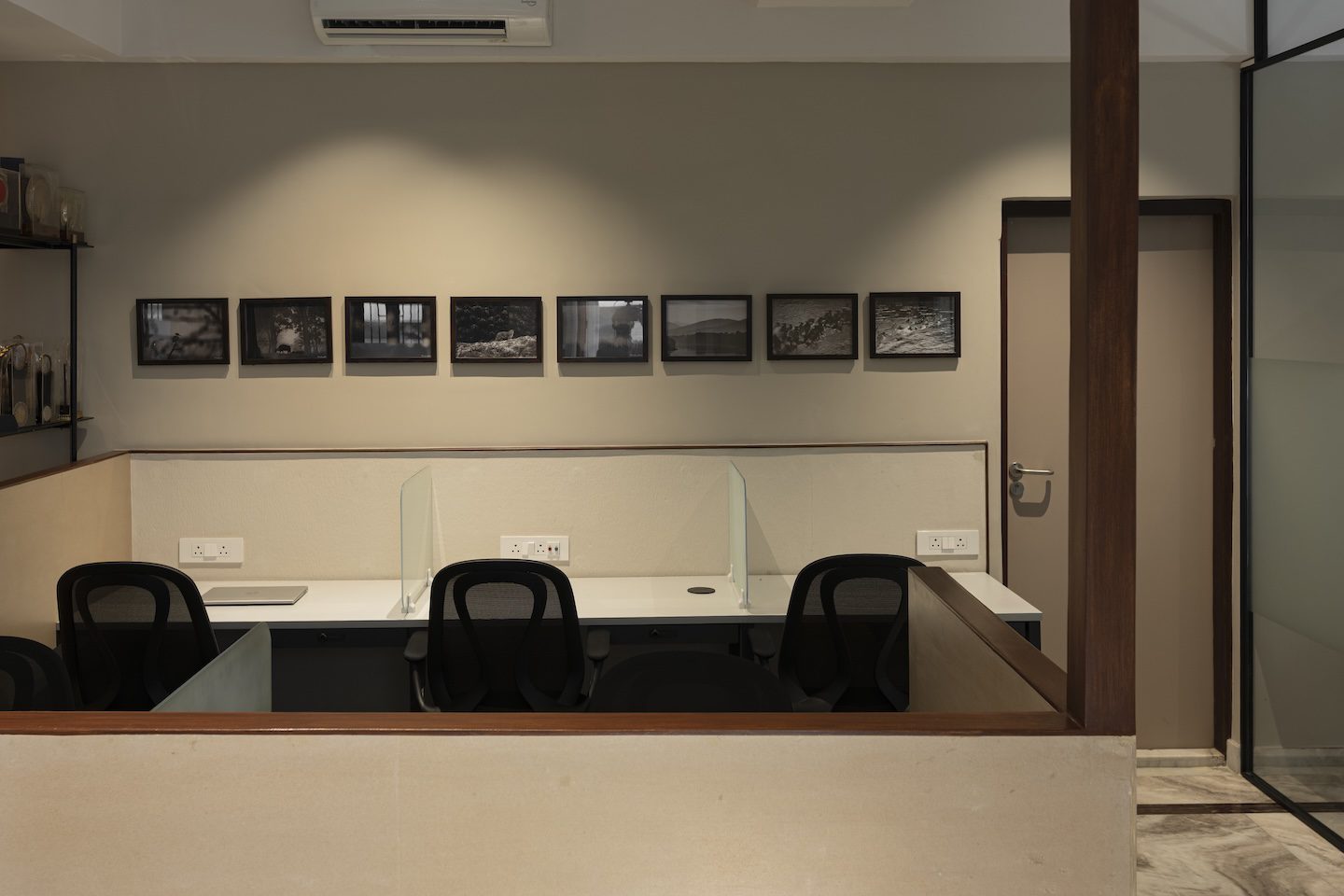
The original bungalow, modest in scale yet rich in sentiment, held decades of layered memories. Preserving this sense of spatial memory became central to the brief. The challenge was to integrate the programmatic needs of a contemporary office that required open workstations, private cabins, meeting rooms, and collaborative zones. All of this had to be achieved without diluting the emotional integrity or altering the architectural character of the bungalow.
The design intent
“This project is not just a story of adaptive reuse; it is a meditation on continuity. It shows how buildings can evolve without erasure, how memories can shape modernity, and how sustainability can be both emotional and environmental,” explains Jay Shah. “Every corner of this building speaks—of what was, of what is, and of what will continue to be. In a time of disposable architecture, this project stands apart as a careful act of care, of memory, and of making anew—a house turned into an office, a home transformed into an archive, and a legacy built to last,” he adds.
The revival
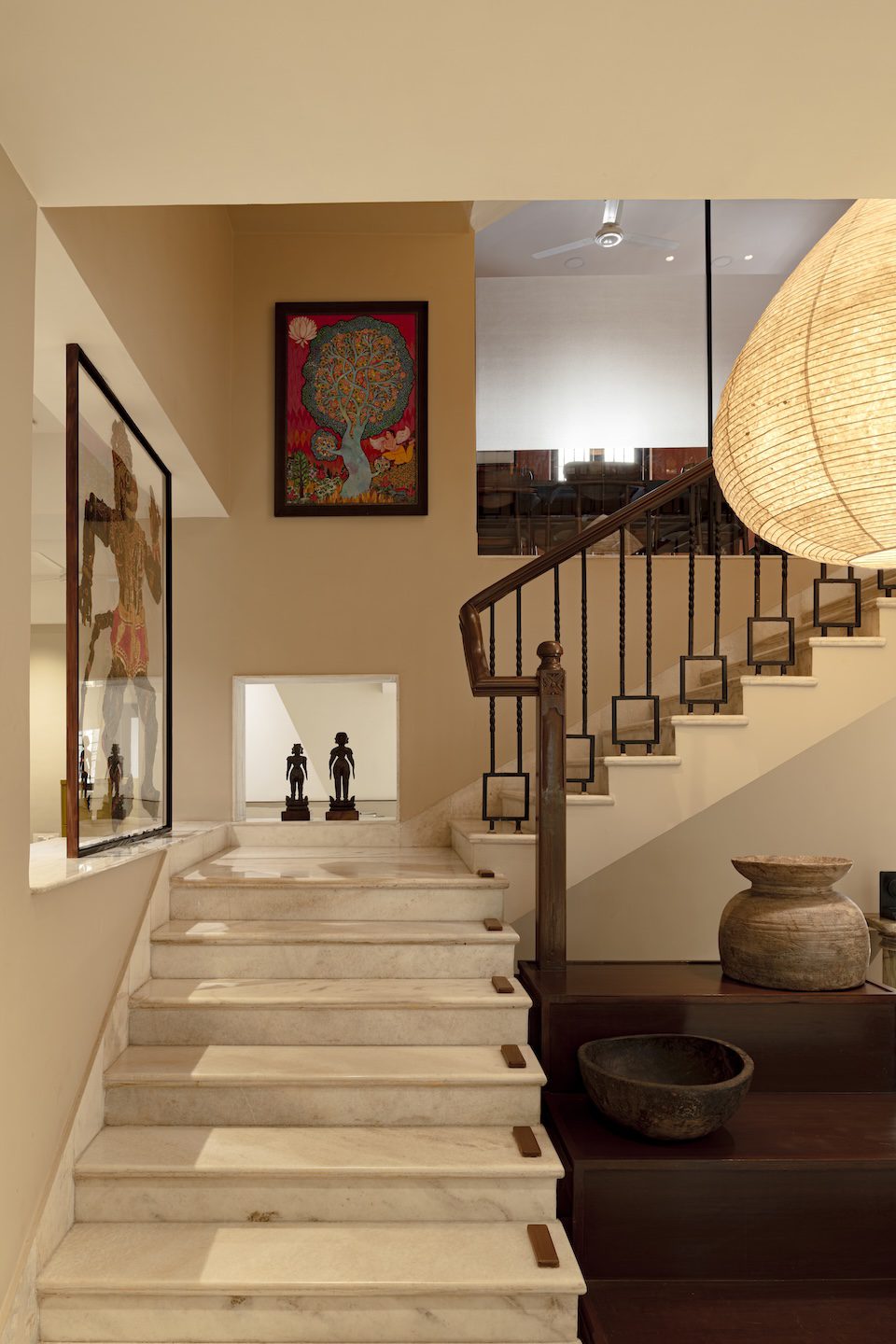
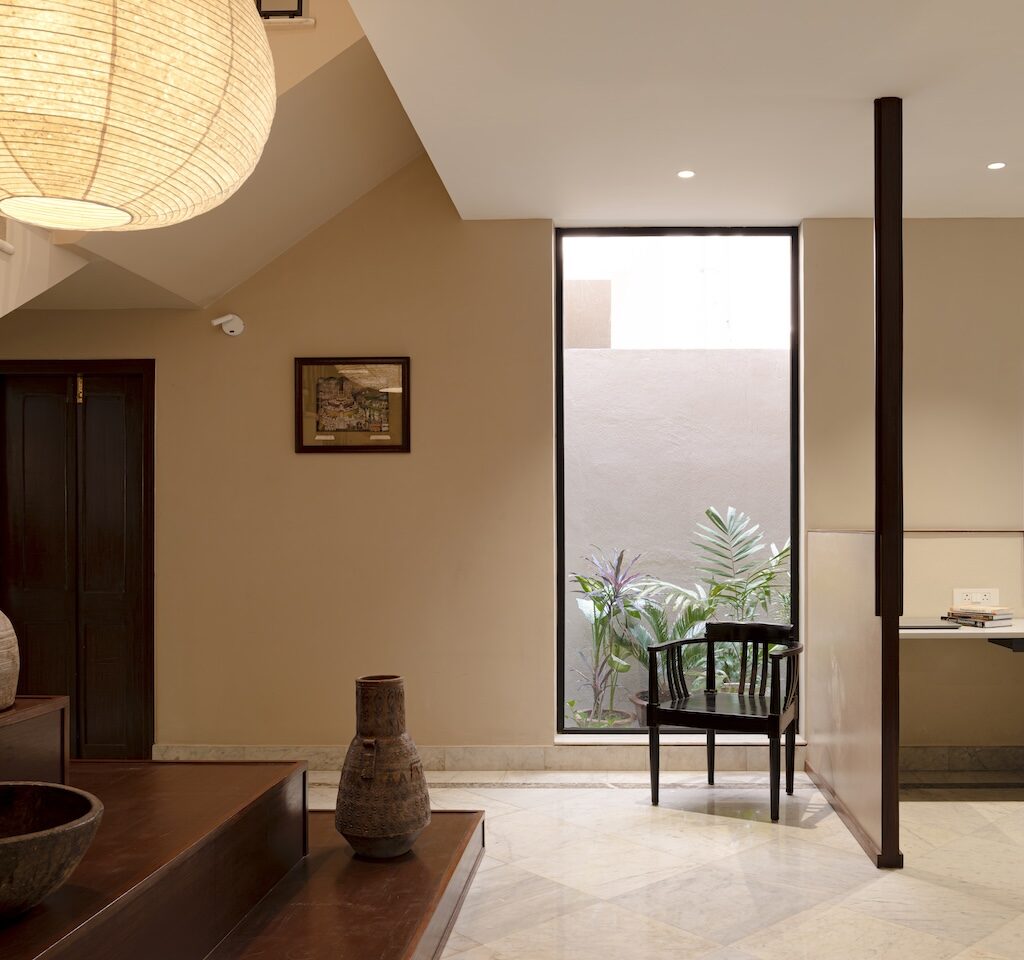
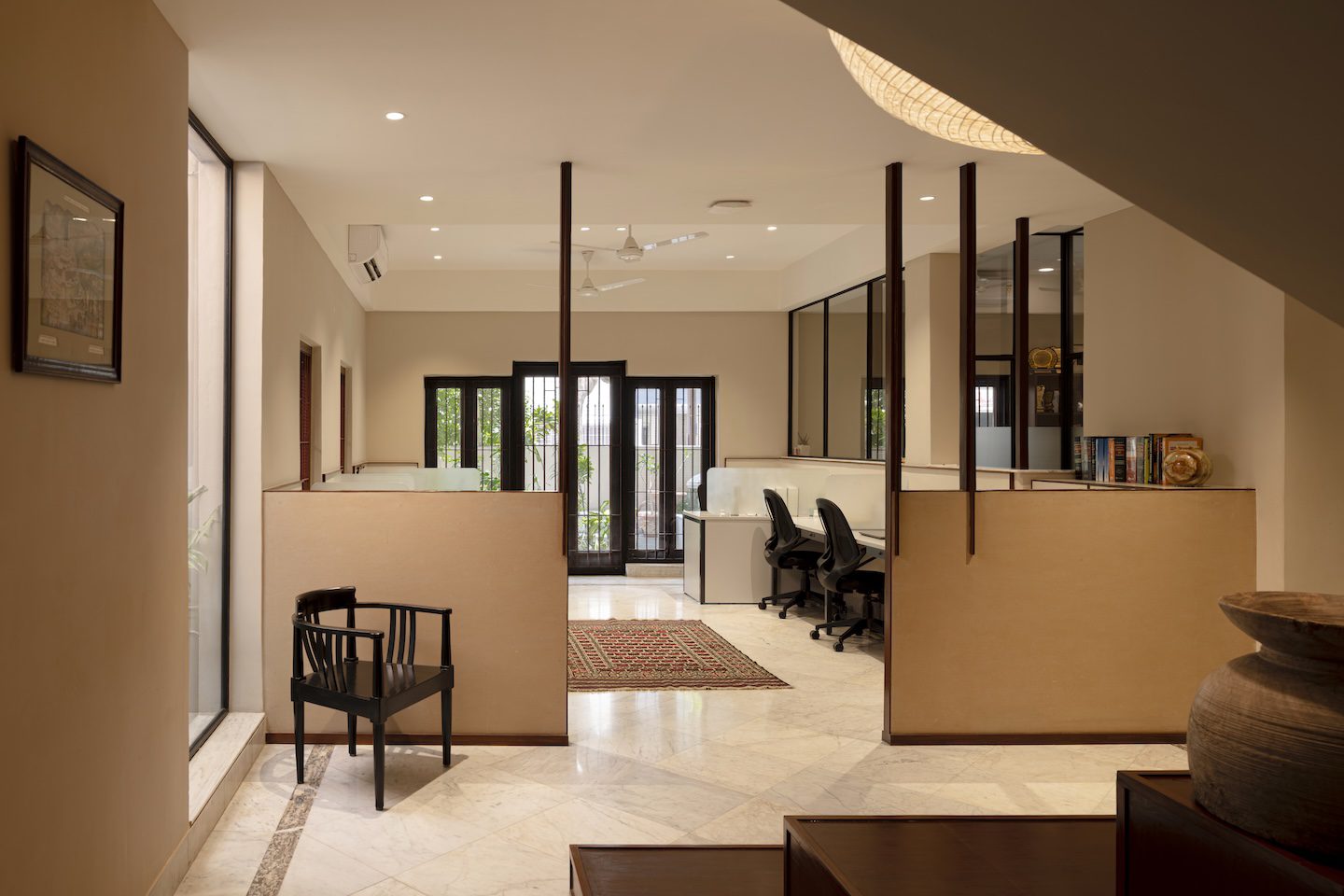
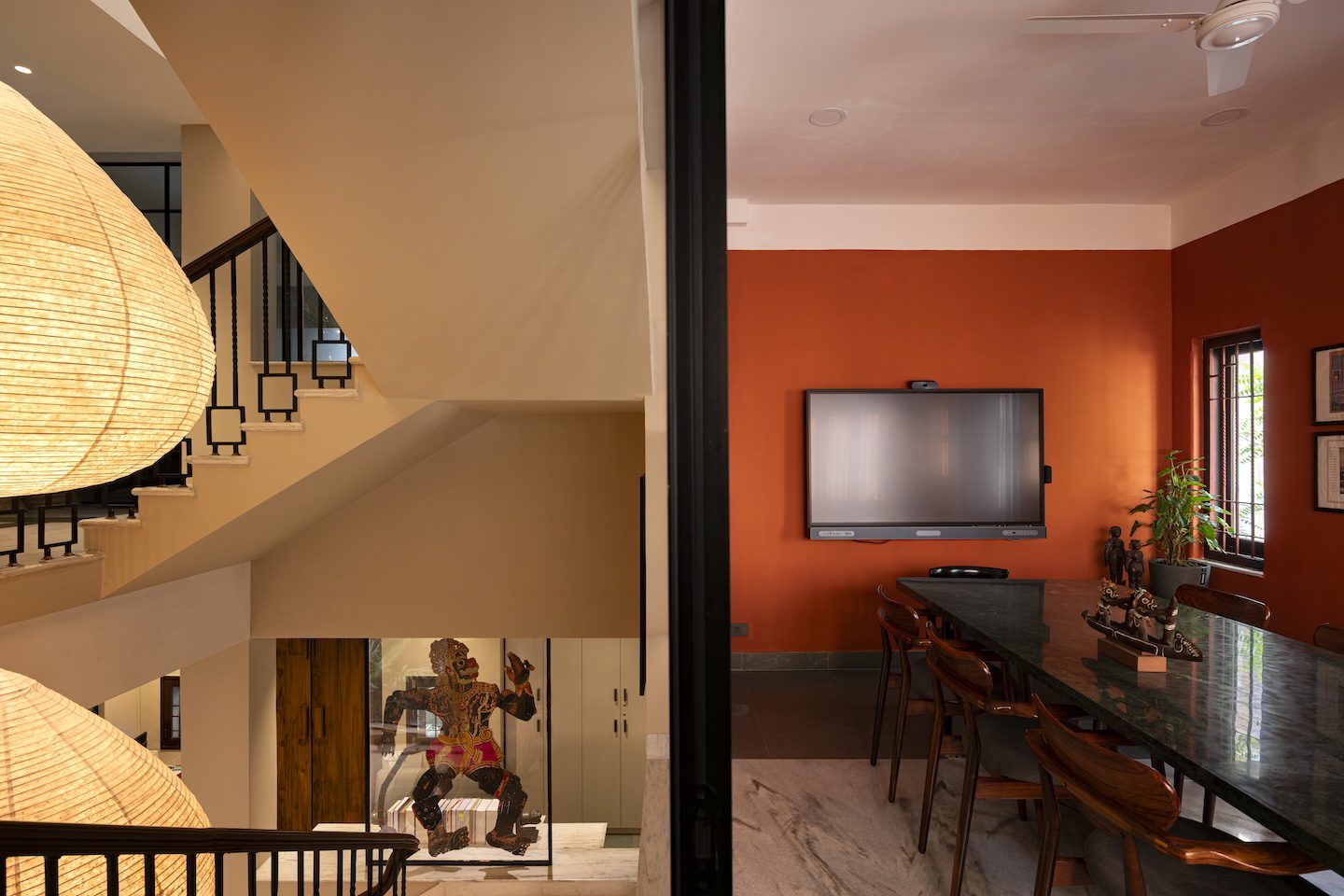
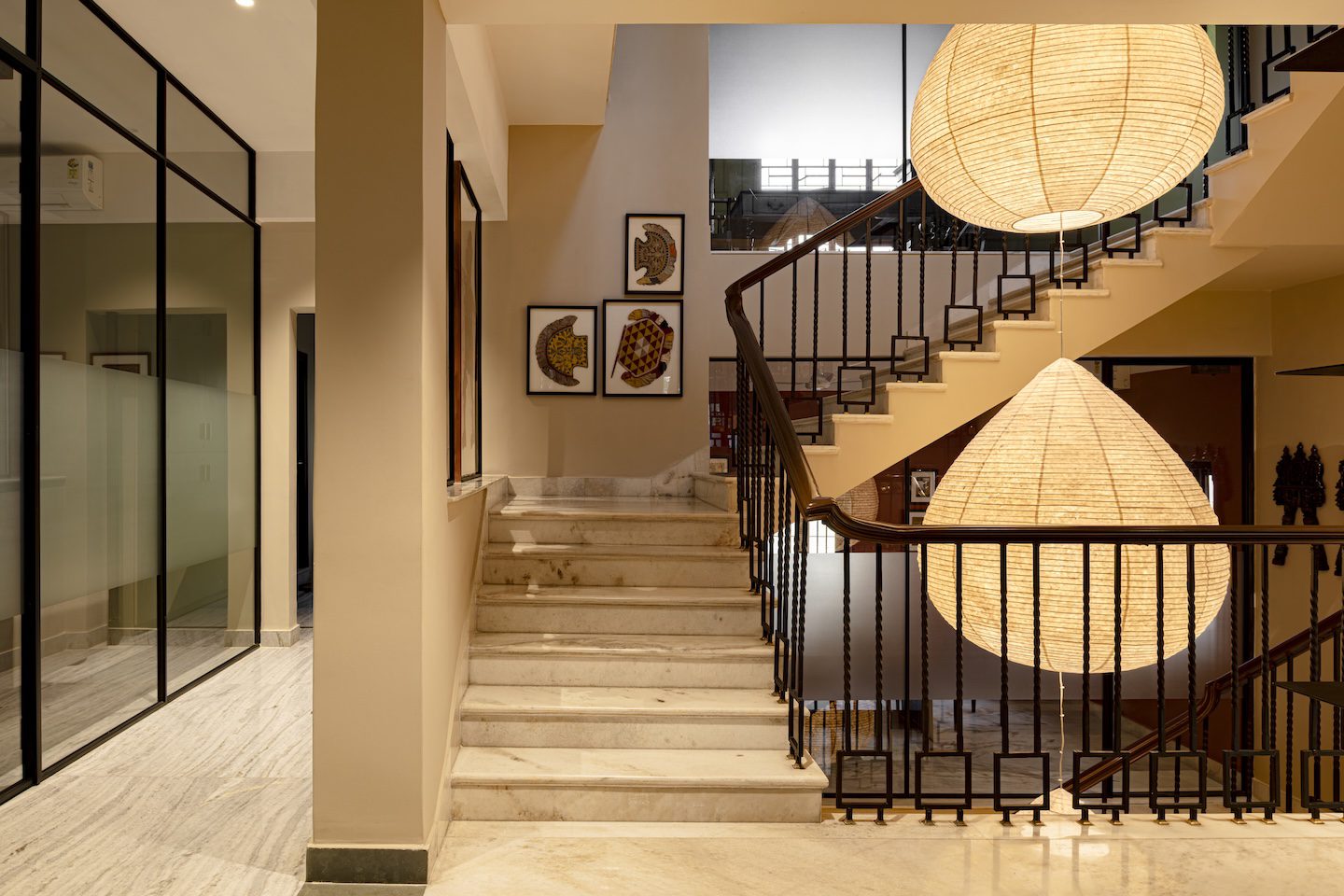
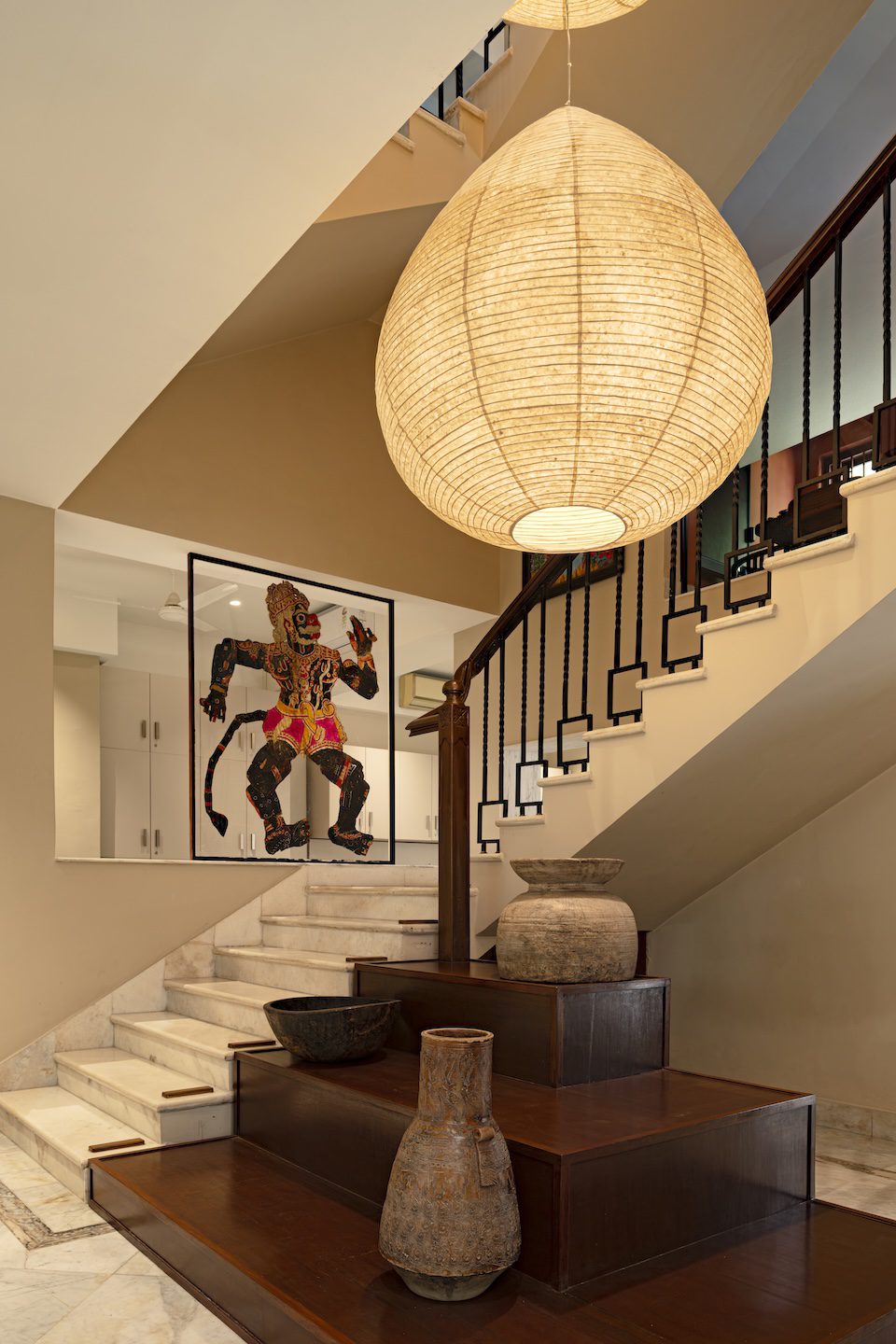
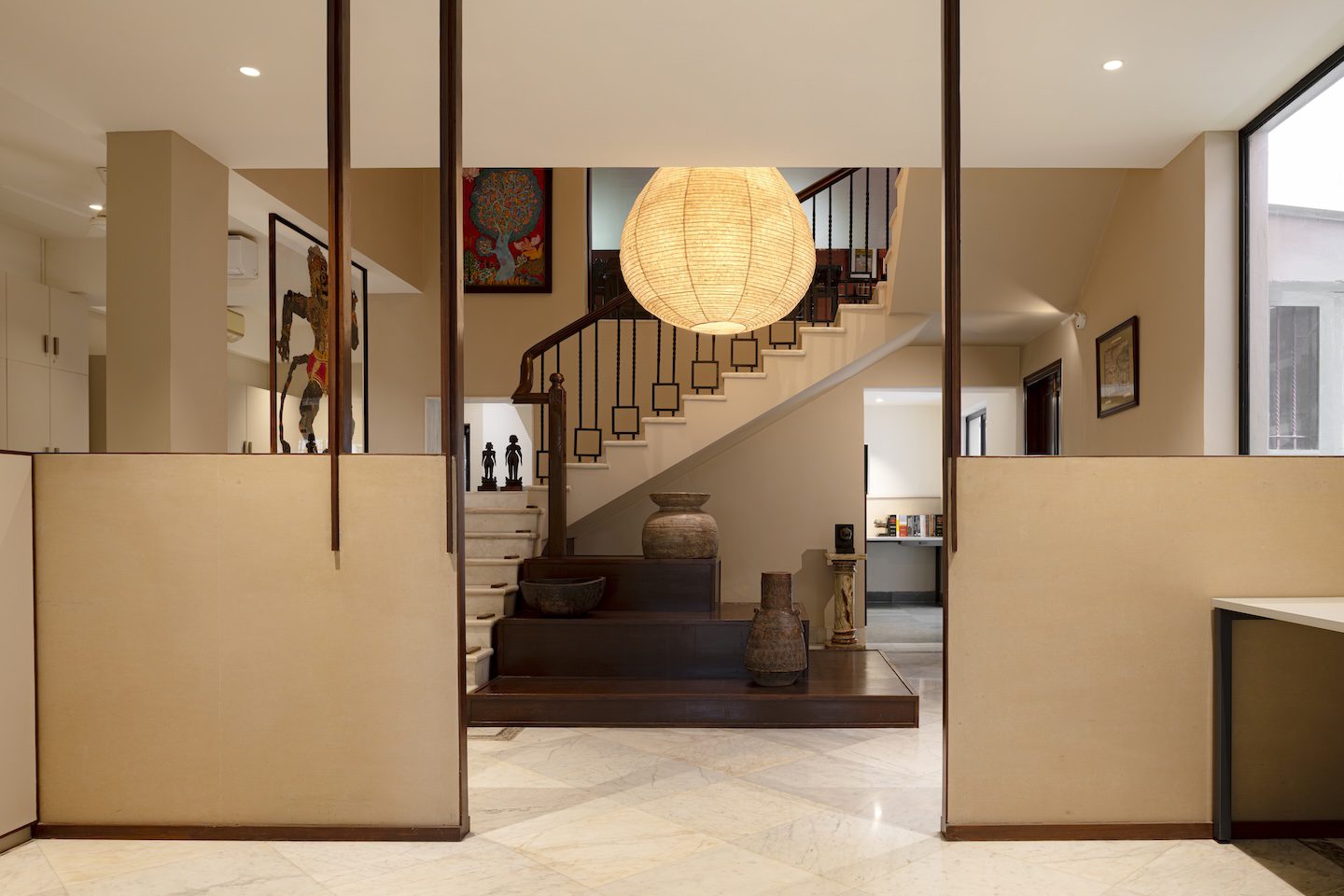
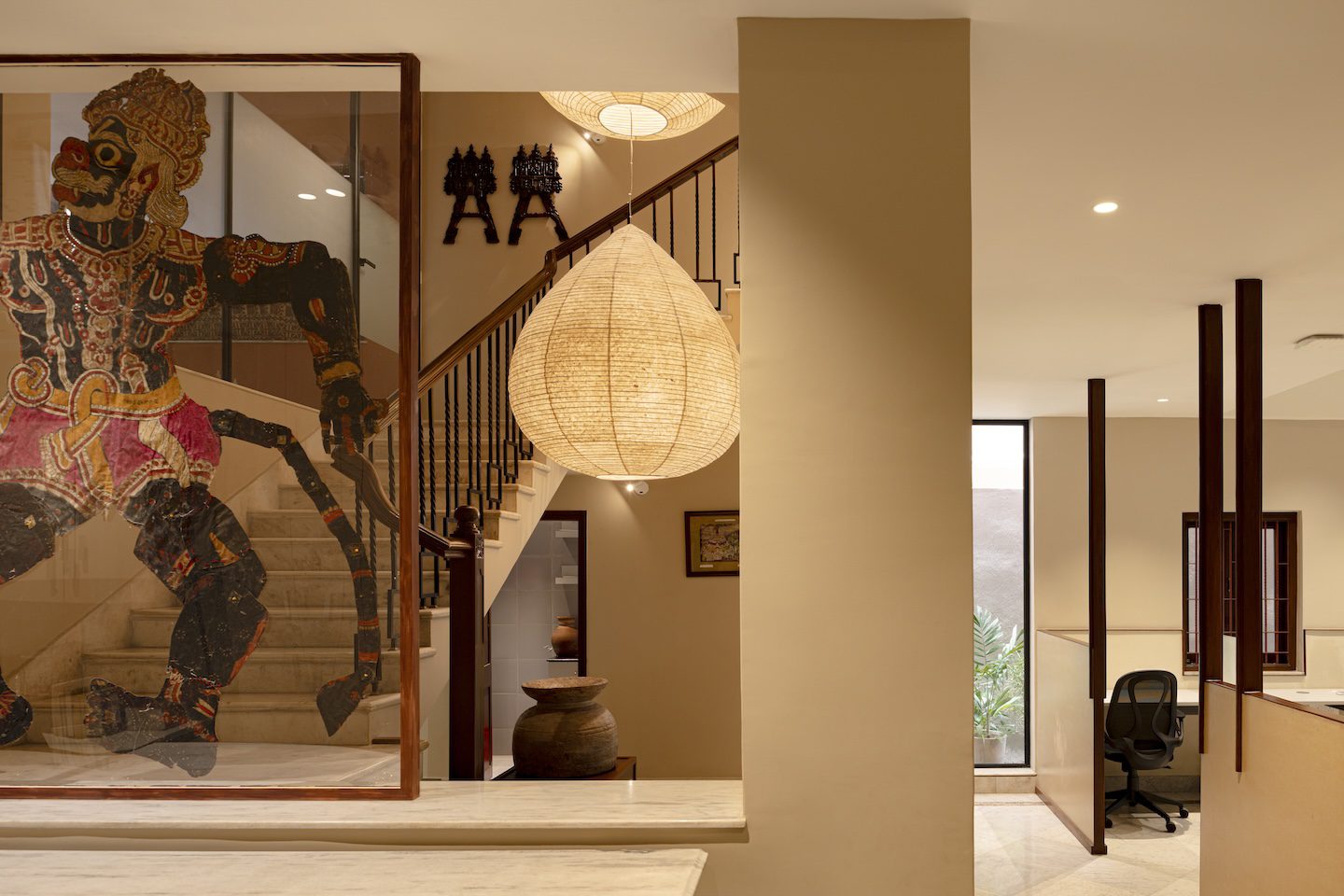
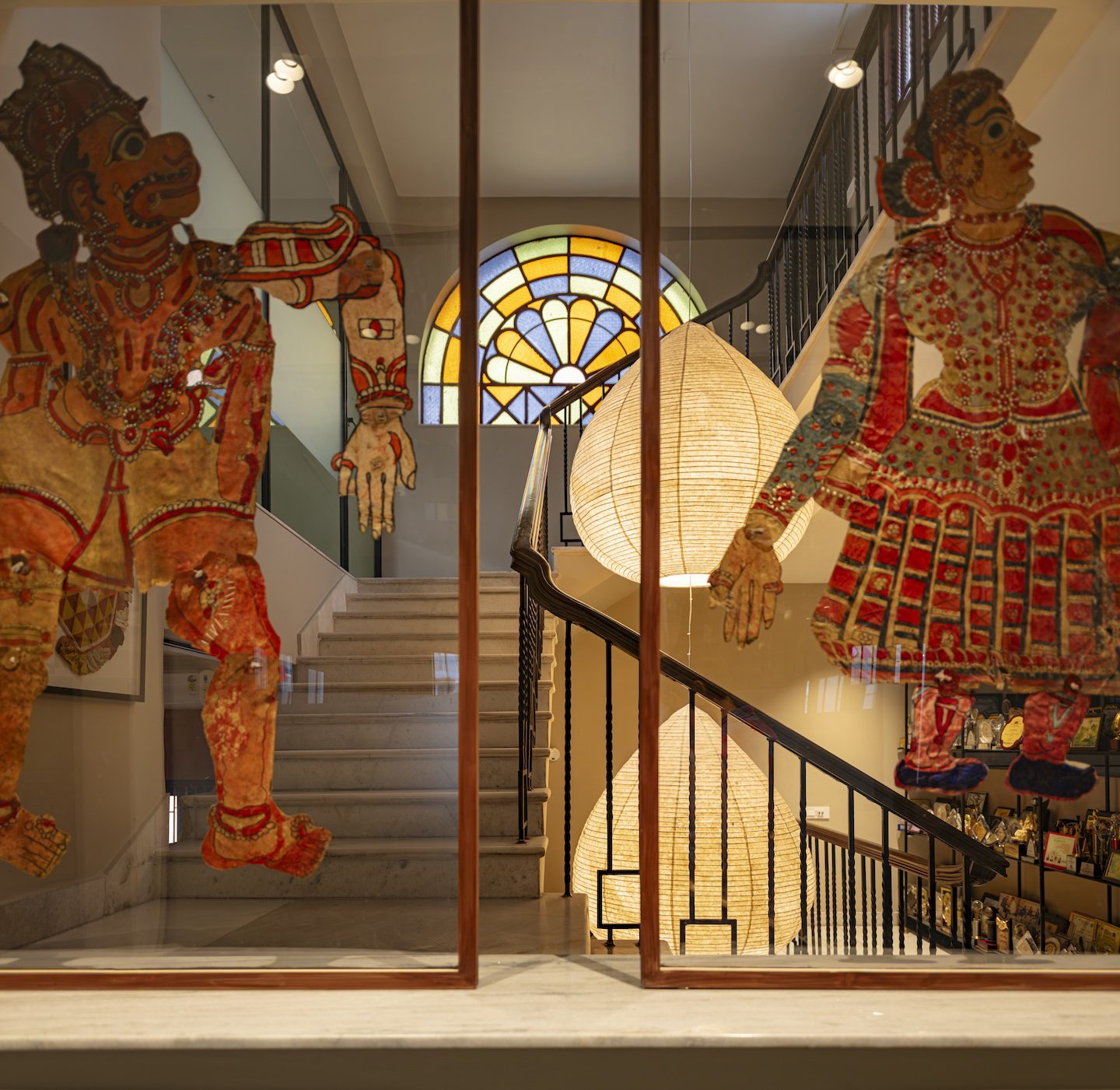
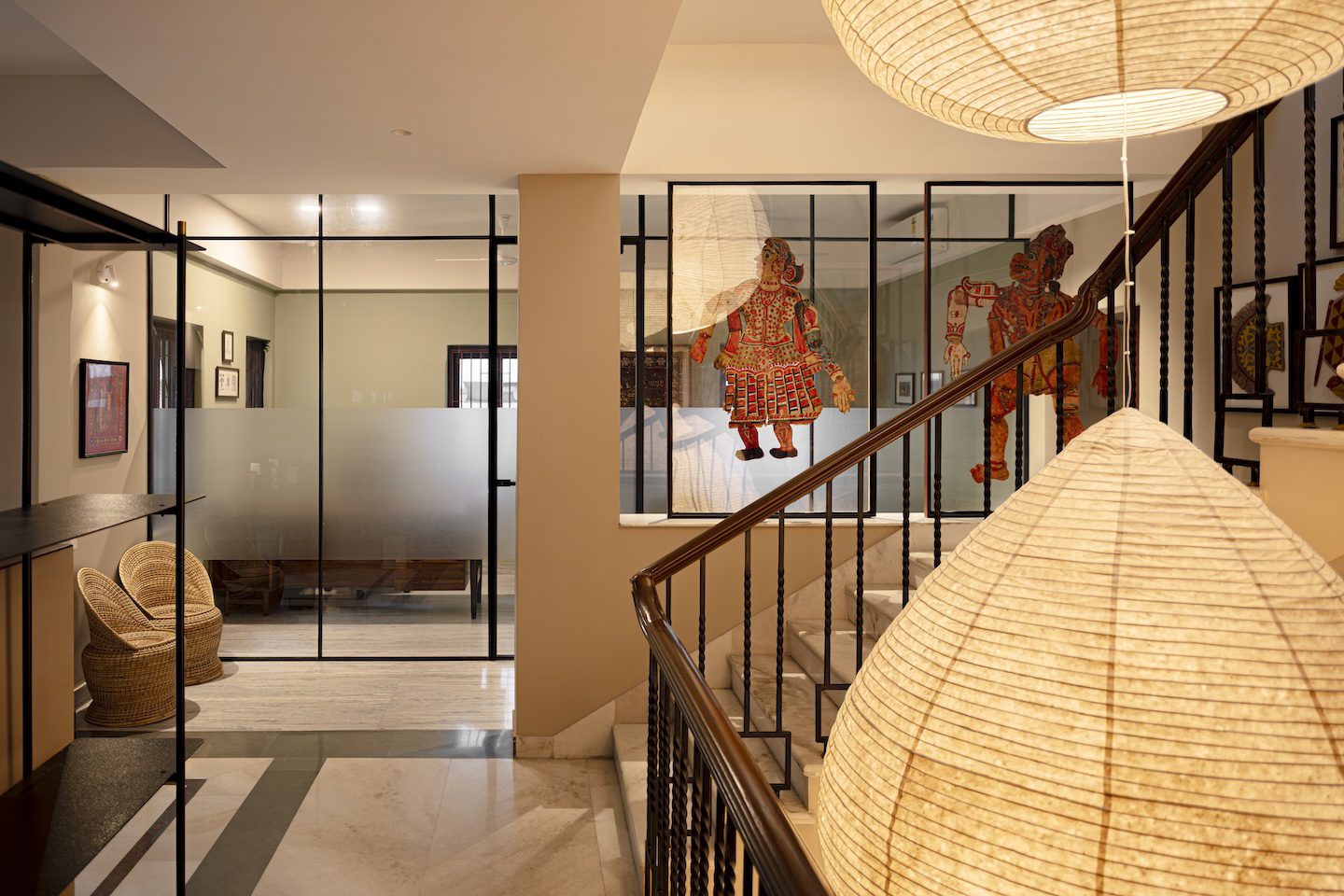
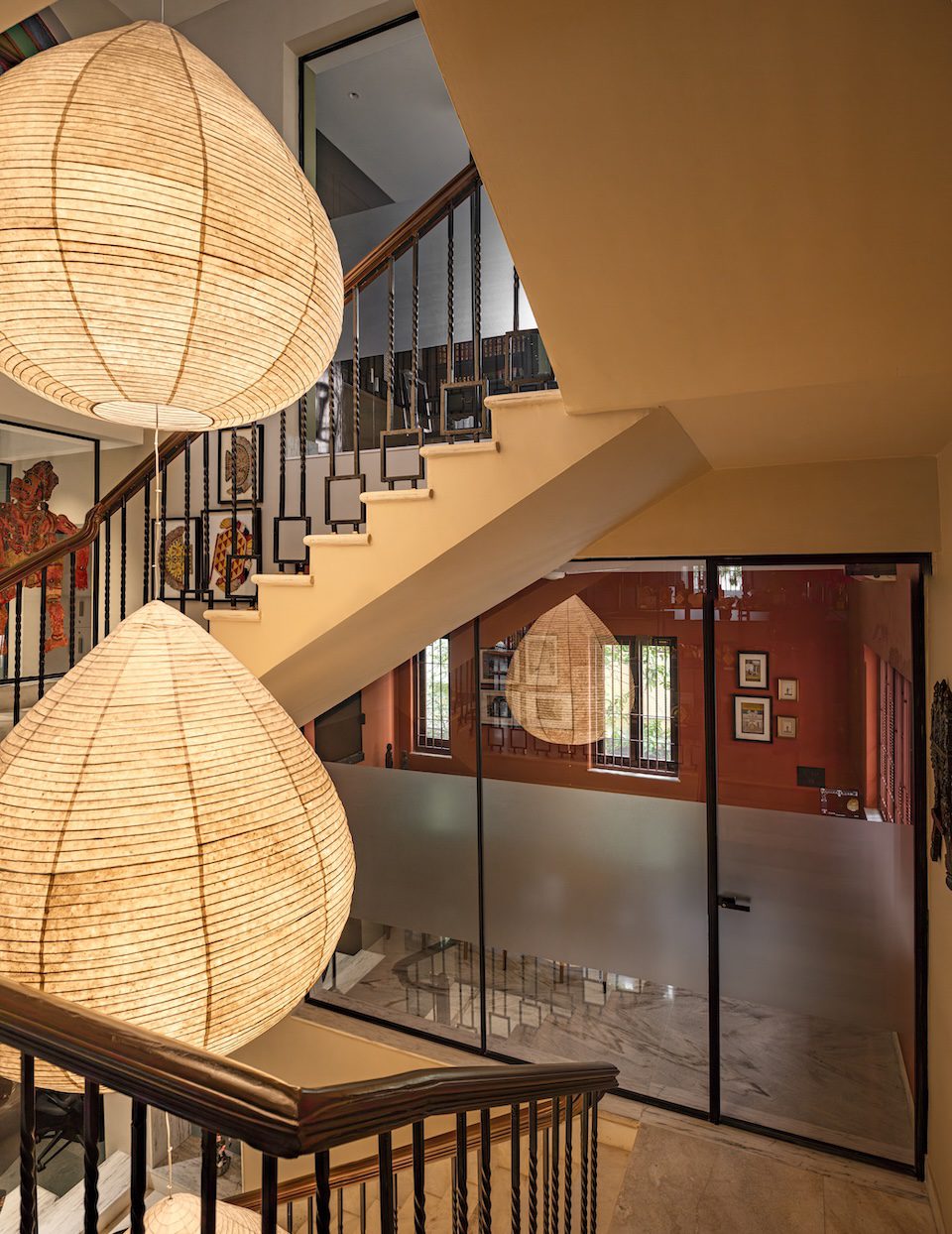
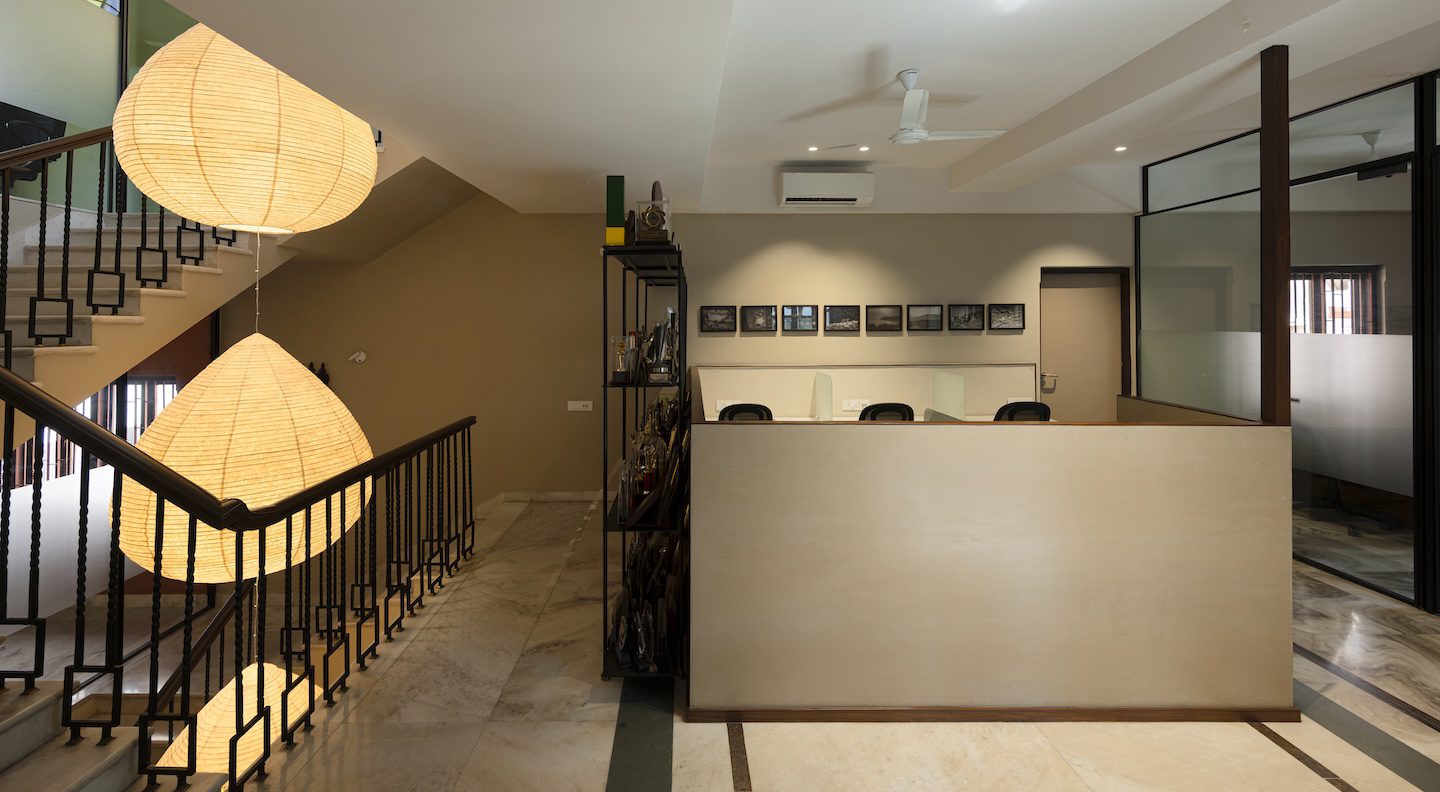
At the core of the building stood the old staircase, once a vertical spine of the home. It has now been reimagined and extended into a wooden amphitheatre that serves both symbolic and functional purposes. This new insert forms a warm gathering space for meetings, informal celebrations, and everyday rituals. Openings were introduced in key walls to allow greater interaction between levels and to bring the surrounding landscape into the heart of the building.
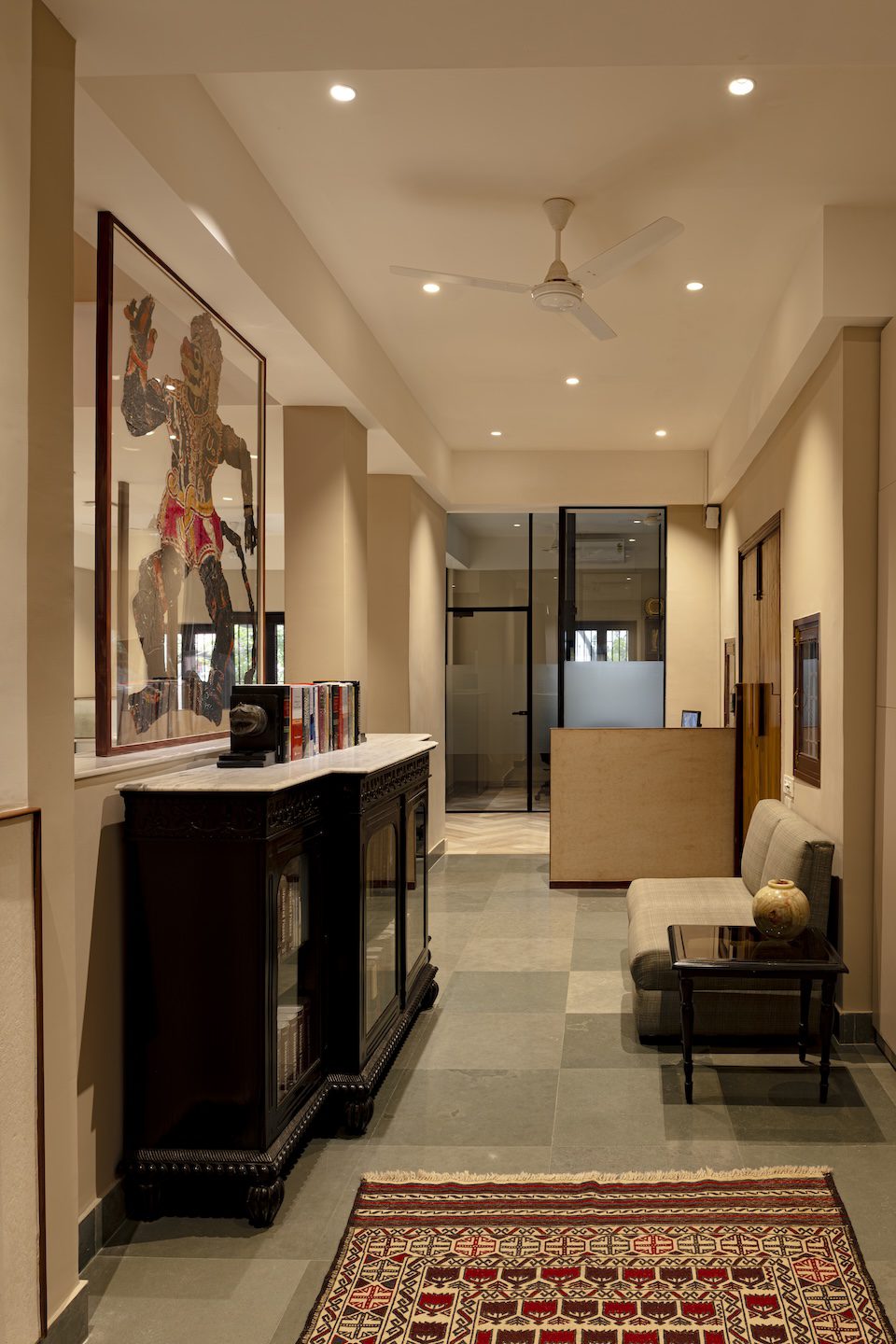
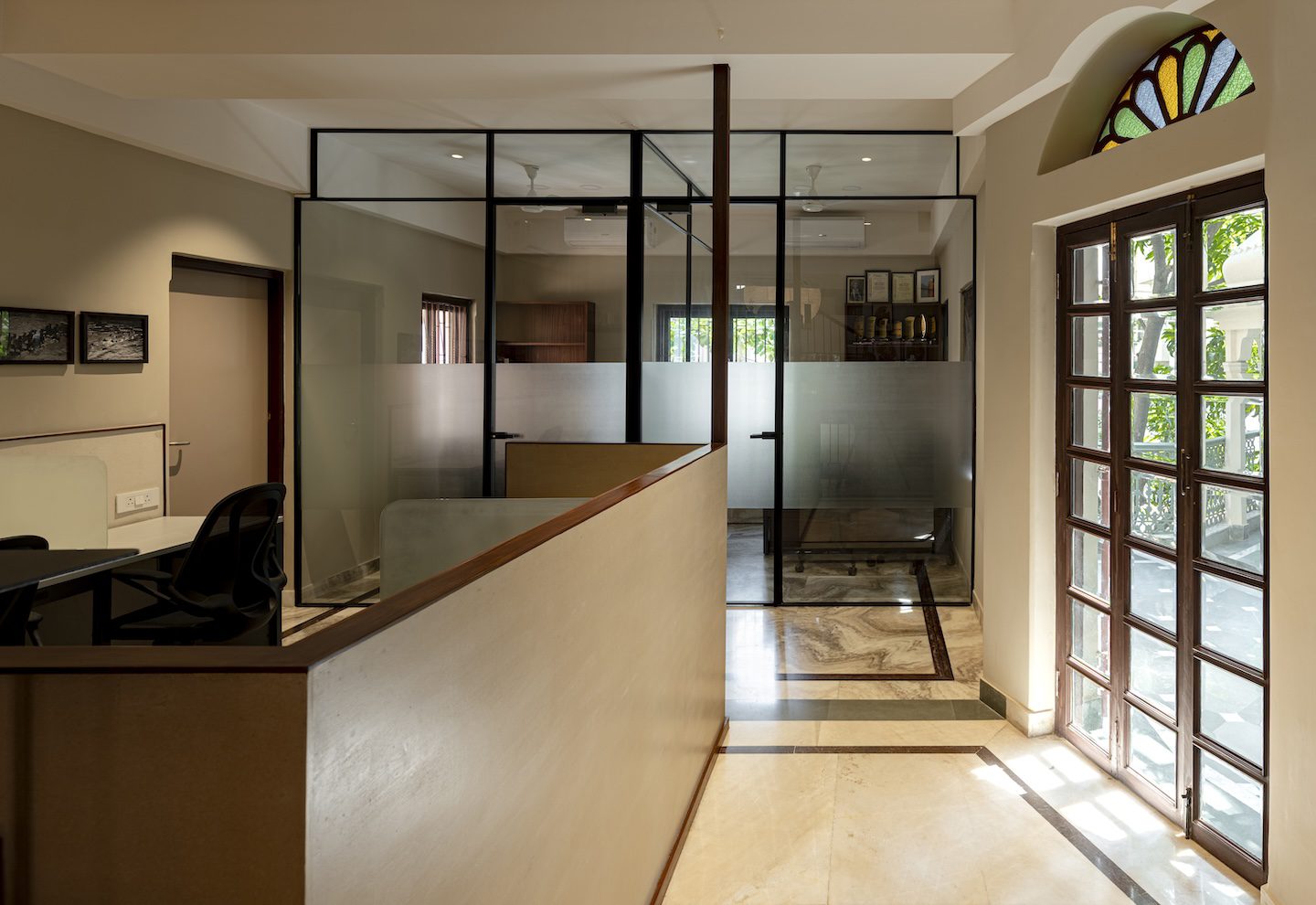
Walls were removed thoughtfully to create large co-working and discussion areas. Where walls were demolished, infill stone flooring trace the memory of the original layout, subtly revealing the old domestic grid beneath the new plan. The intent was never to overwrite the past, but to build upon it.
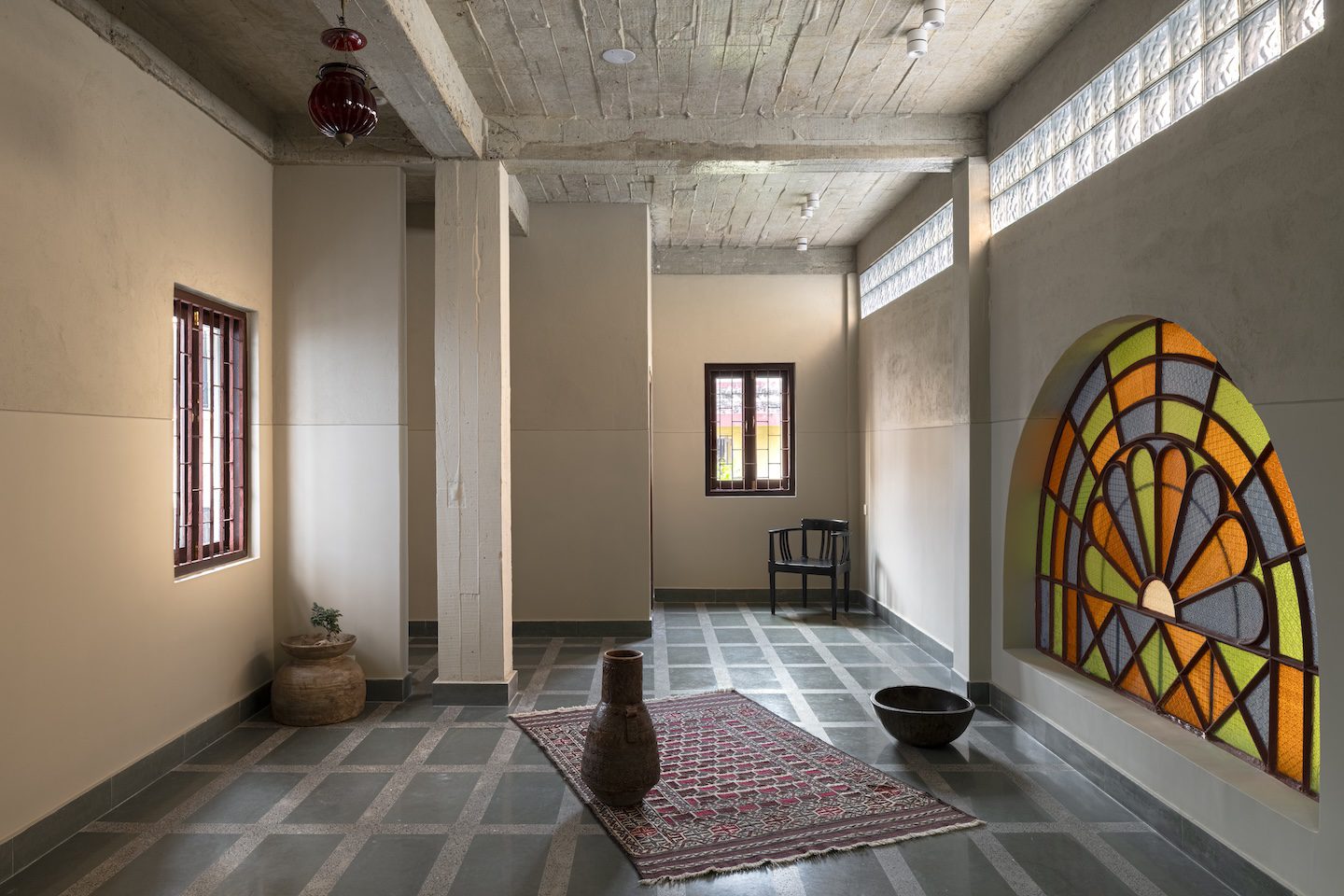
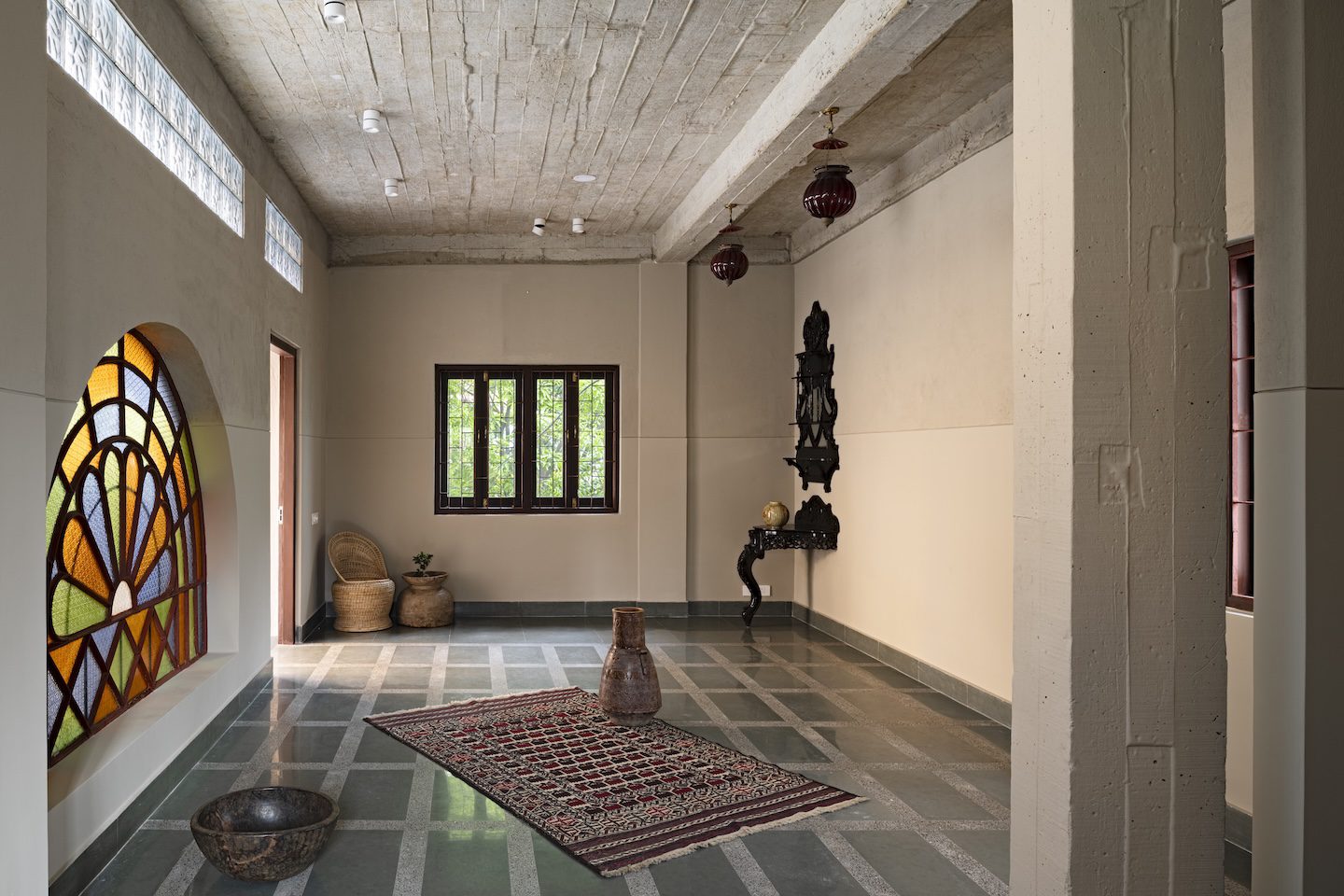
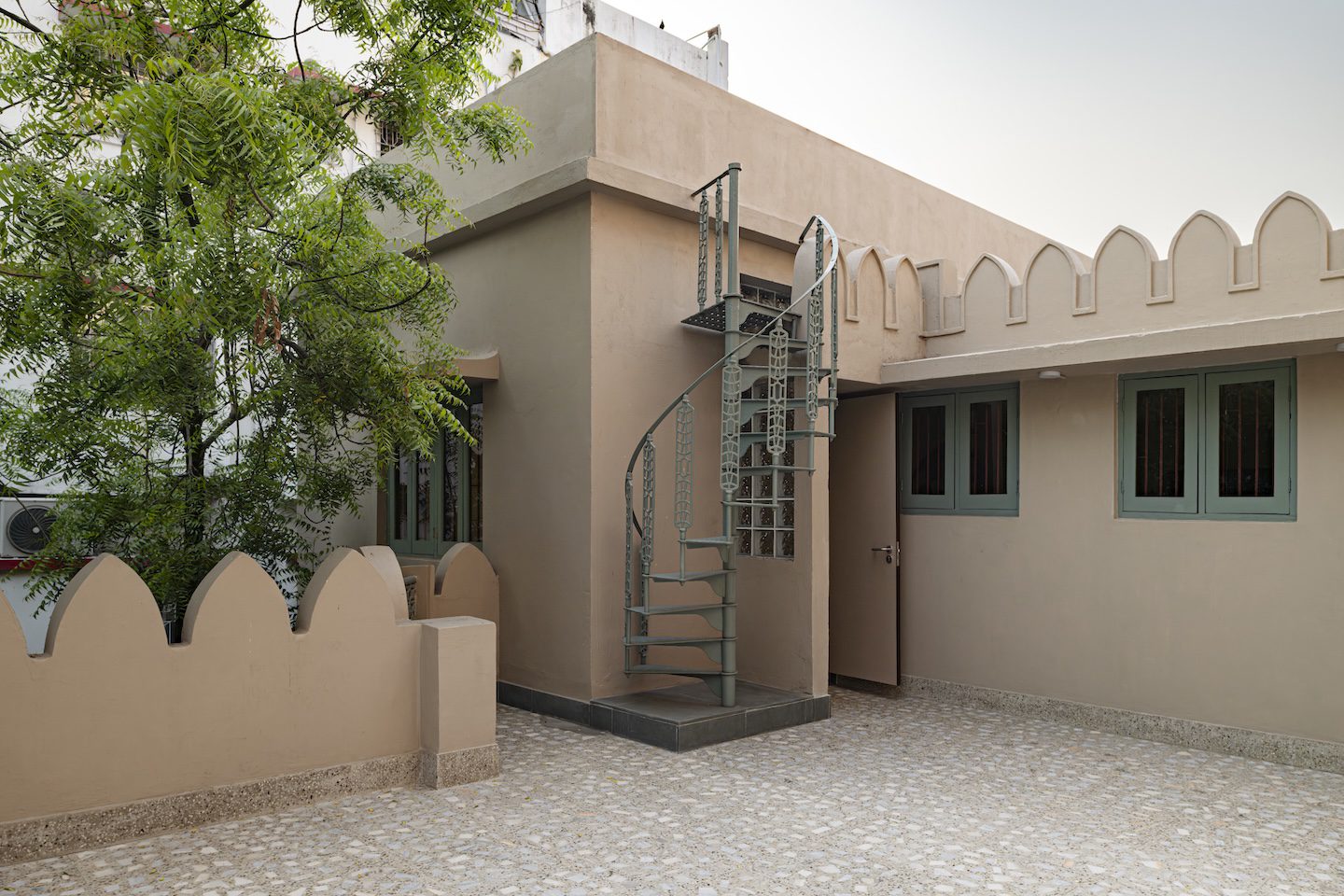
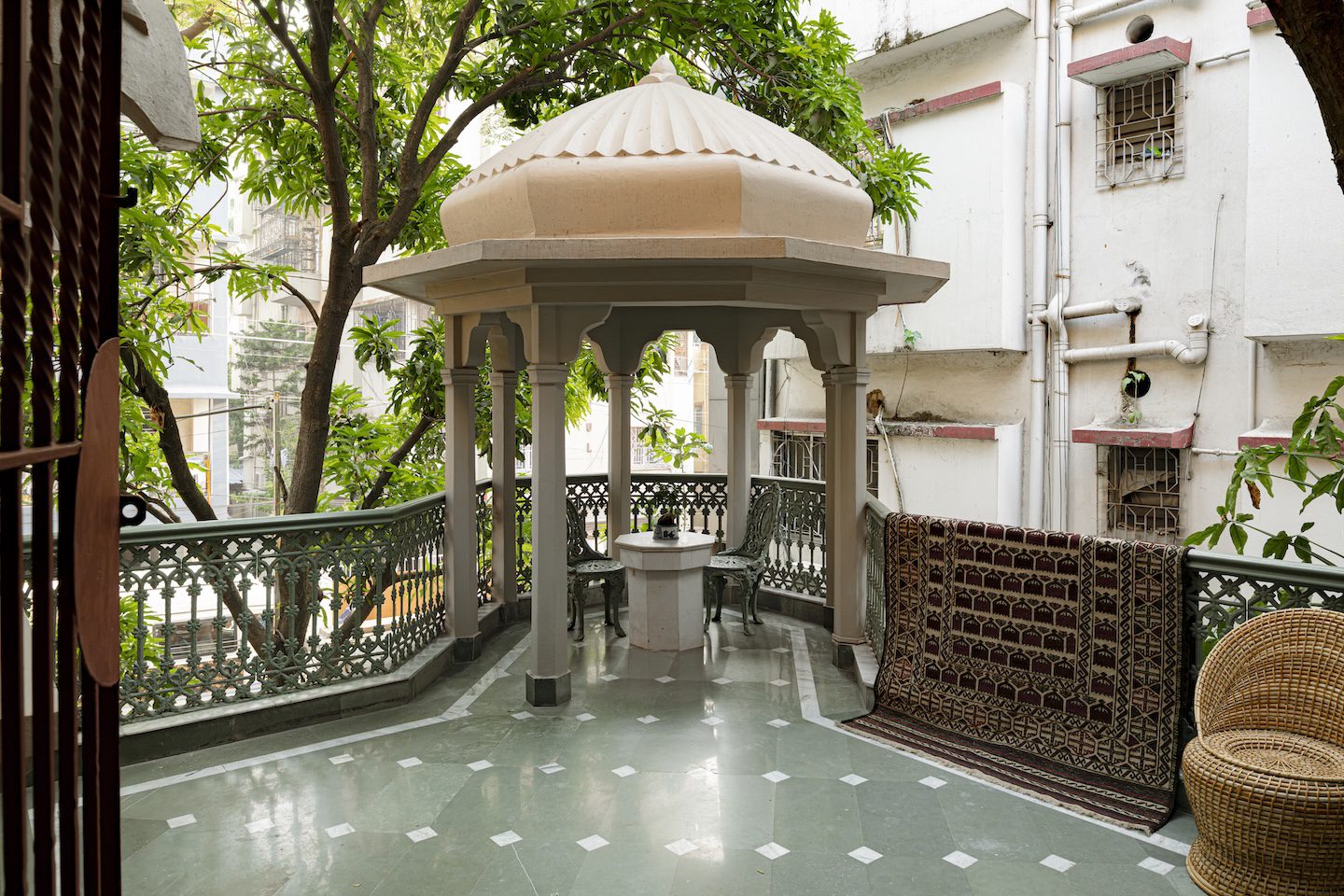
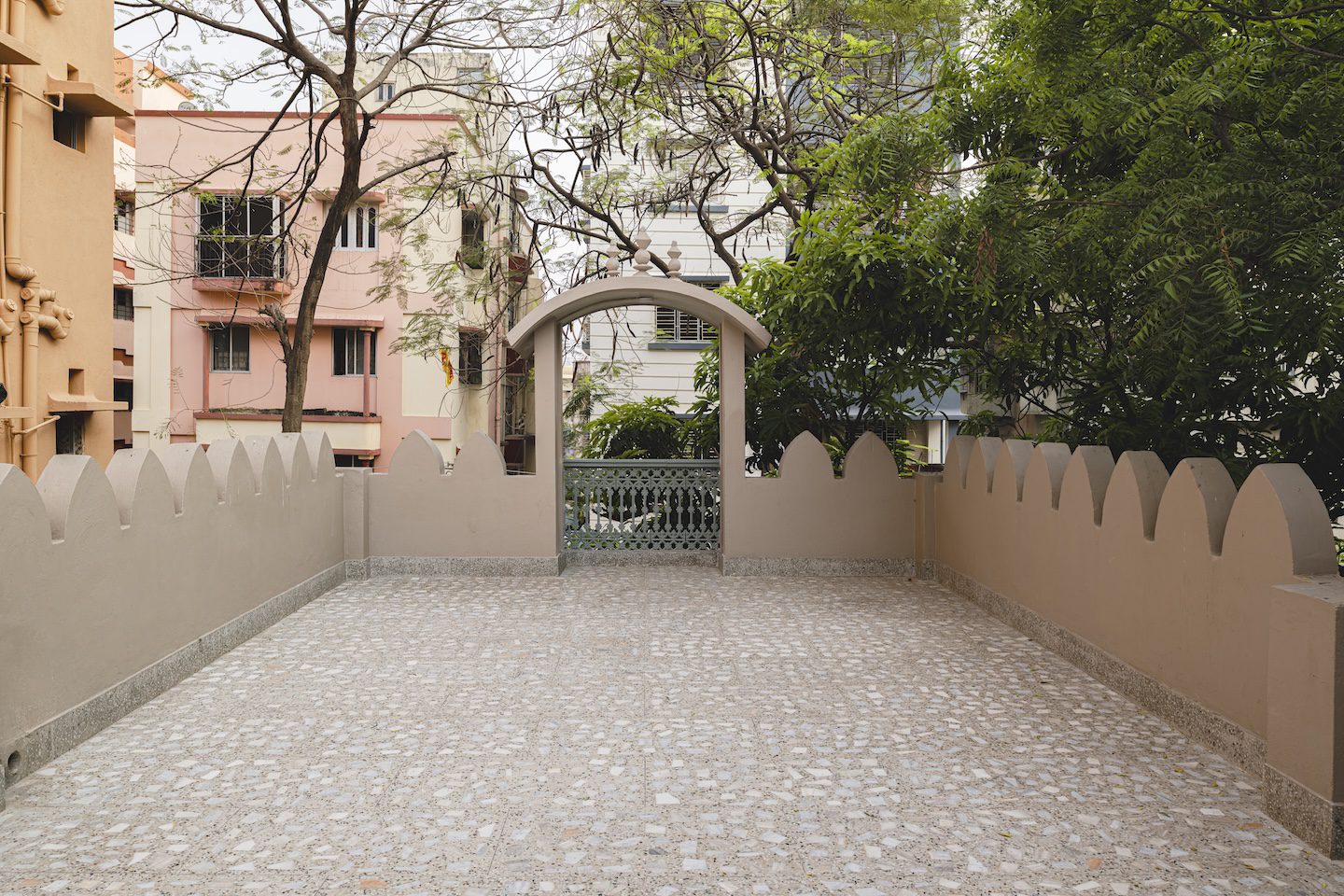
To accommodate future growth, an additional floor—a new concrete volume delicately placed over the old structure—was constructed atop the original terrace. Rather than conceal its contemporary character, the design embraced the contrast. This new extension featuring exposed concrete ceilings, lime-plastered walls, and floors finished in Kota stone and concrete terrazzo mark is in respectful dialogue with the original structure.
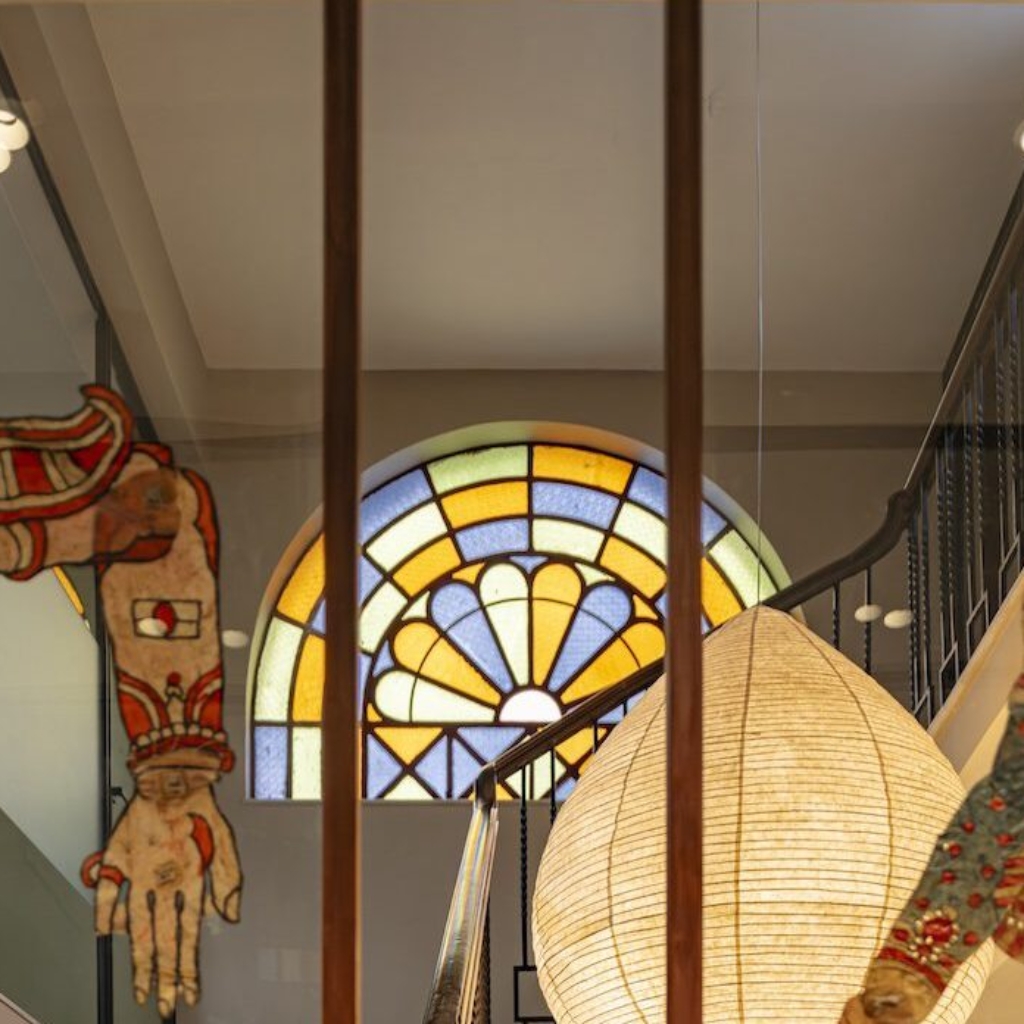
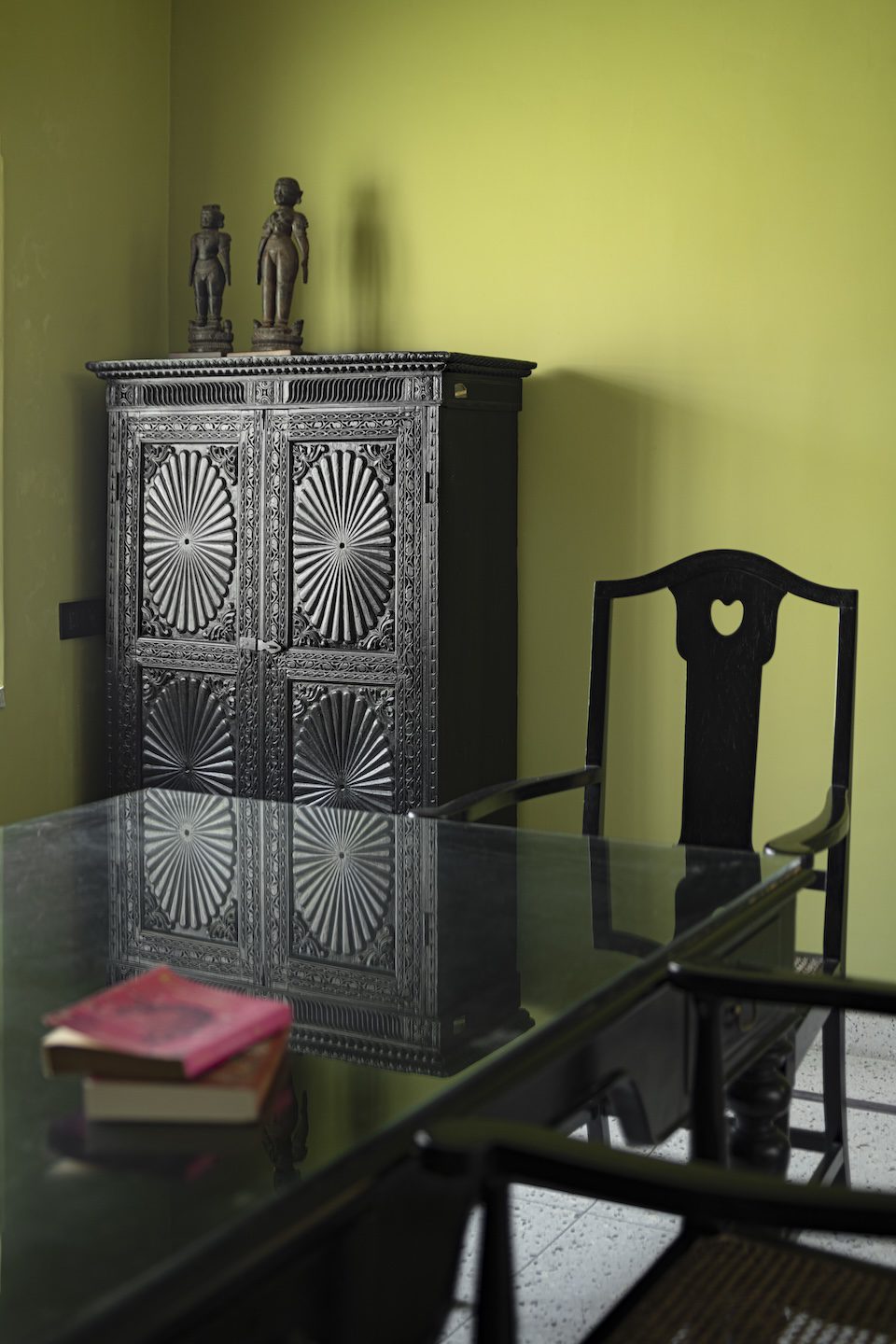
A semicircular stained-glass window, once part of the old terrace wall, was integrated into the new elevation and joined by a line of glass bricks to create a luminous interface between past and present. This meditative zone within the larger office was furnished with antique pieces and handwoven rugs, transforming it into a vessel of memory.
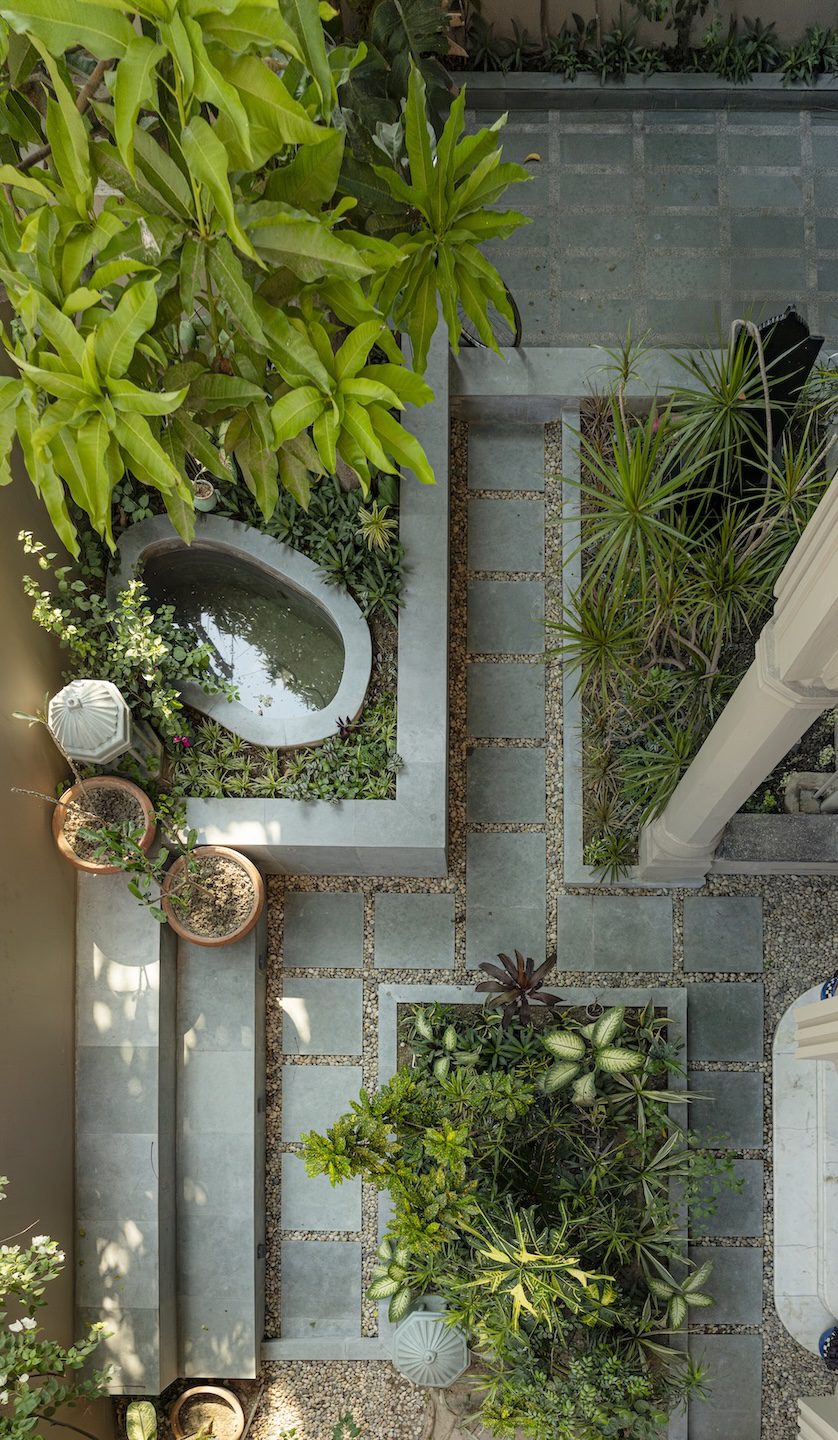
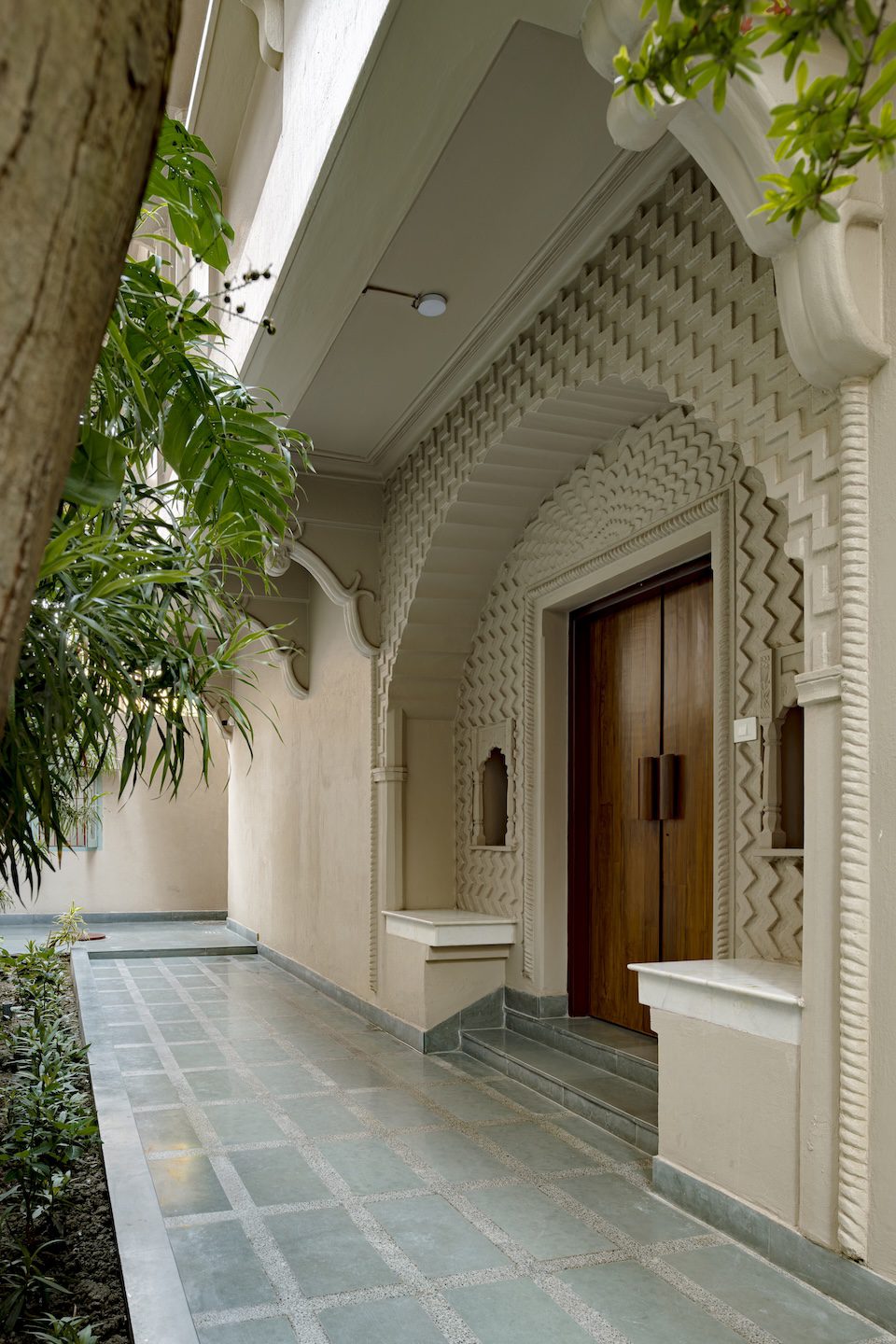
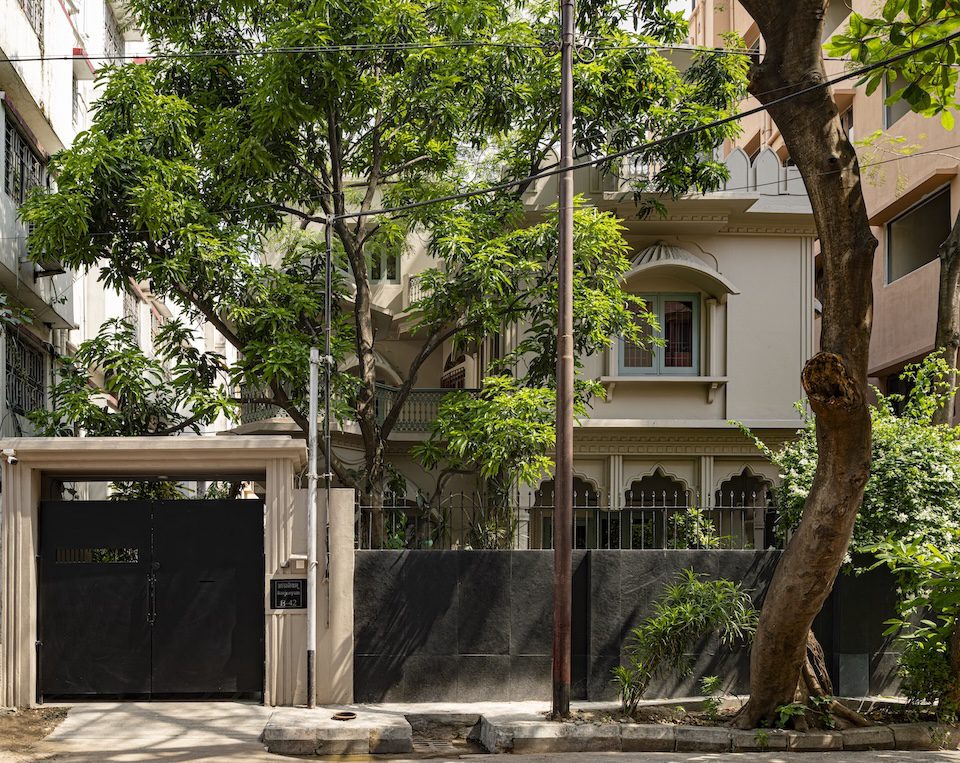
The design extended beyond the building envelope, transforming setbacks and peripheral areas into an immersive landscape. The driveway, finished in Kota stone and concrete, establishes a tactile continuity with the interiors, while a linear planter bed with tall greens lend scale and calm. The front garden, once a neglected setback, was reimagined as a lush urban oasis.
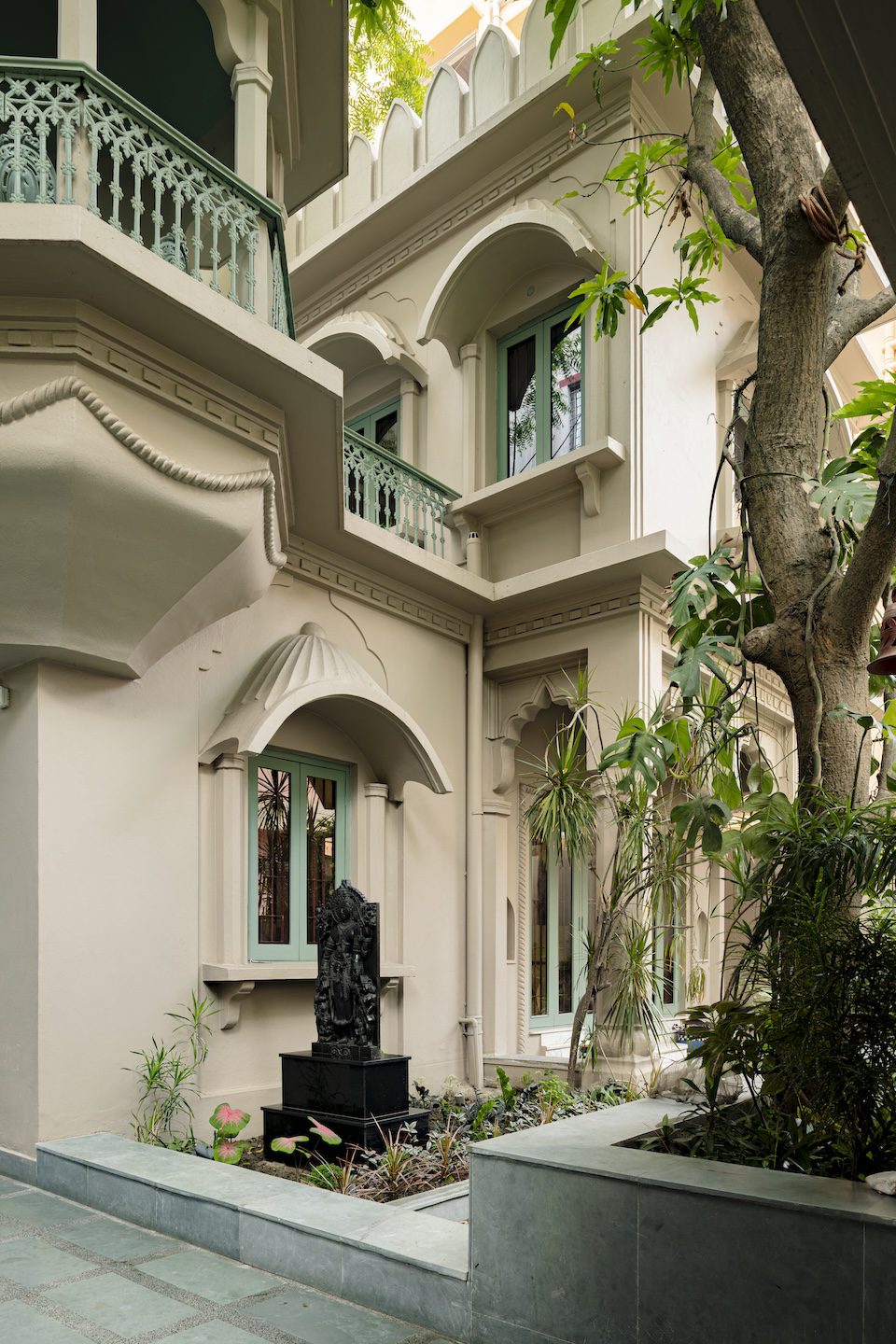
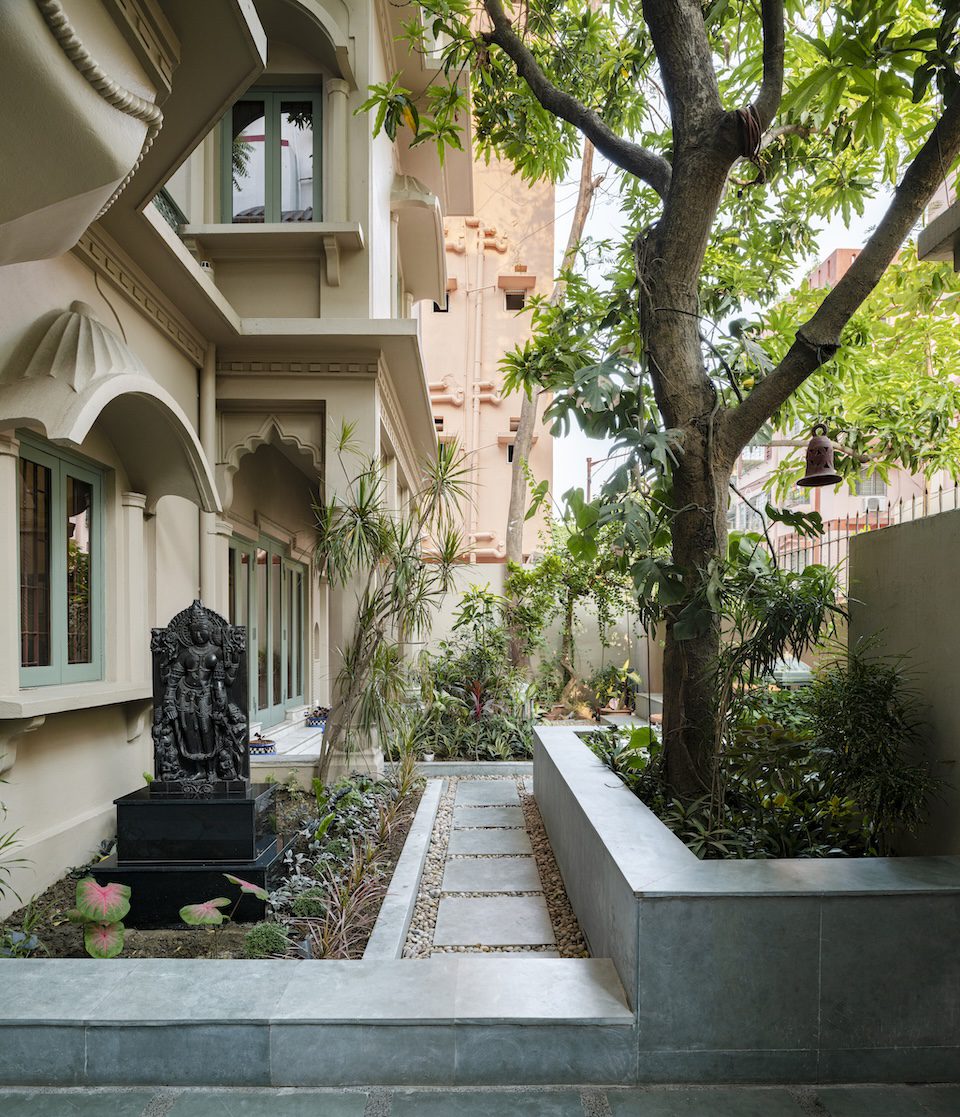
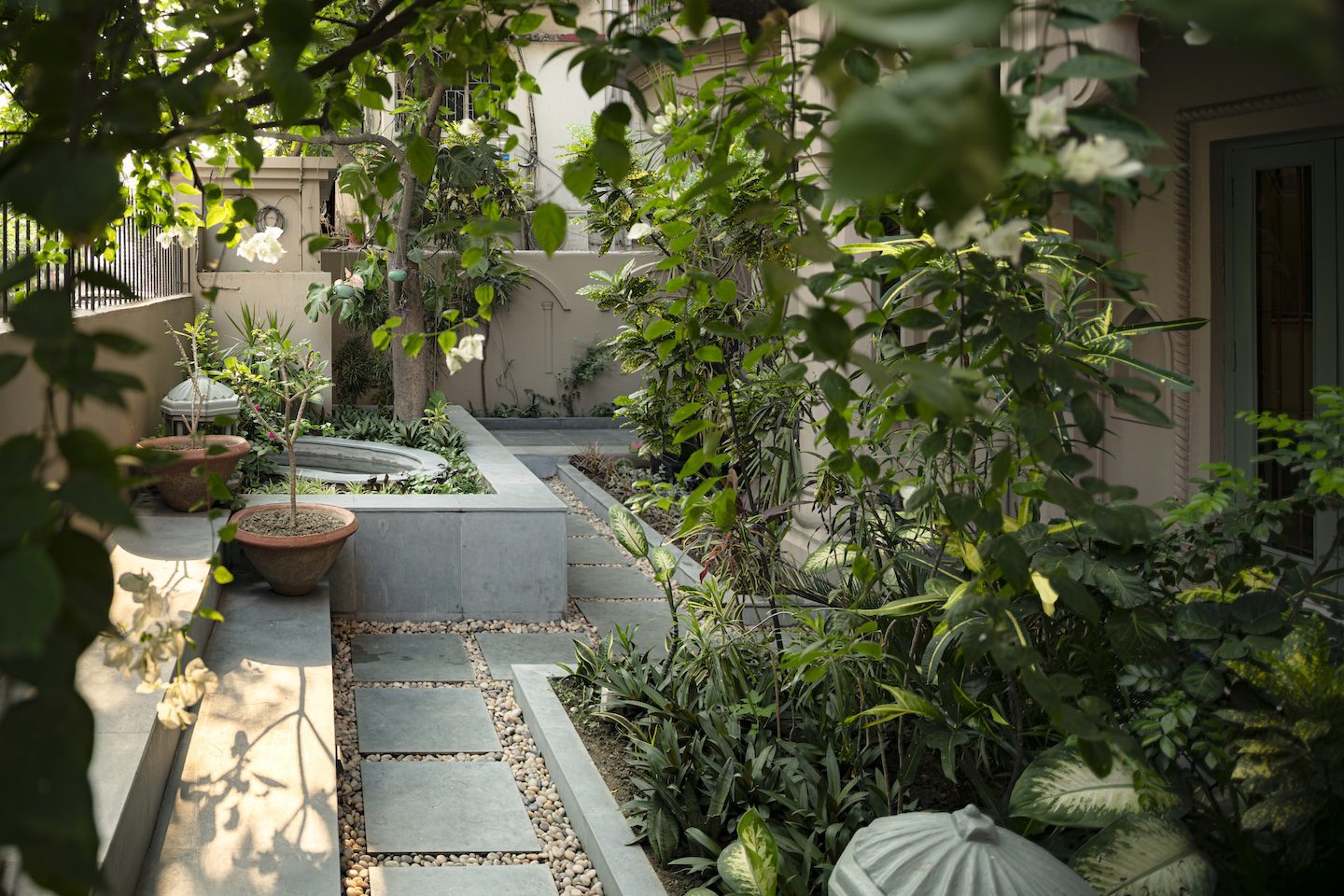
Divided into three planting zones, the garden features a small pond, a Saraswati idol placed in reverence, and a variety of tropical species arranged by height. A meandering pathway leads through the space, and amphitheatre-like steps invite easy conversation and pause beneath a flowering bougainvillea. Even here, sustainability guides choices. Marble pebbles from the family’s farmhouse were used as infill, and the compound walls were clad in black cudappah stone. A new minimally-designed black metal gate frames the entry to this revitalised property.
The material palette
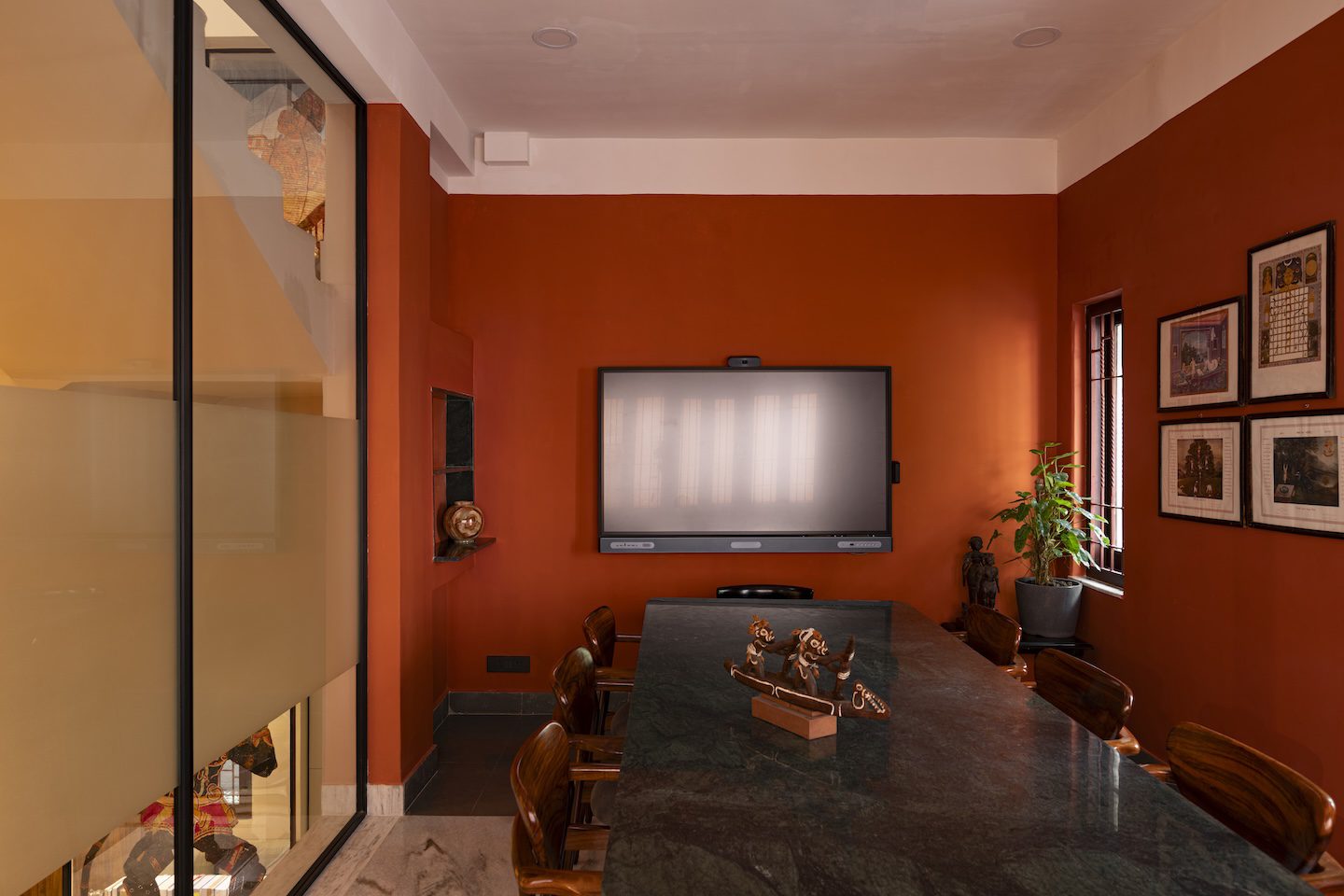
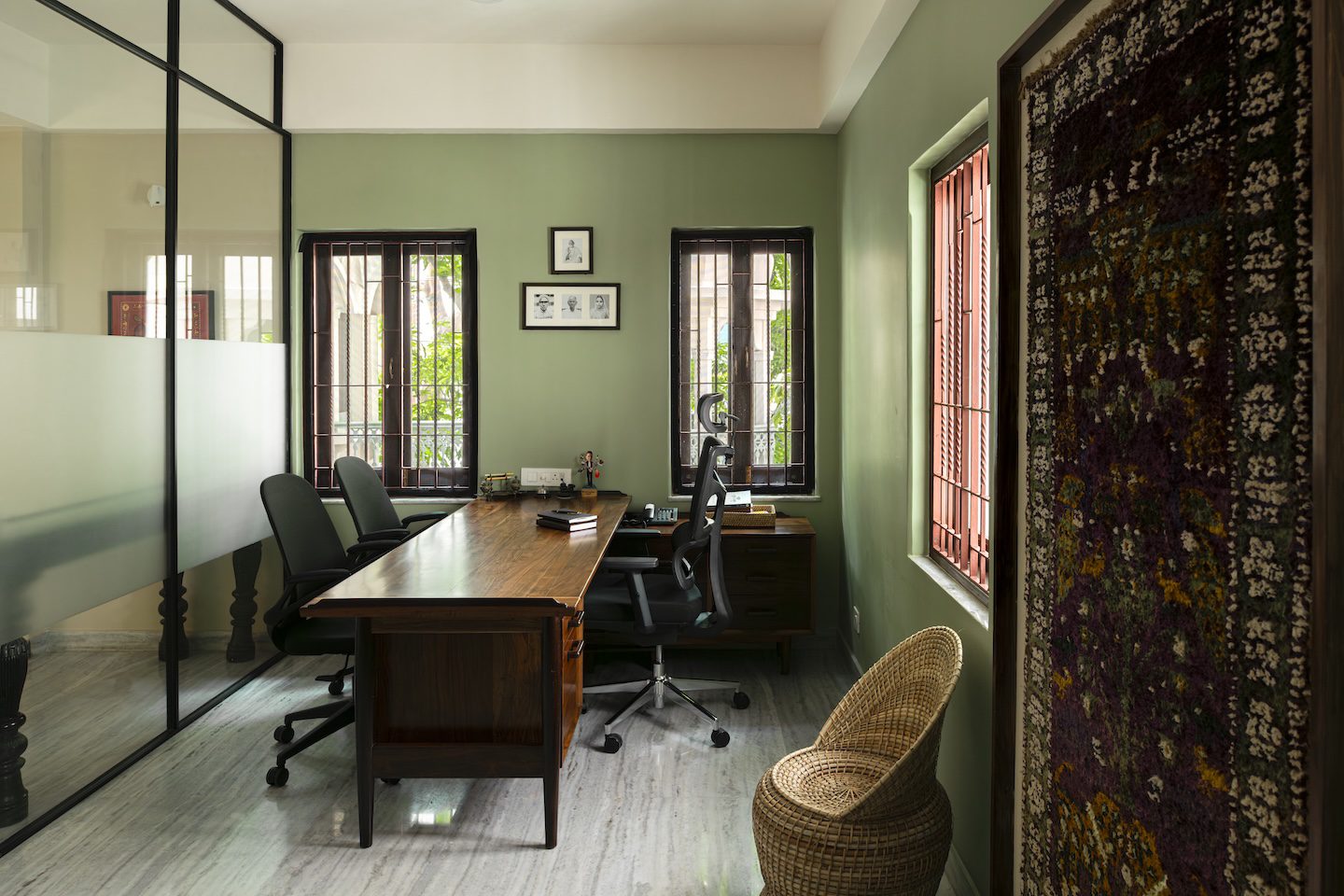
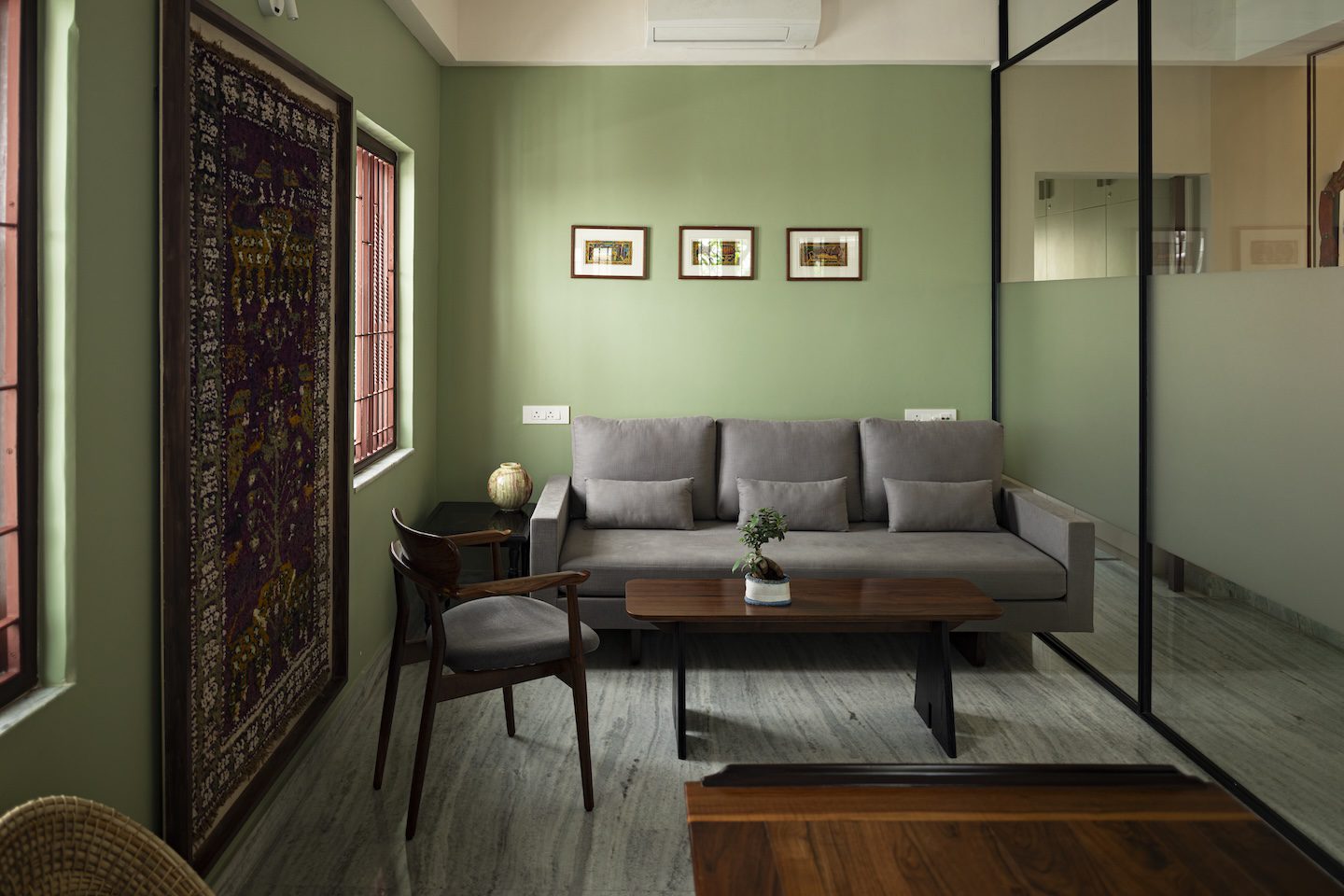
The brief called for minimal waste and maximum reuse of existing materials. Hence, sustainability was not a concept applied retrospectively; it was embedded in every gesture of the project. Old stone floors were retained, broken marble from demolition was repurposed into mosaic patterns, and every wooden window was removed, restored, and reinstalled. Original railings were stripped of ornamentation and reinterpreted with a refined art deco sensibility. The new fenestrations, designed to be both delicate and bold, opened the building to light and air, creating a healthier and more vibrant workspace. Even the internal colour palette was guided by intent. Neutral and calming tones define the work zones, while subtle pops of colour around the stairwell and shared pods introduced spatial variation and emotional warmth.
The highlights
One of the most powerful elements of the transformation was the integration of art—not as embellishment, but as narrative. The family, long-time collectors and patrons of Indian art, invited the design team to curate the interiors with pieces drawn from their heritage and from across the country. South Indian leather puppets, Jain miniature paintings from Rajasthan, heirloom fans, and embroidered carpets crafted by the client’s great-grandmother now punctuate the spaces, turning the office into a living gallery.
The presence of these artefacts renders the interiors instantly personal. They act as conversation starters, sources of inspiration, and cultural bridges for a diverse team. In doing so, the design not only preserved the family’s legacy but also helped every employee find a sense of belonging and connection within the space.
Fact File
Project: Anjaneyam
Location: Kolkata
Area: 4,000 sq ft
Principal architect: Jay Shah
Design team: Aditi Karia and Mansi Gohil
Add a Comment