
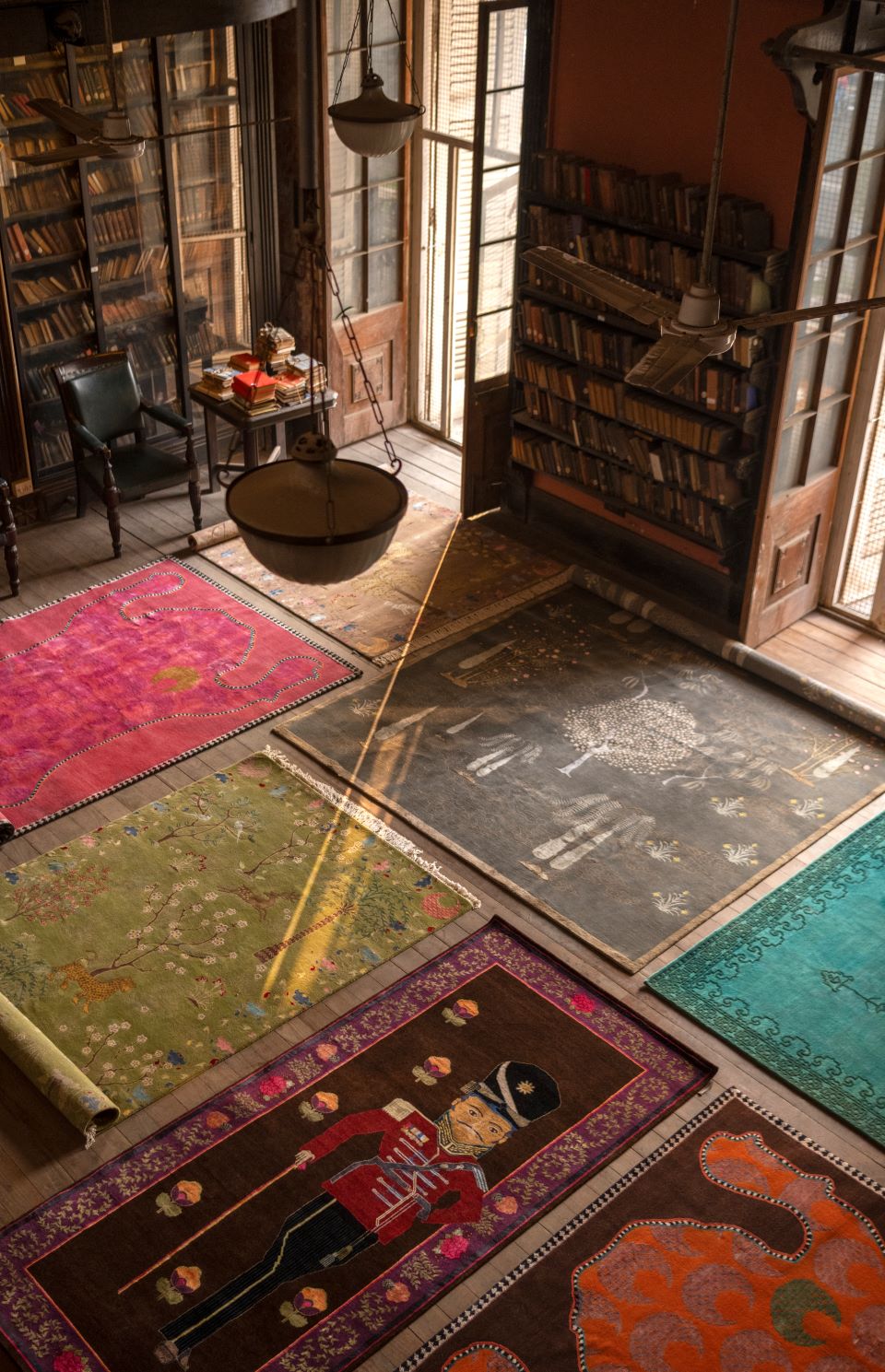
Jaipur Rugs has collaborated with interior designer Pavitra Rajaram for an exclusive collection of carpets — Majnun — that celebrates ancient weaving traditions, generational craftsmanship, and purposeful design. The Majnun Collection, while entrenched in the ancient culture and weaving traditions from Persia, China, and India, is a decisive step towards contemporising history. It celebrates the resilience and passion for art and is a testament to the enduring legacy of timeless craftsmanship.
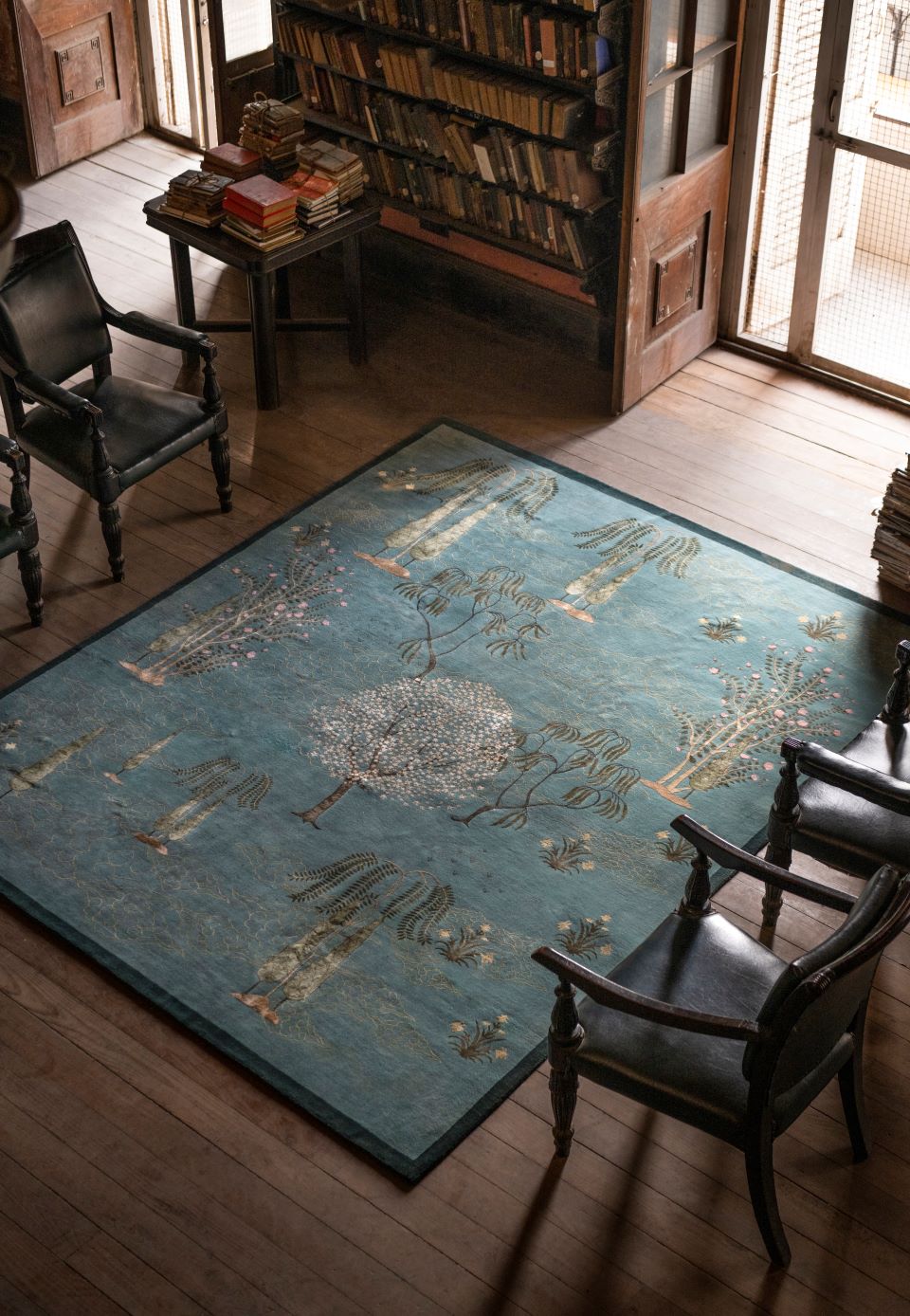
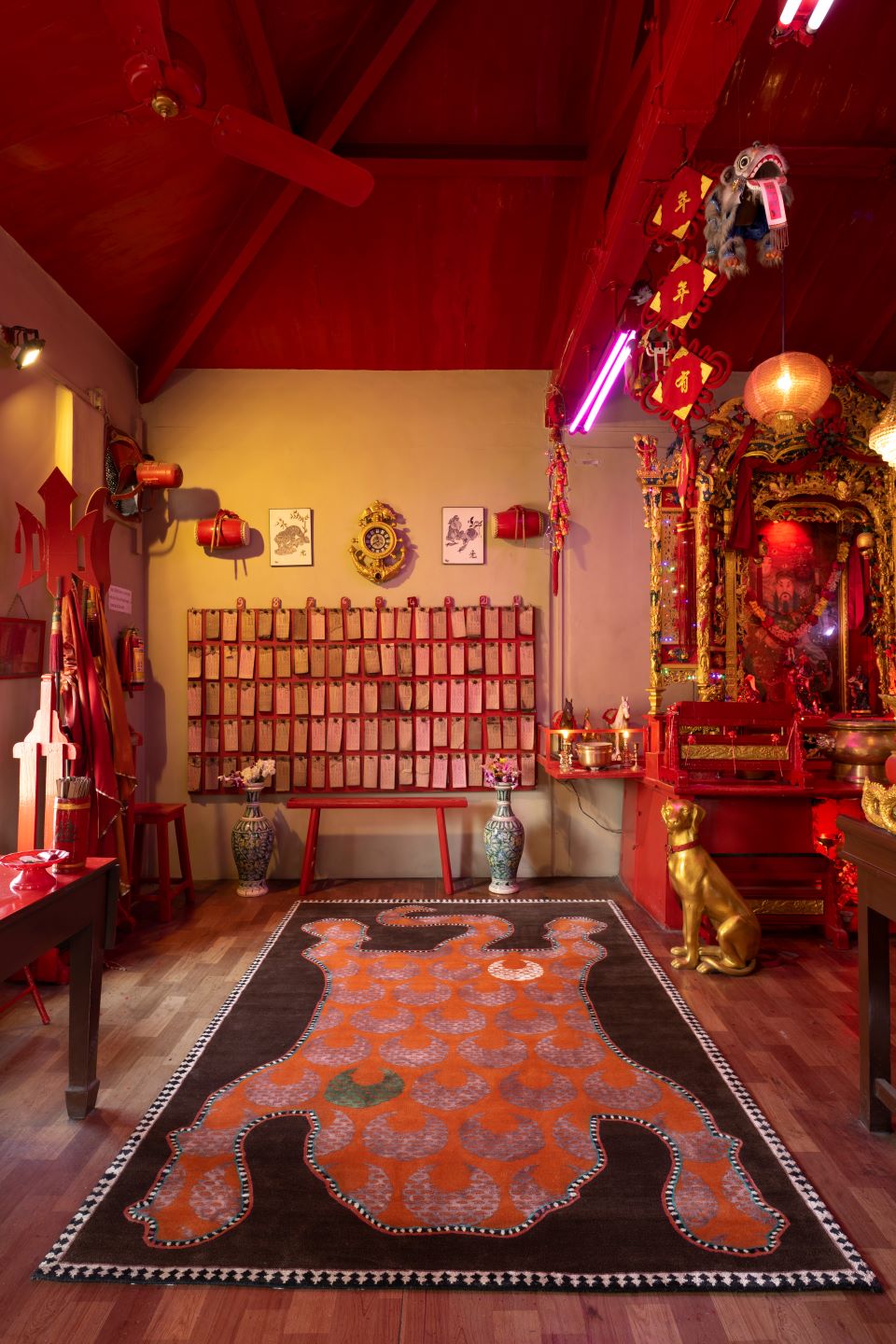
Majnun perfectly blends Jaipur Rugs’ expertise in creating premium hand-knotted carpets and Pavitra’s unparalleled sense of design and aesthetics. Every rug in the collection tells a unique story of love, passion, and perseverance, reflecting the resilient spirit of the artist weavers at Jaipur Rugs. The collection includes five gorgeous designs — Bahaar (the Shikargah carpet), Sakya (the Tibetan tiger carpet), Sipahi (the Afghan war carpet), Arjumand (the Bid-Majnun carpet) and Maryul (the Yarkandis carpets).
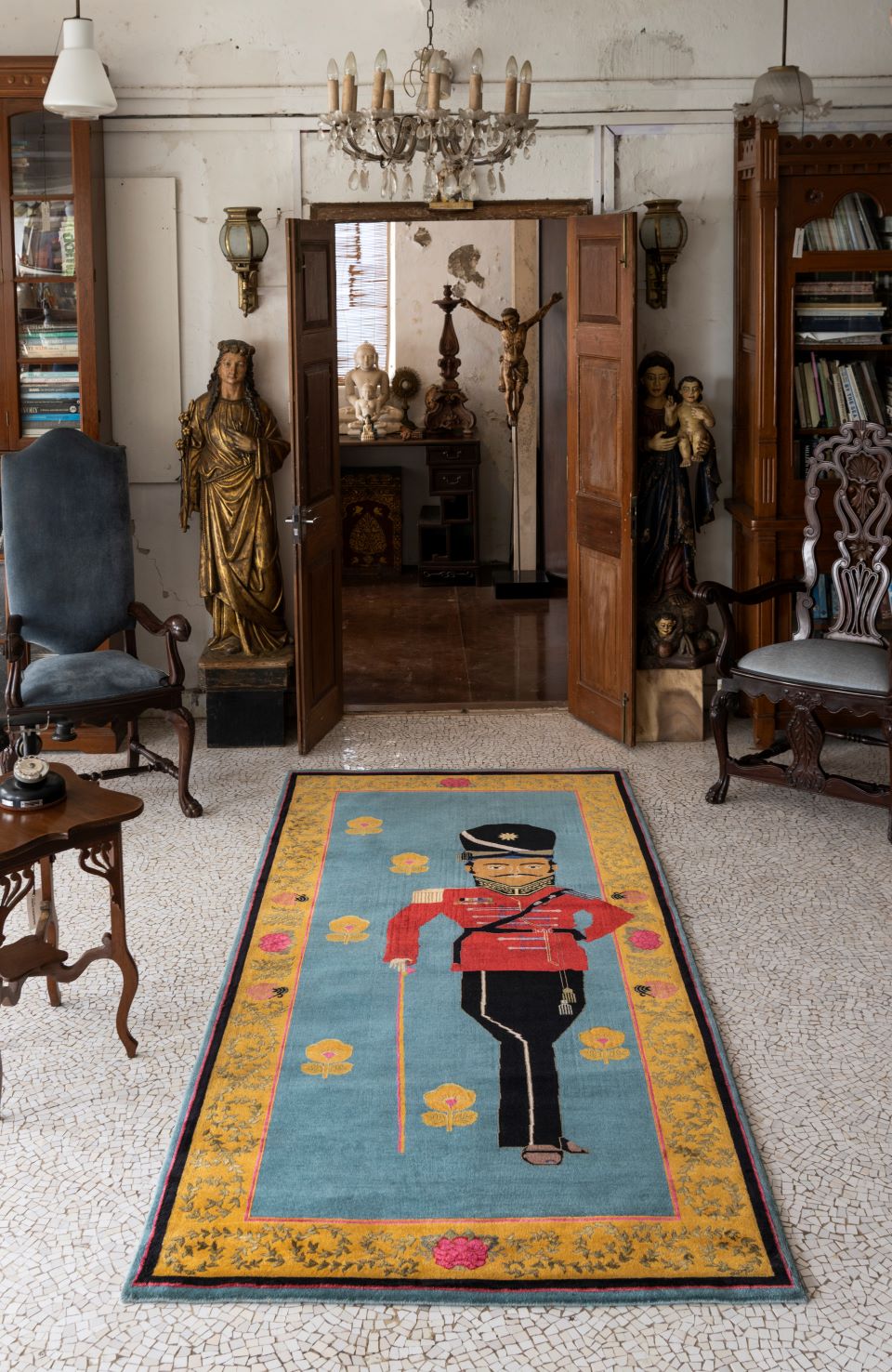
Bahaar, depicts a Shikargah (in Persian) — a hunting ground — where qamargah or encircling of game occurs. This war exercise is performed within a controlled arena of flora and fauna to create easier shooting and camping for a hunting party. This carpet is available in two colours. Sipahi takes inspiration from the Afghan war carpets which were developed in the 20th century. The carpets weavers who had become recorders of history documented the gradual influx of weapons and tanks in place of flowers, bootehs and singing birds. Pavitra in the two designs for Sipahi showcases sipahis who served their British masters in India post 1857. The carpet is rendered in the same playful folk inspired style as the original Afghan inspiration.
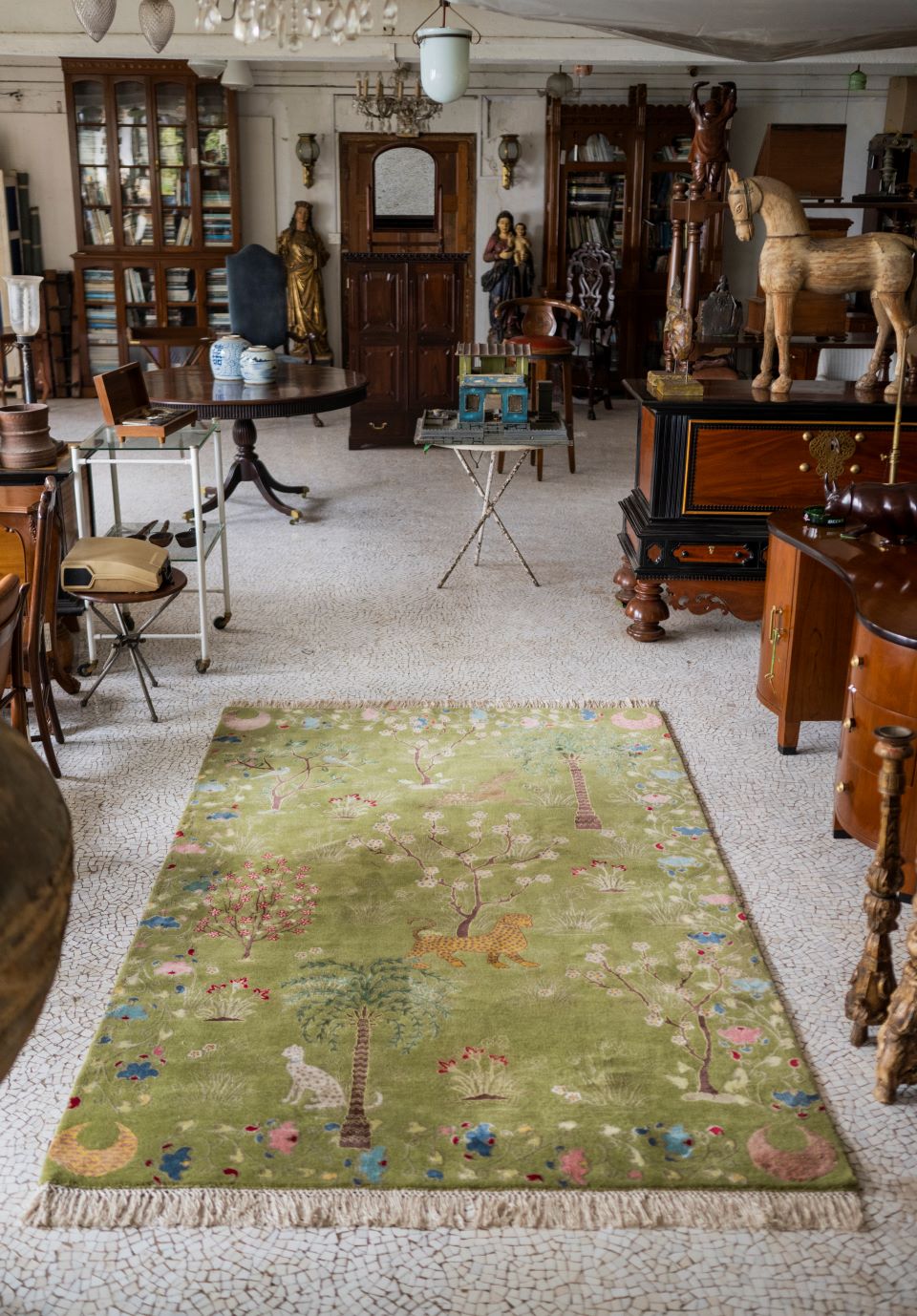
For Sakya, the Tibetan tiger rugs used by monks for meditation was the inspiration. It is coupled with the cintamani motif which has its roots in Buddhism and early Hinduism. The motif travelled westwards when emperor Ashoka spread the wisdom of Buddhism through the upper reaches of Asia Minor, and became an iconic favourite of the Ottoman Sultans. Sakya brings back the iconic cintamani to its original Eastern context within the idiom of the Tibetan tiger rug. The recurring motif of “Bid Majnun” seen in Persian and Iranian carpets which refers to the weeping willow tree, whose leaves look like the matted wild hair (bid) of the crazed lover (majnun) was the influence for Arjumand. In classical carpets, the willow is often paired with the cypress in a strict geometric formation. In Arjumand, Pavitra brings together the three concepts through the Bid Majnun motif.
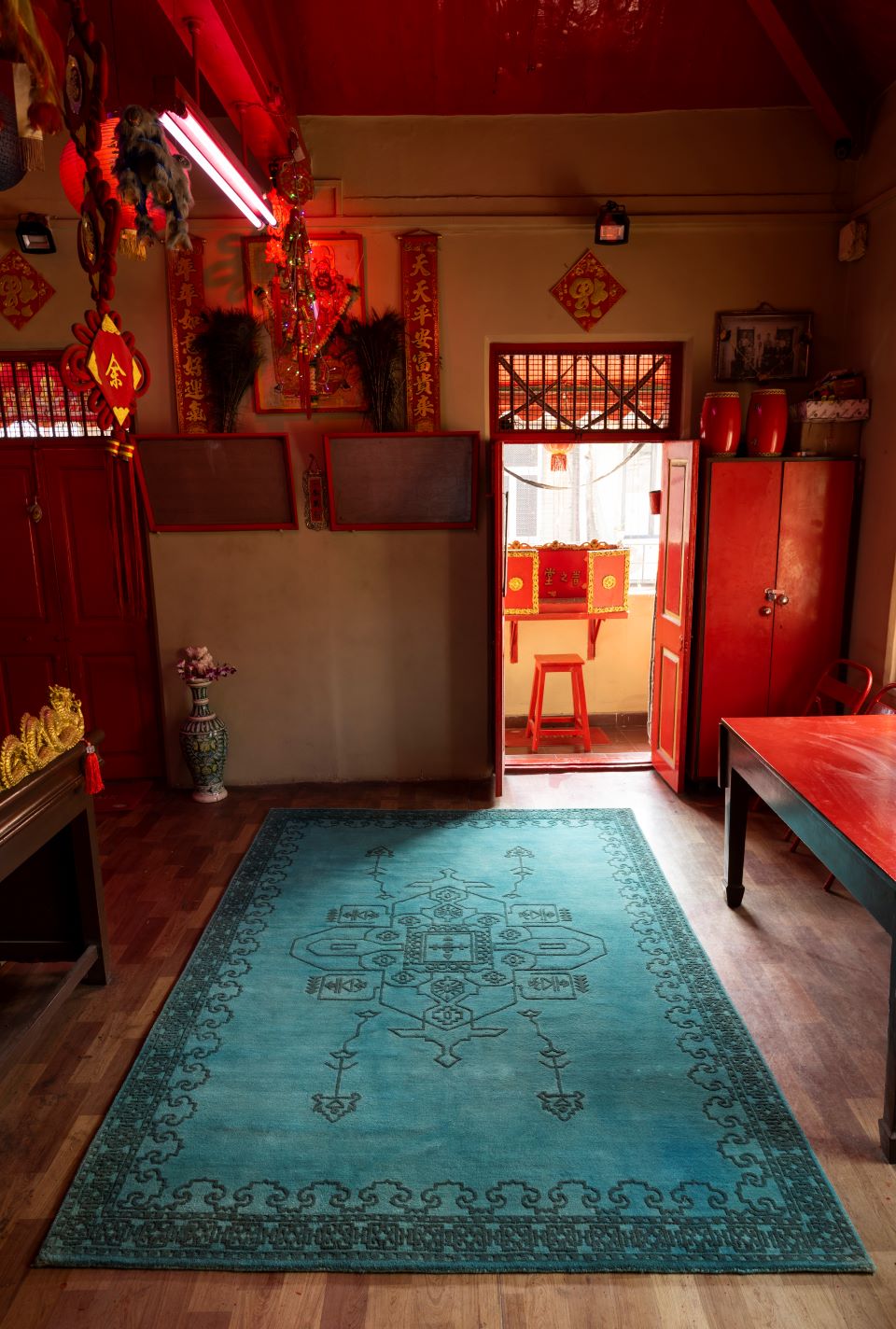
Maryul takes cues from the traditional Yarkandis carpets which were handmade by Kashmiri weavers incorporating motifs and symbols from three cultural traditions: Persian, Tibetan Buddhist and Chinese. Yarkandis are characterised by the unique geometric placement of motifs, especially the Chinese “cloud head’ motif known as Yun Tsai T’ou. Pavitra, in her contemporary interpretation (Maryul), brings together some of the most popular motifs of the Yarkandi tradition including flowers from the Buddhist Gandhara tradition, medallions from Kashmiri carpets and the Chinese cloud heads… all symbols of prosperity and happiness.
Curated by: Deepa Nair
Photographs: Courtesy Jaipur Rugs
Add a Comment