
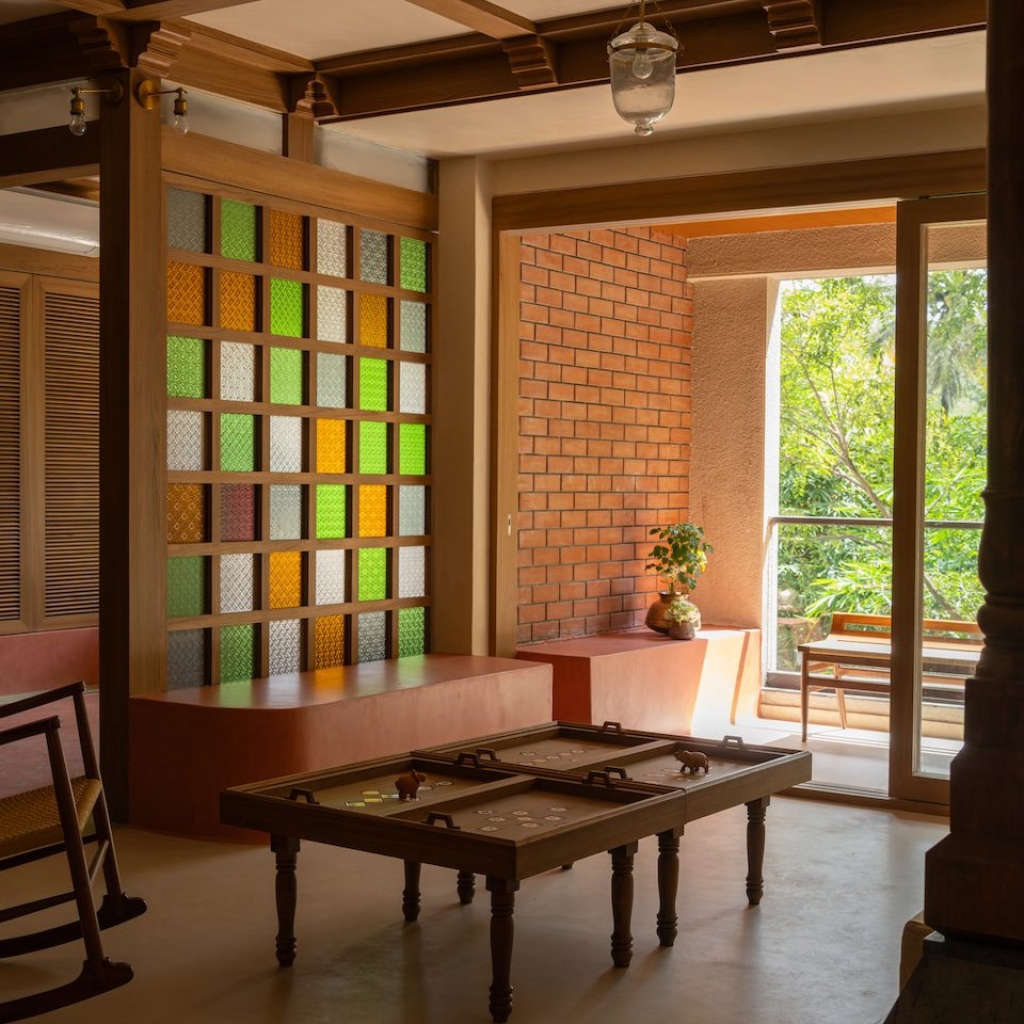
Koriv Designs crafts a contemporary residence in Pune that reinterprets the spirit of traditional wada architecture through material restraint, fluid living, and a deeply collaborative process with the client.
Curated by: Deepa Nair
Photographs: Syam Sreesylam; courtesy Koriv Designs
The story behind the name
Architect Tejas Shintre, founder of Pune-based Koriv Designs, has named this residence Sabudana Wada—a reminder that not every home draws its identity from form, material, or stylistic intent. Some are shaped by the journey that brings them into being. This one carries a story that began long before the walls were finished. From the earliest stages of the project, material explorations evolved into shared excursions with their client, Anagha Godbole. Whether selecting fabrics, sourcing veneers, or determining the right tone of glass, she was present at every step, turning what could have been routine site visits into collaborative sessions of dialogue and discovery.
Each excursion into the old city of Pune followed a routine: discussions over samples, comparisons under shifting daylight, careful deliberation—and then, inevitably, a stop for the delicious Maharashtrian snack, sabudana vada, at her favourite local spots. “It became a ritual and a memory stitched into the making of the house. So, the name doesn’t come from the style of the home… it comes from the way we experienced the process together,” says Tejas.
The brief
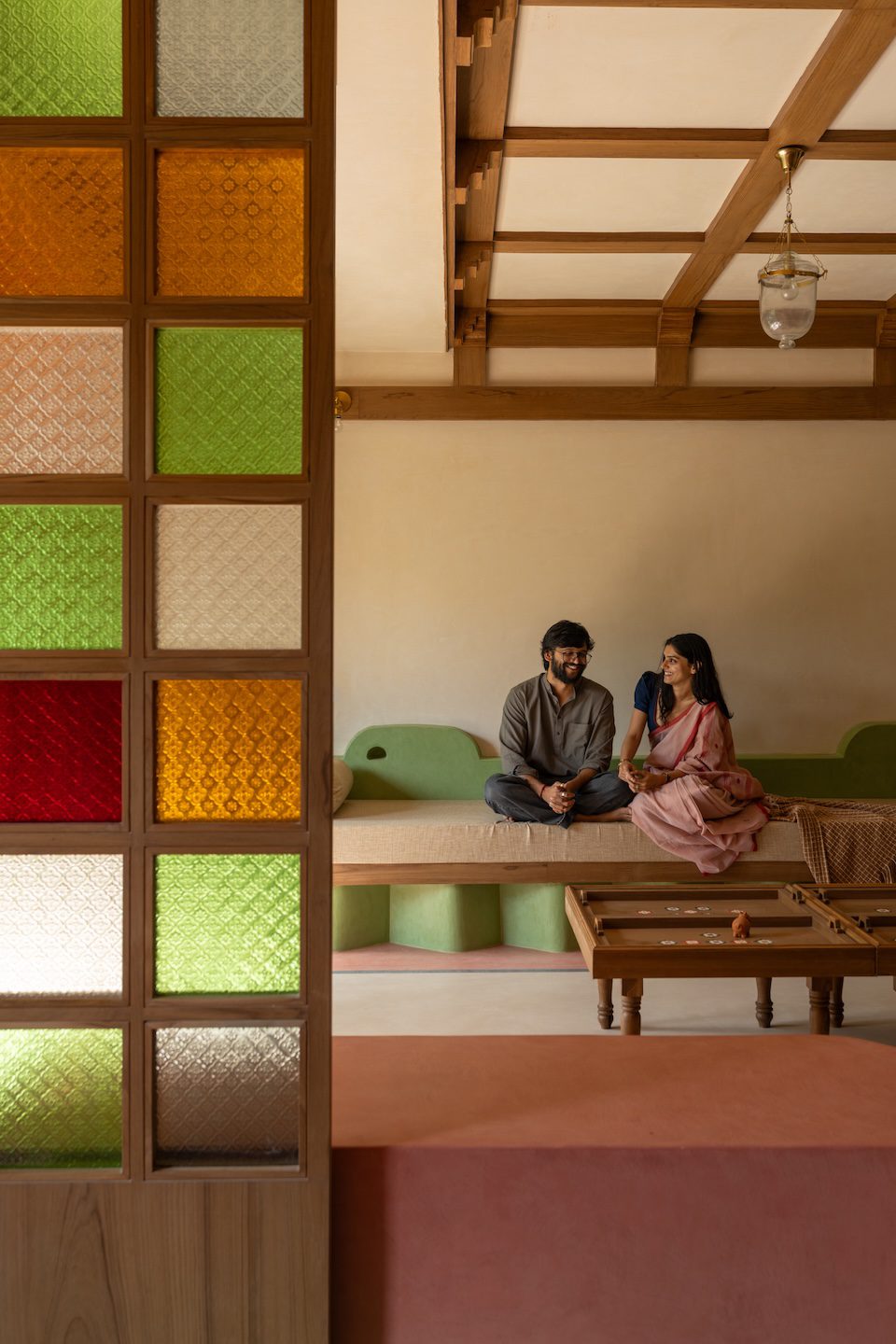
The brief was well articulated. The client envisioned a home inspired by the spatial essence of traditional wada architecture, but not a copy of it. There was no desire for ornamental arches or pillars employed purely for nostalgia. Instead, she sought a contemporary residence that could carry the soul of an Indian home without feeling heavy or theatrical. “From the first meeting, it was evident that this project would resist formula. Anagha brought with her not only a cheerful presence but also a deep cultural grounding and an instinctive understanding of Indian art and architecture,” asserts Tejas.
The design intent
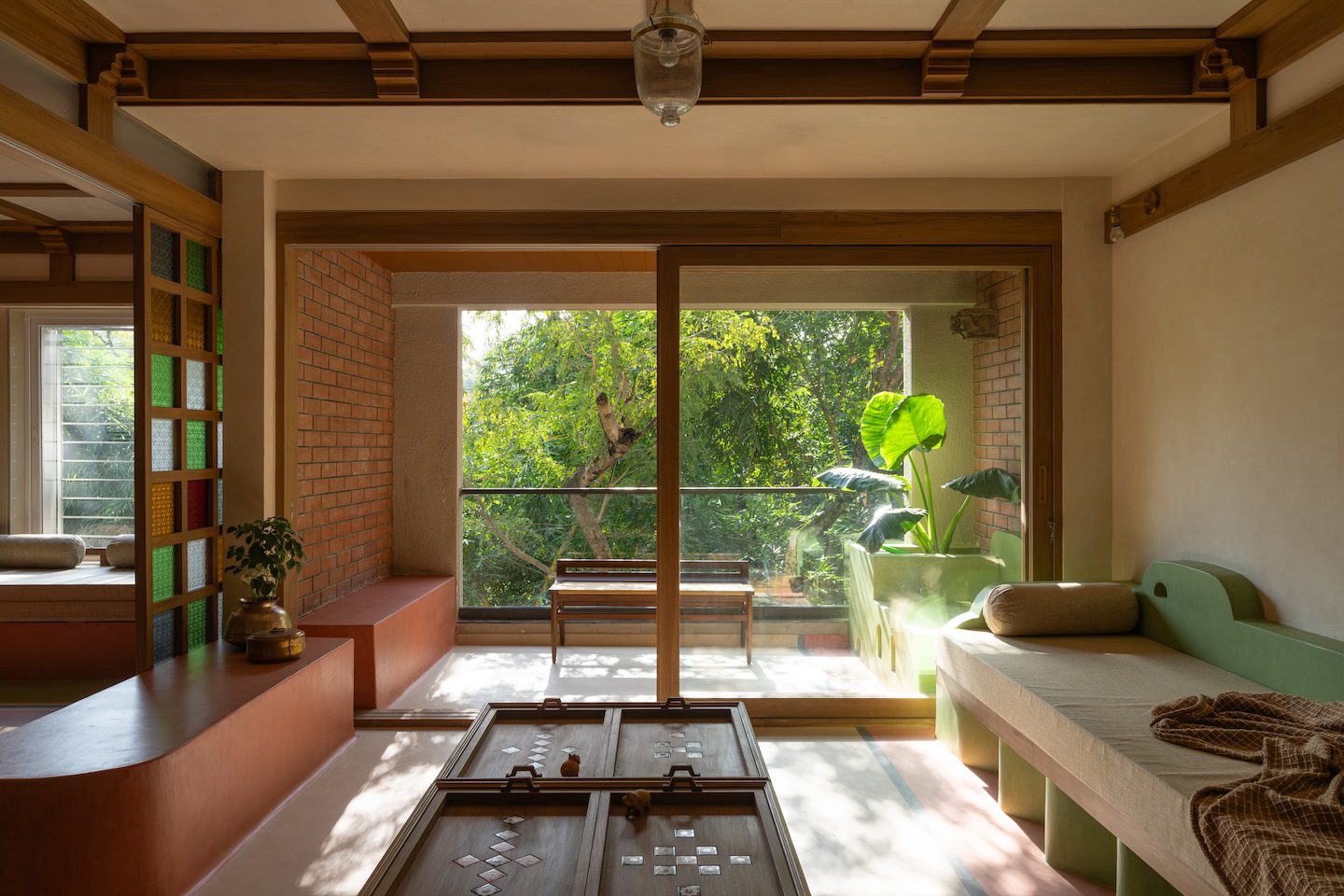
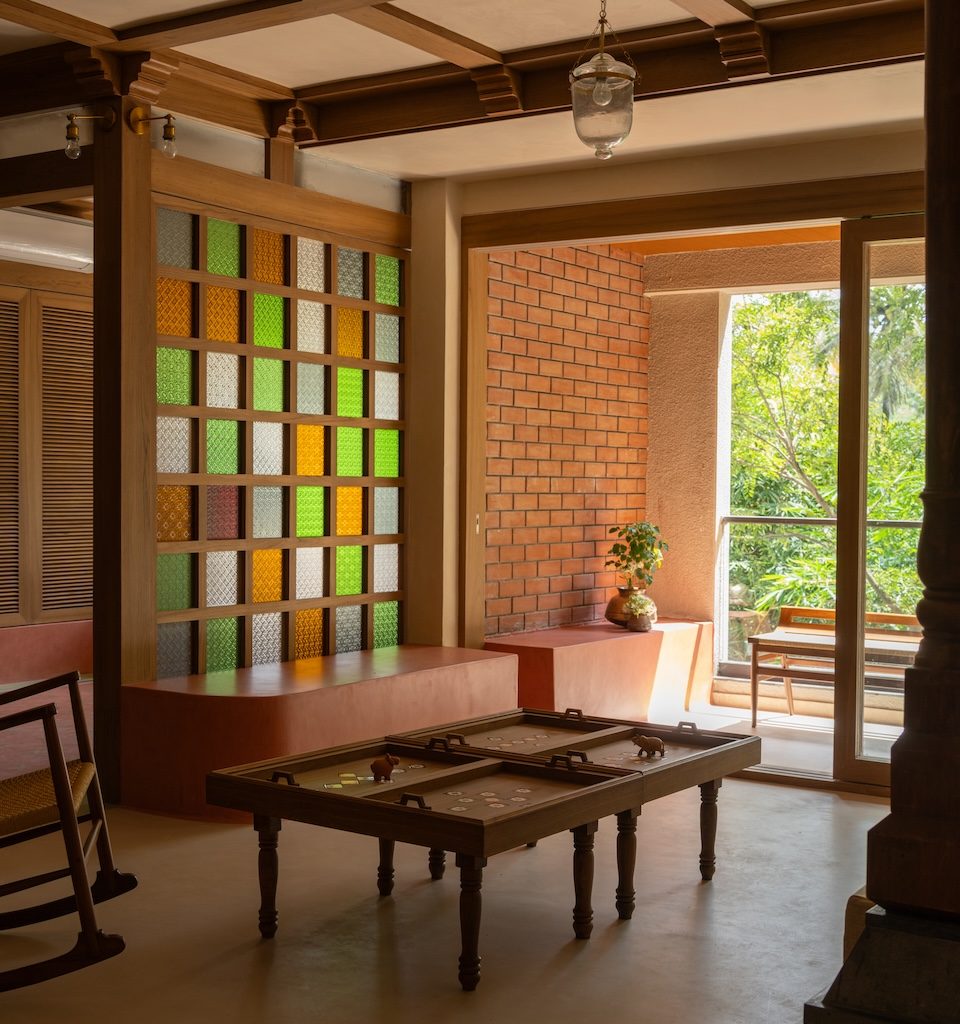
Located on Prabhat Road in Pune, the 1,500 sq ft apartment is enveloped by trees on all sides. From its balconies and windows, the view is uninterrupted foliage (a rare scene in an urban setting). Rather than allowing this landscape to remain a distant backdrop, the design seeks to draw it inward, shaping an interior that feels in dialogue with its green surroundings.
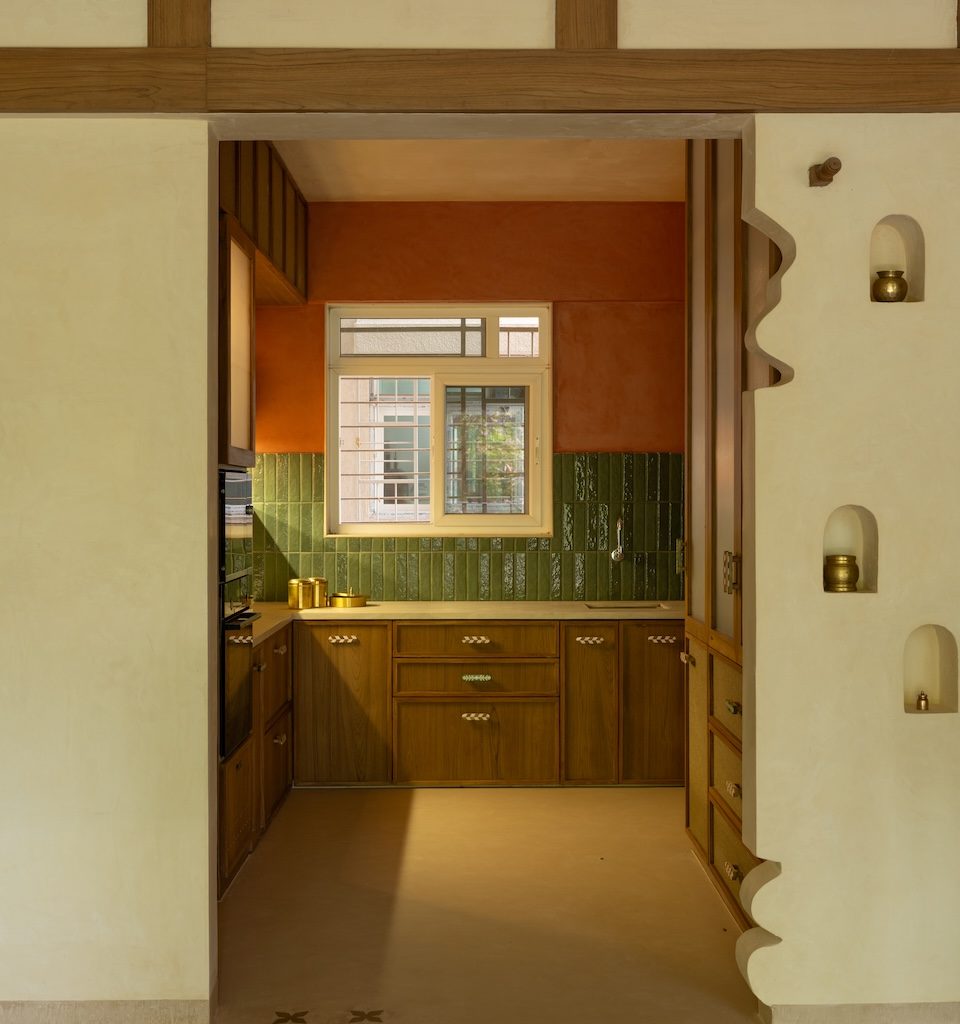
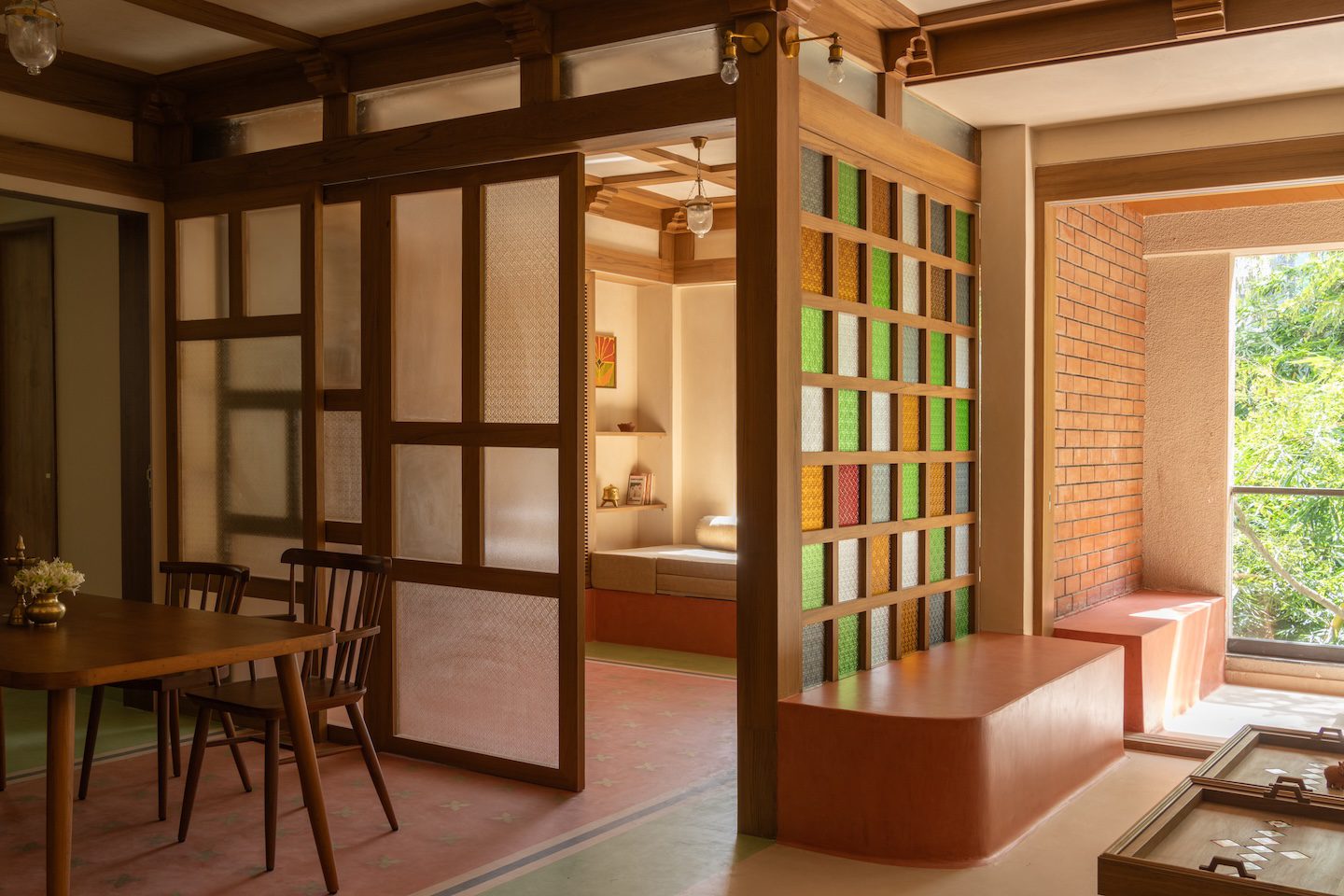
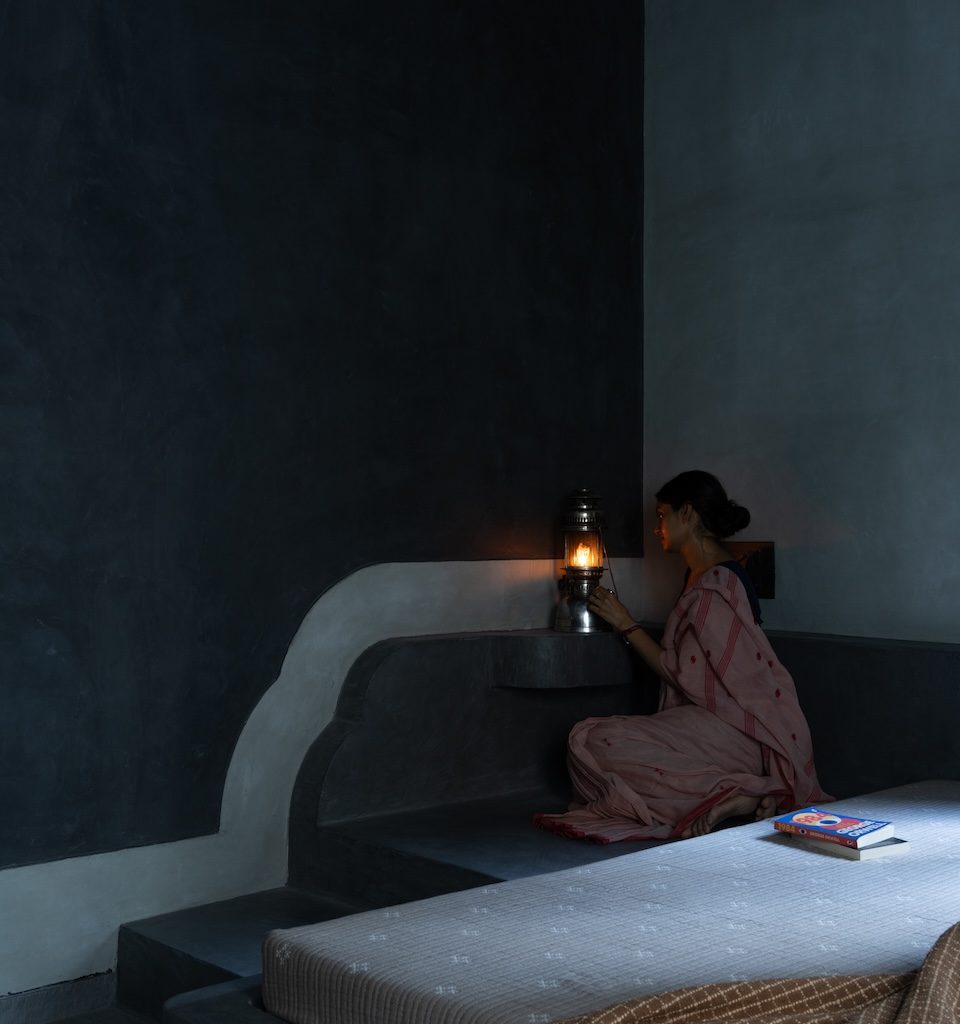
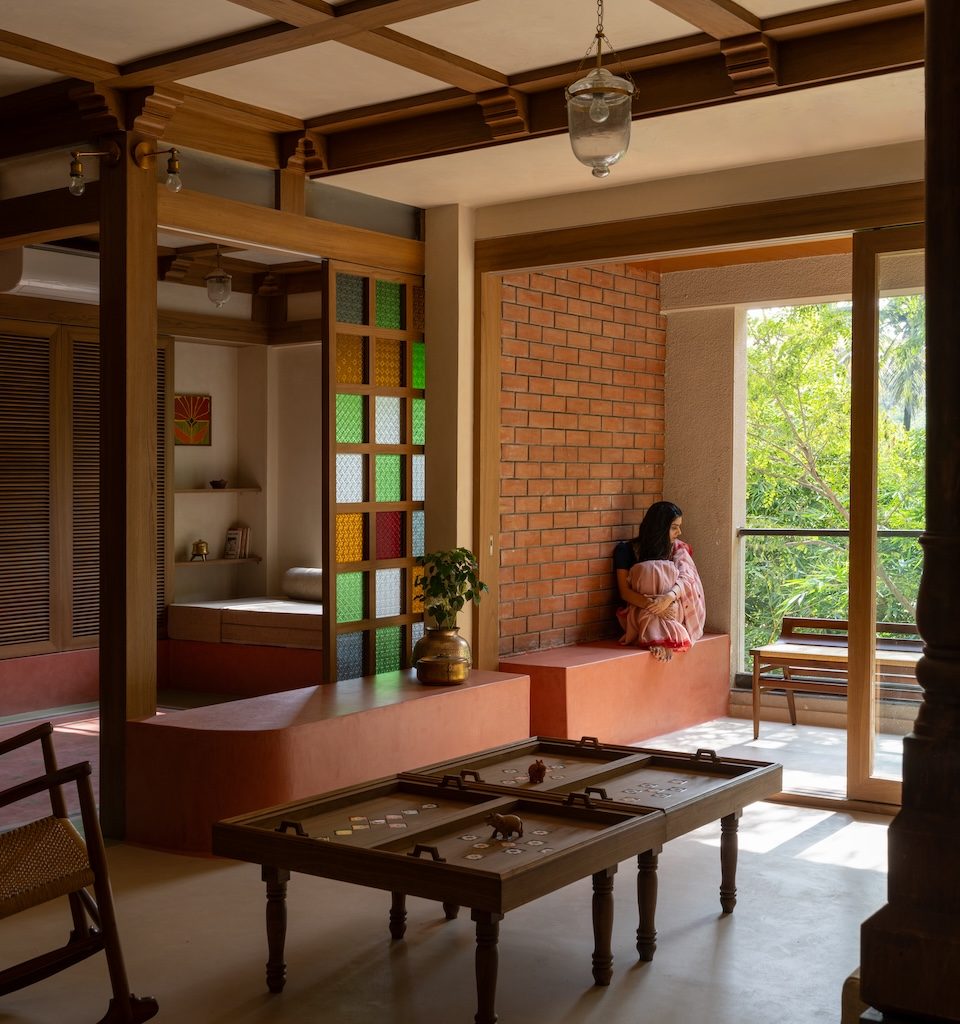
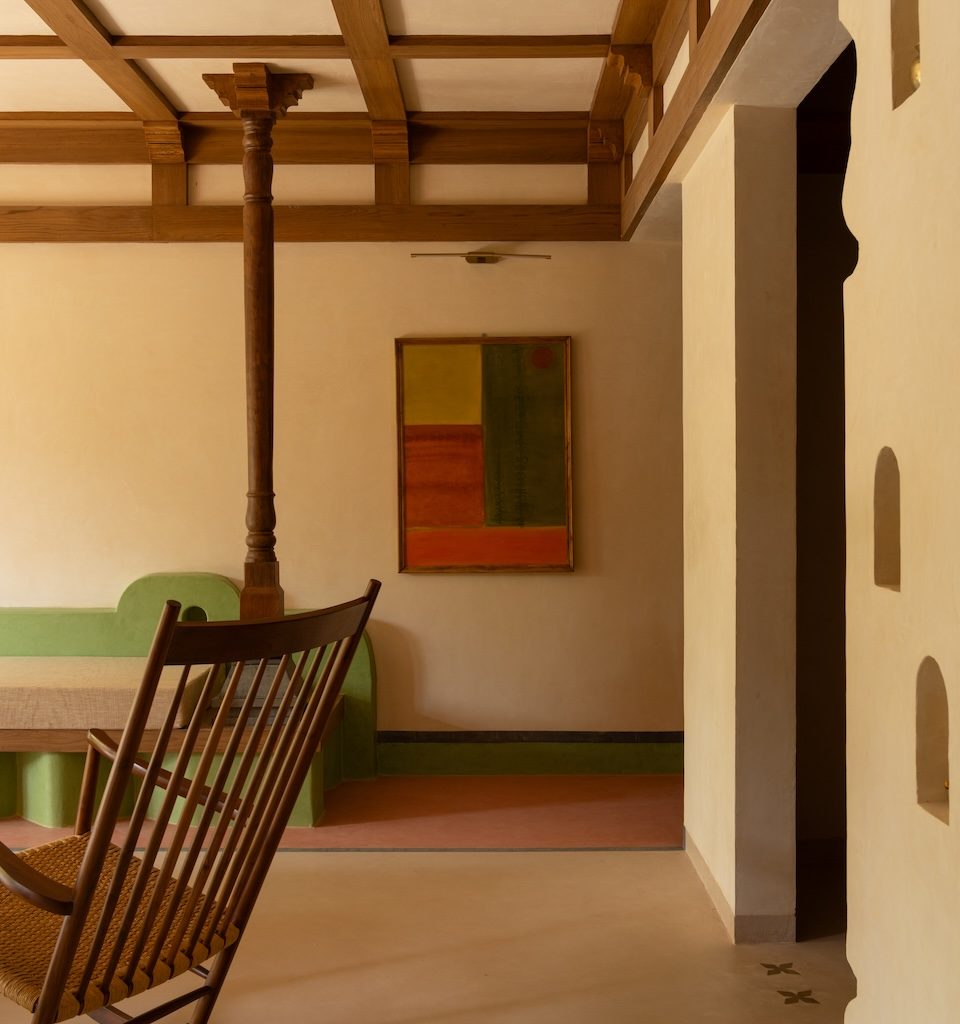
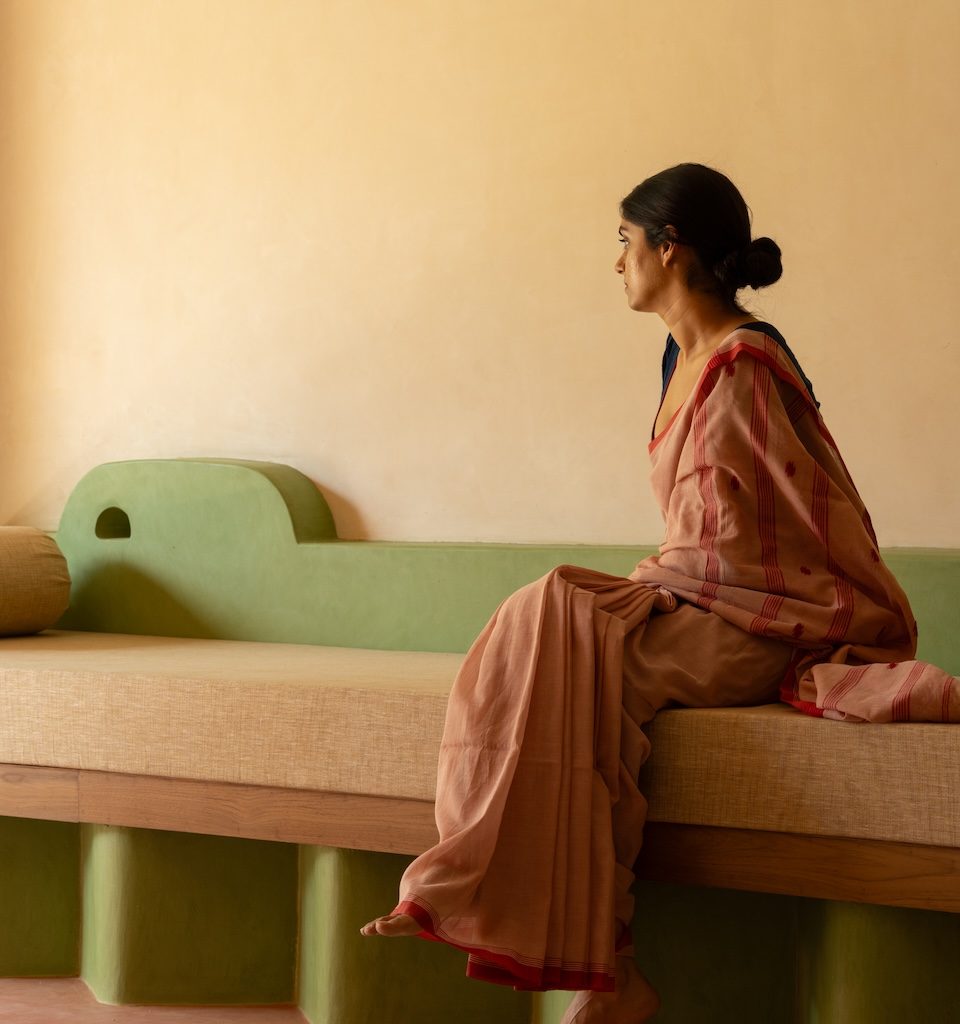
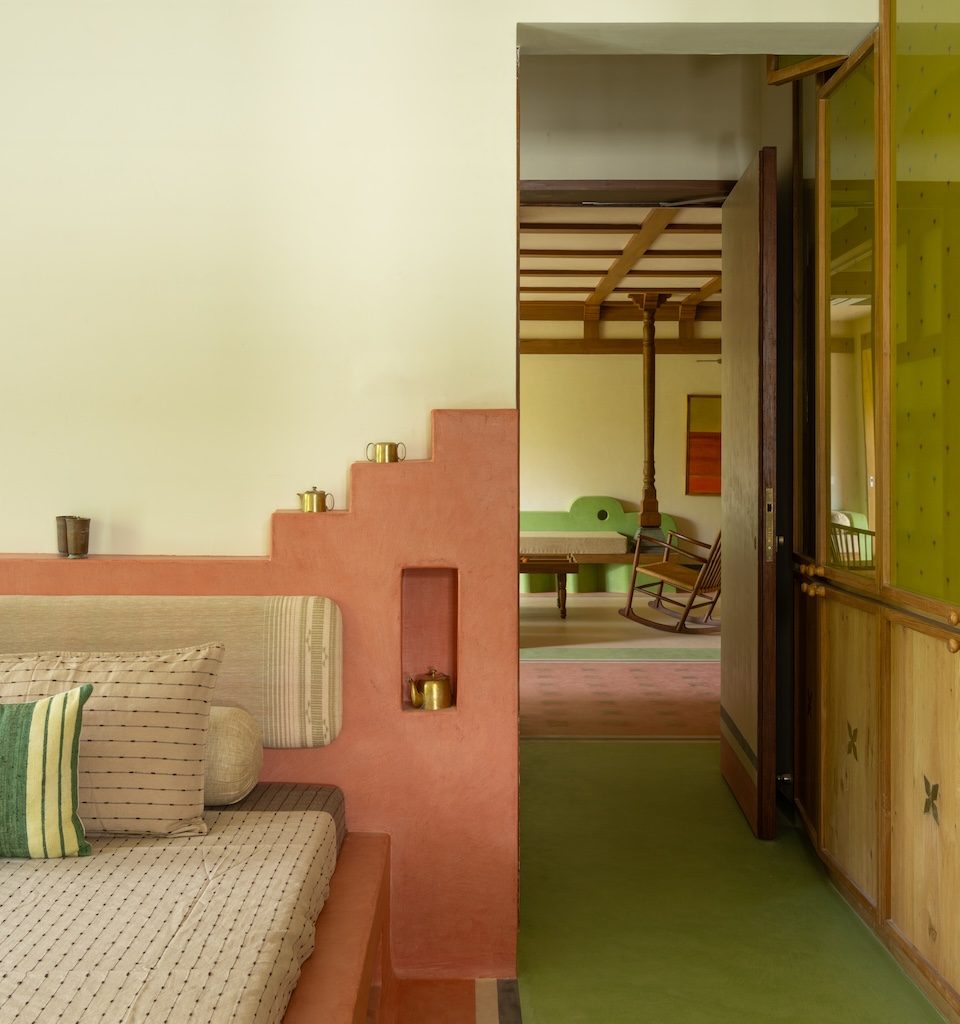
The spatial language responds to this context with restraint and ease. Built-in seating, low sofas, and continuous benches are integrated into the architecture, encouraging a grounded way of living. The intent was to reinterpret the informality often associated with Indian homes within a contemporary apartment framework. Seating is not confined to designated zones; it unfolds organically, allowing one to lounge, gather, or retreat without rearranging the space.
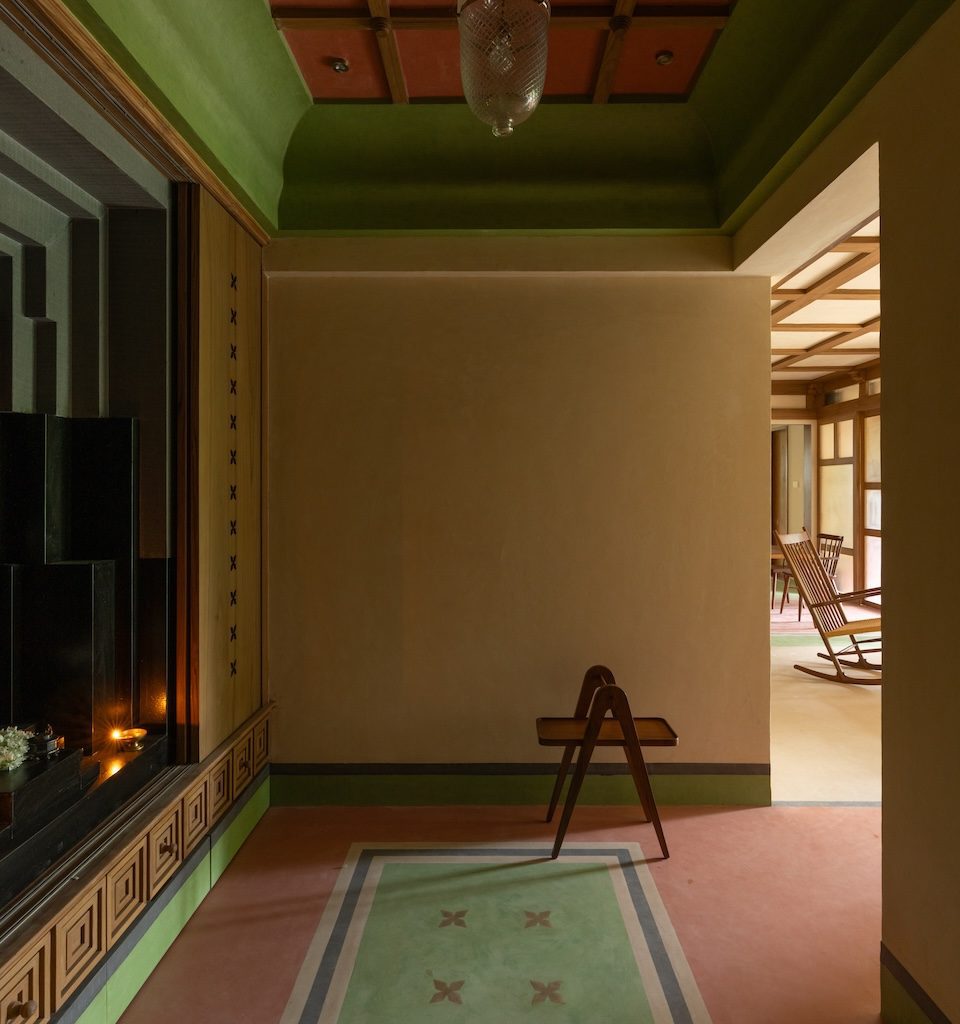
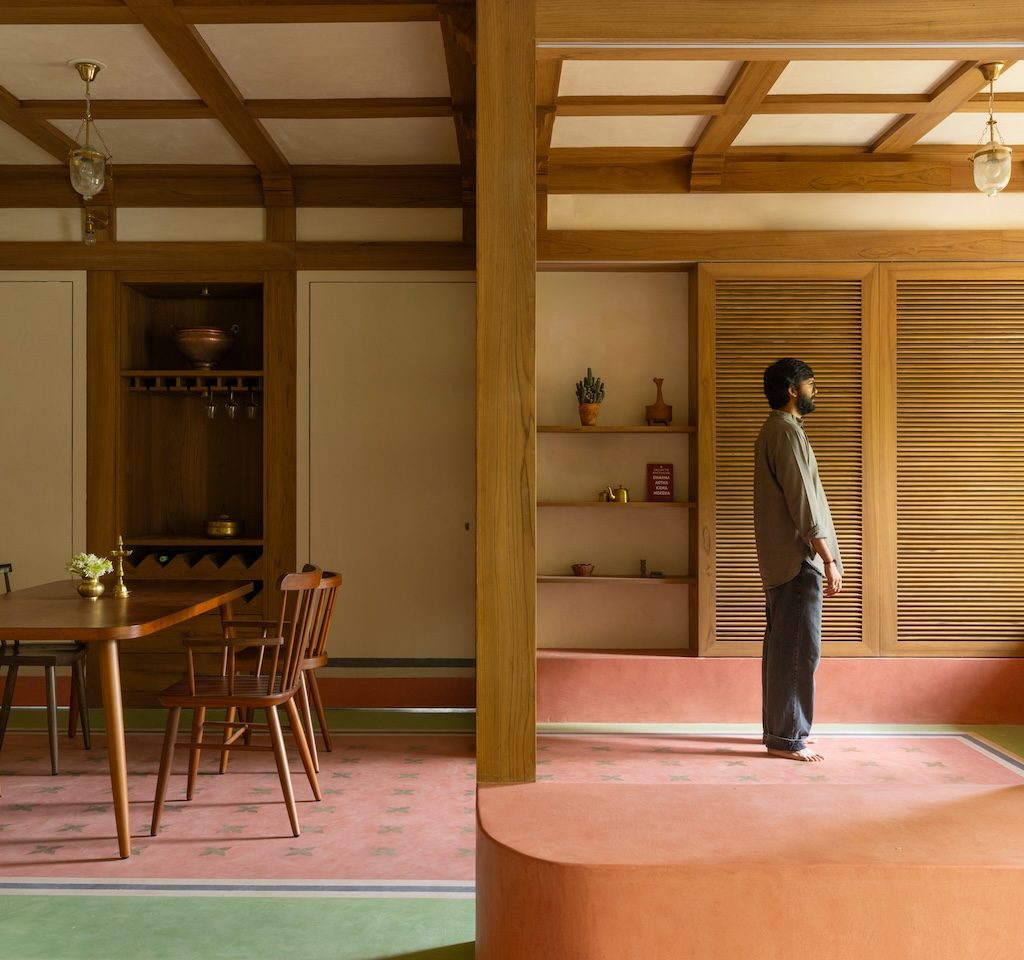
At its core, the idea was simple: the home should feel unforced. One should be able to walk barefoot, sit on the floor, read in a corner, or host a group with equal comfort. This fluidity of use becomes the bridge between traditional spatial sensibilities and modern urban living, allowing the outdoors and interior life to coexist seamlessly.
The design and material details
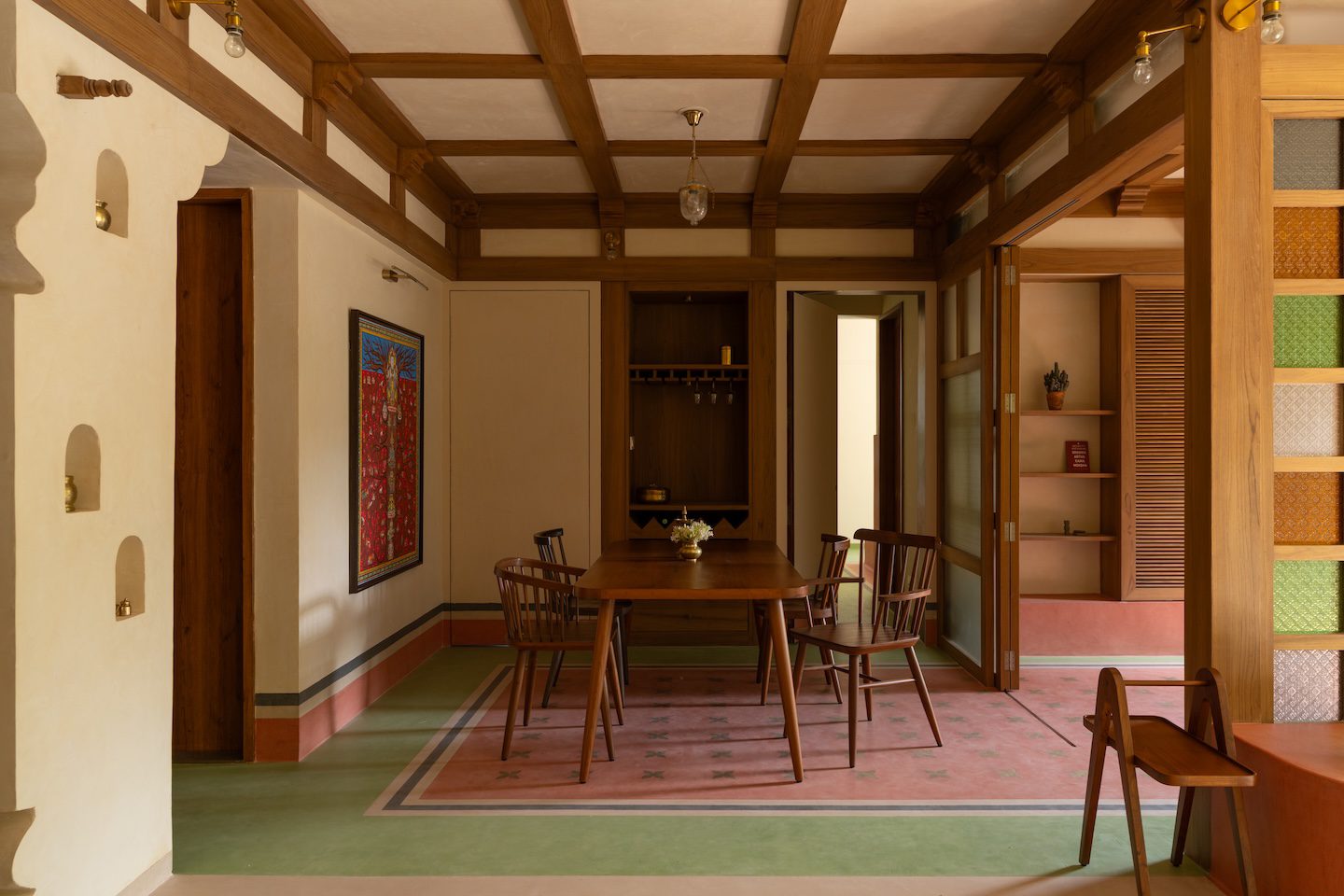
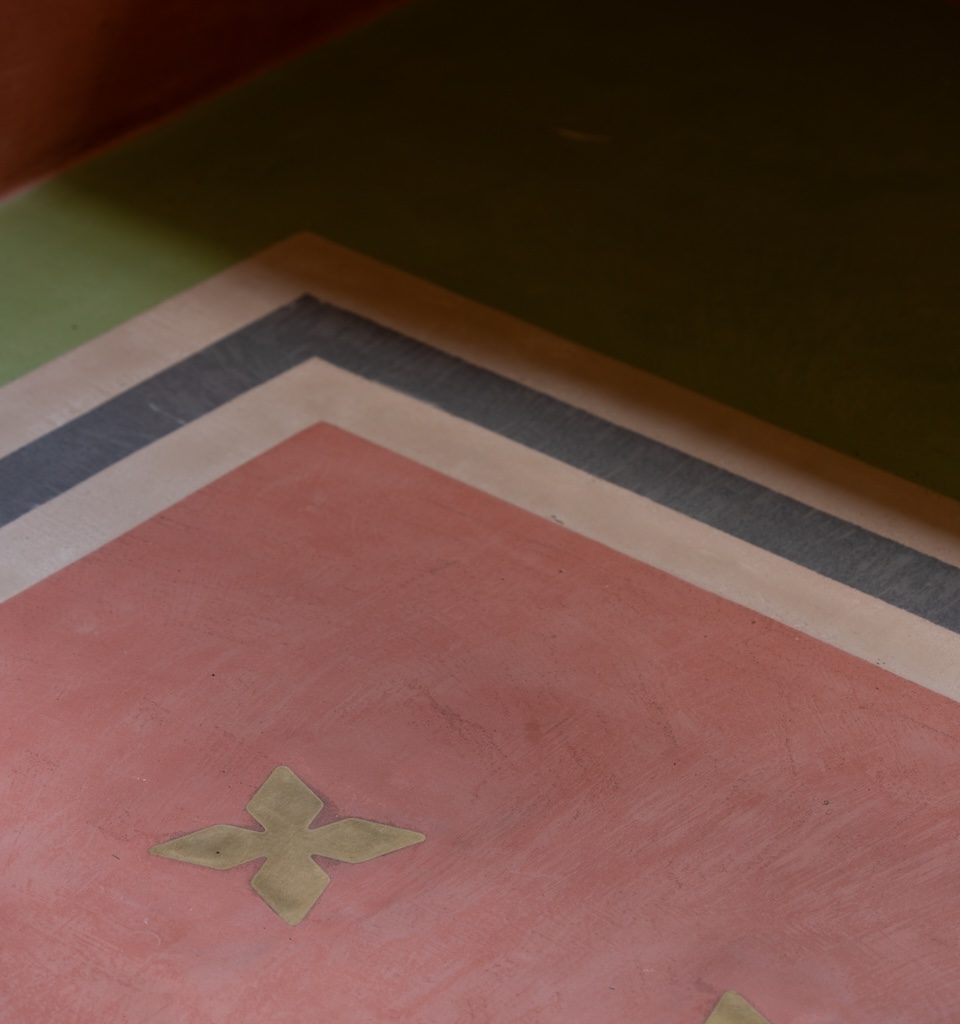
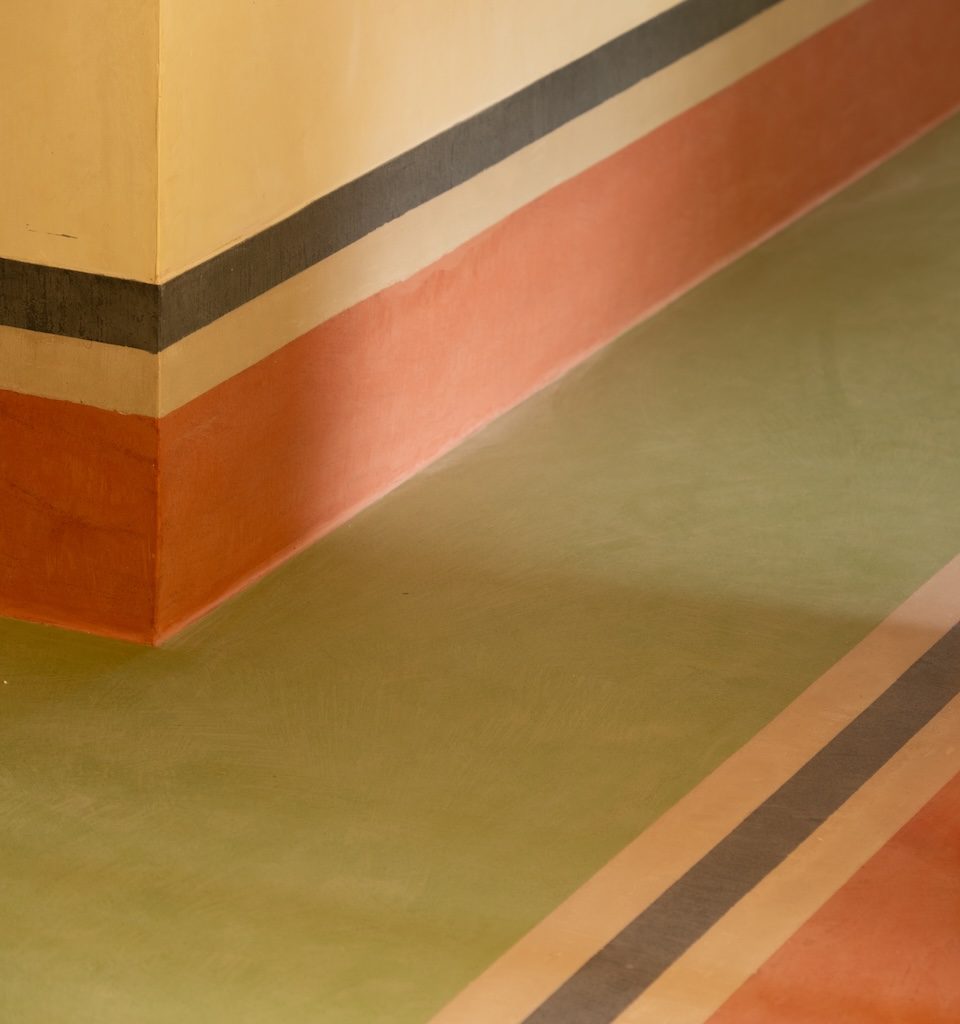
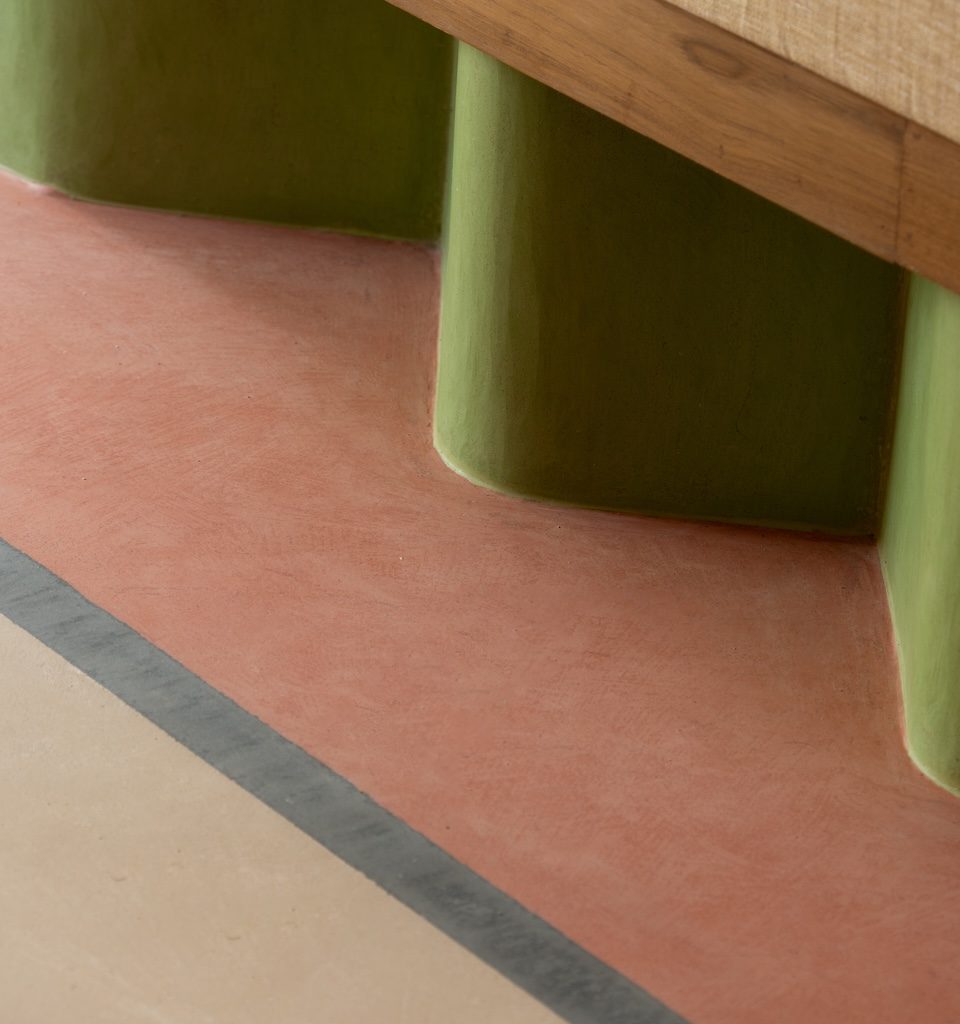
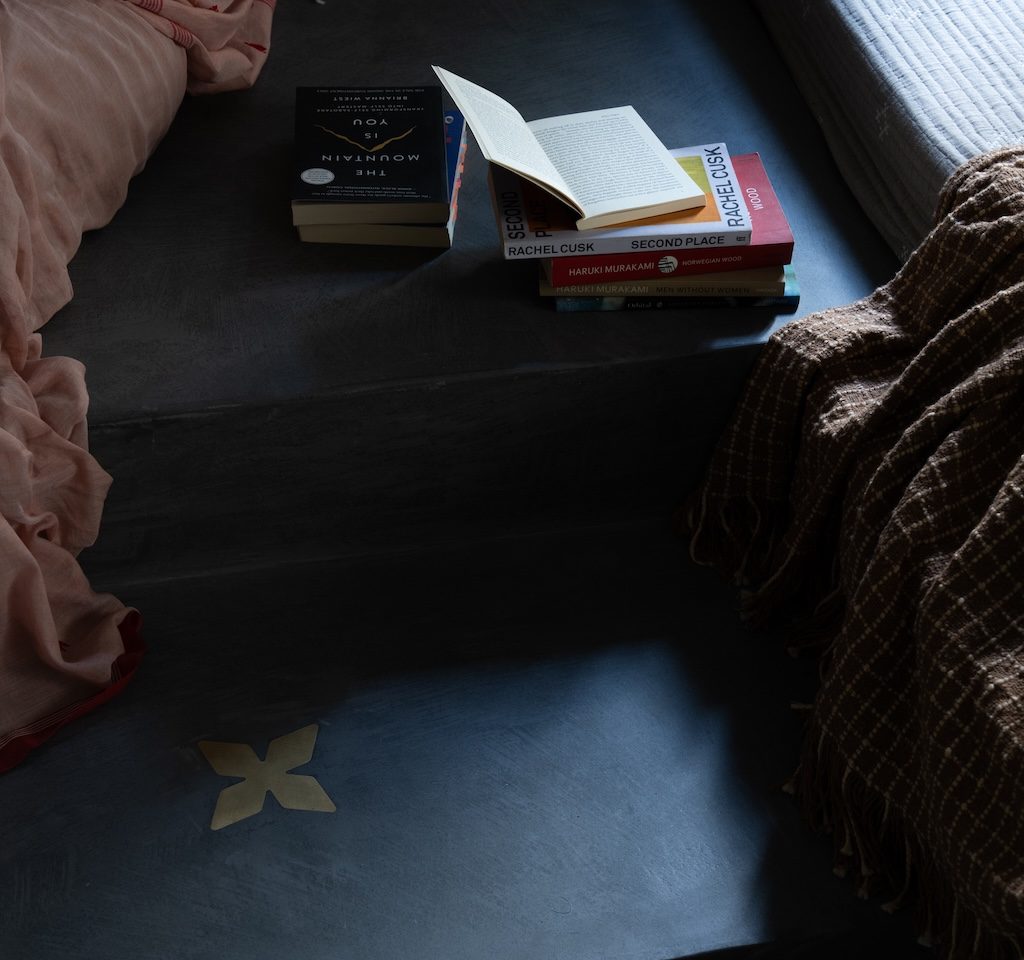
In the living room, the architect wanted to introduce surfaces that felt organic and grounding underfoot. The choice leaned towards wood, raw concrete, jute, and stone. Further, lime-plastered walls lend softness and depth, while terracotta flooring anchors the space in warmth. Copper inlay, shaped into delicate petal forms, is embedded into surfaces as a quiet nod to Indian ritual objects, where brass and copper are part of everyday life. Here, they are not decorative embellishments but meaningful insertions. Terracotta and green form the base palette, complementing one another while keeping the interior grounded.
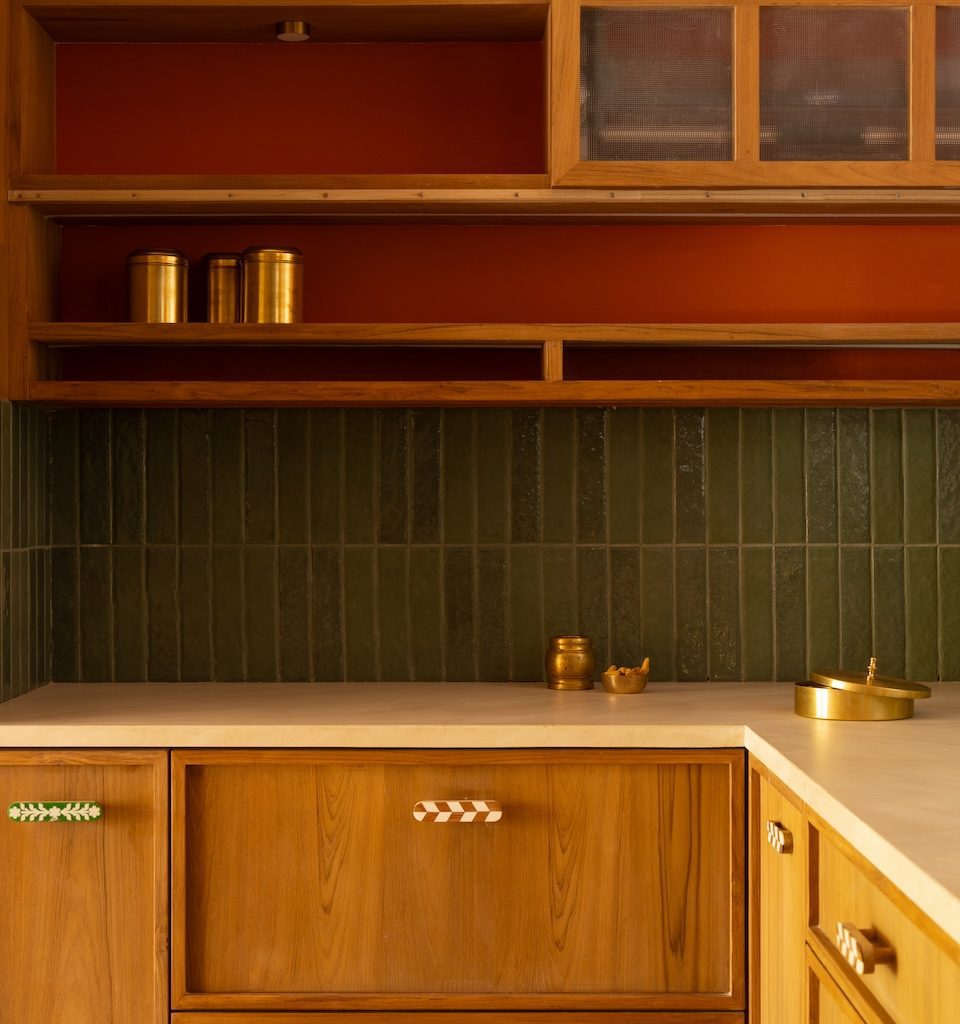
The kitchen continues this material dialogue with minimal veneer cabinetry and terracotta finishes that balance openness with function. As Anagha is a passionate cook and a former MasterChef India participant who documents her recipes, the space was designed to feel inviting yet efficient.
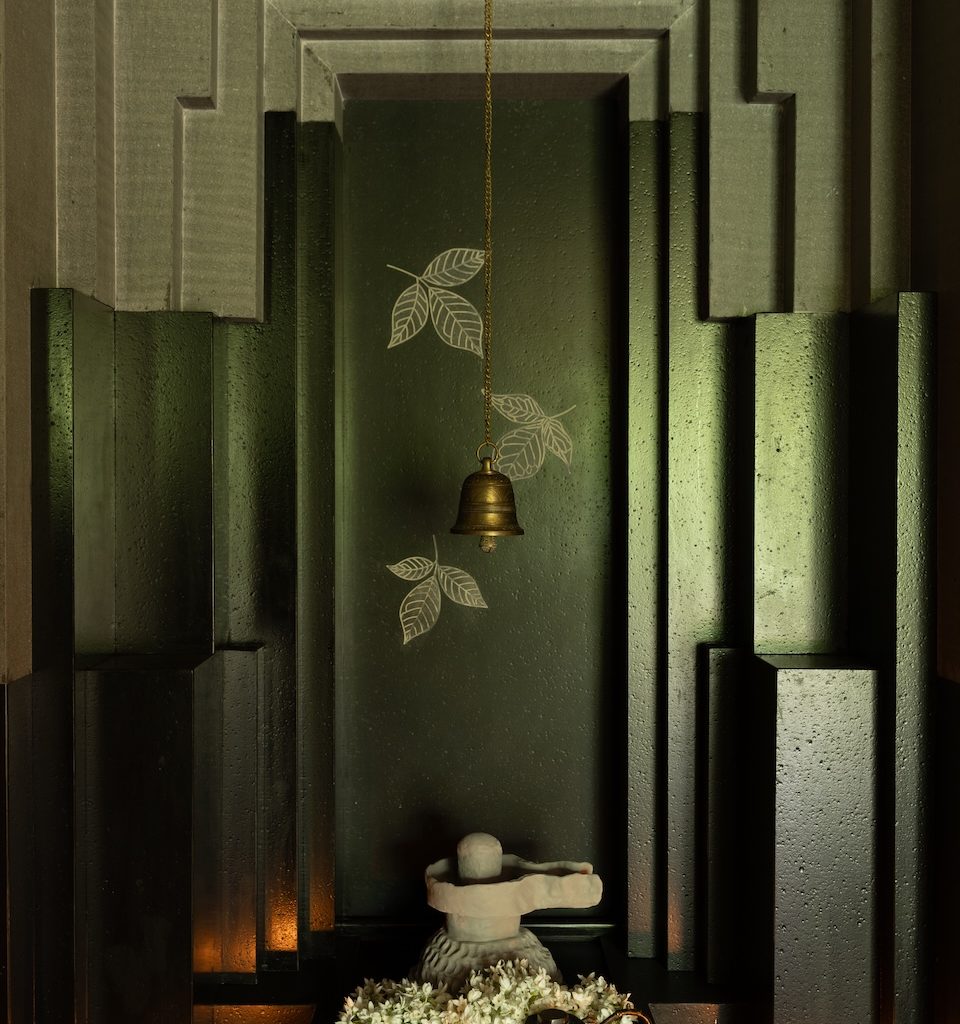
The temple holds particular significance within the home. Dedicated to Mahadev, it is crafted in solid black stone, referencing the material presence of traditional Shiva temples. Behind the lingam, subtle details like bel leaves are engraved directly into the stone.
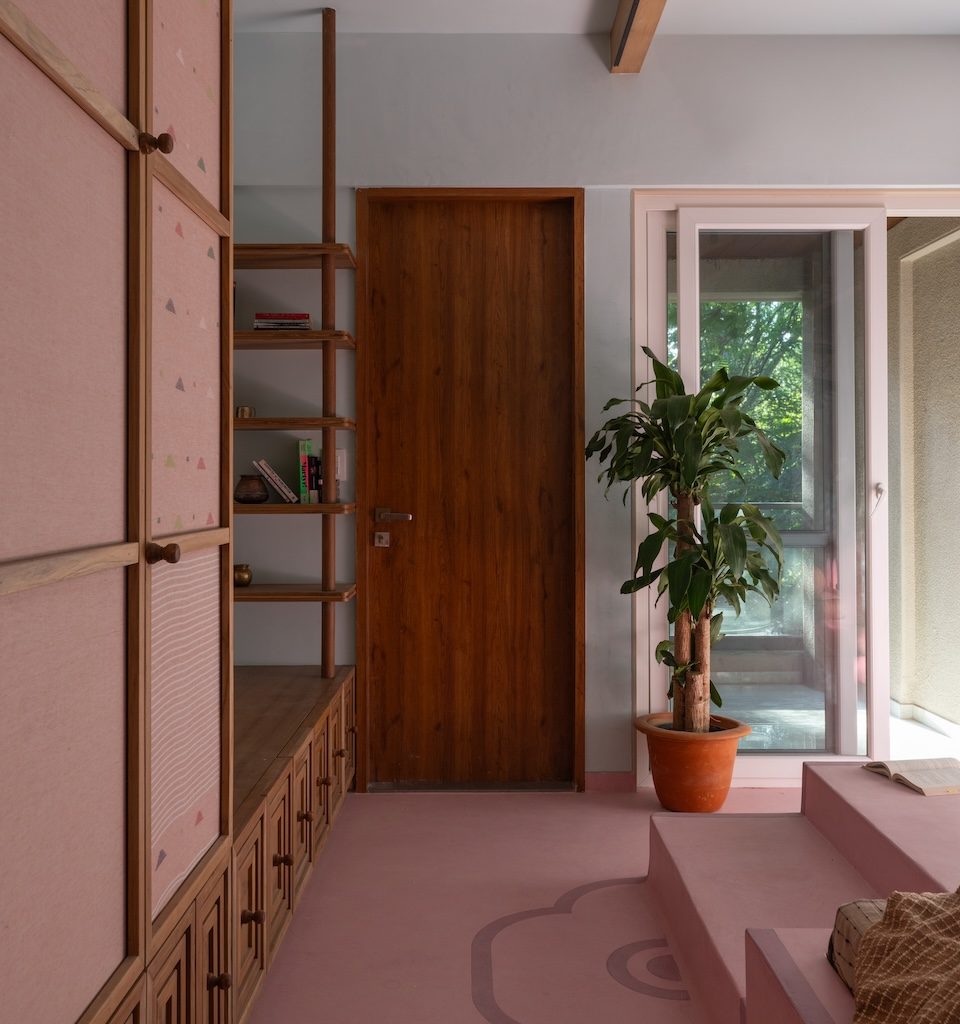
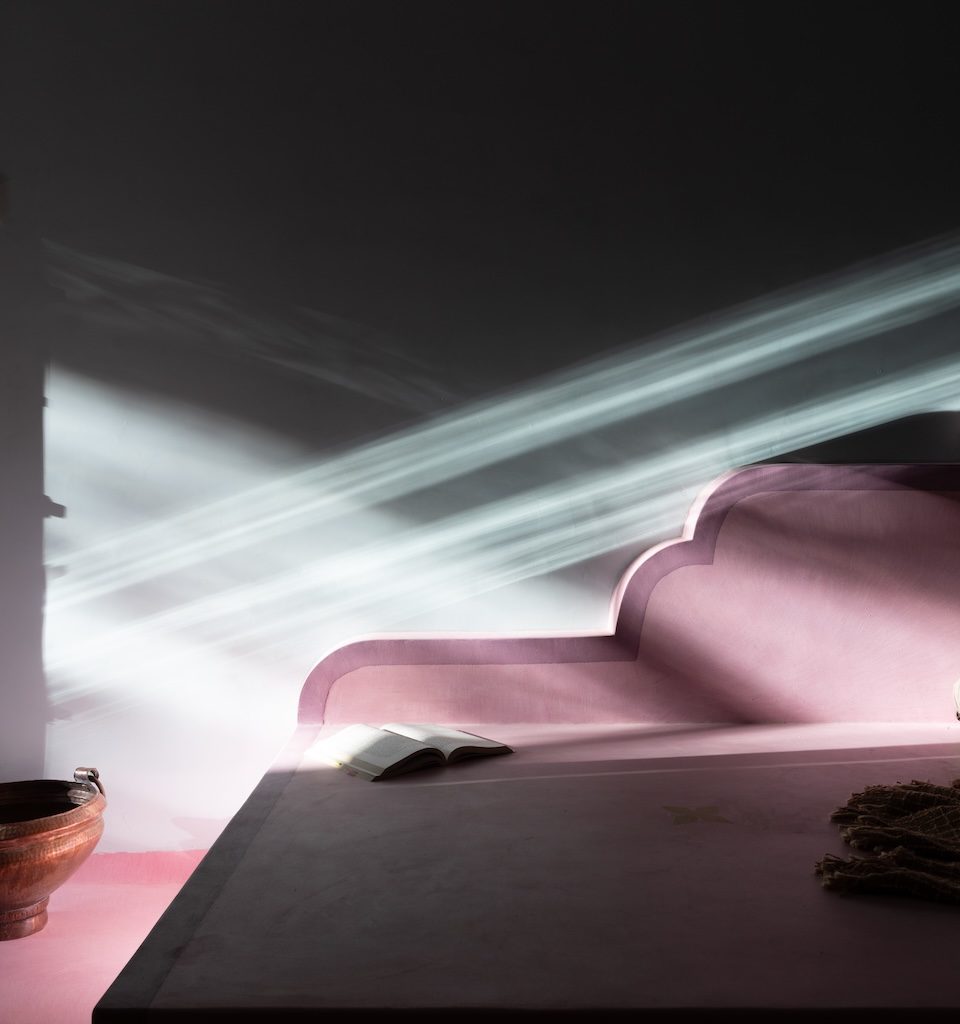
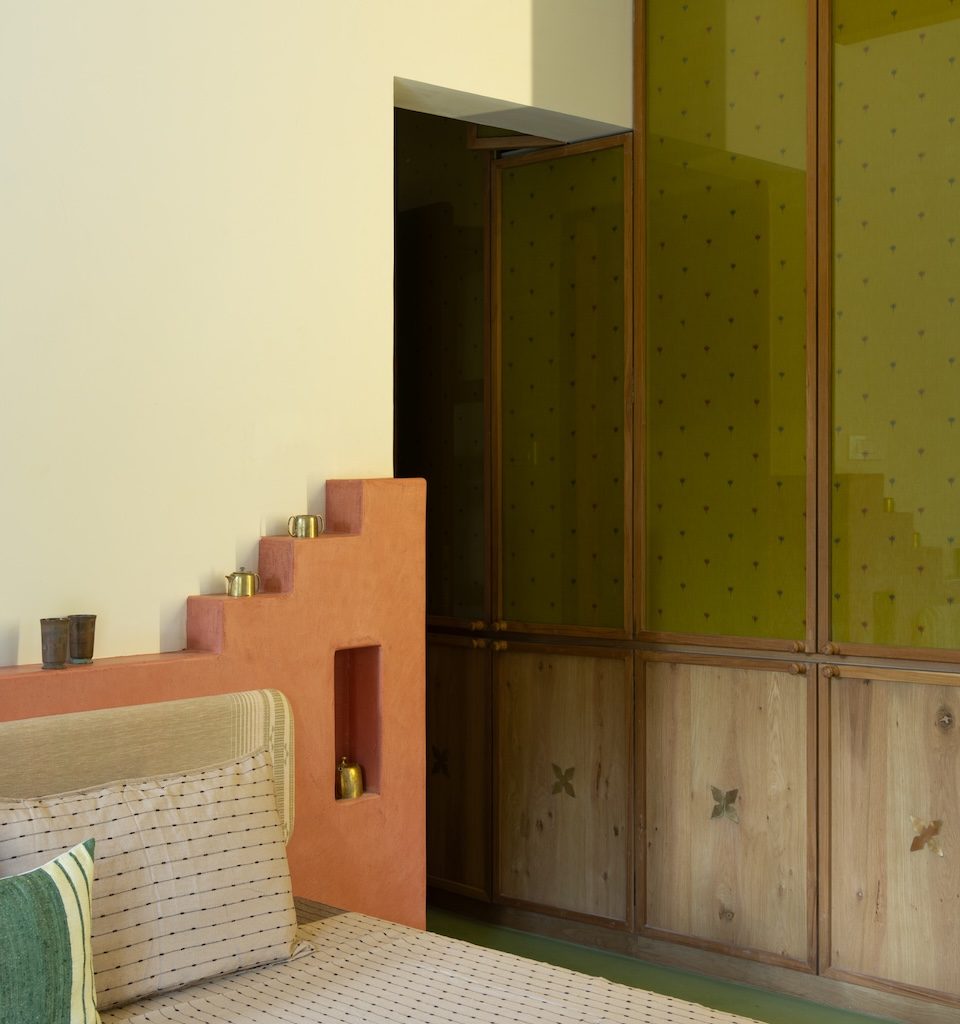
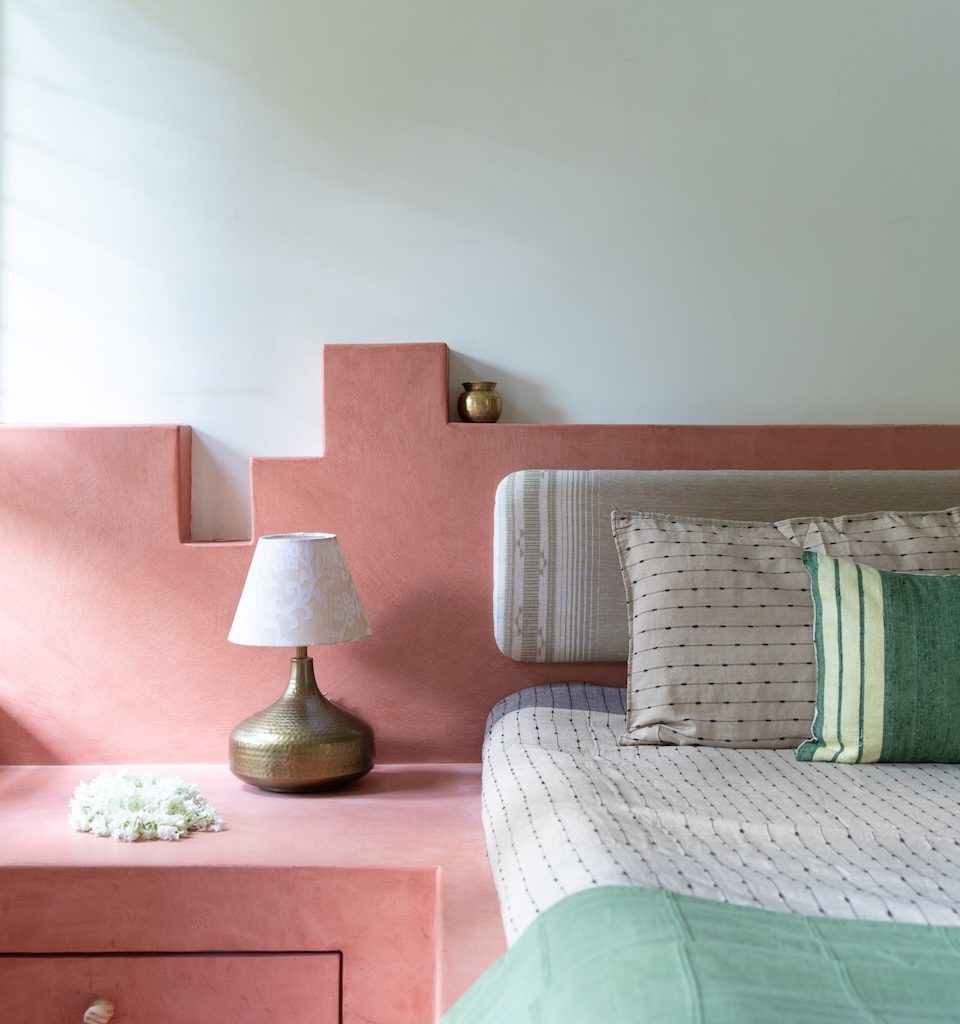
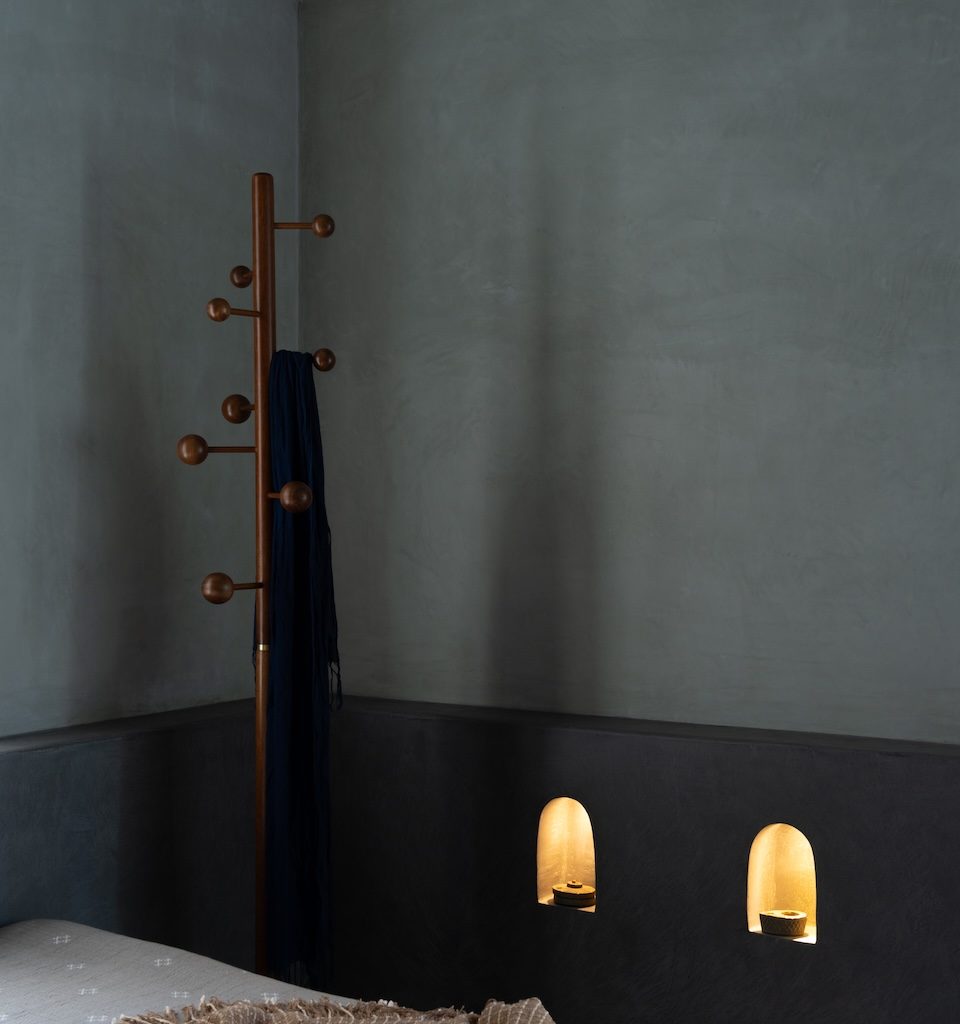
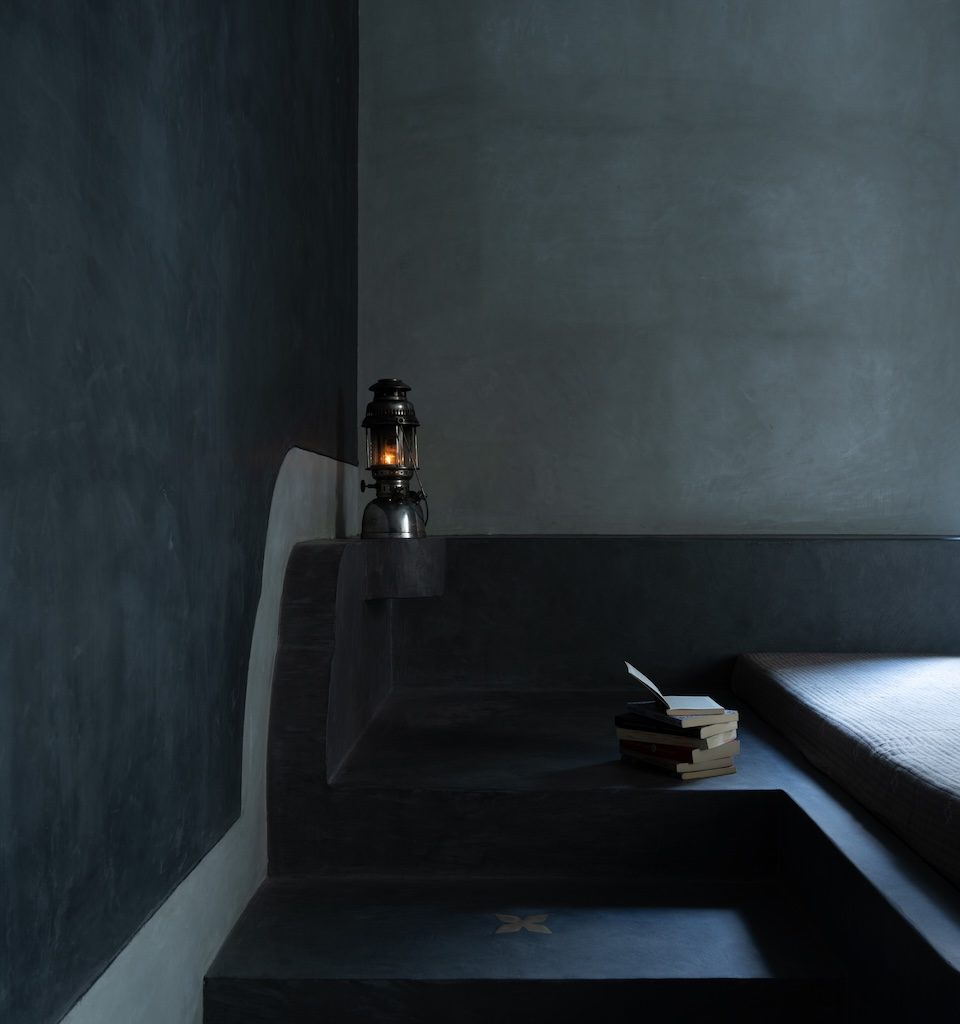
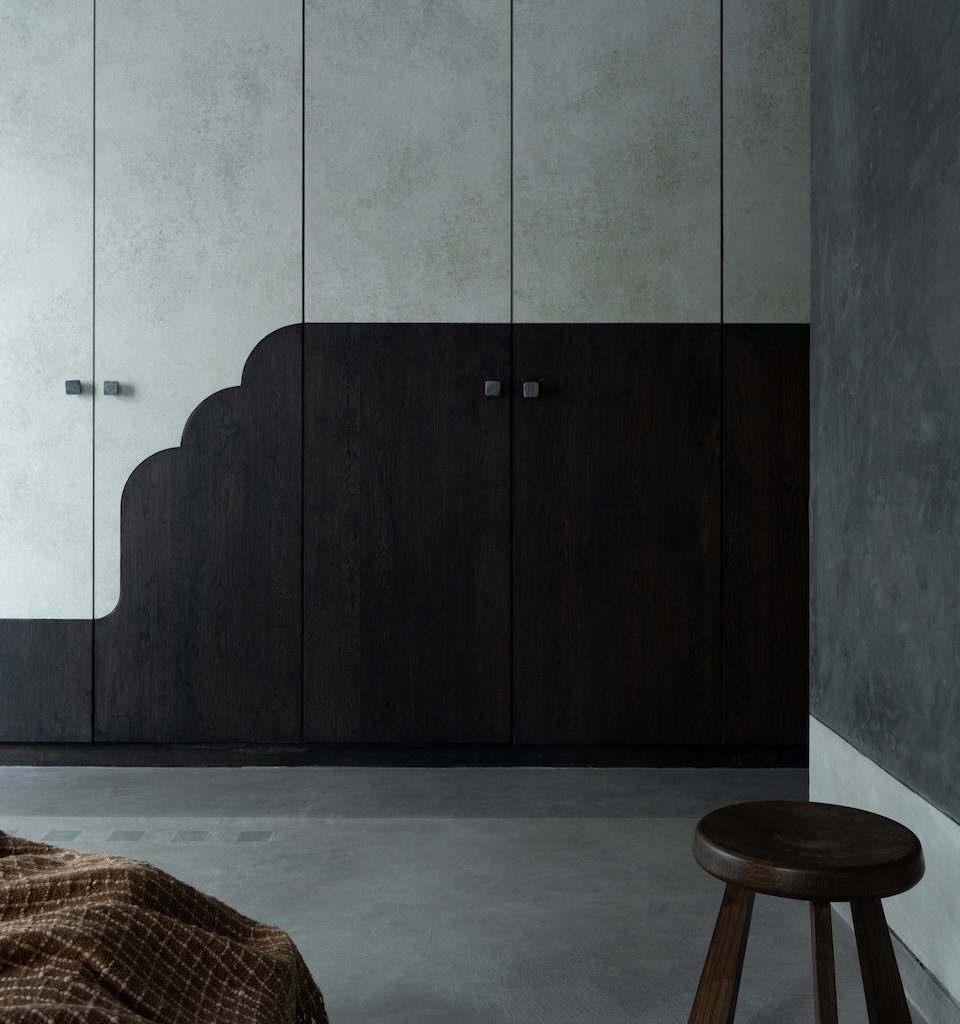
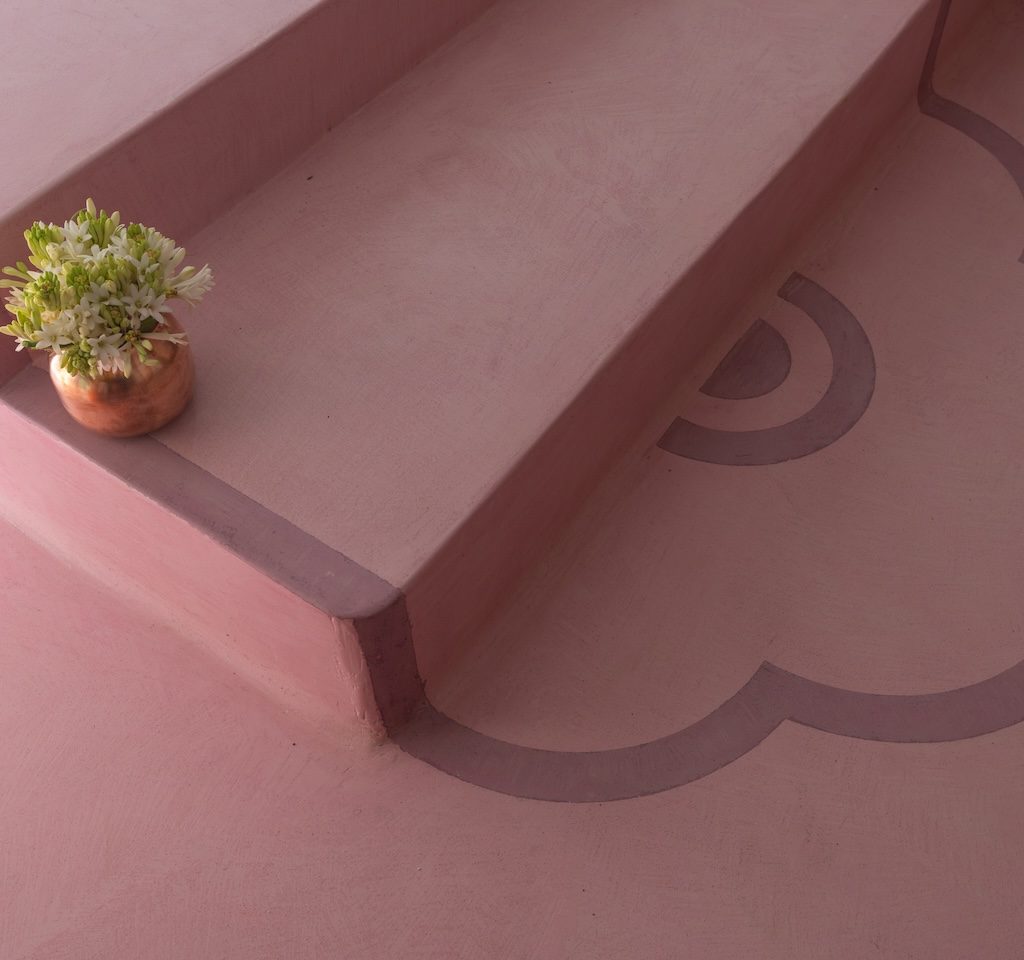
In the master bedroom, terracotta and green reappear through an inbuilt bed, fabric-panelled wardrobes, and a terracotta-framed dressing nook. The son’s bedroom shifts to layered greys, with curved wardrobes and bed forms that merge into the architecture. The daughter’s room adopts a muted pink palette, with a Jamdani saree from Kolkata repurposed as wardrobe shutters, allowing the space to remain expressive yet composed. Select artworks, including pieces sourced from rural North-East India and custom works by artist Pranita Gaidhani, further personalise the interiors.
Fact File
Project: Sabudana Wada
Location: Prabhat Road, Pune, Maharashtra
Area: 1,500 sq ft
Principal architect: Tejas Shintre
Styling: Pranita Gaidhani
Add a Comment