
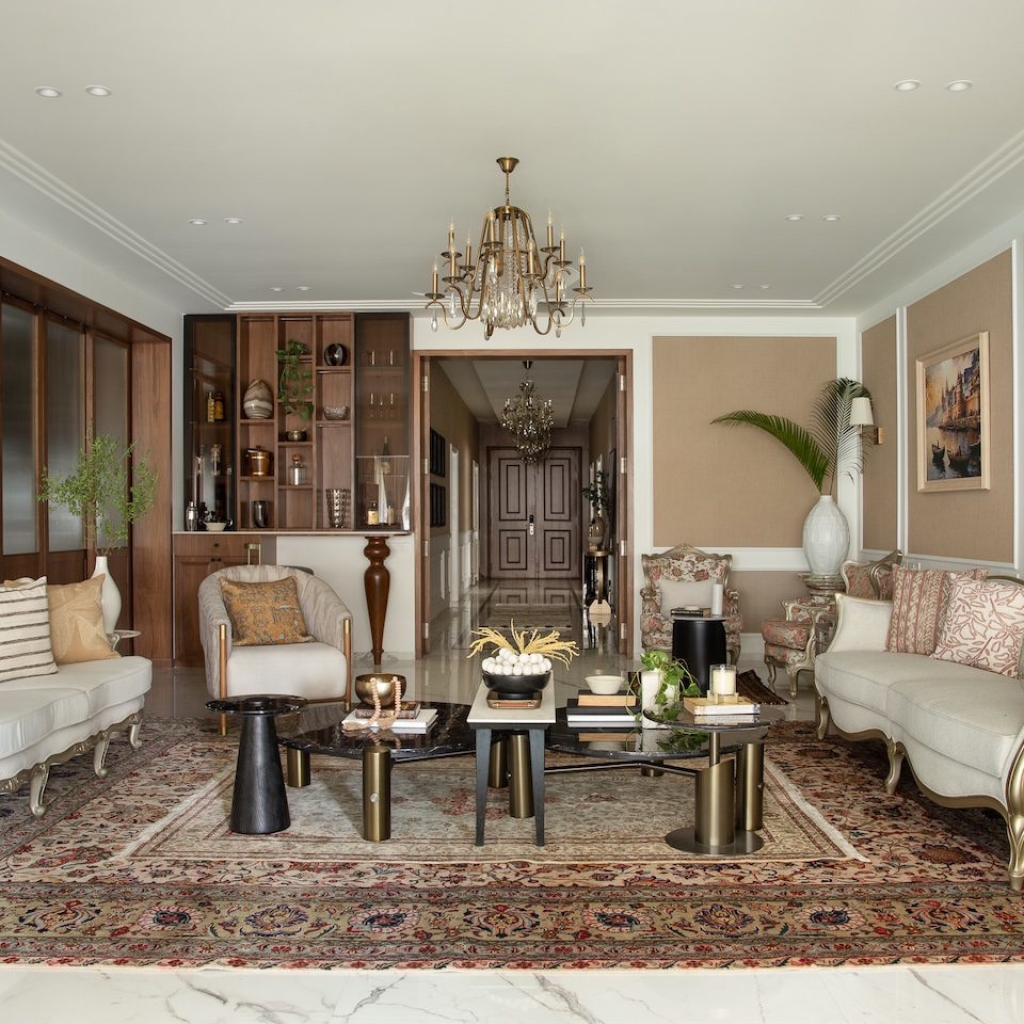
On Mumbai’s Peddar Road, Royal Home Spaces-designed Maharaja’s Pad is a layered residence where classic Indian elegance is carefully preserved and reinterpreted through modern comfort, spatial clarity and refined detailing.
Curated by: Rupali Sebastian
Photographs: Studio Evolve; courtesy Royal Home Spaces
The project
Maharaja’s Pad is a renovated heritage residence in Mumbai that reflects a thoughtful dialogue between memory and modern living. Designed by Vishal Nisar and Gunjan Hukku of Royal Home Spaces, the project transforms a 60-year-old home into a refined contemporary residence while retaining the spirit of its original character. Rather than erasing the past, the design builds upon it—allowing restored furniture, layered materials and reimagined spaces to carry forward a sense of legacy adapted to present-day needs.
The site
Located on Peddar Road, one of Mumbai’s most established residential neighbourhoods, the home sits within an ageing building that carried both architectural limitations and emotional value. The existing layout reflected an earlier era of living, marked by compartmentalised rooms and redundant circulation. These constraints shaped a design approach rooted in careful spatial restructuring rather than cosmetic change.
The brief
What began as a set of minor upgrades gradually evolved into a comprehensive renovation. The residents sought a home that felt updated and functional while continuing to reflect its classic Indian identity. Comfort, improved circulation and openness were key priorities, alongside the desire to retain vintage furniture and familiar elements that carried emotional significance. As Hukku notes, “The intent was never to discard what already existed, but to enhance it—retaining the soul of the home while adapting it to present-day living.”
The design intent
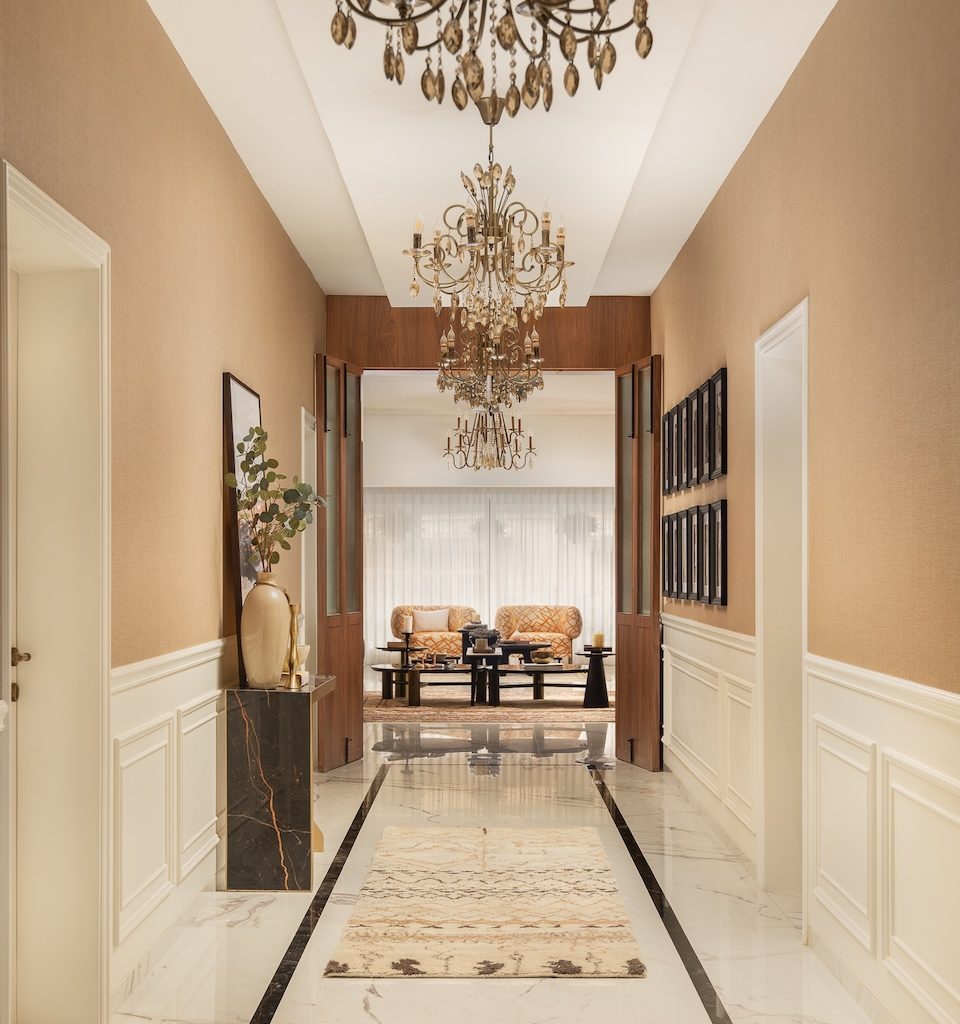
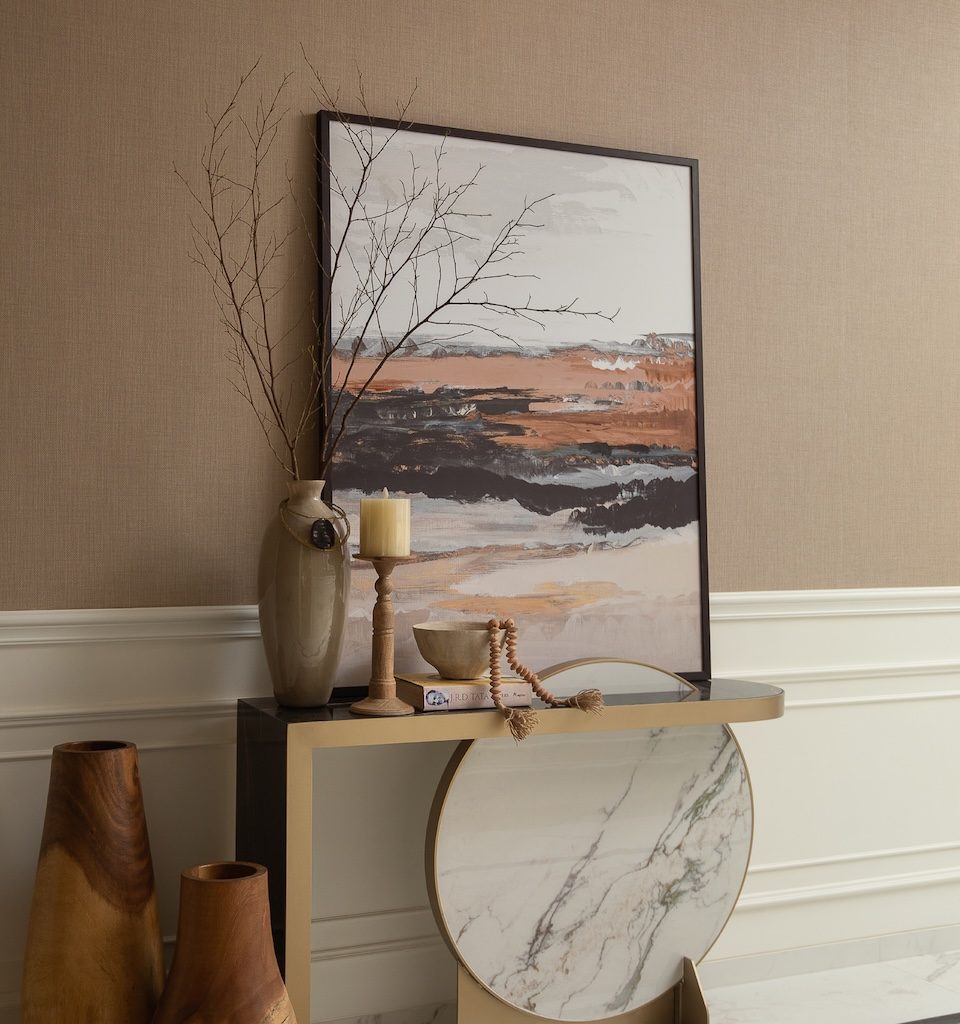
The design intent was to modernise the home without stripping it of its cultural and emotional layers. Each space was conceived with a distinct identity, yet unified through a cohesive material and tonal language. Traditional Indian elements were reinterpreted through contemporary finishes and detailing, allowing the home to feel rooted yet current. Reflecting this approach, Nisar explains, “Every room was designed to have its own character, while still belonging to a larger, cohesive narrative across the home.”
The civil intervention
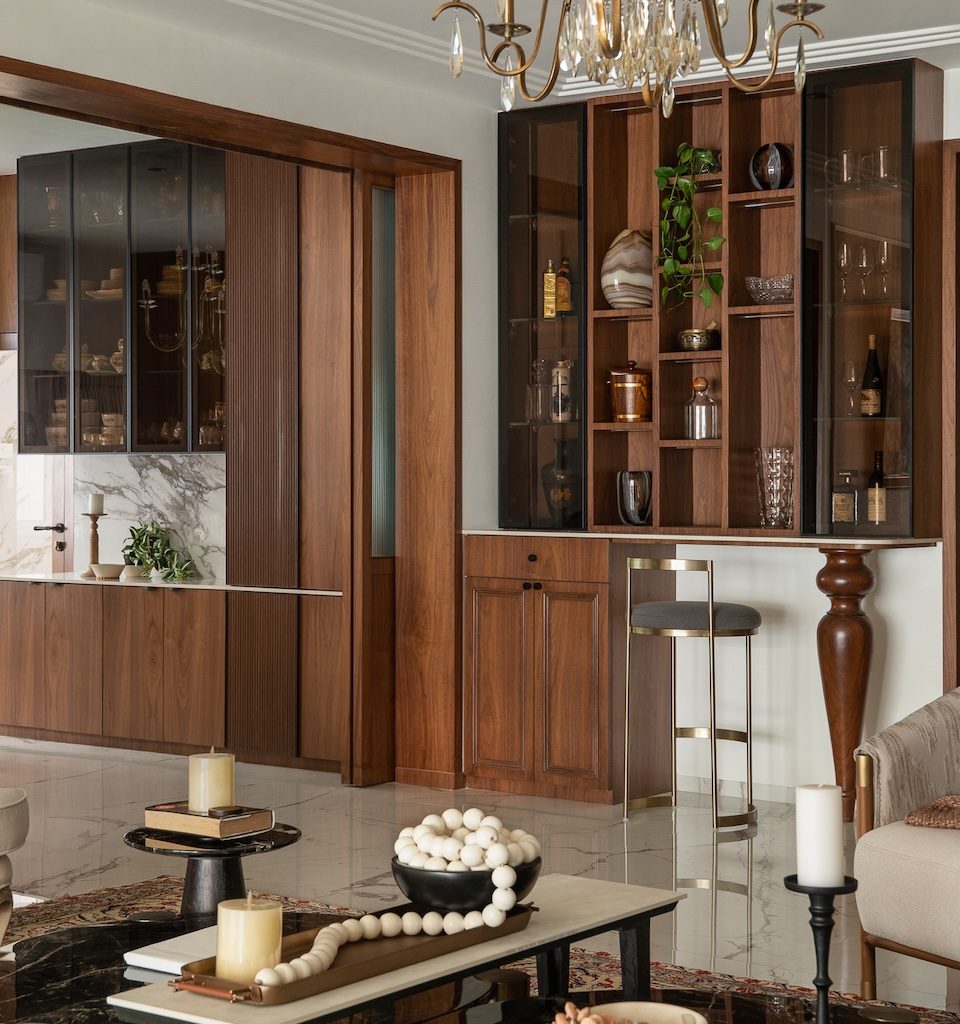
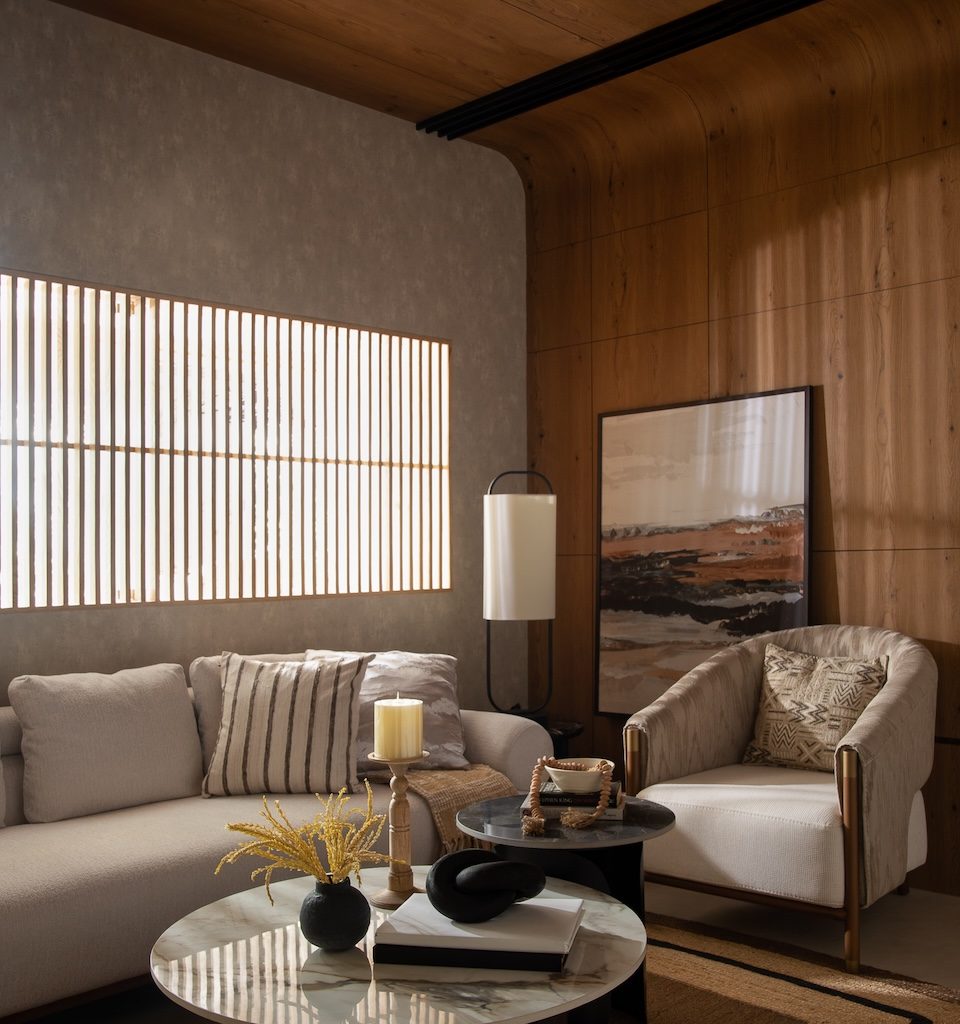
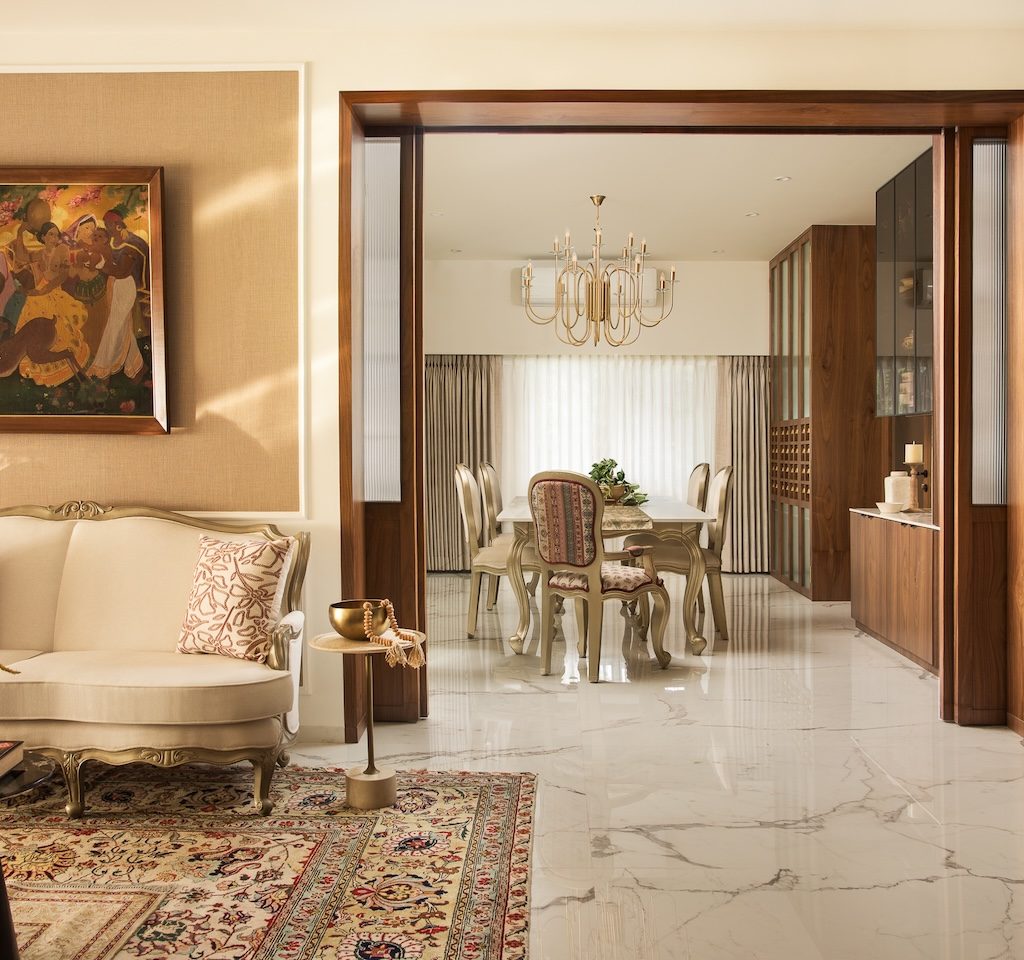
Significant civil interventions were undertaken to improve spatial flow and functionality. Walls between the living and dining areas were removed to establish direct access to the kitchen, creating a more open and connected social zone. Redundant passages were eliminated, and a large storage room was transformed into an informal living area. These changes enhanced circulation and usability while respecting the structural integrity of the original building.
The spatial flow
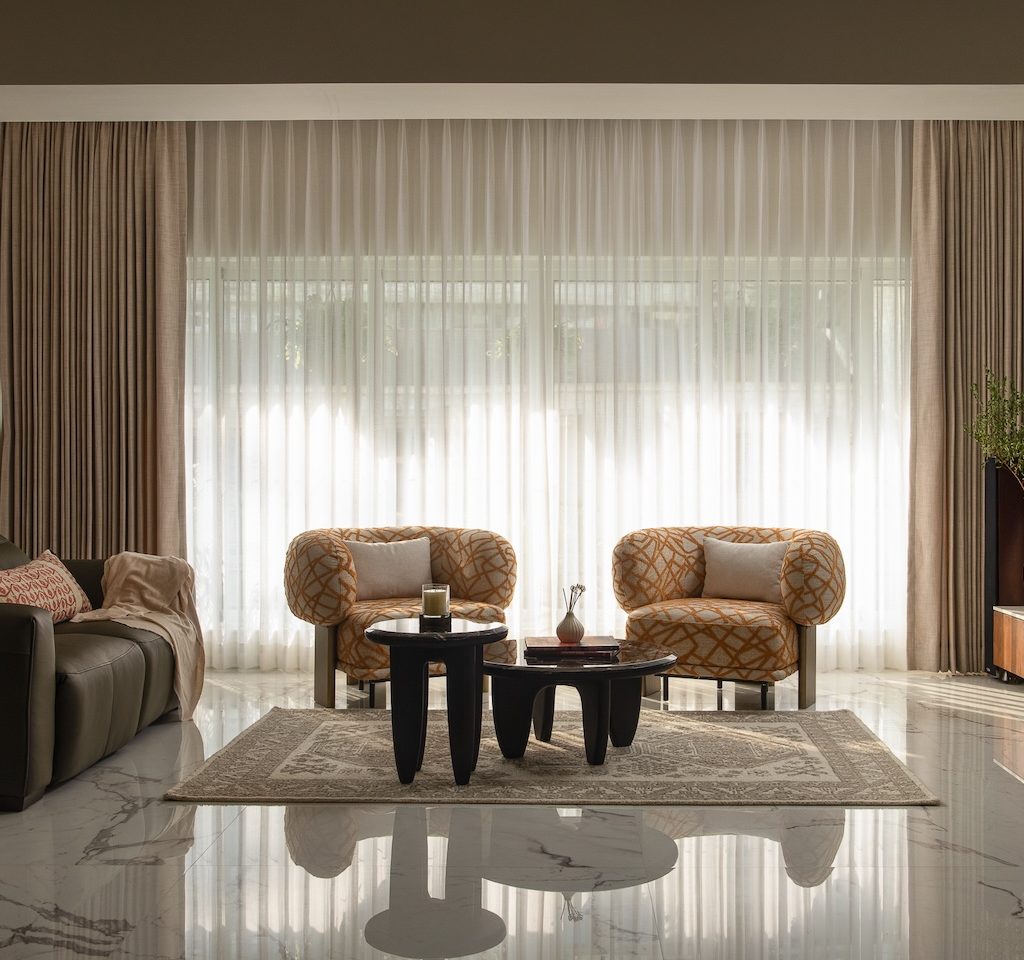
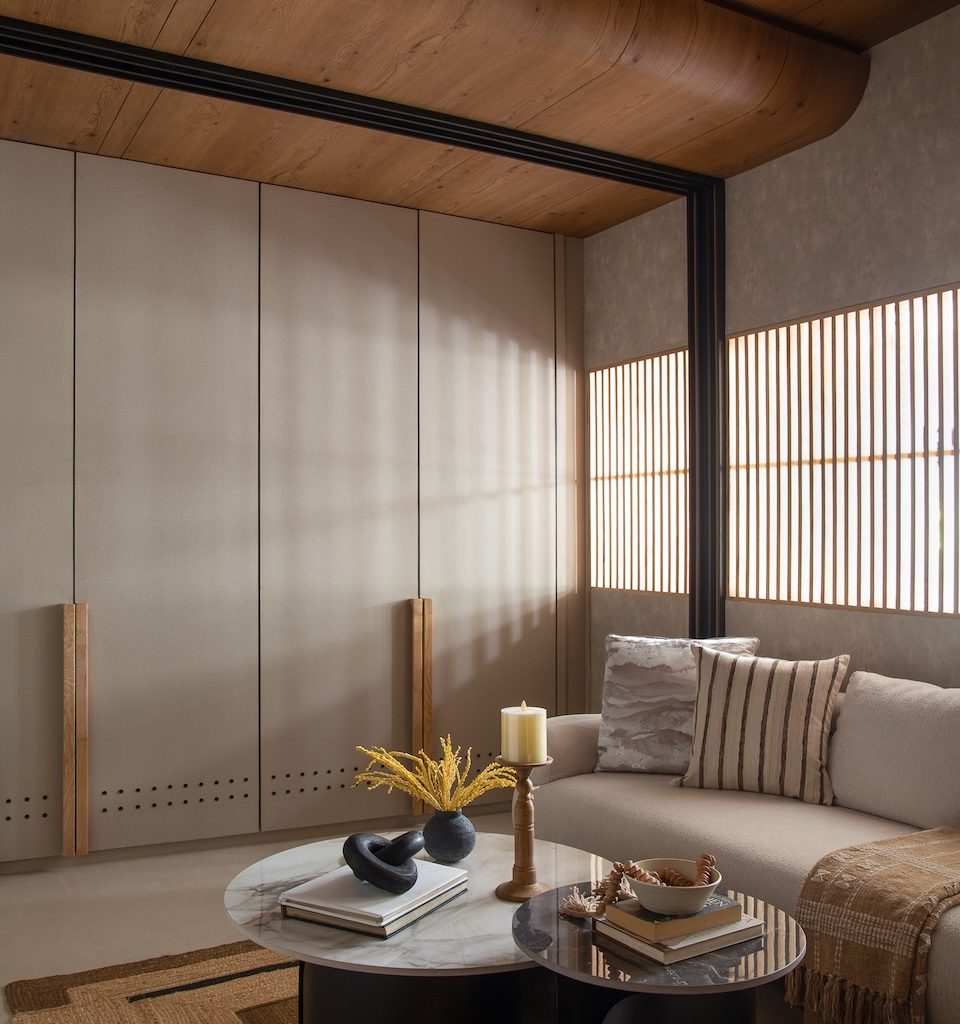
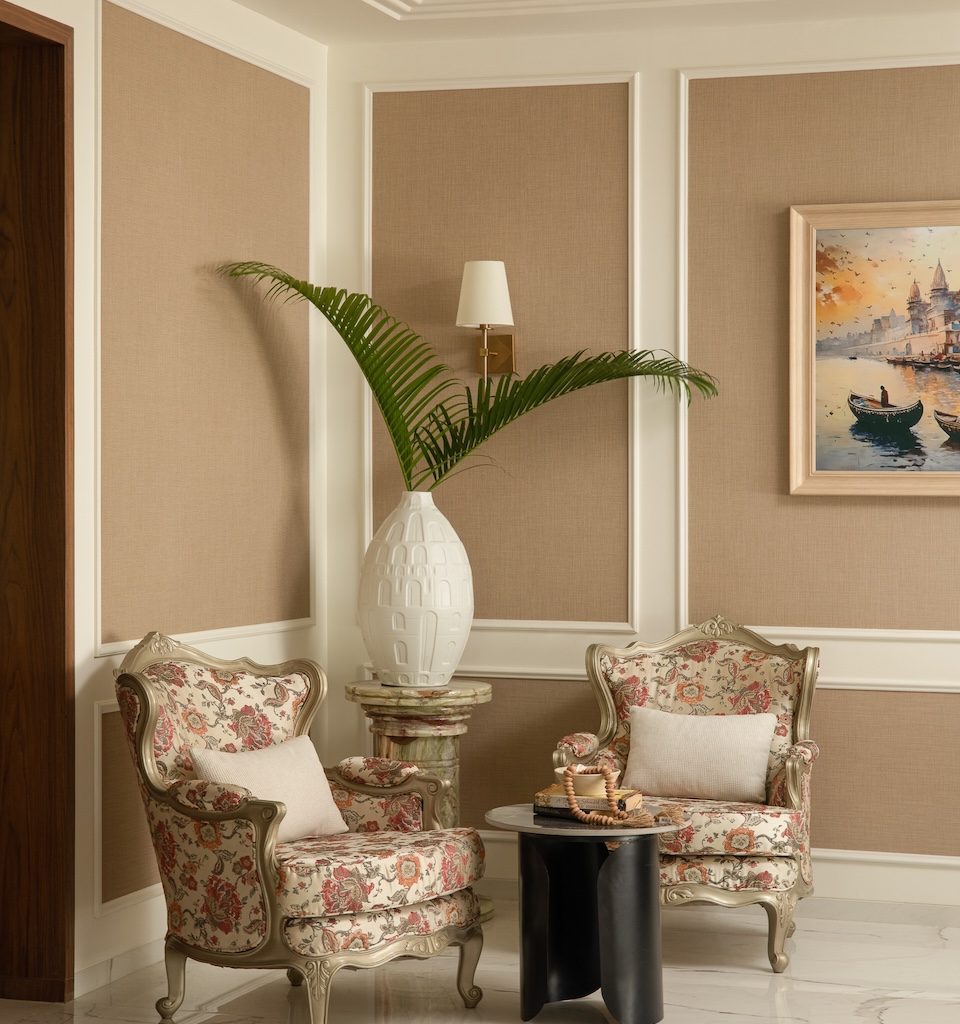
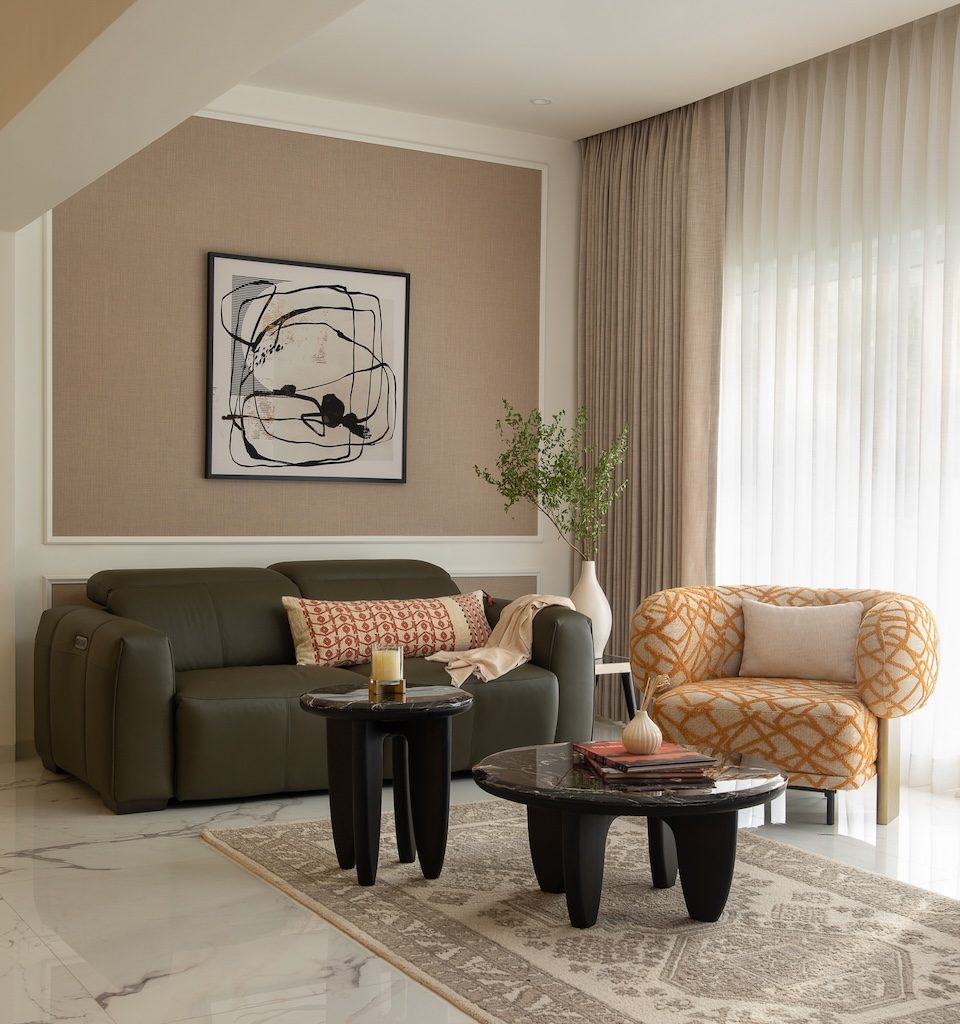
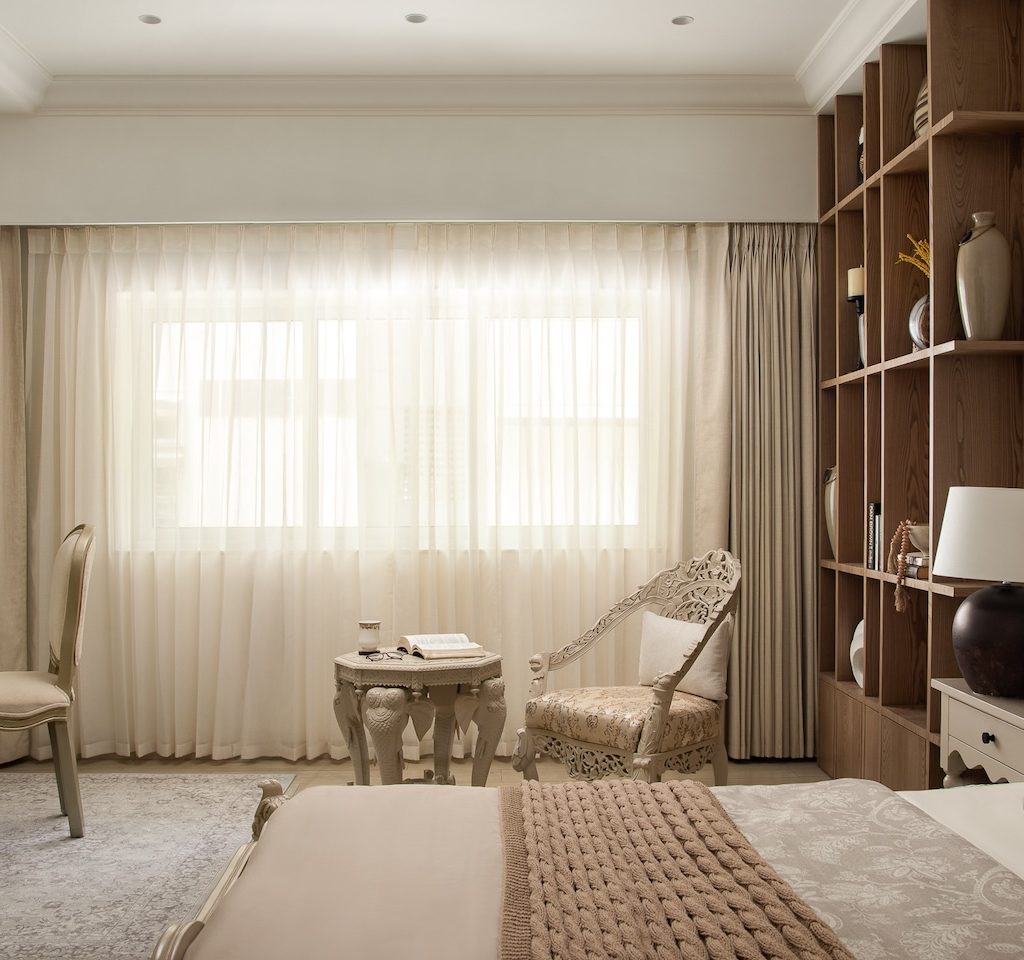
The home unfolds as a sequence of varied yet connected spaces, each designed with a distinct atmosphere. The formal living area retains a sense of old-world elegance through restored furniture and layered textures, while flowing seamlessly into the dining space, which opens further through sliding doors to connect with adjacent areas. An informal living room offers a quieter, more relaxed retreat, while bedrooms are planned as individual sanctuaries. Despite the variety, movement through the home feels fluid, guided by improved circulation and visual continuity.
The material palette
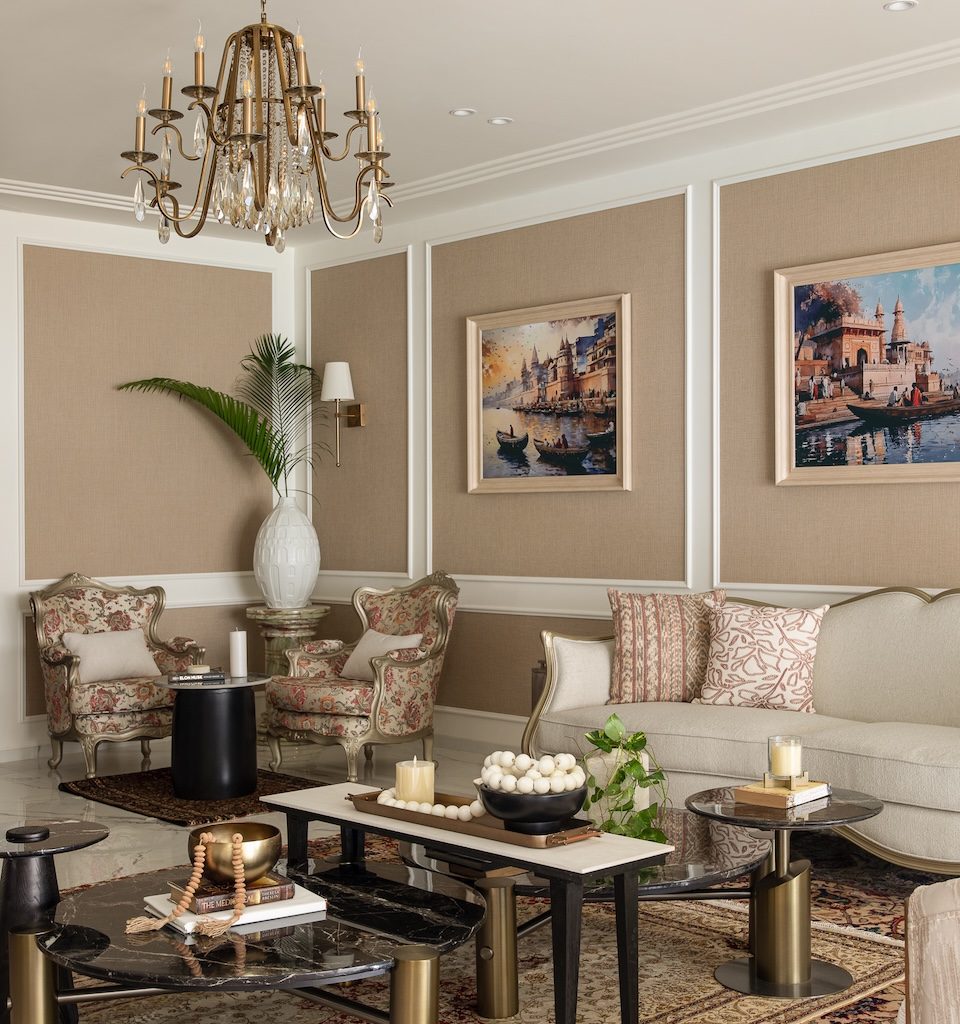
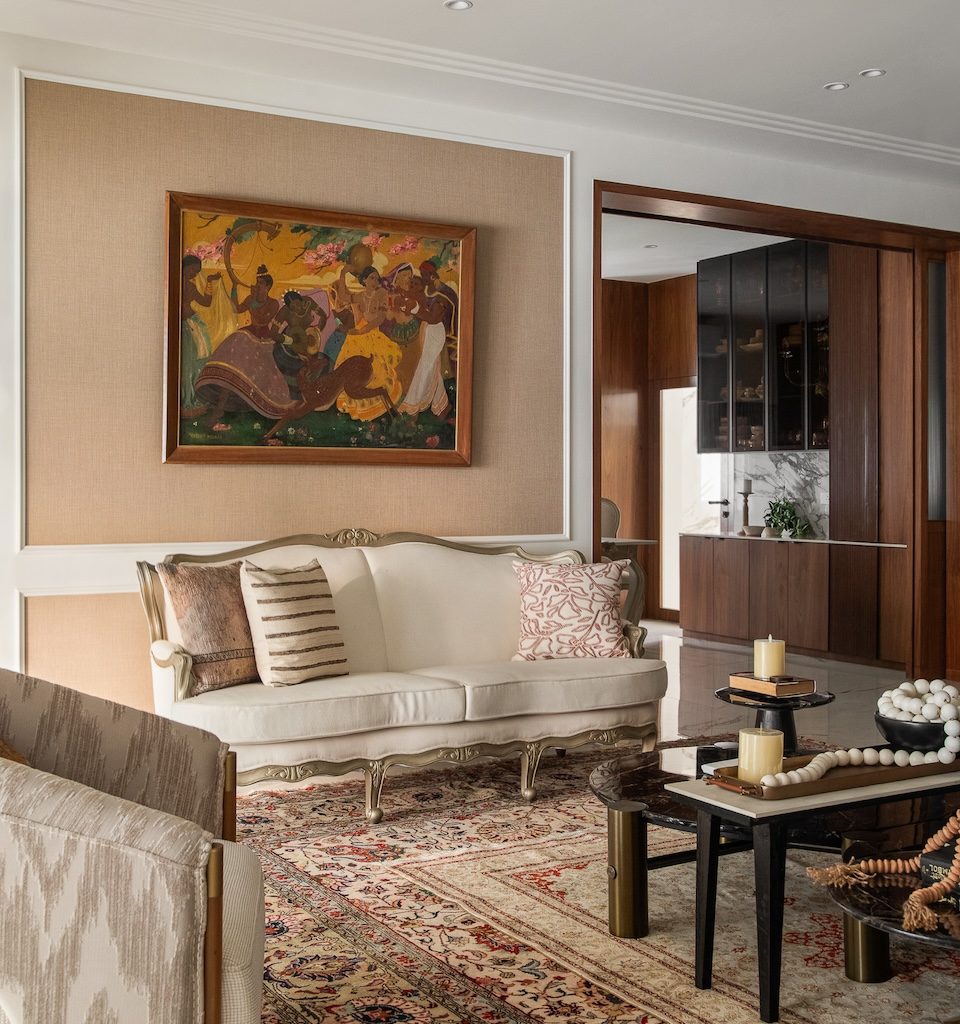
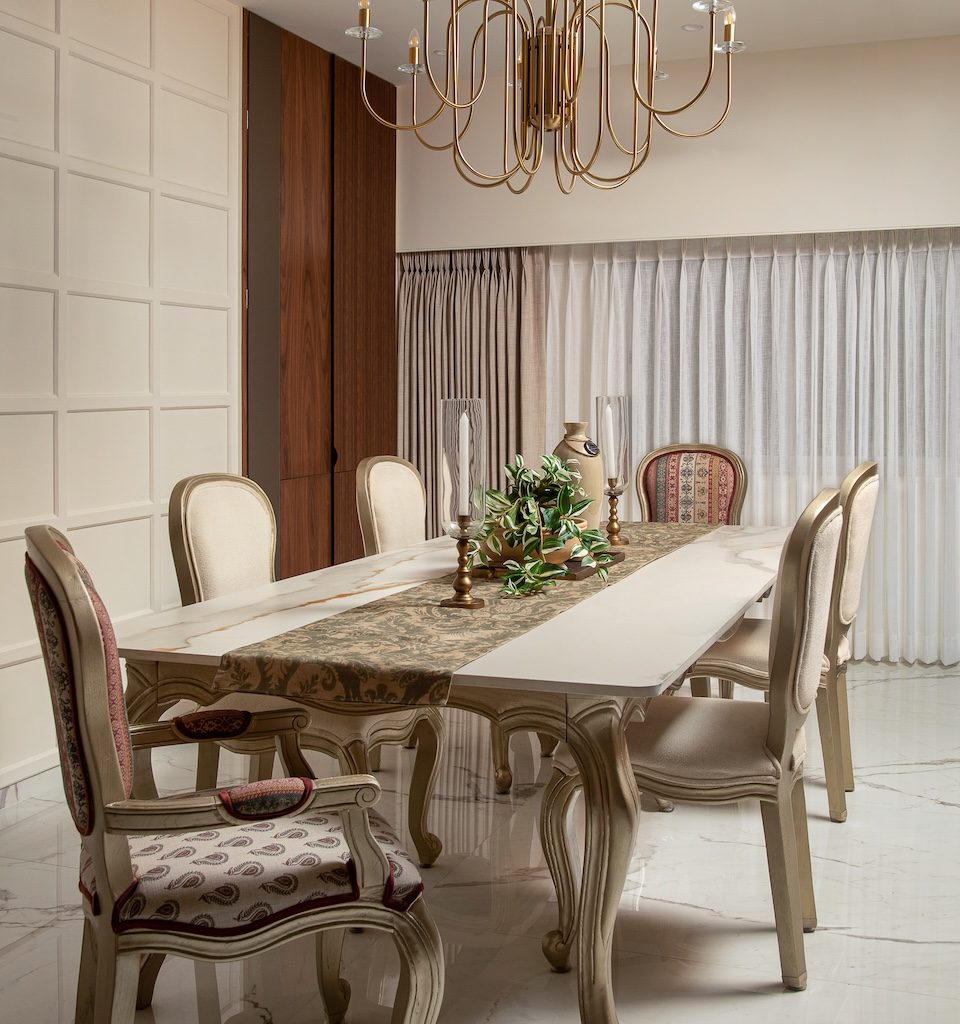
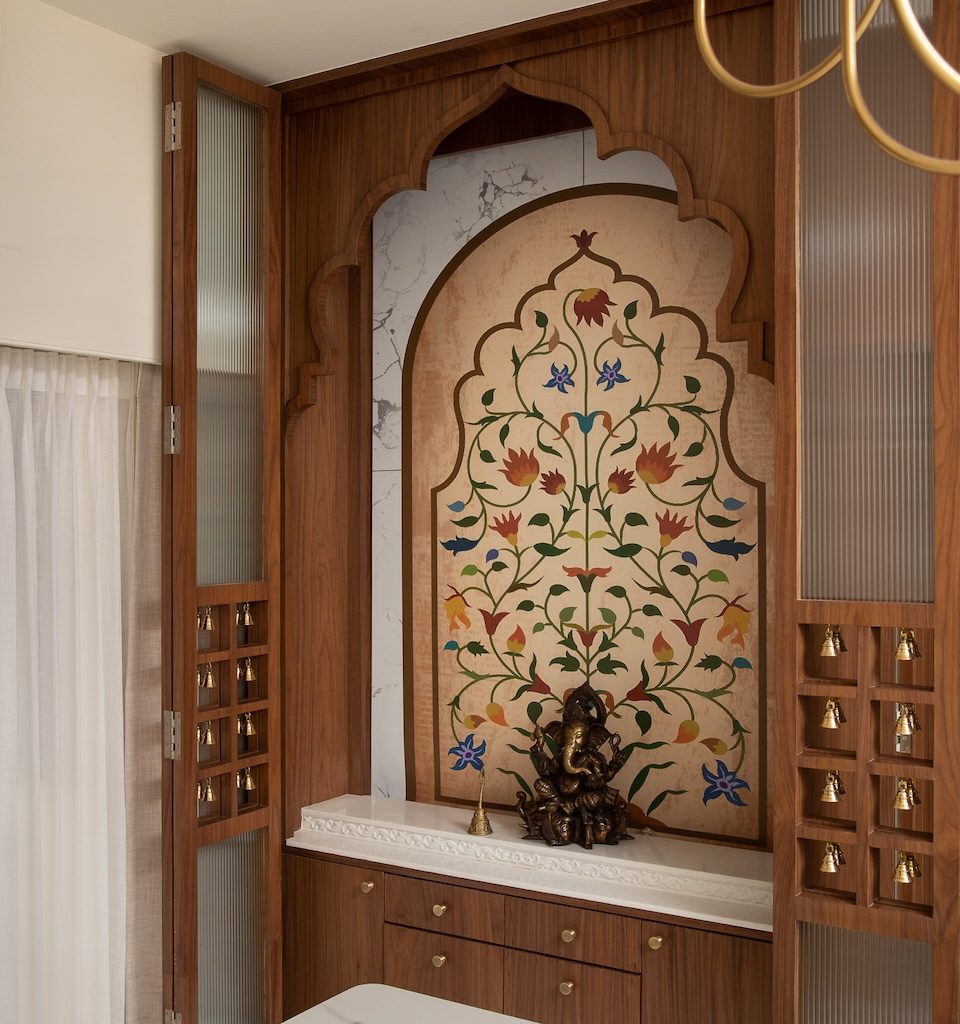
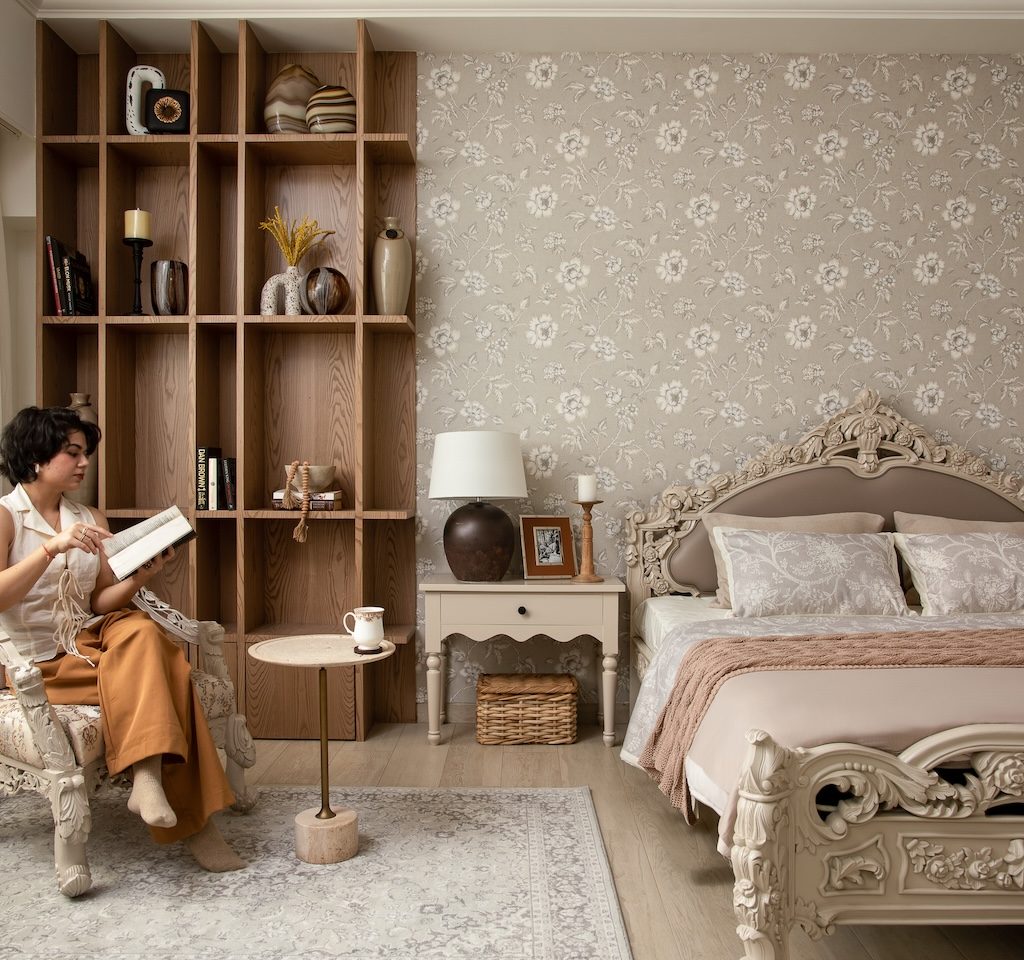
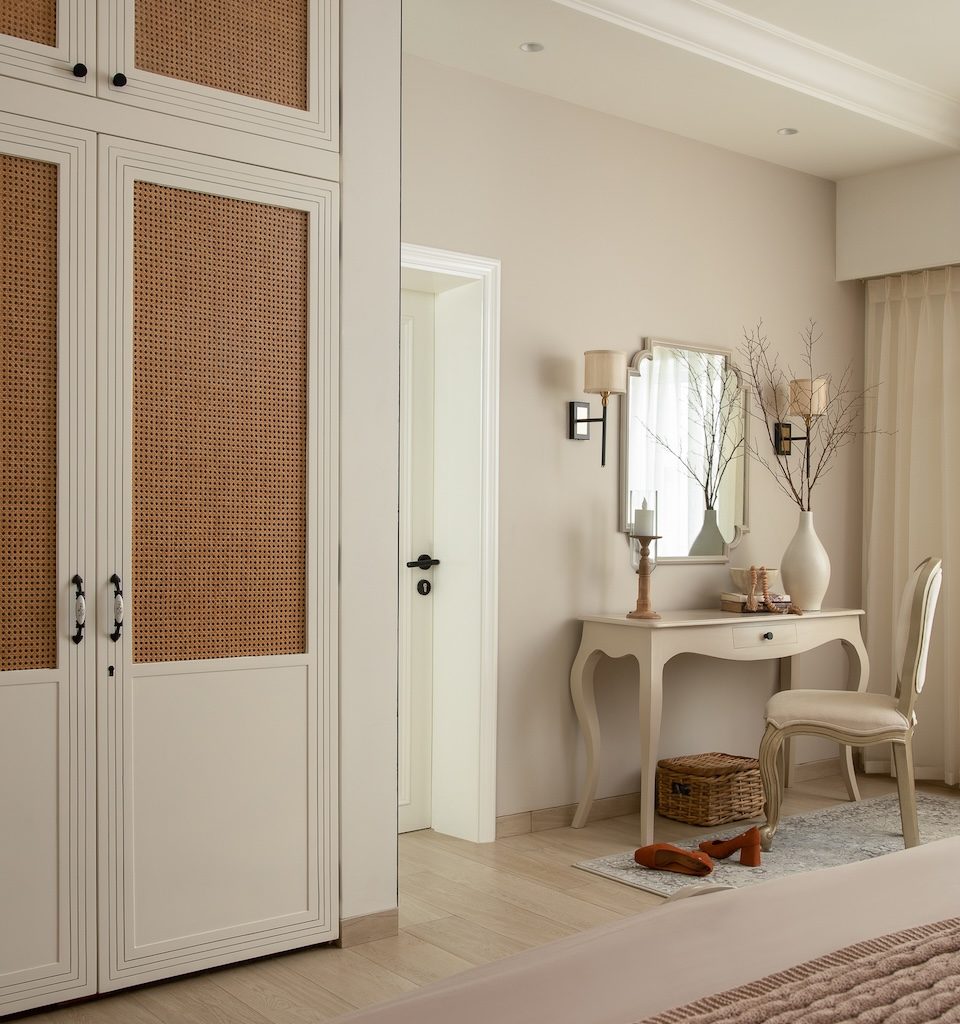
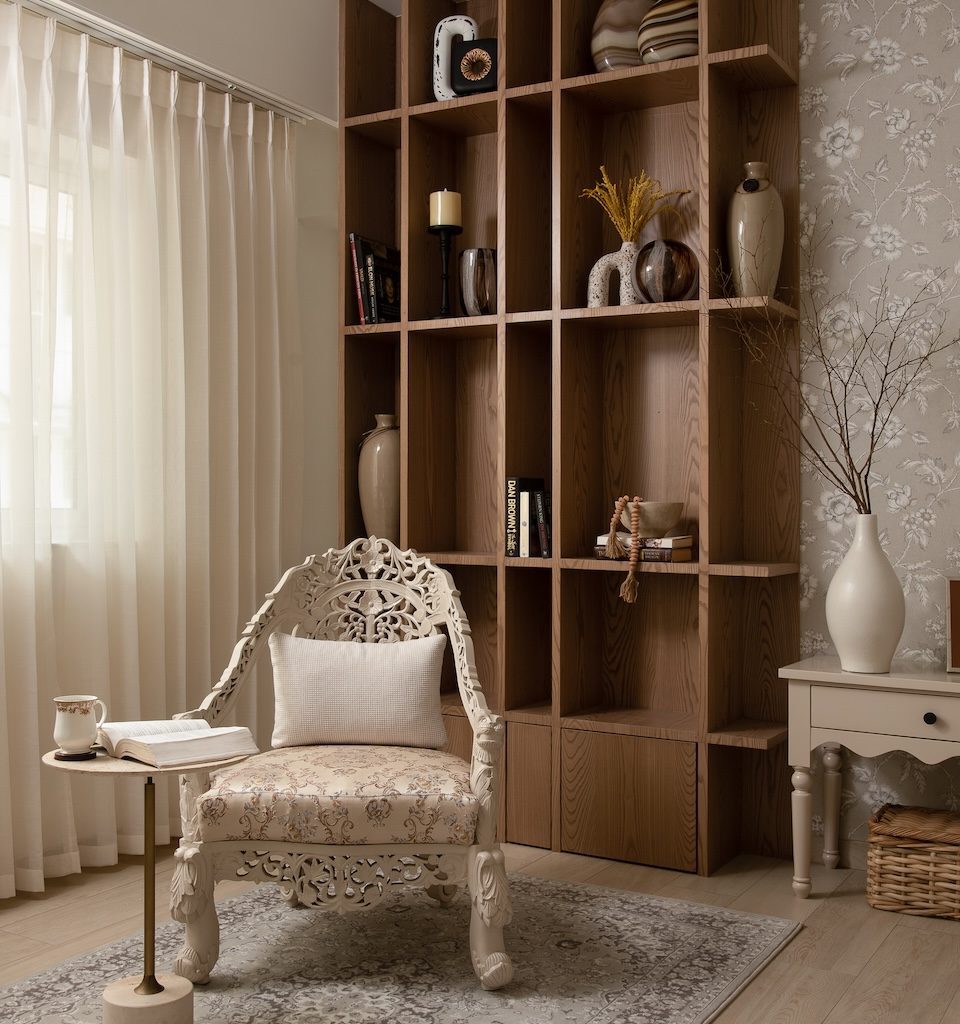
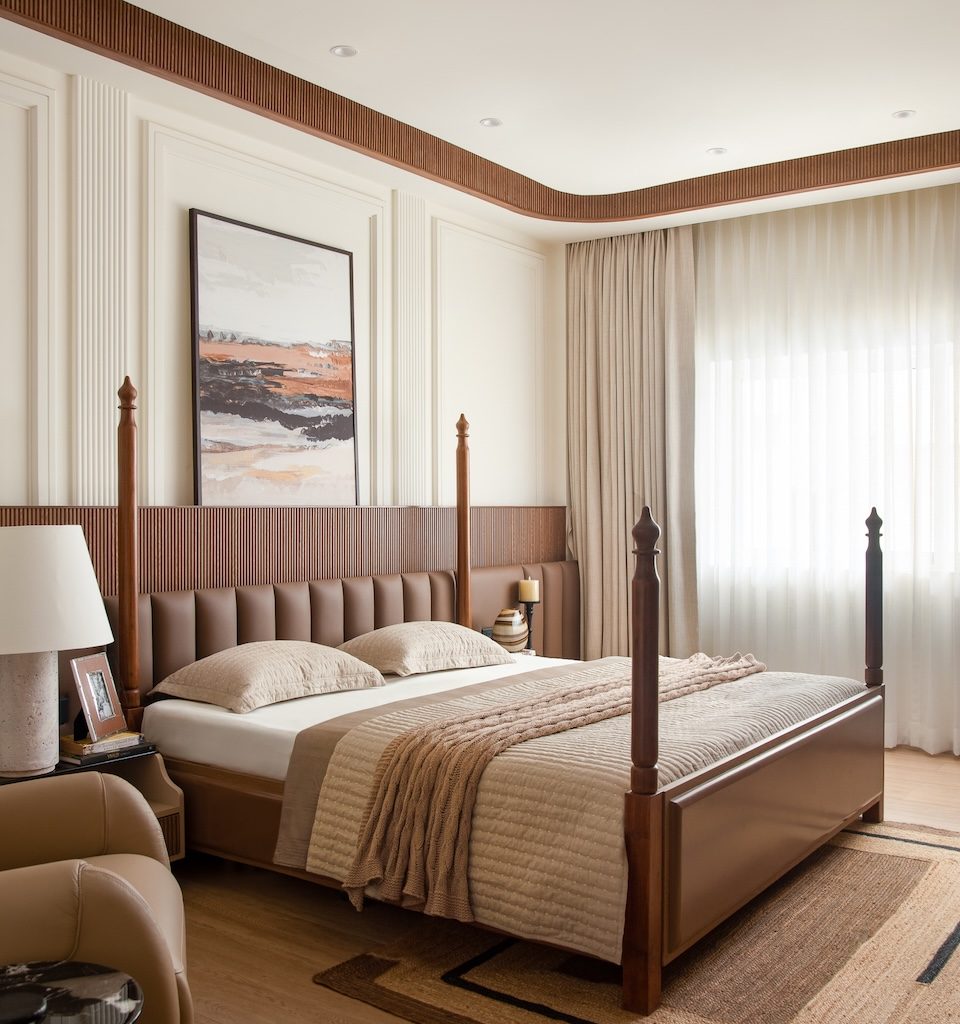
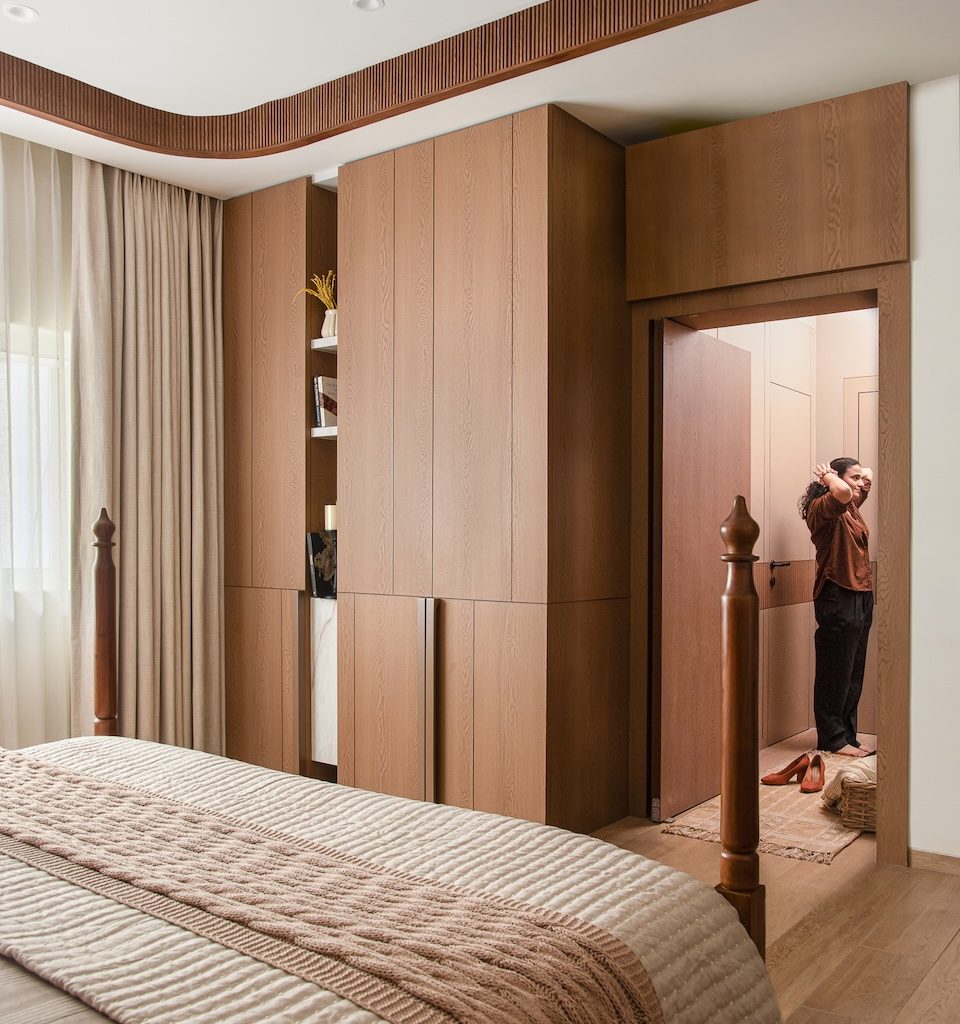
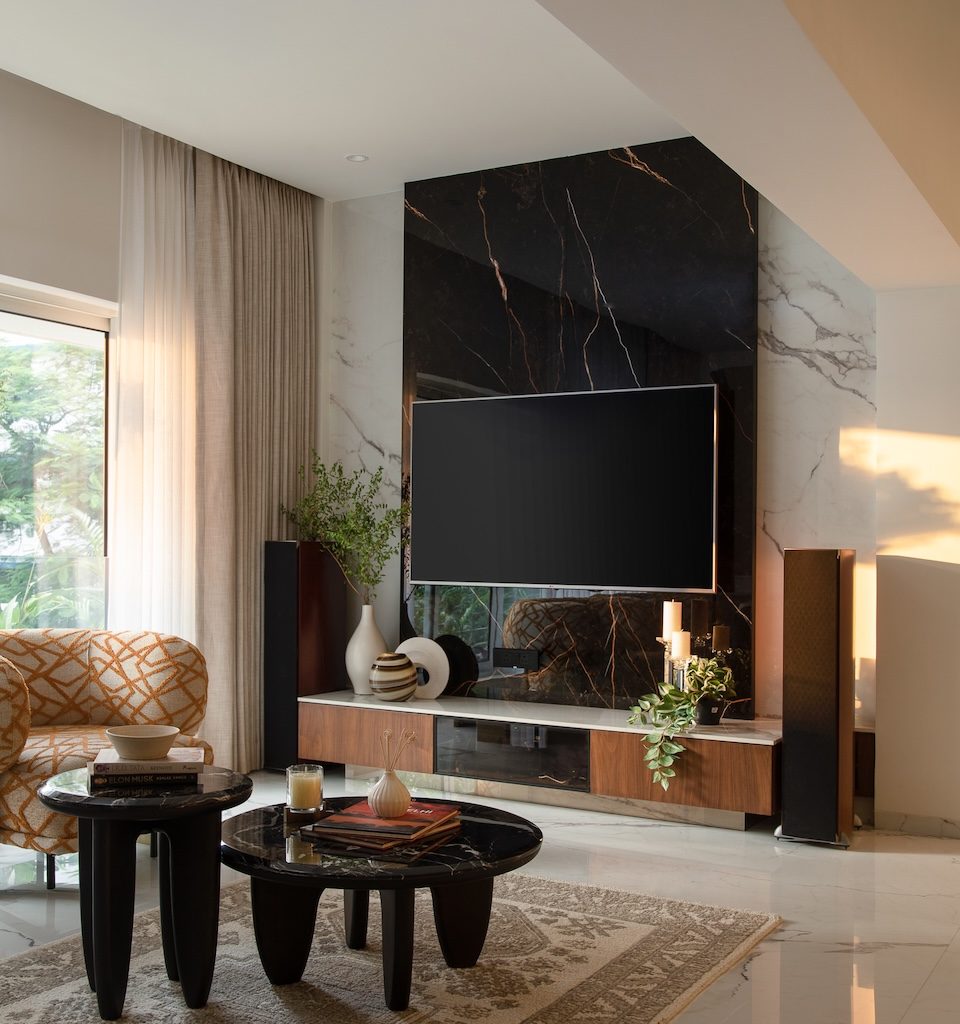
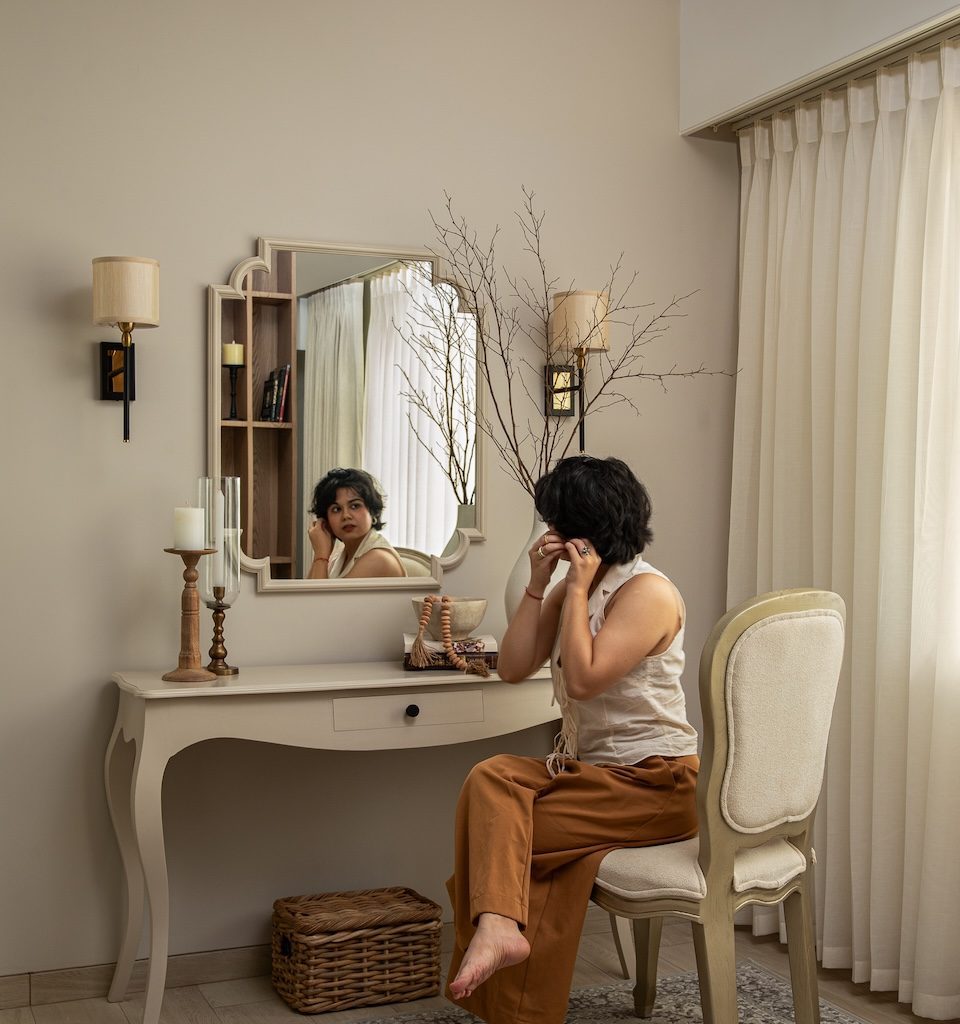
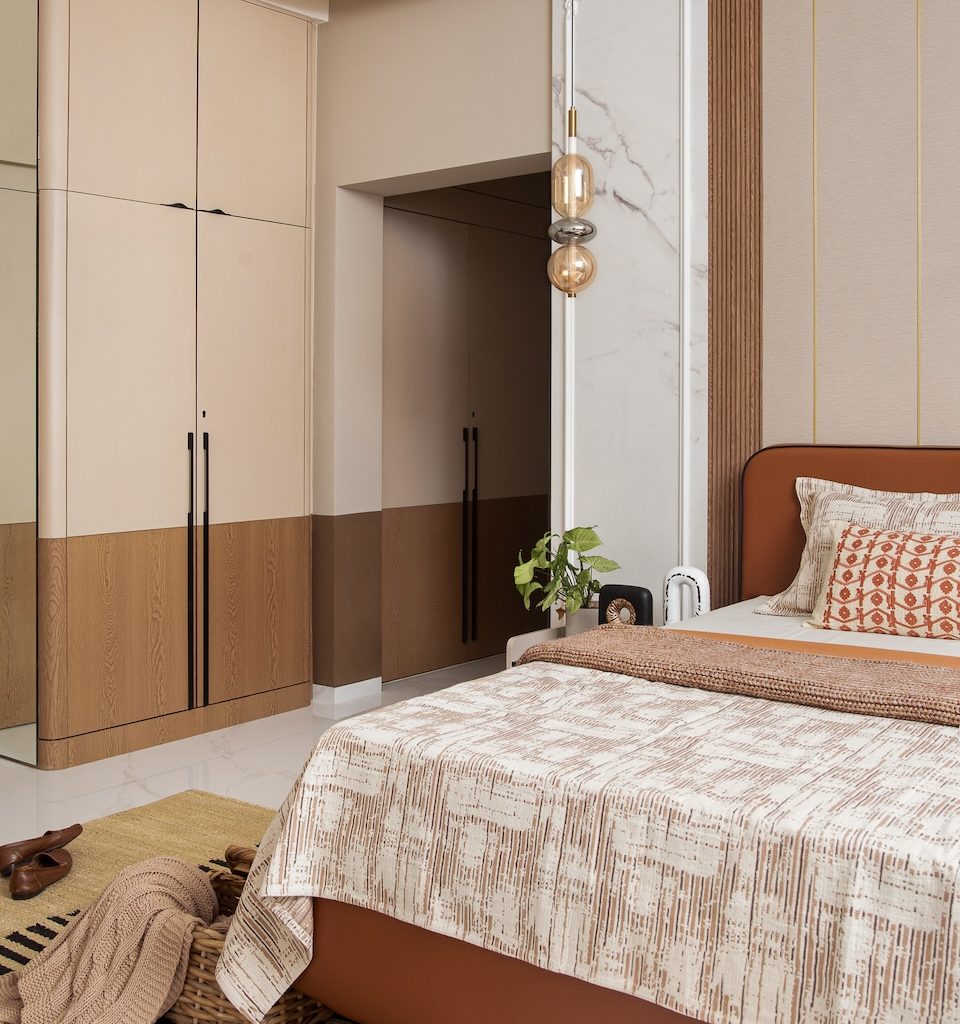
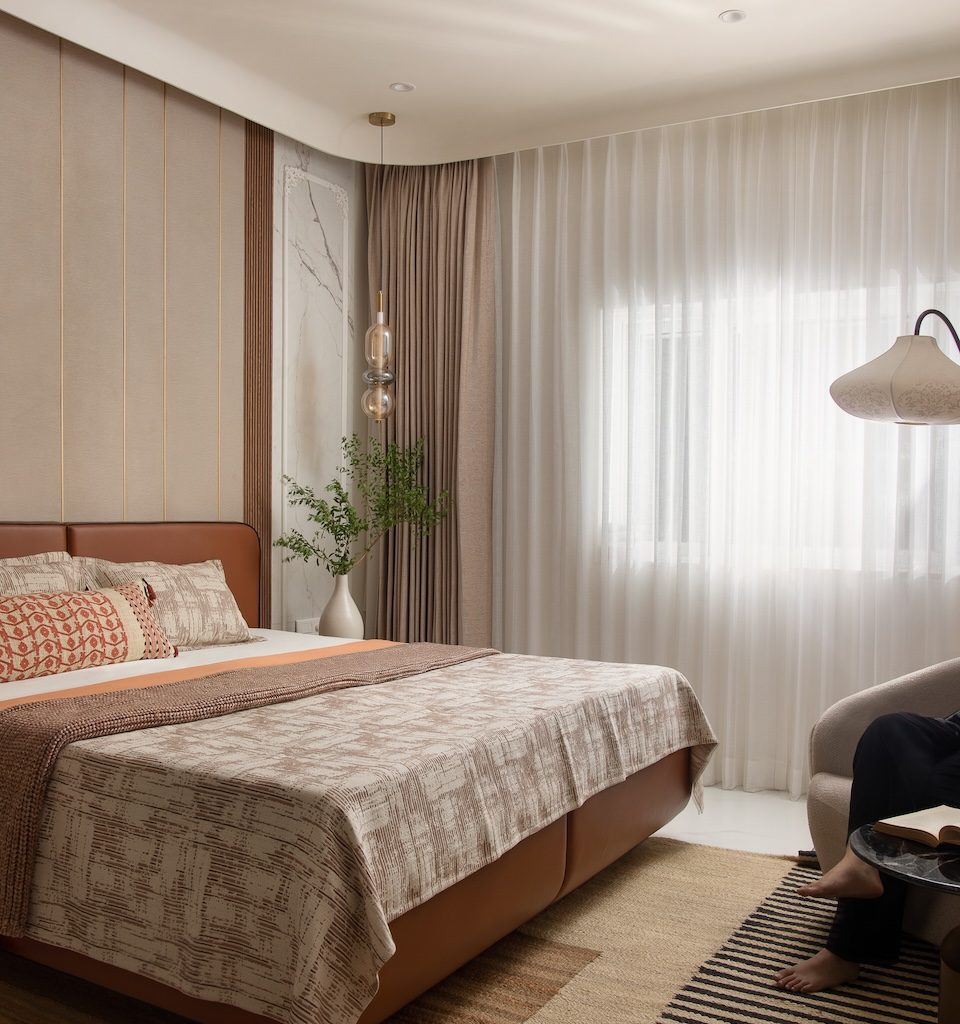
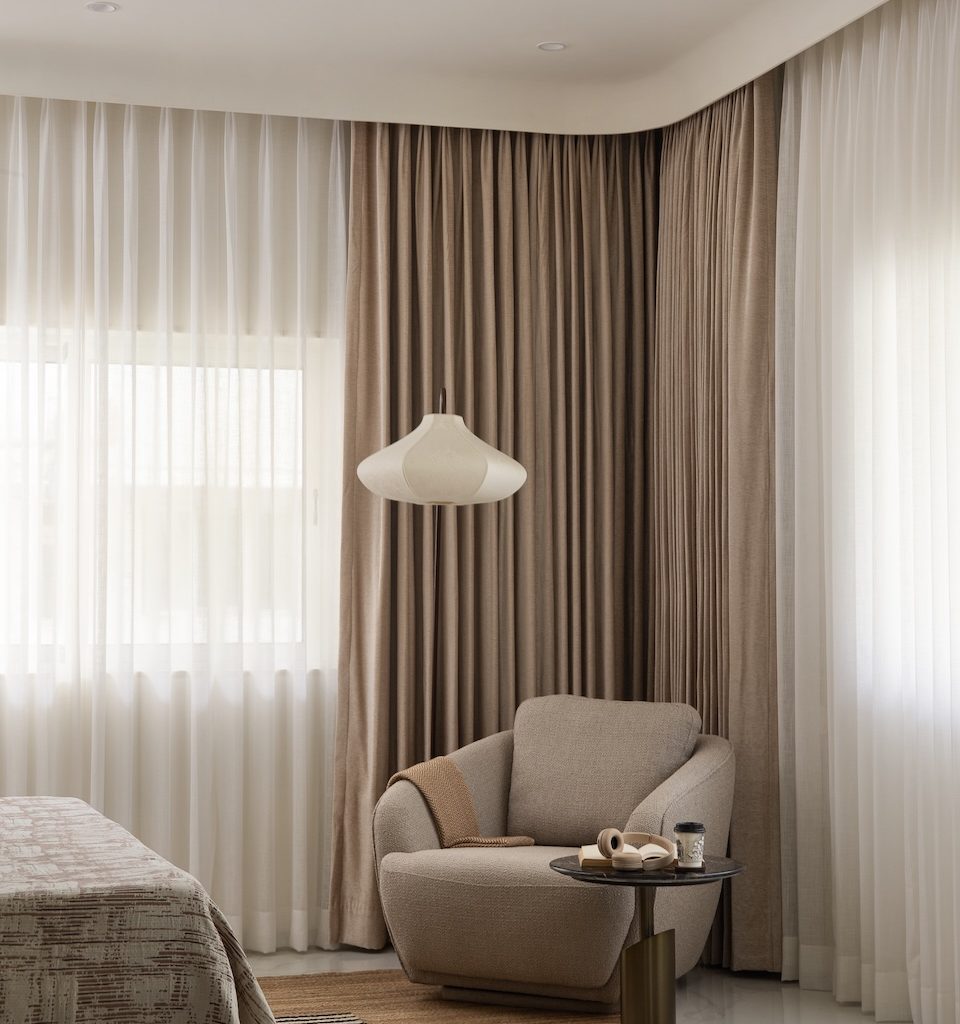
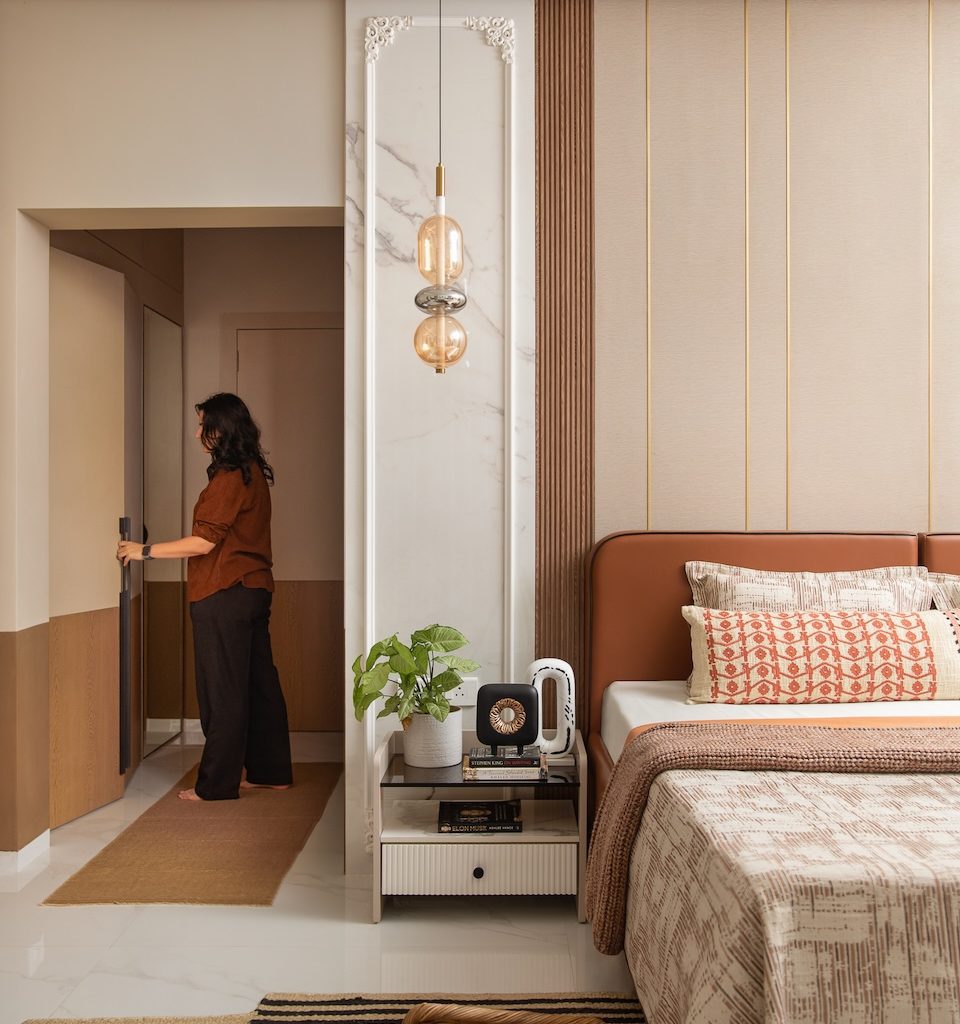
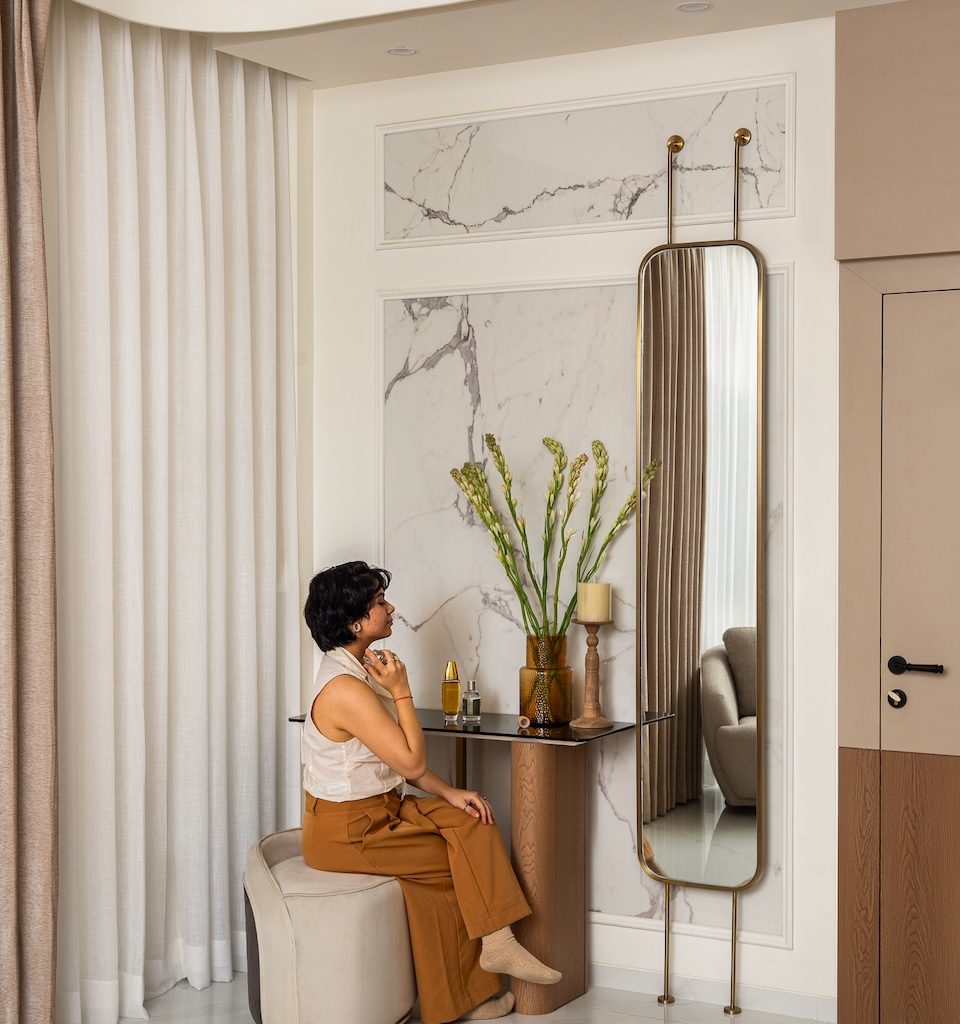
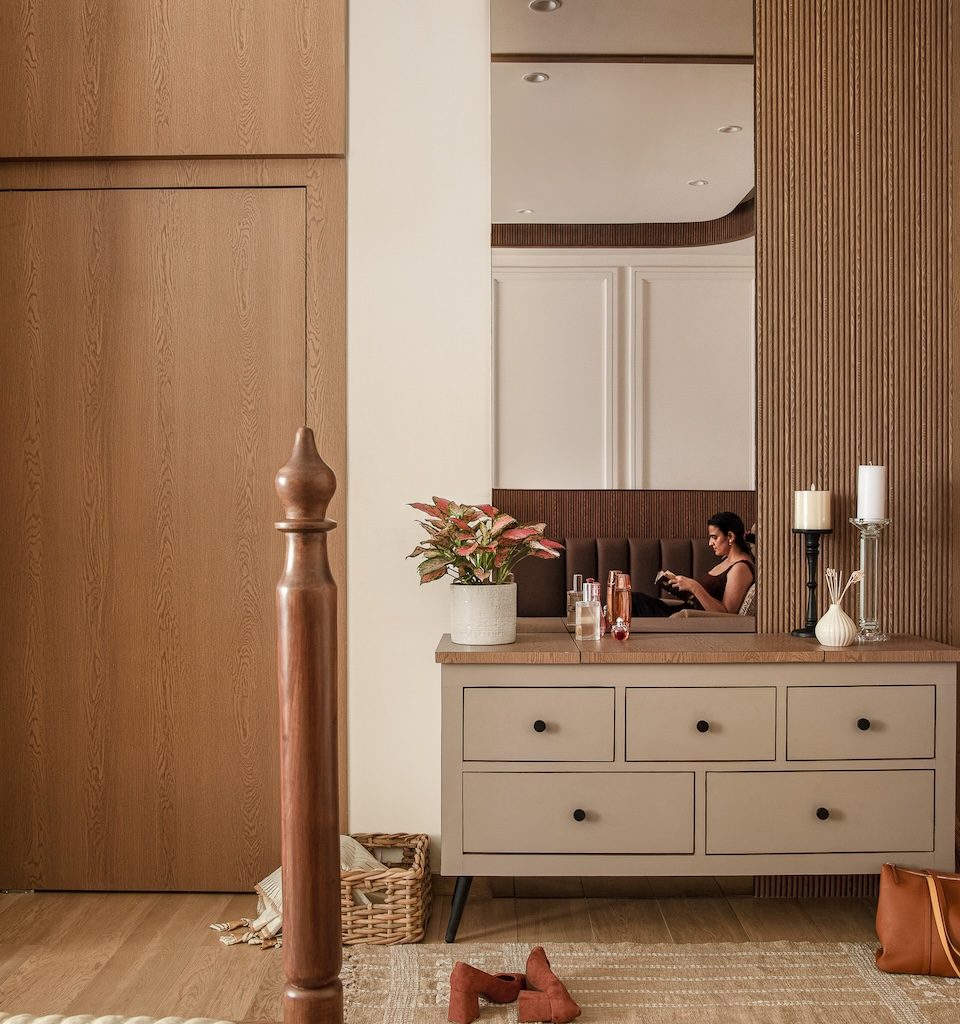
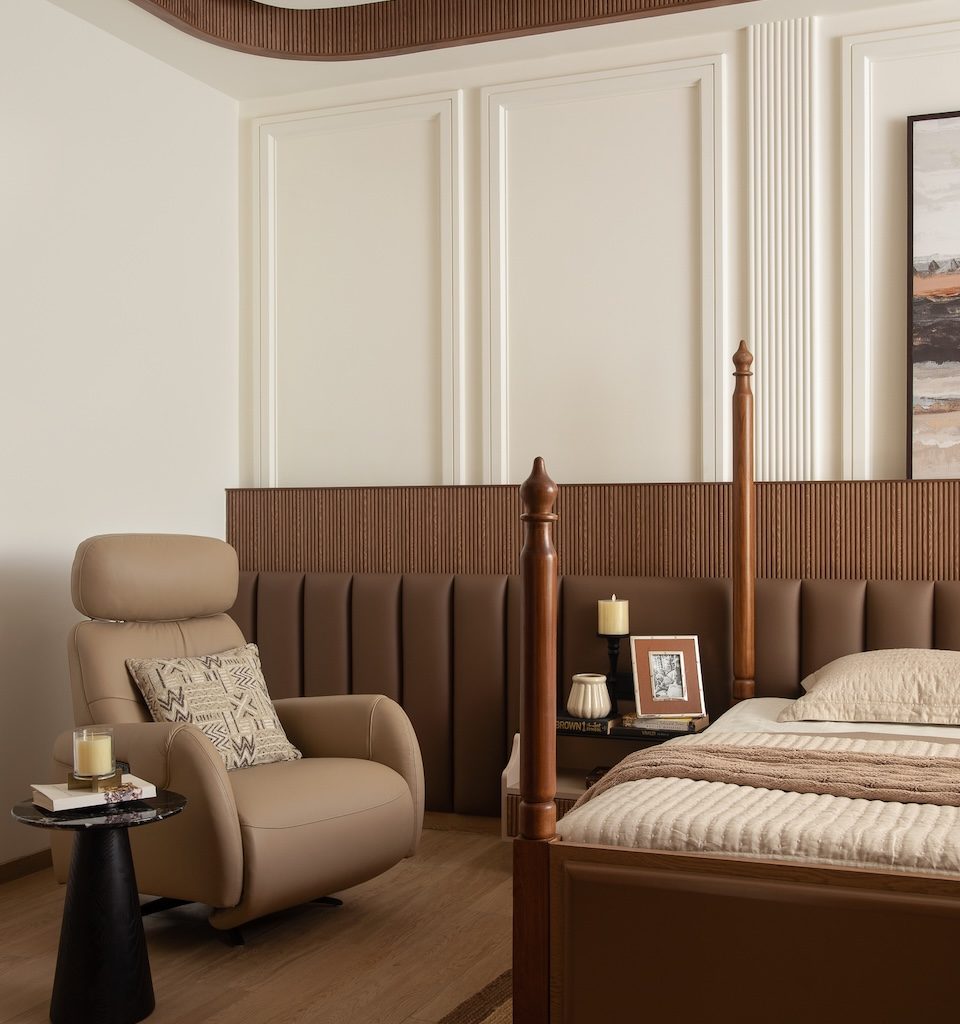
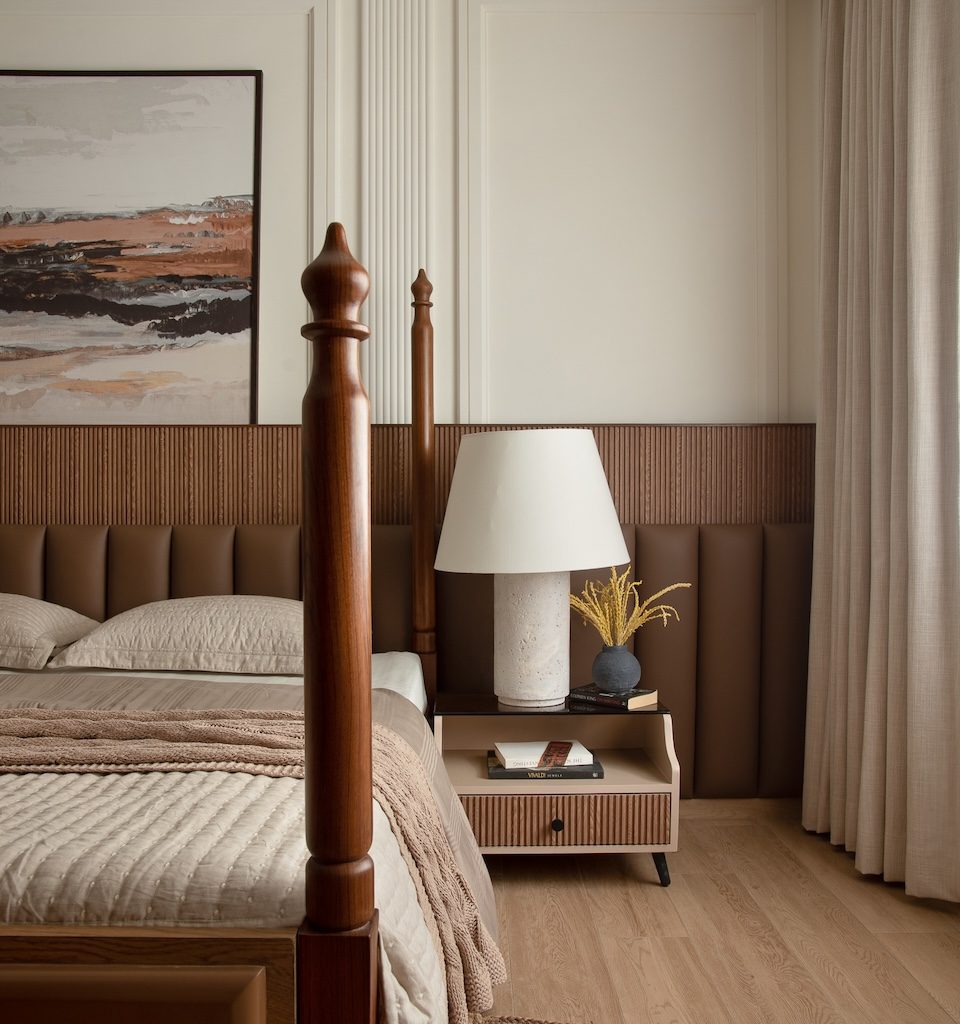
A rich and layered material palette anchors the interiors. Polished marble flooring, warm wood panelling, fluted details, wallpapers and textiles work together to create depth and warmth. Vintage furniture has been refurbished and reupholstered, allowing original craftsmanship to remain visible while adapting to contemporary comfort. Brass accents, chandeliers, carved details and patterned rugs introduce moments of opulence, balanced by neutral tones and modern finishes that prevent visual heaviness.
The challenges
Renovating a home within a 60-year-old structure required careful coordination with structural consultants, particularly during major wall removals. Restoring vintage furniture demanded meticulous craftsmanship to preserve character while upgrading functionality. Integrating modern services and storage without disrupting the home’s classic identity required constant calibration throughout the project.
The highlights
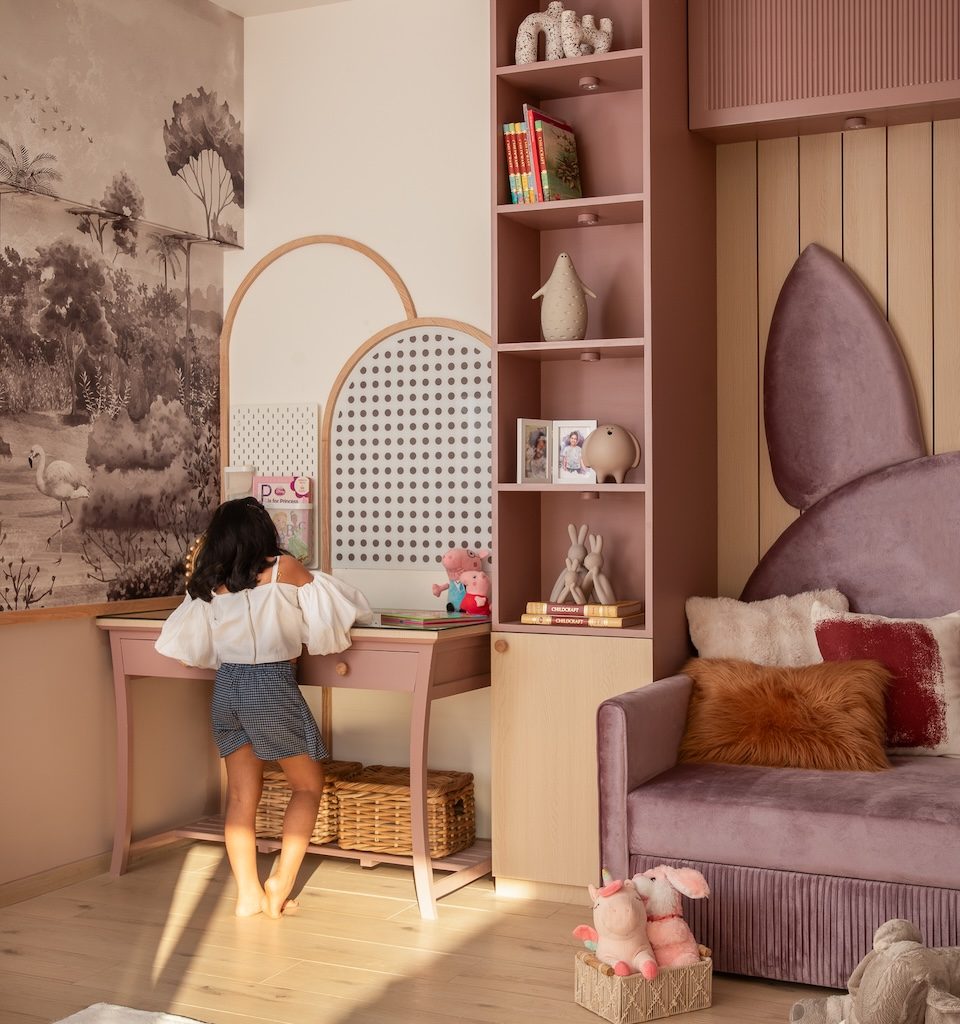
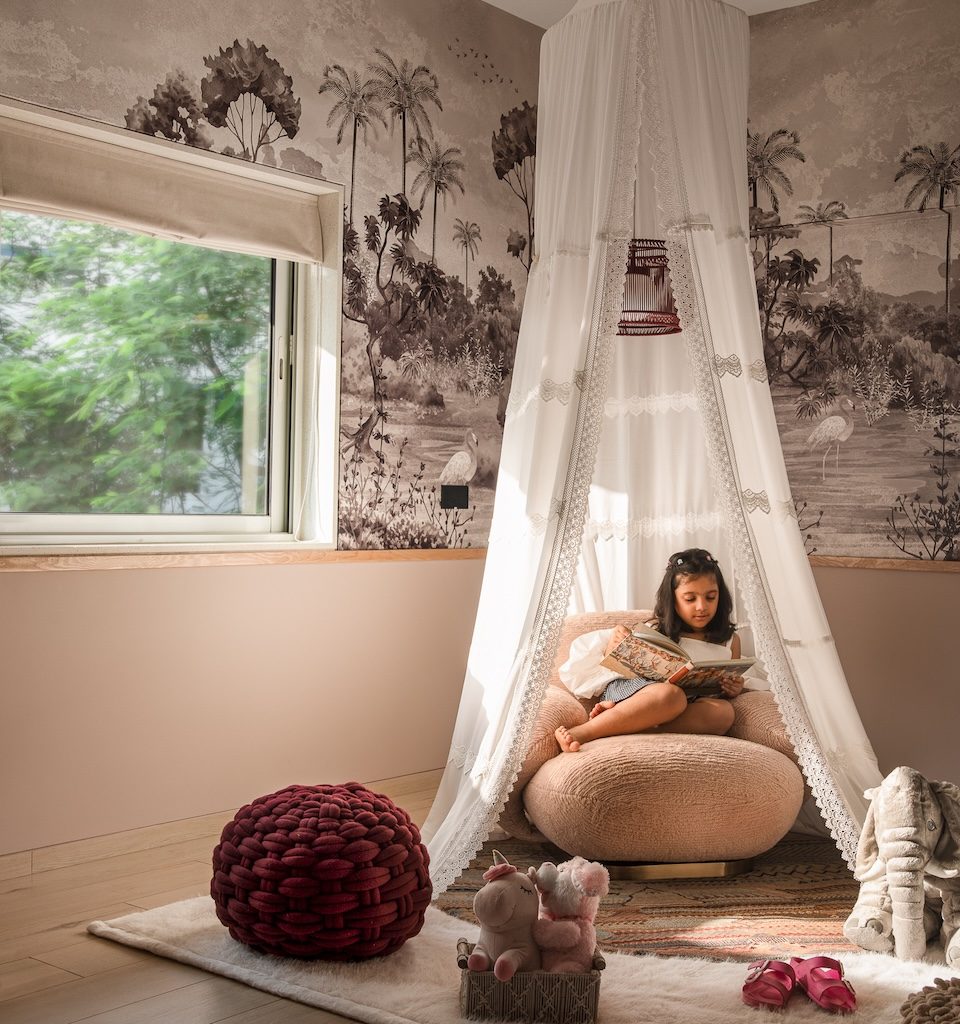
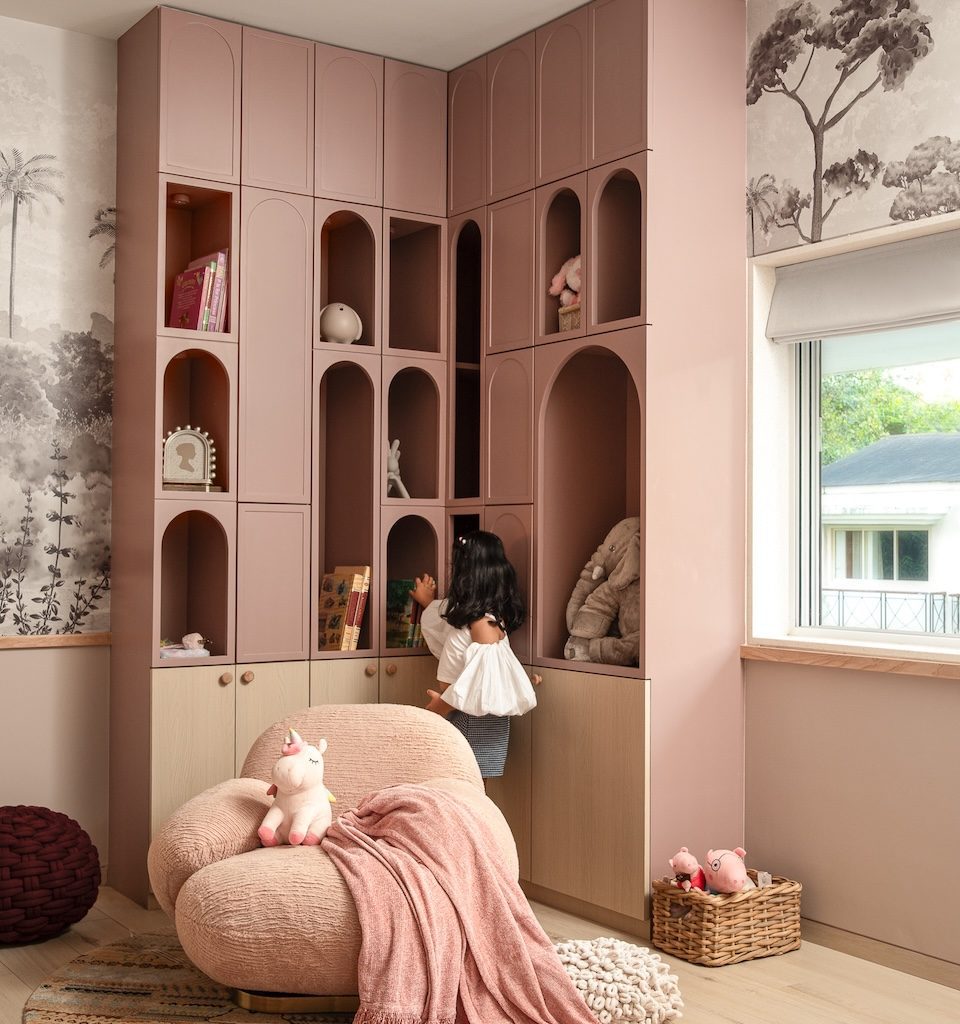
Each room’s distinct character stands out as a defining strength of the project. From the formal living room’s restored vintage pieces to the dining area’s neo-classical elegance and the informal room’s calm, wood-lined envelope, the home offers varied experiences without losing cohesion. The daughter’s bedroom introduces a softer, more playful layer, while the master suites reflect quiet luxury rooted in material richness rather than overt display.
The takeaway
Maharaja’s Pad demonstrates how heritage homes can evolve without losing their soul. By approaching renovation as an act of reinterpretation rather than replacement, the project offers a model for contemporary living that honours memory, craftsmanship and time—while remaining firmly grounded in the present.
Fact file
Project: Maharaja’s Pad
Design firm: Royal Home Spaces
Location: Mumbai
Area: 3,200 sq ft
Principal designers: Vishal Nisar and Gunjan Hukku
Add a Comment