
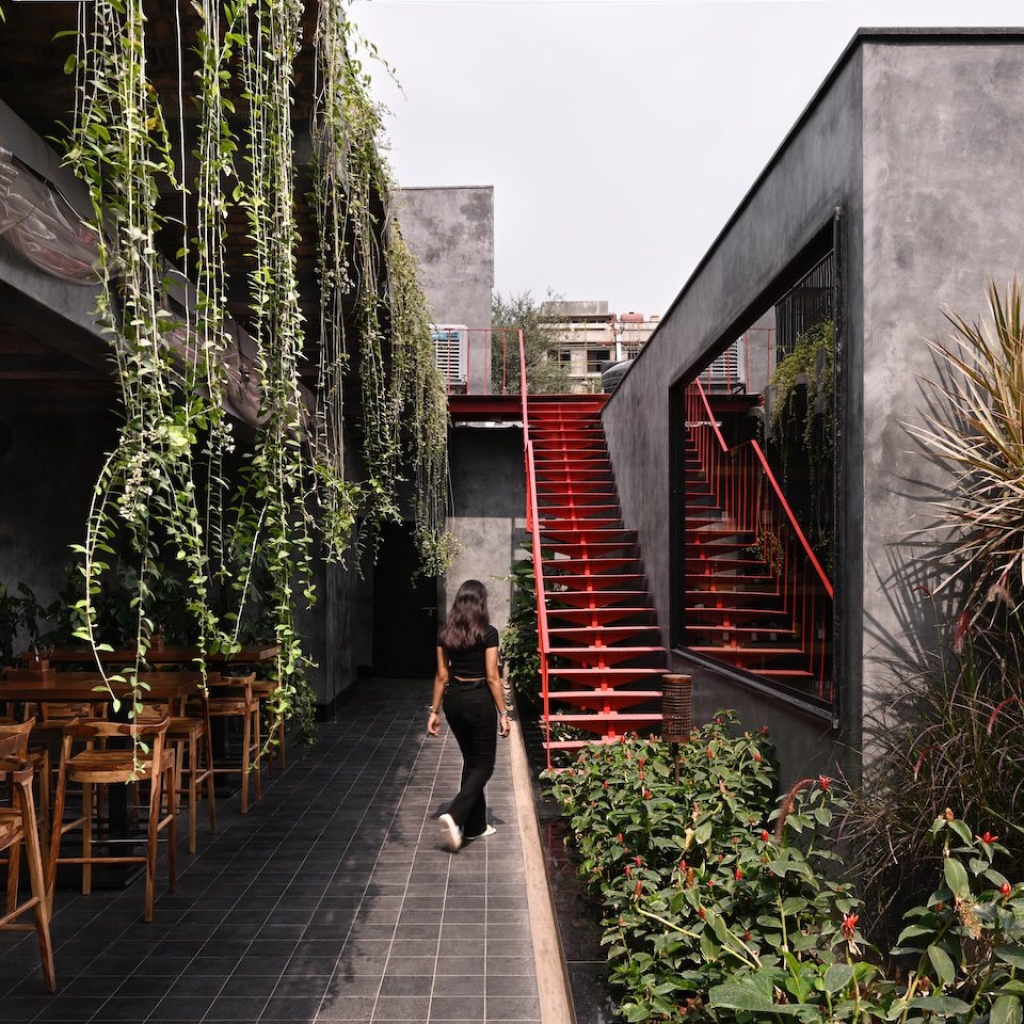
23 Degrees Design Shift reimagines Tabula Rasa 2.0 in Hyderabad as an open-to-sky music-driven restaurant, blending bold architecture, thoughtful materiality, and a courtyard at its heart.
Curated by: Deepa Nair
Photographs: Justin Sebastian; courtesy 23 Degrees Design Shift
The brief
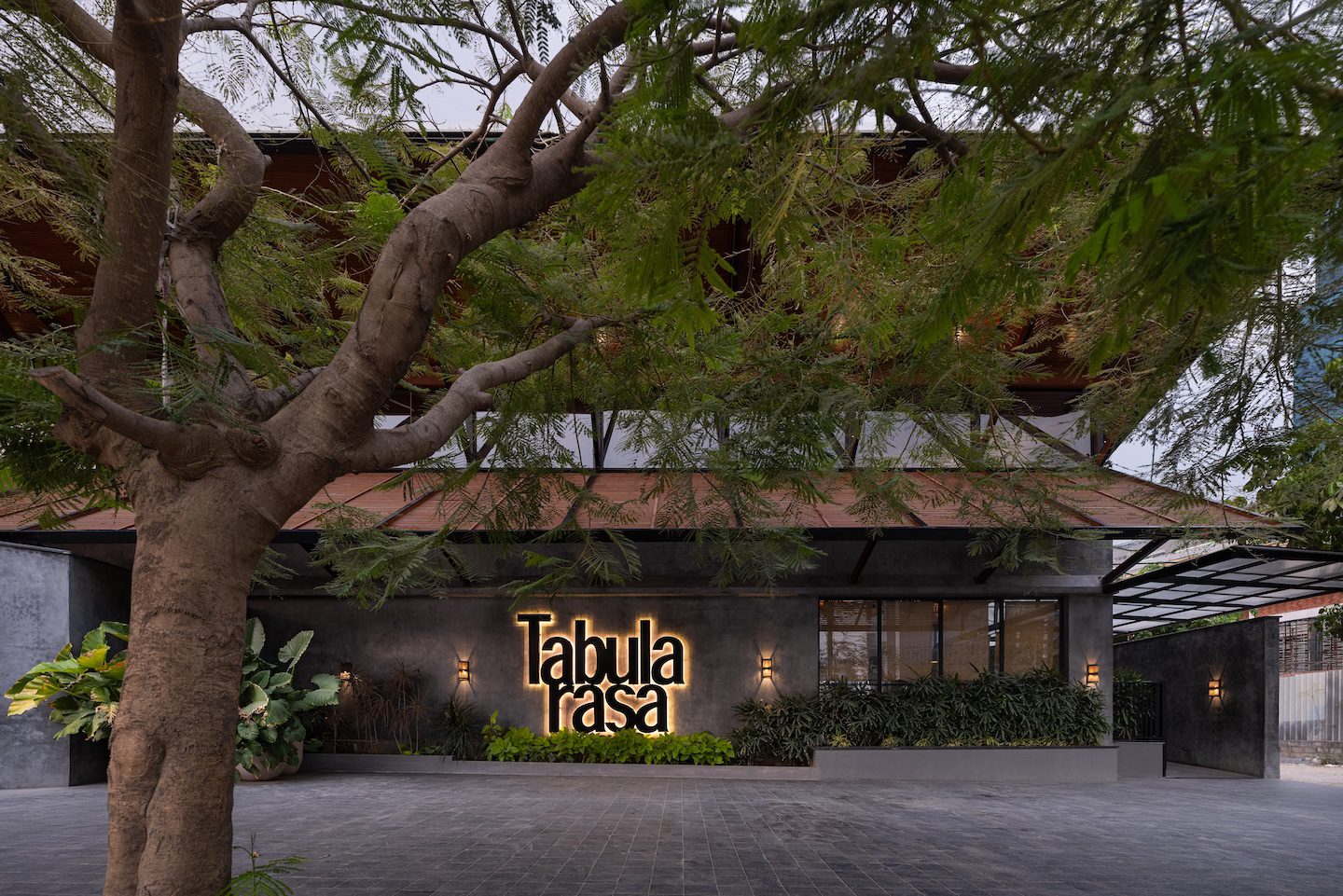
Amid Hyderabad’s bustling financial district, Tabula Rasa 2.0 stands apart as a lively escape known for its music, energy, and striking design. Created by 23 Degrees Design Shift, the restaurant breaks away from the sea of glass towers that surround it, offering a refreshing dose of culture and community for the city’s IT crowd. The client, a passionate music lover, wanted to build on the legacy of the original Tabula Rasa while taking it in a bold new direction. The idea was to craft a venue that felt intimate yet open, where people could enjoy performances under the sky.
The spatial configuration
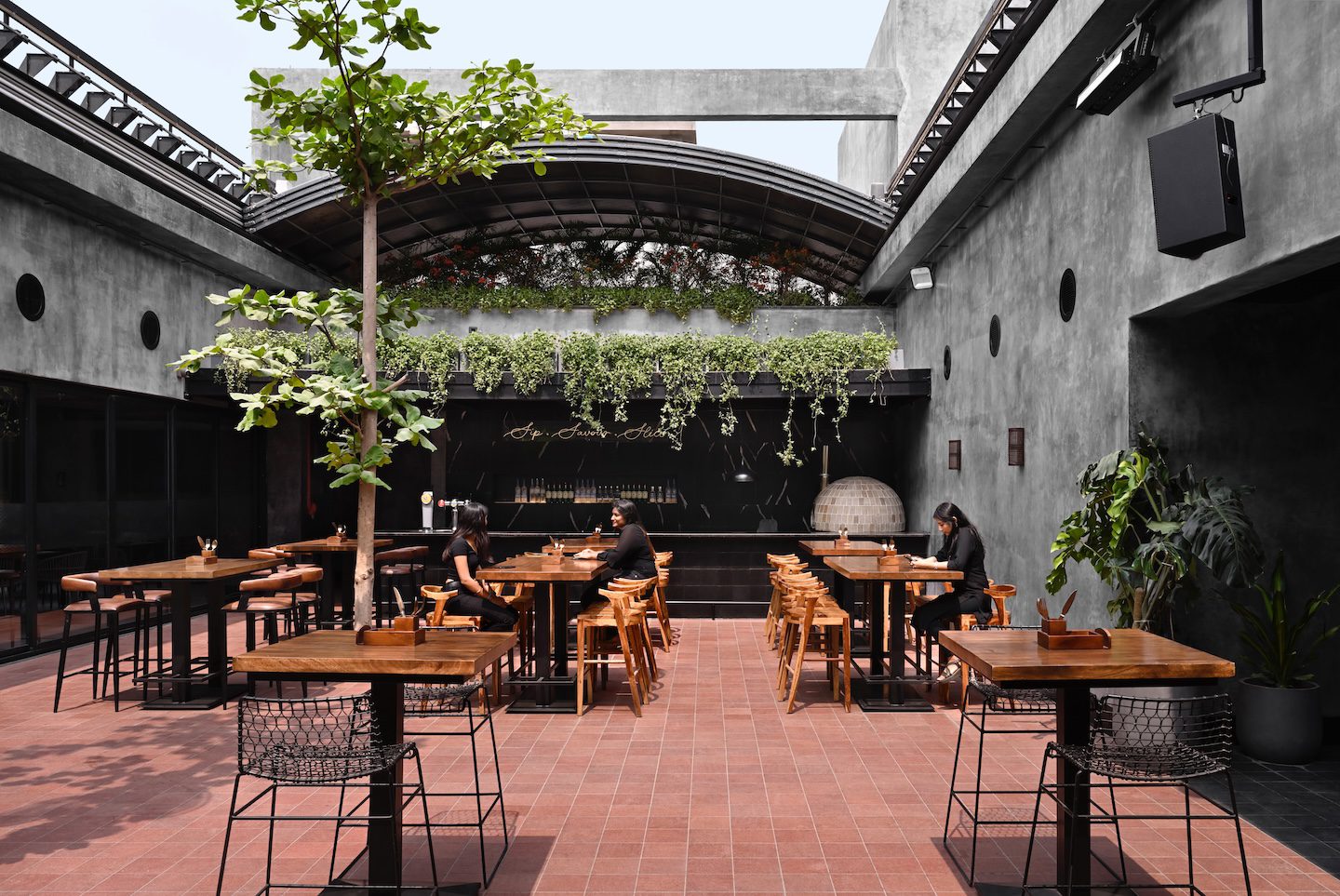
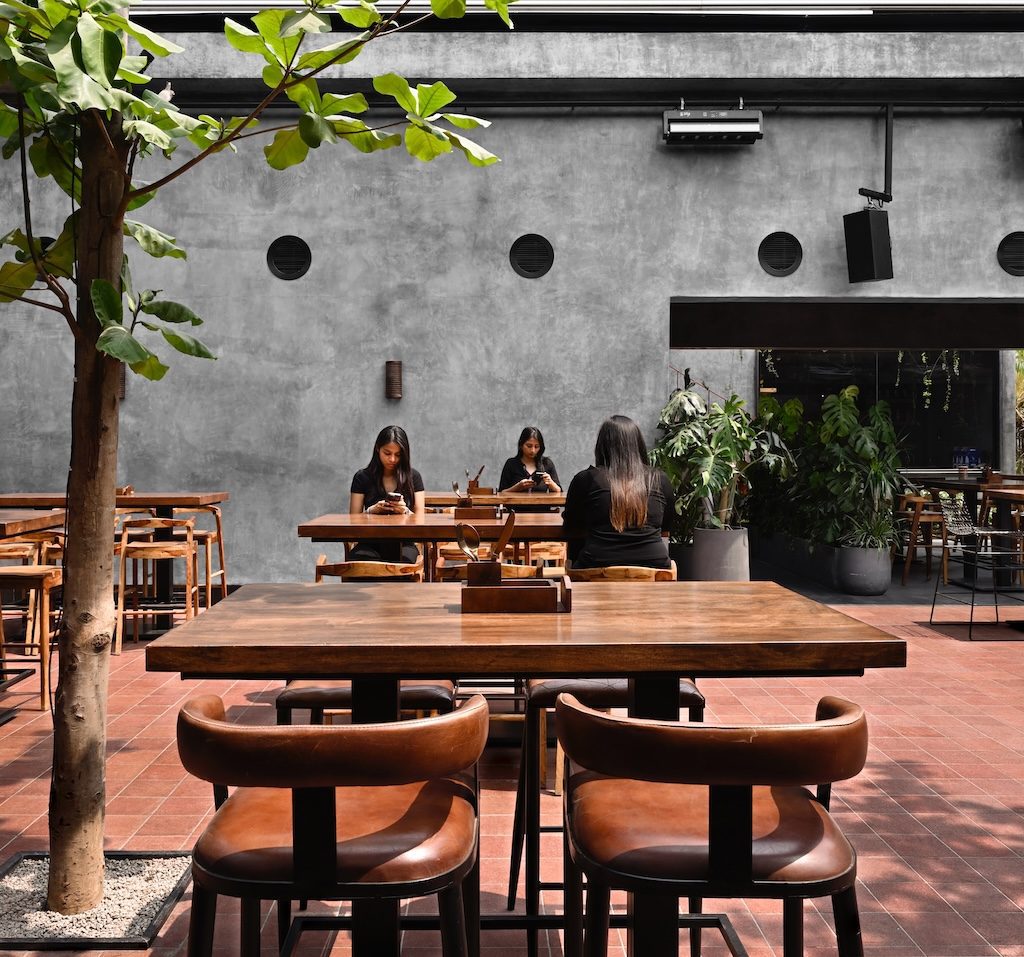
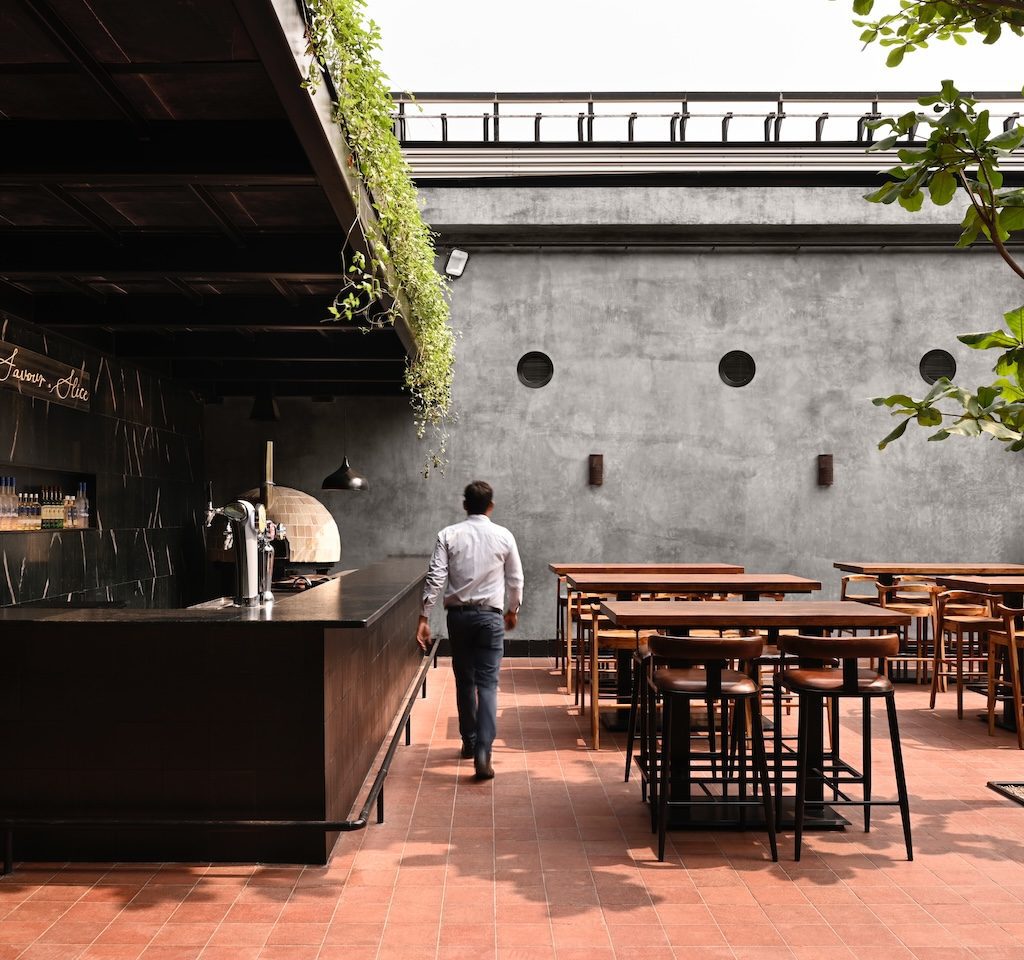
The client’s vision came to life through a central courtyard—an open heart that anchors the 14,770-square-foot space and sets the stage for connection, rhythm, and expression. Carefully planned in scale and proportion, the courtyard doubles as the main performance zone. Its layout is refined to deliver an engaging audio-visual experience, whether it’s a quiet set or a high-energy night.
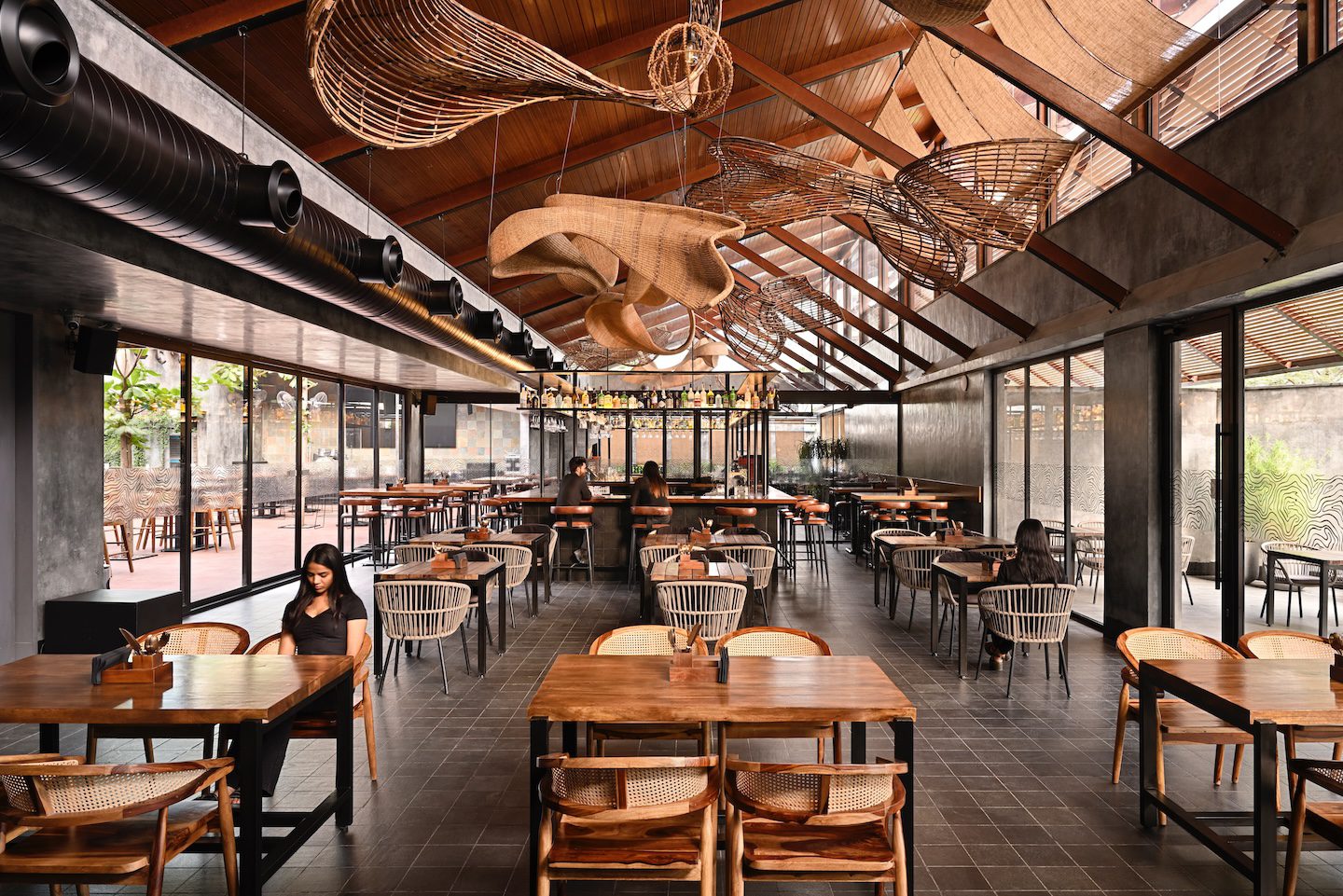
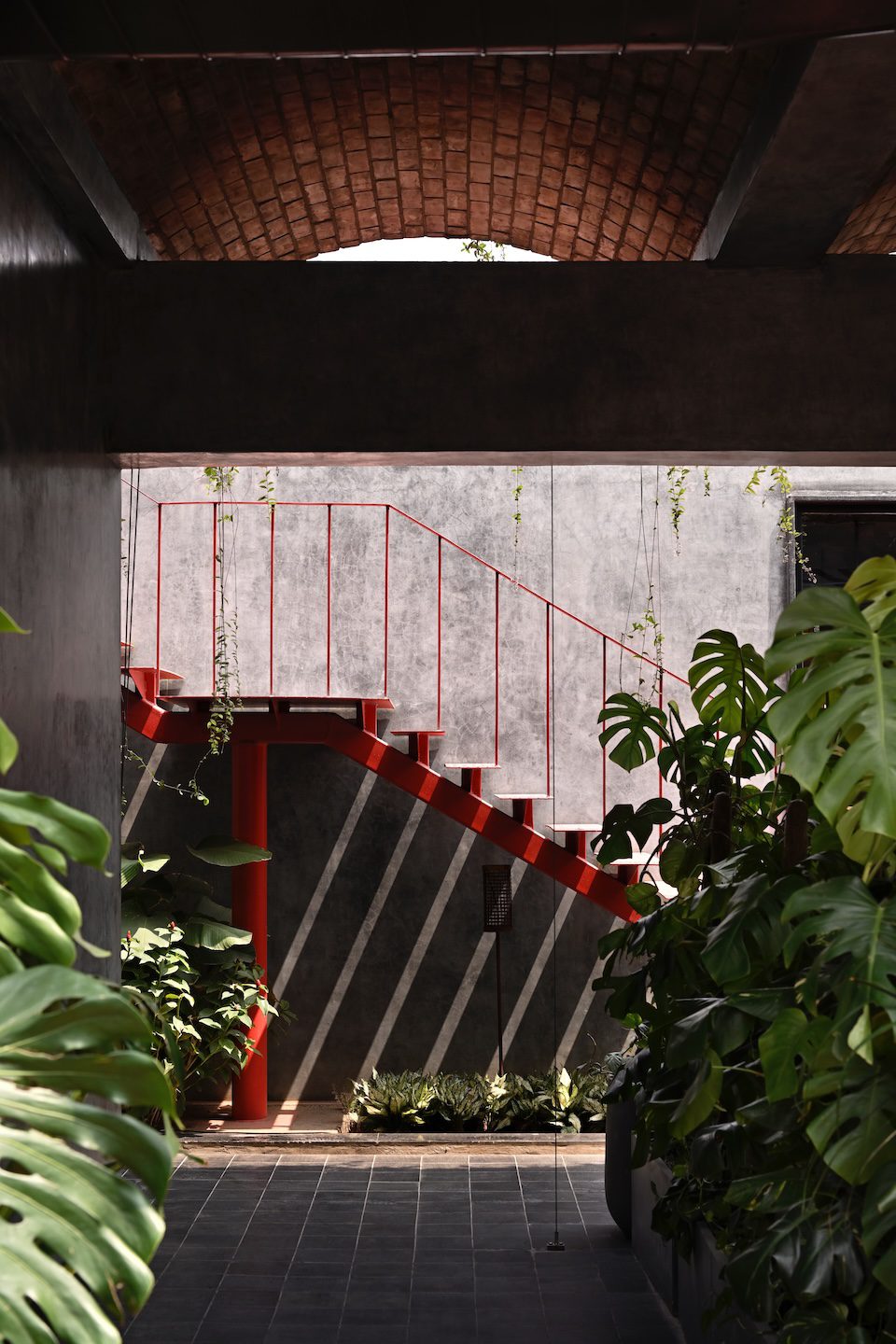
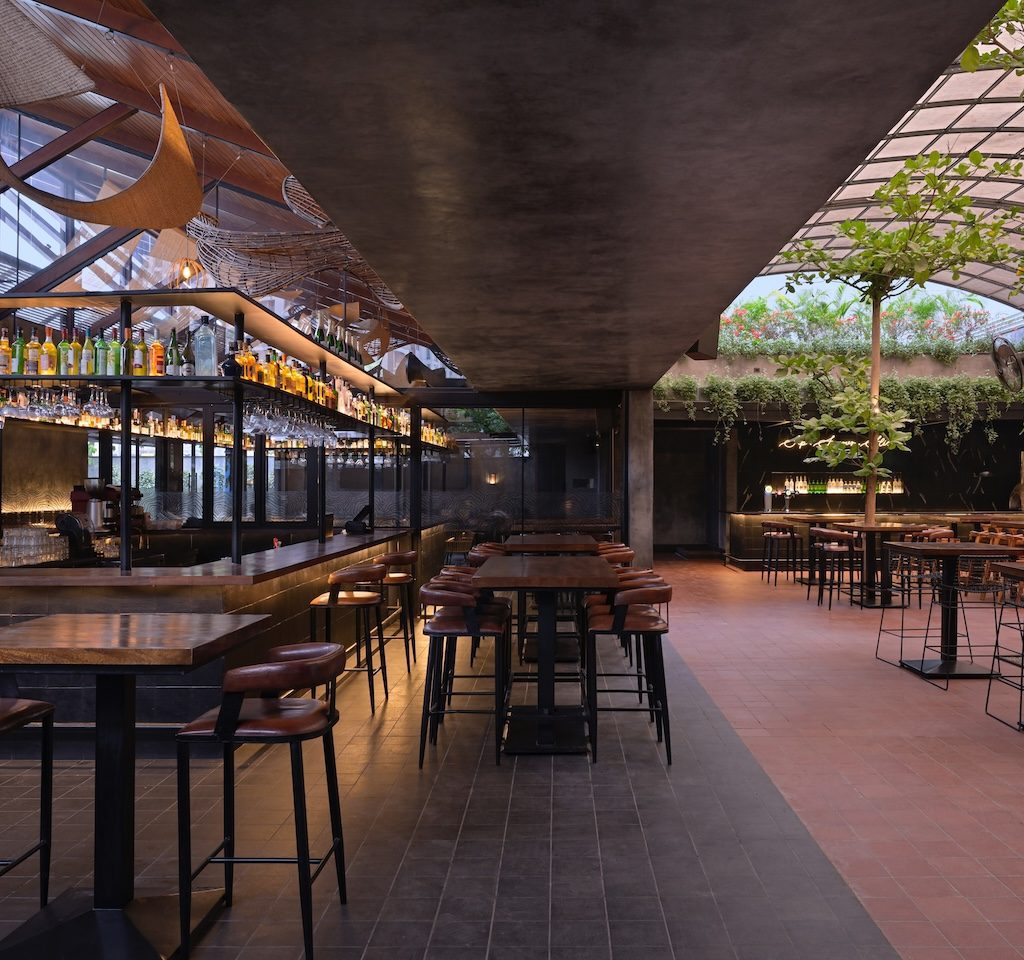
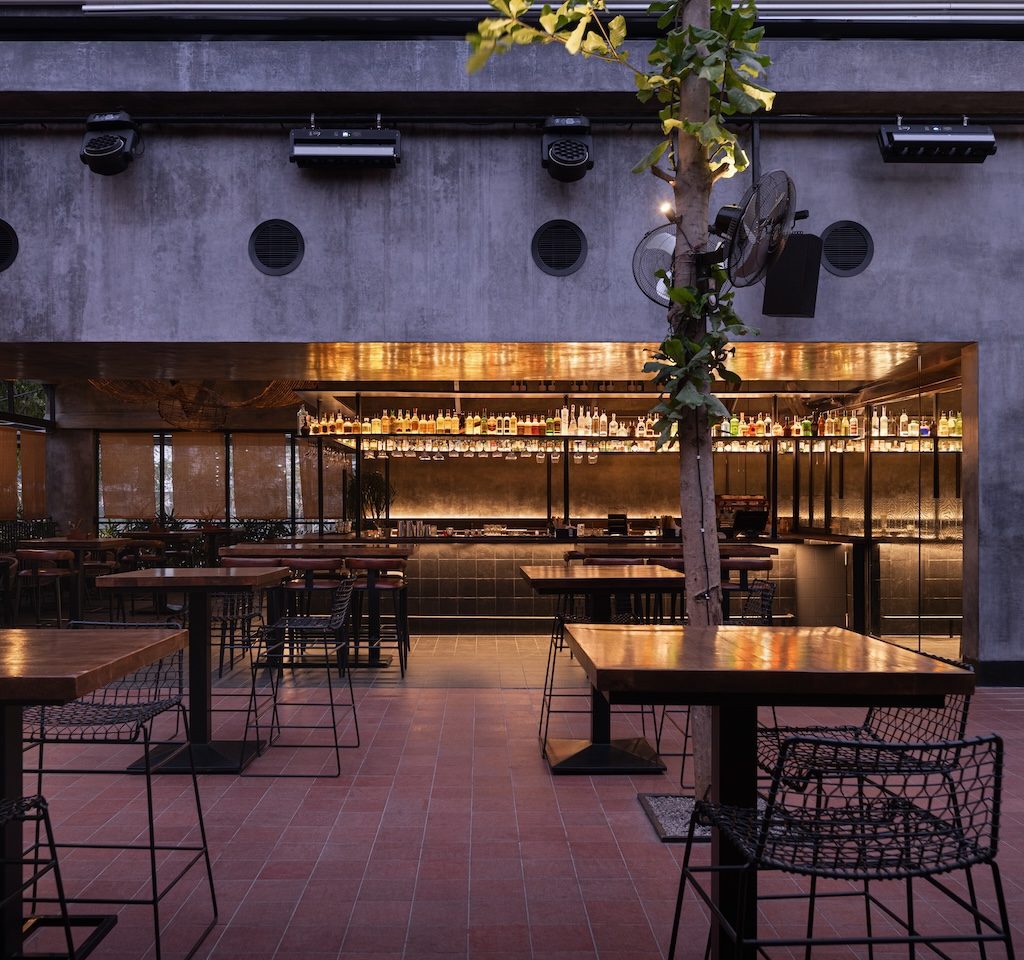
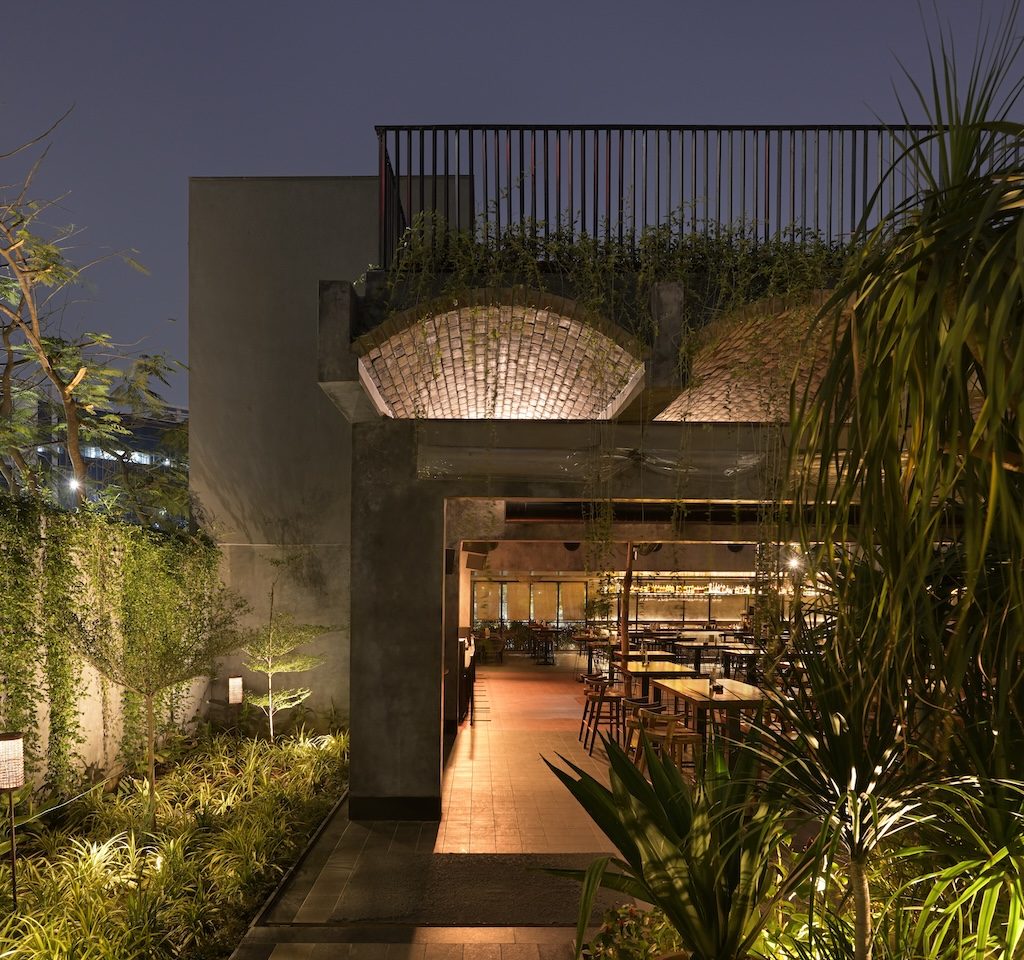
The entry sequence builds on this sense of anticipation. Guests step through a designed portal that gradually opens into the full expanse of the space, revealing a series of interconnected zones. Indoors and outdoors merge effortlessly. A semi-open bar, a fully enclosed bar, and the open-air music arena sit side by side, creating small pockets of atmosphere that shift with every step.
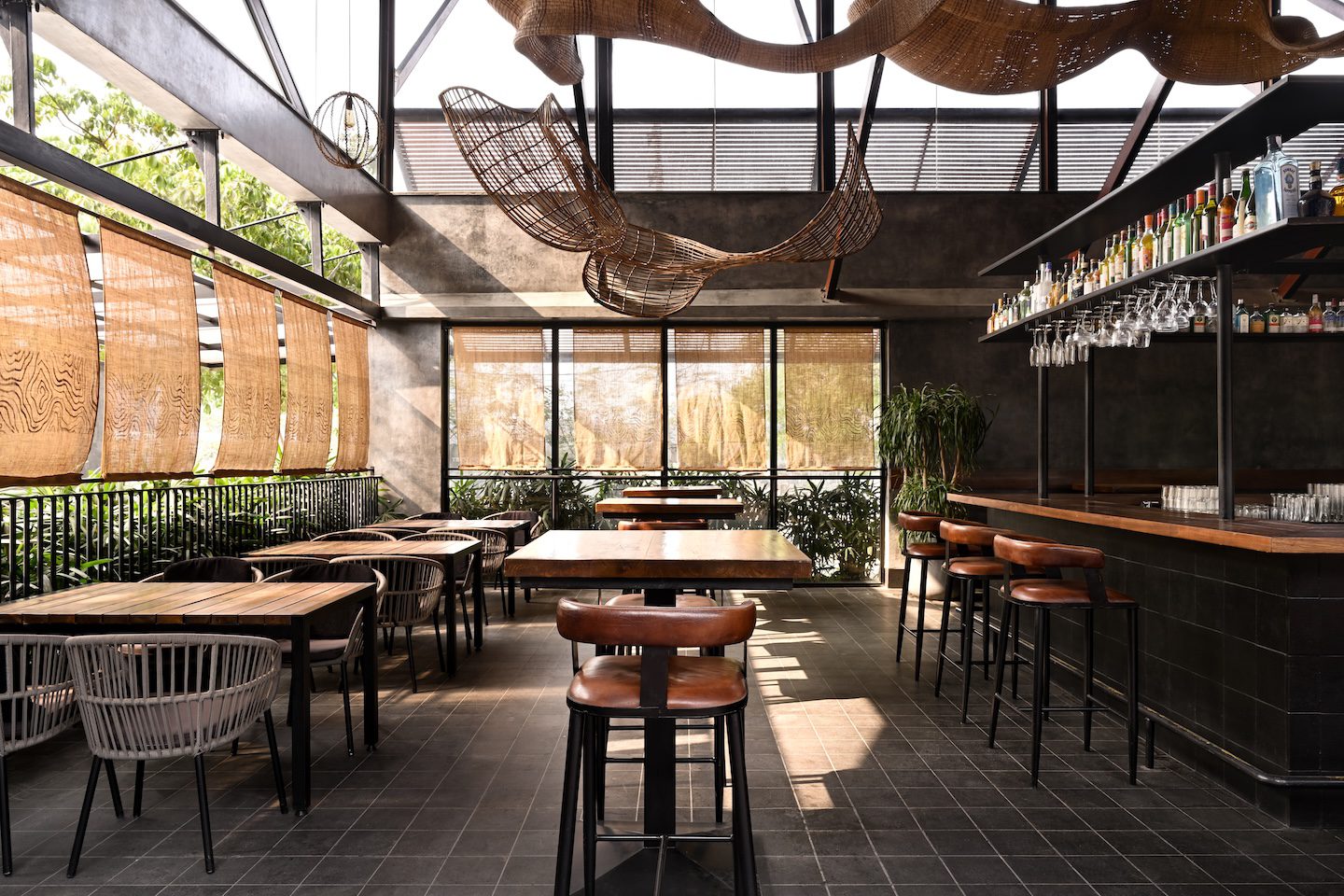
Large slide-open glass panels dissolve boundaries when needed, allowing the entire venue to breathe as one continuous environment. This fluidity lets every visitor choose their own experience… whether it is lingering by the bar, settling into the courtyard for a performance, or navigating between the indoors and outdoors as the evening unfolds.
The design and material details
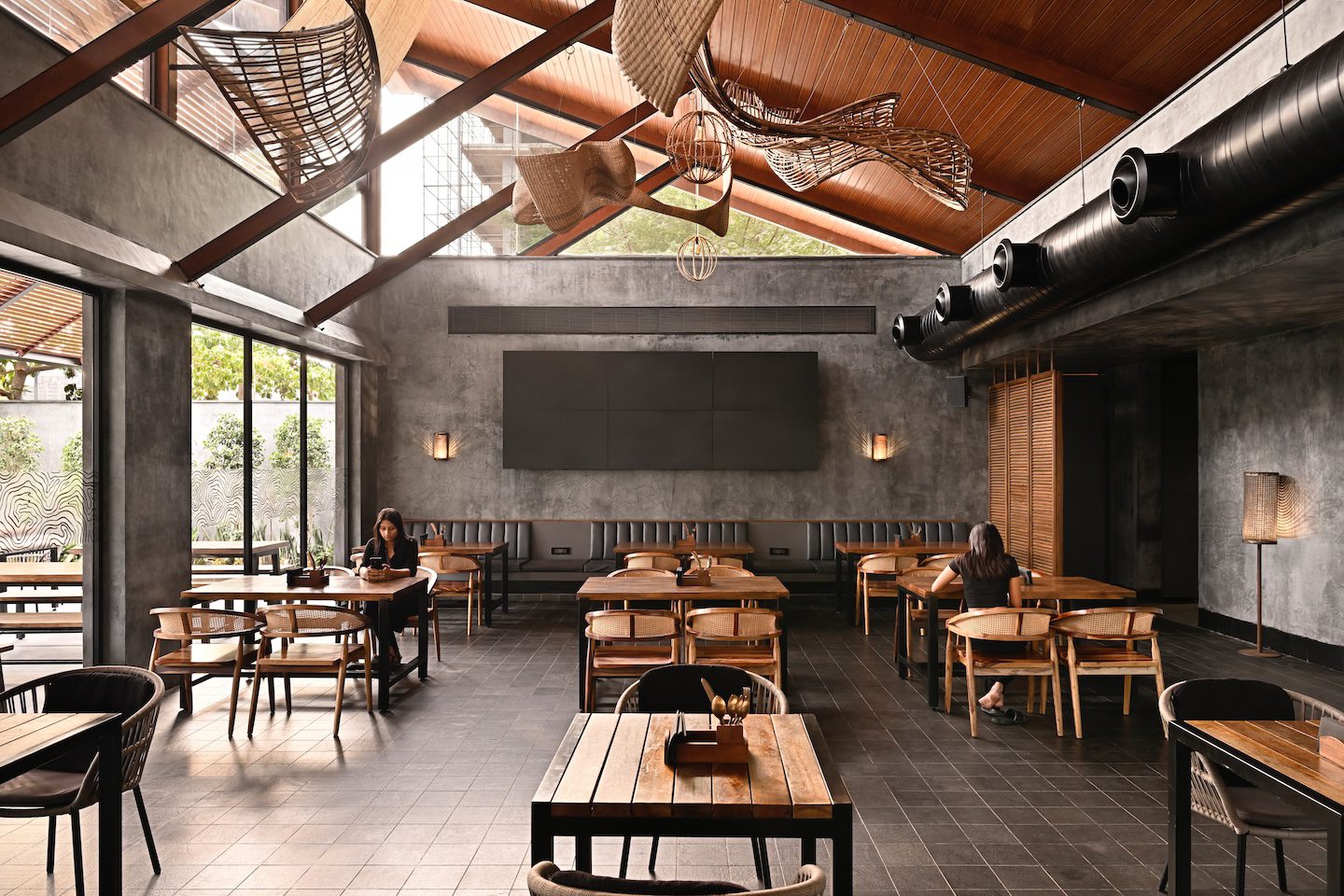
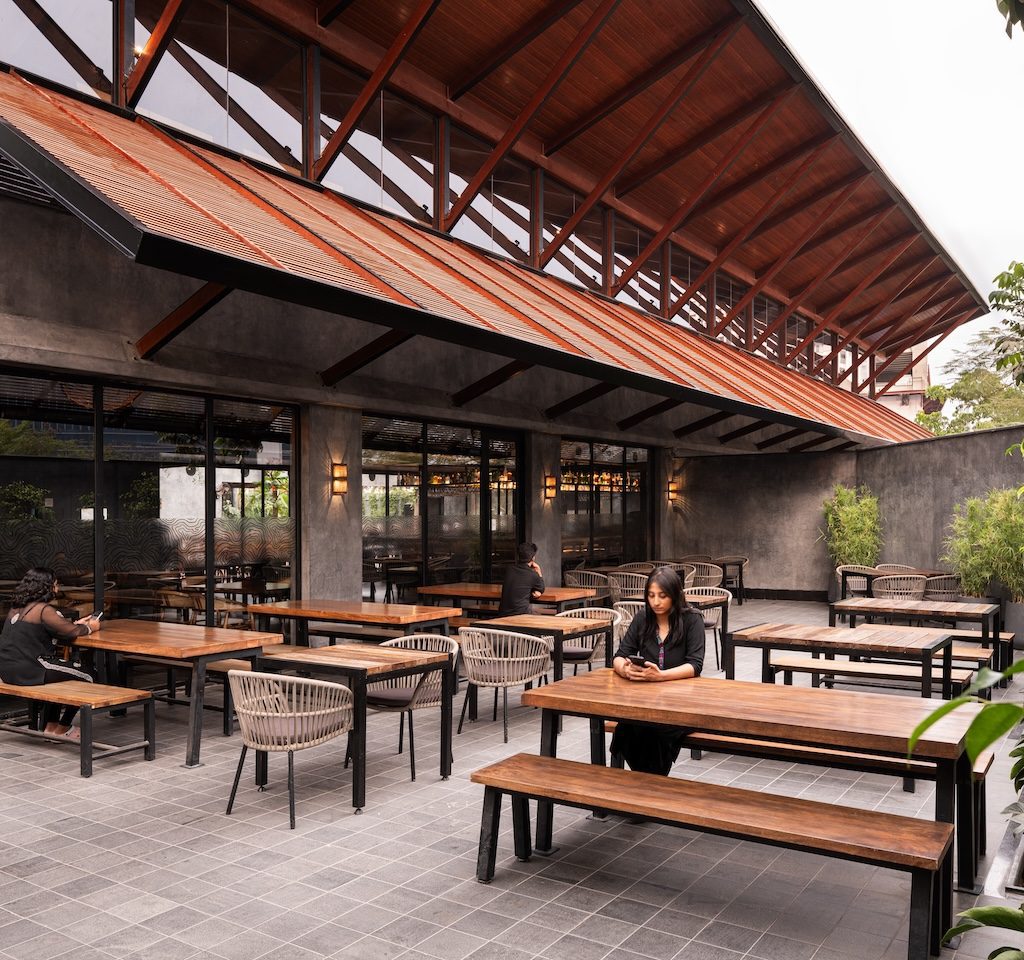
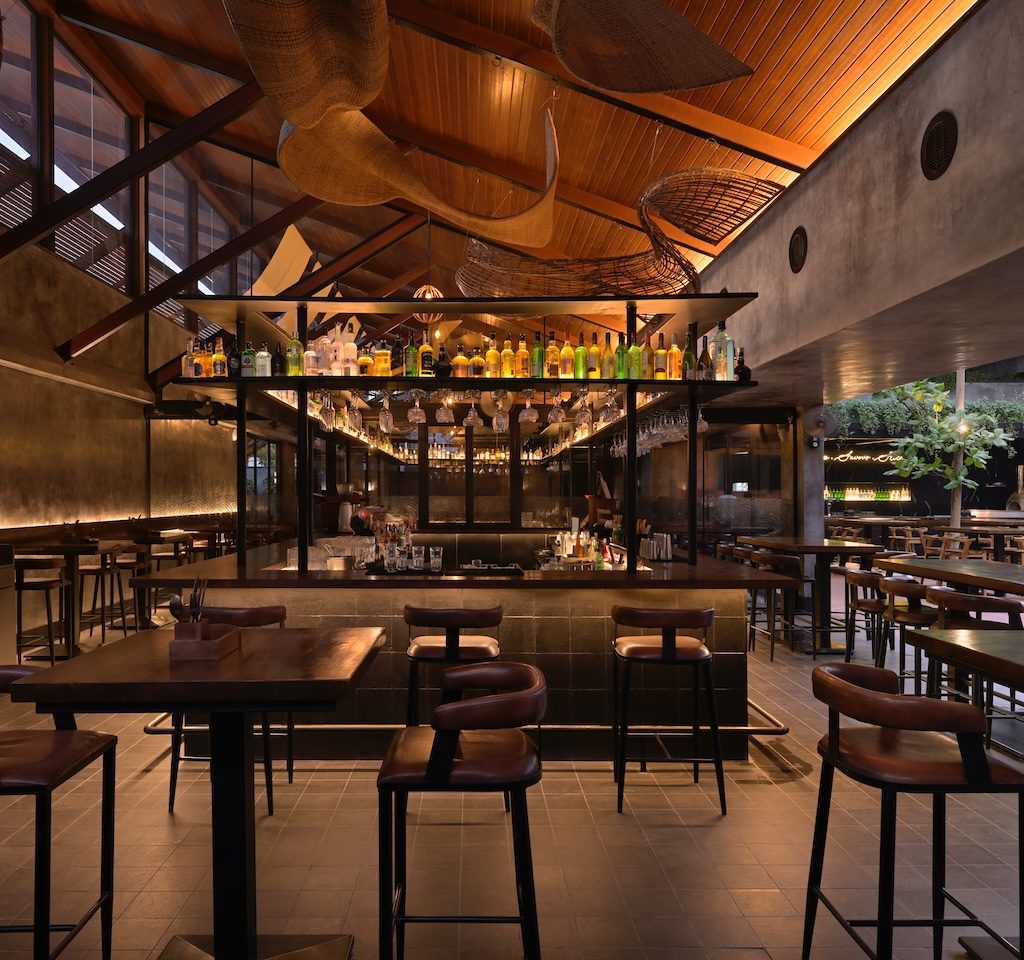
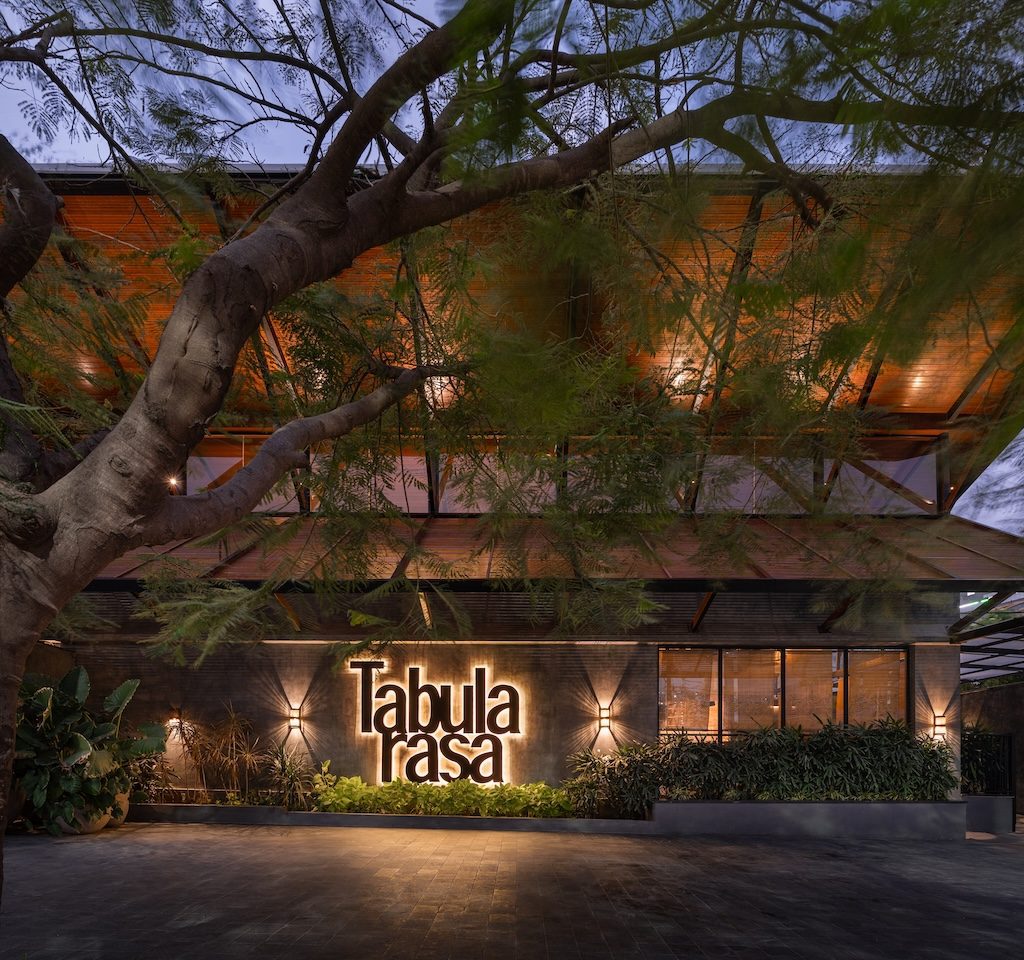
Tabula Rasa 2.0 builds its identity through a play of contrasts. A segmented, sloping roof seems to hover lightly above sturdy walls, setting up a quiet conversation between weight and lift. The main building uses a composite system of concrete and steel, while the courtyard is capped with an adaptable fibreglass roof that shifts comfortably between day and night, heat and rain. Along one edge, a row of jack arches shapes a sheltered veranda with seating tucked between them, seamlessly folding even functional spaces—like the toilets—into the larger spatial story. Together, these gestures create a sense of openness and discovery, inviting guests to experience the restaurant in layers.
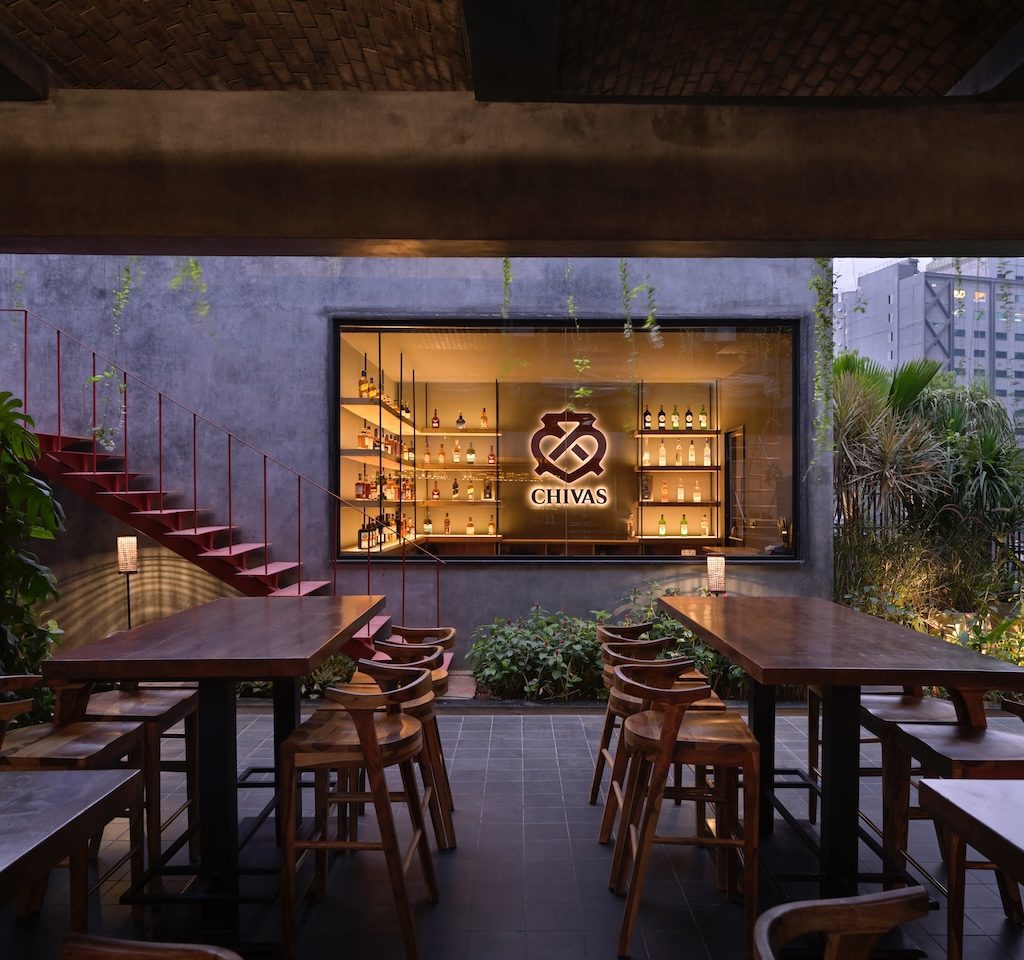
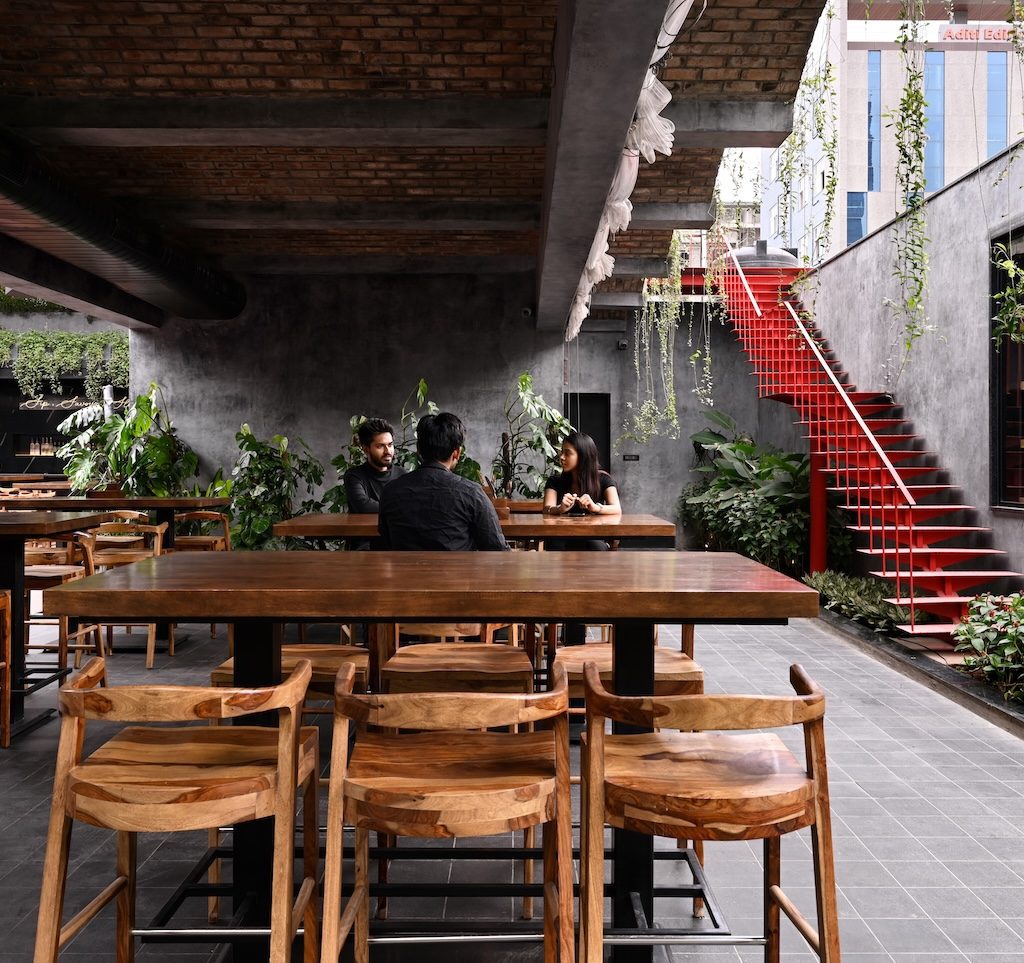
Lighting and landscape work hand in hand to deepen this narrative. Under-nosing lights emphasise the structure’s lines, casting a soft glow that changes the mood as the sun sets. Lush planting wraps around the courtyard, helping cool the air naturally and maintaining a pleasant microclimate. The entire composition balances beauty with purpose, reinforcing the project’s intent.
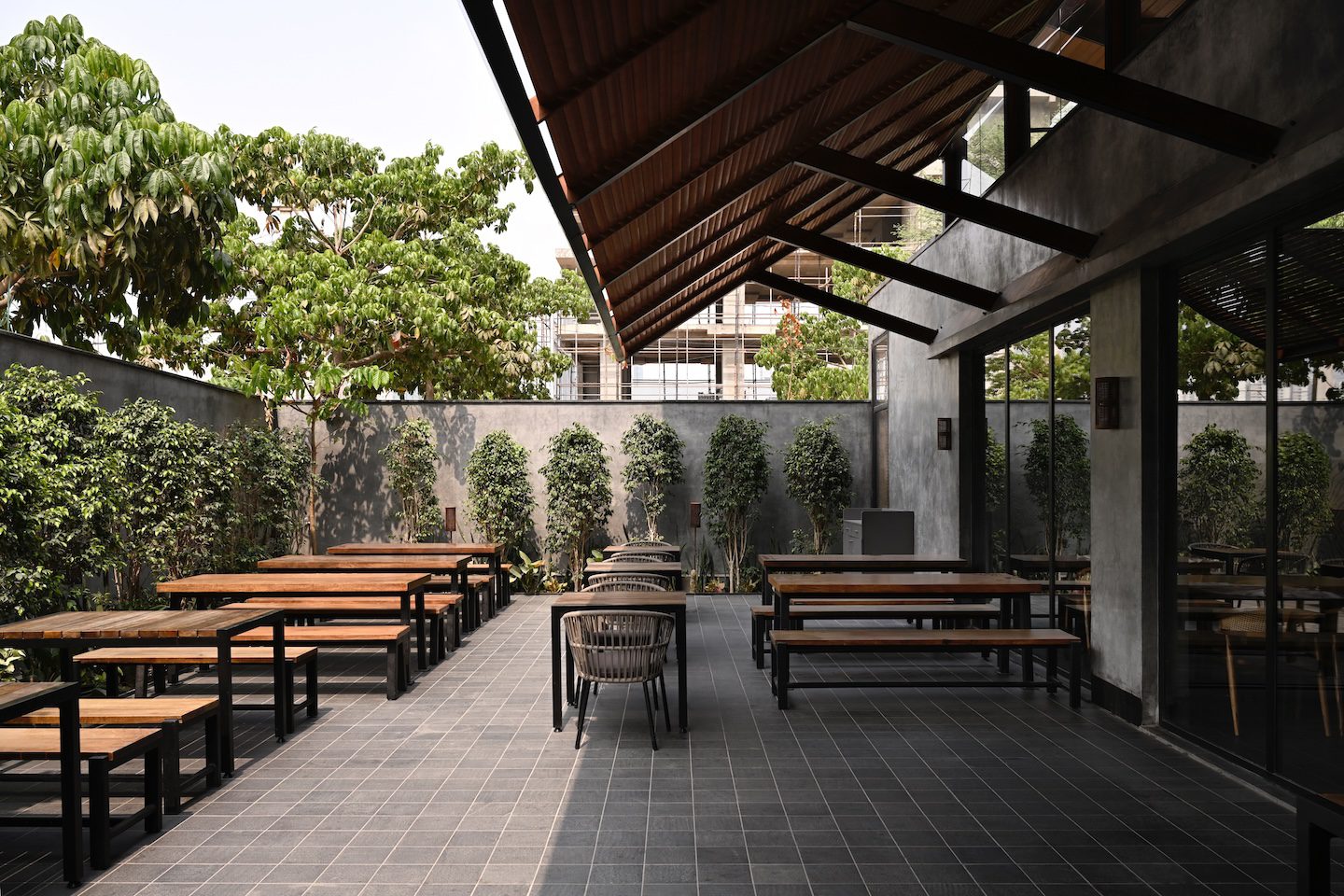
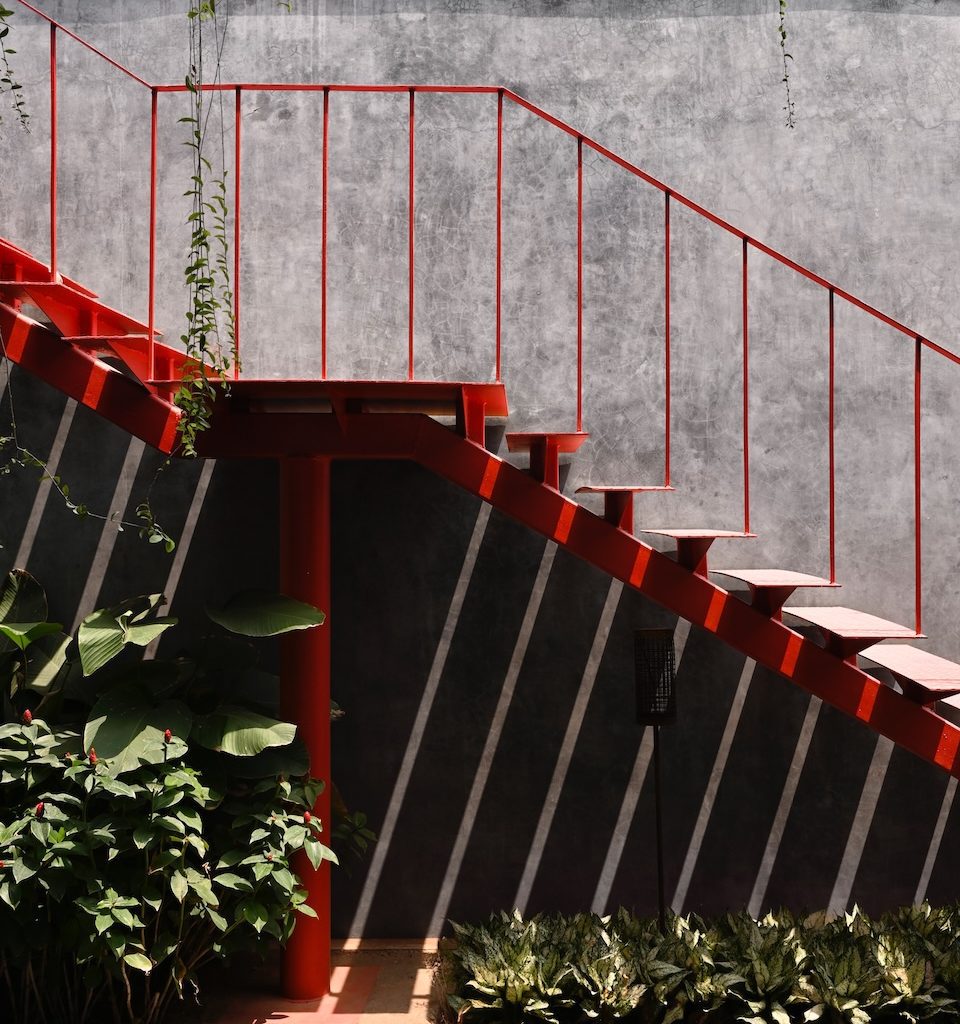
Materiality brings in another dimension—a calm counterpoint to the restaurant’s high energy. Grey cement oxide plaster ties the spaces together, giving them a surface that ages gently. Jet-black rough granite flooring adds visual weight beneath acacia wood furniture, while the courtyard’s lakha red granite floor catches daylight with a warm, earthy tone. Suspended wicker panels soften the geometry overhead, adding an organic texture to the otherwise linear framework.
Sustainability threads through the design in thoughtful ways: the sloped roof draws in daylight; jute louvred drapes temper southern glare; sliding glazing enables cross-ventilation; and 75% of seating is cooled using an innovative system powered by recycled water from the kitchen’s RO plant. With minimally processed materials and low-maintenance finishes, the restaurant is designed to evolve gracefully as time and use shape it.
Fact File
Project: Tabula Rasa 2.0
Location: Hyderabad
Area: 16,806 sq ft (site) and 14,770 sq ft (built-up)
Principal architects: Srikanth Reddy, Neelesh Kumar and Raghuram
Design team: Kaustubh Sharma, Varsha and Vishnuv
Add a Comment