
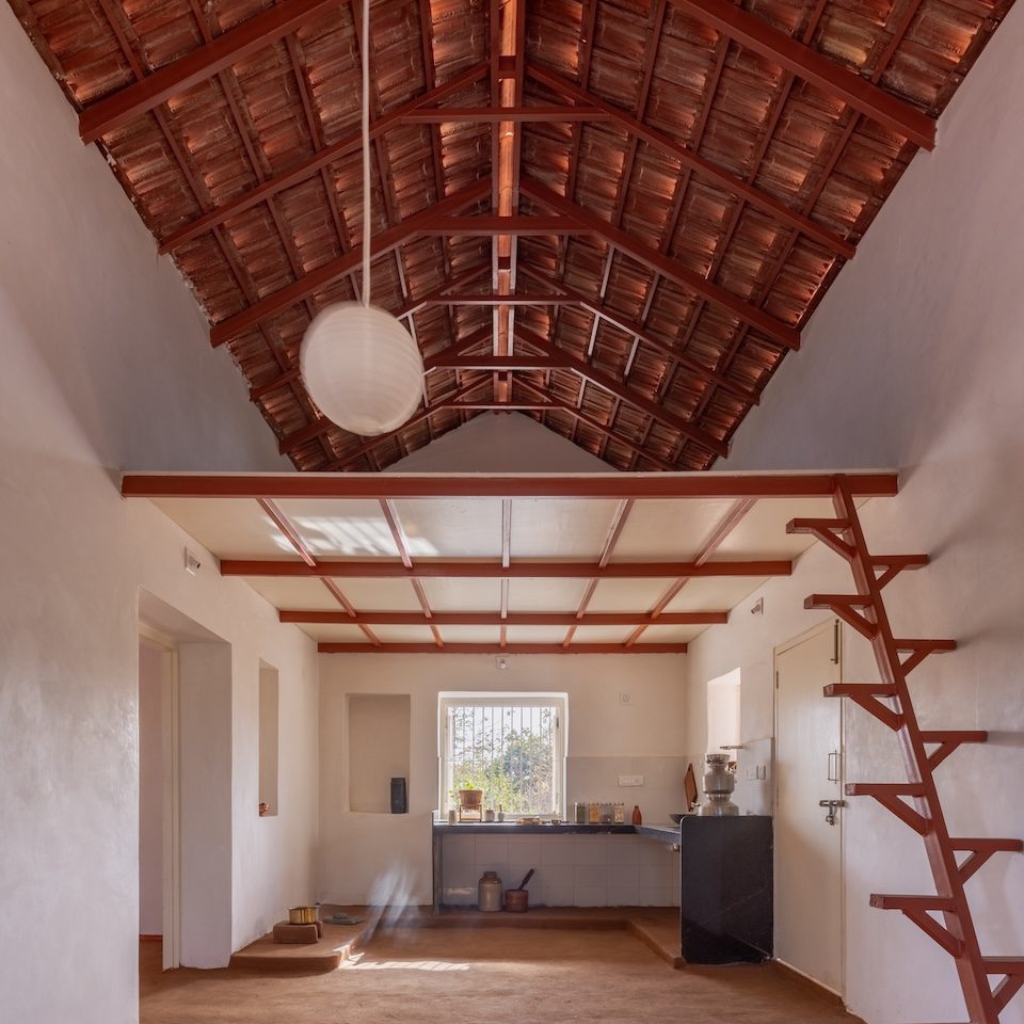
House of Nostalgia, in the Panchmahal district of Gujarat, is an adaptable, low-cost framework for modern rural housing that responds to the evolving lives of the Indian villages. Envisioned by Project Terra, the house reimagines life in the countryside through modular design, local craft, and regionally sourced materials.
Curated by: Deepa Nair
Photographs: The Space Tracing Company; courtesy Project Terra
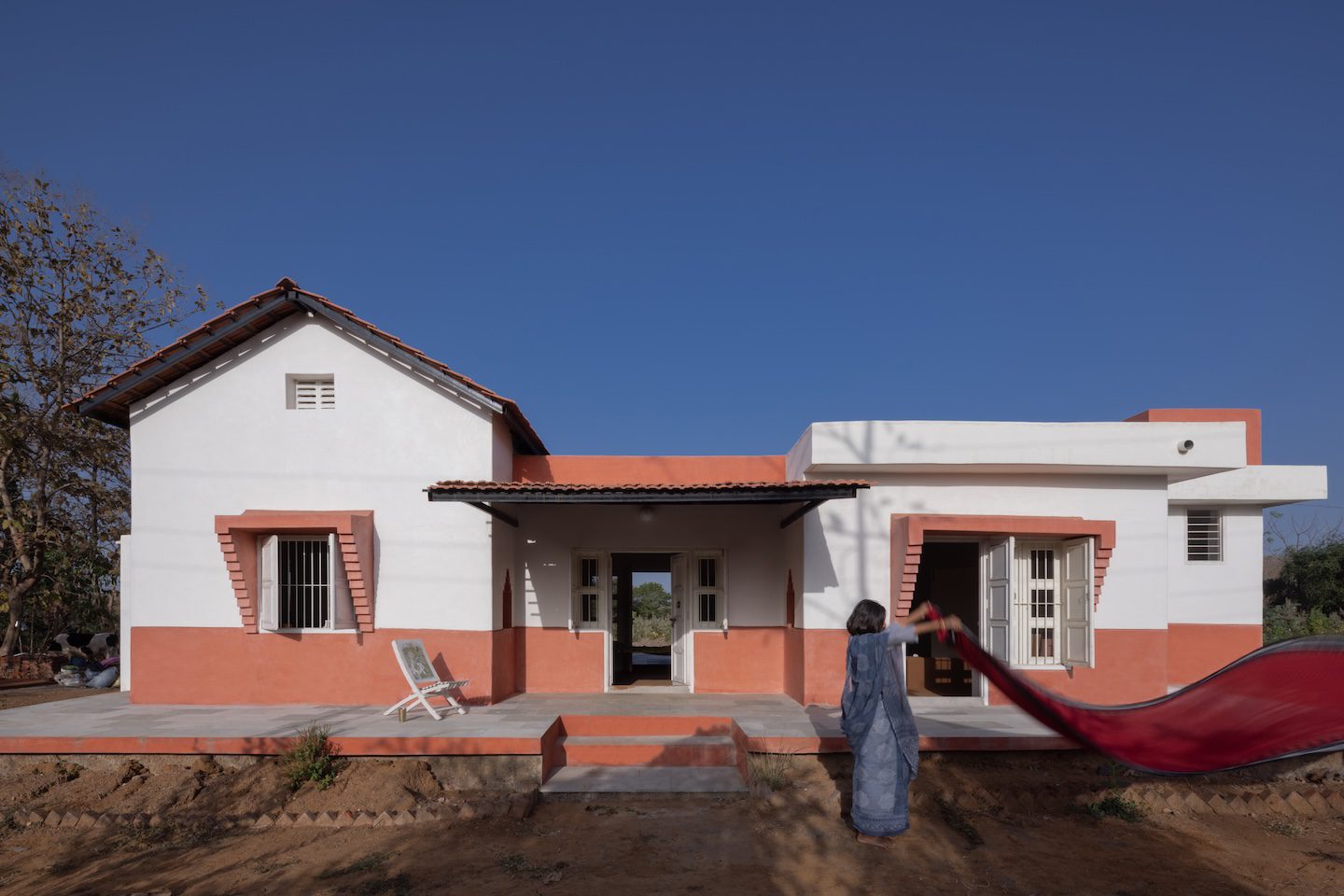
The premises
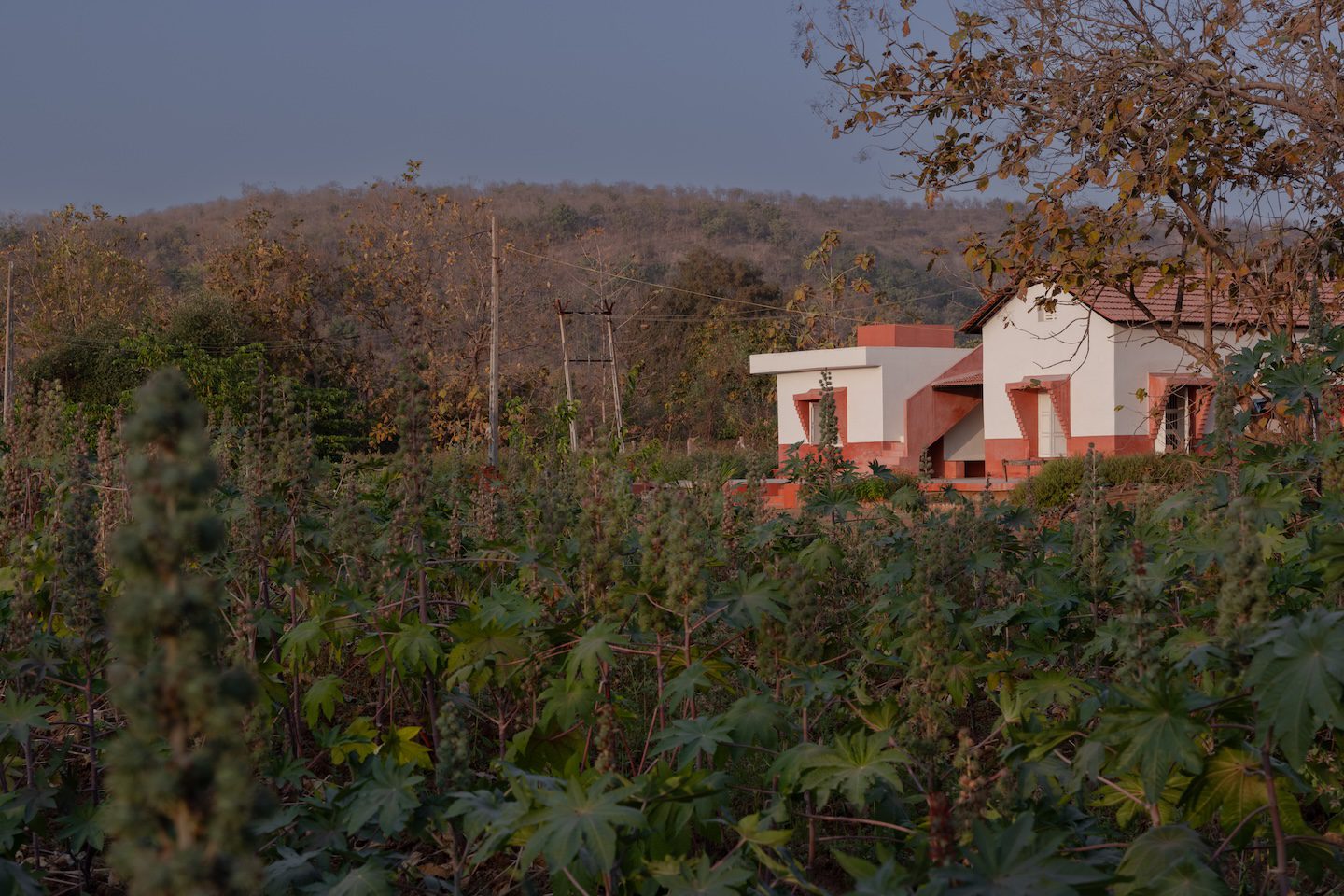
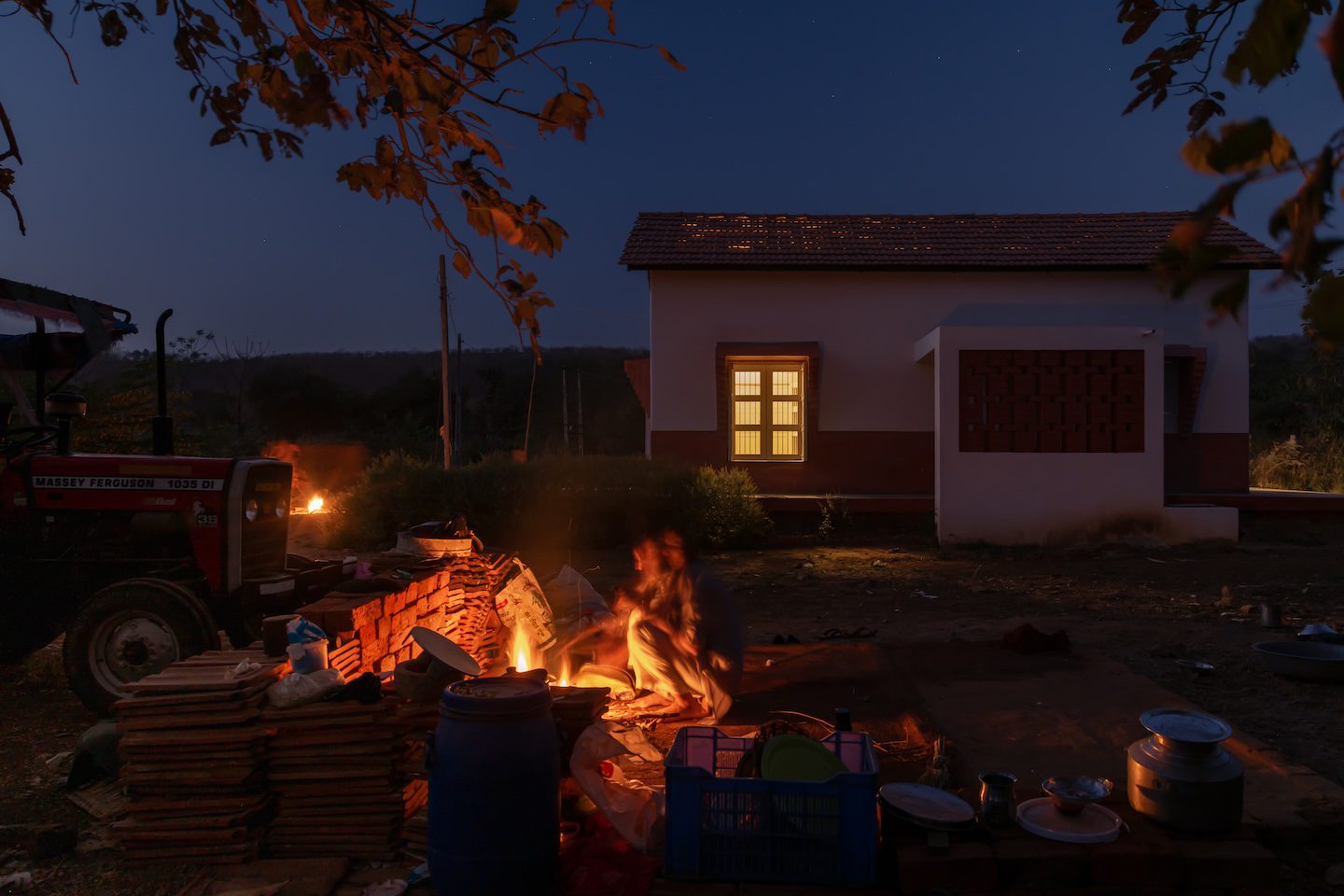
In the rolling landscapes of Gujarat’s Panchmahal district, House of Nostalgia—conceived by architects Rutvi Patel and Jay Patel of Project Terra—unfolds as both, a home and an idea. The project is an exploration of how rural housing can evolve without losing touch with its roots. The project extends the architects’ larger inquiry into rural modernity and modular design, reimagining how tradition and progress might coexist within the same frame.
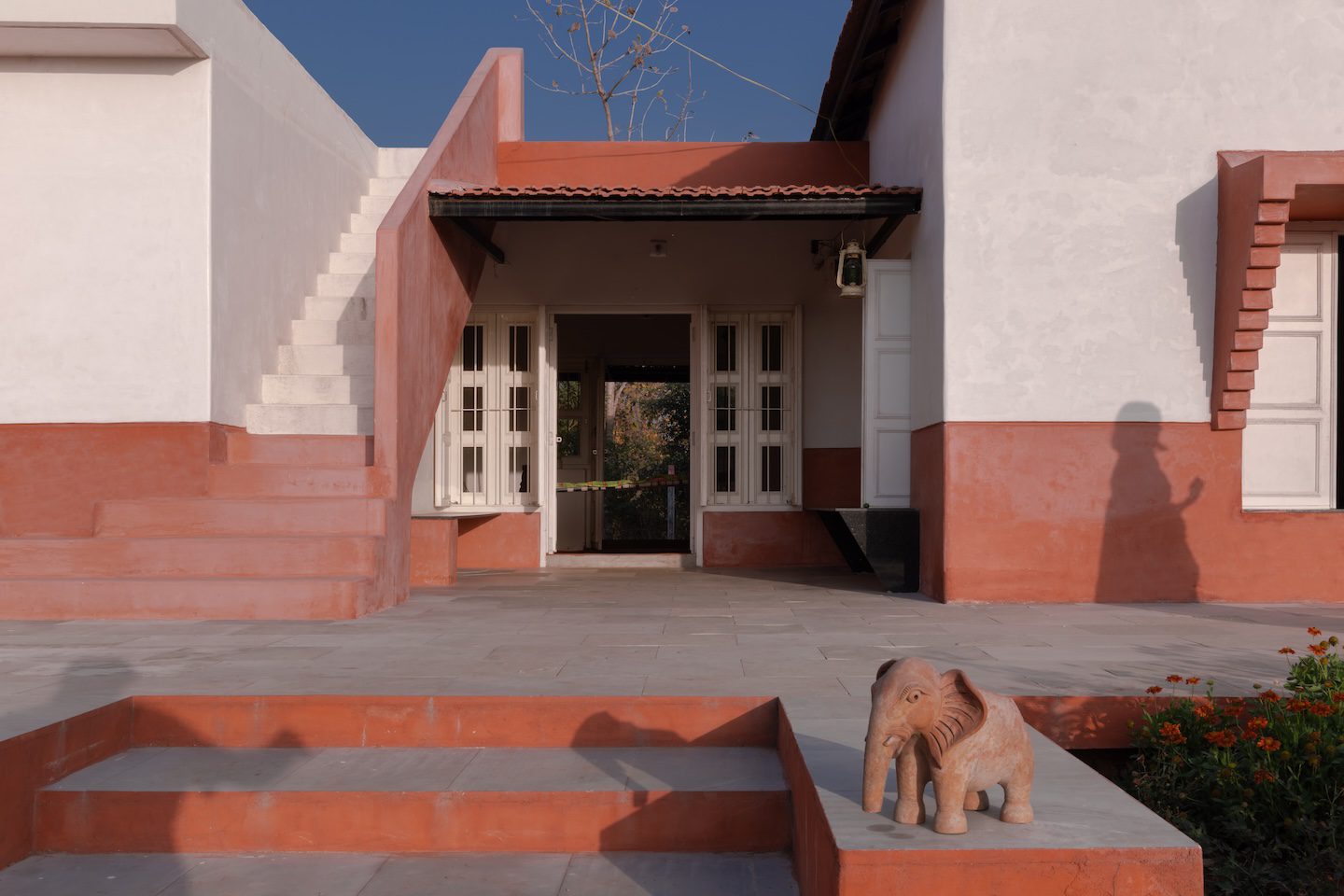
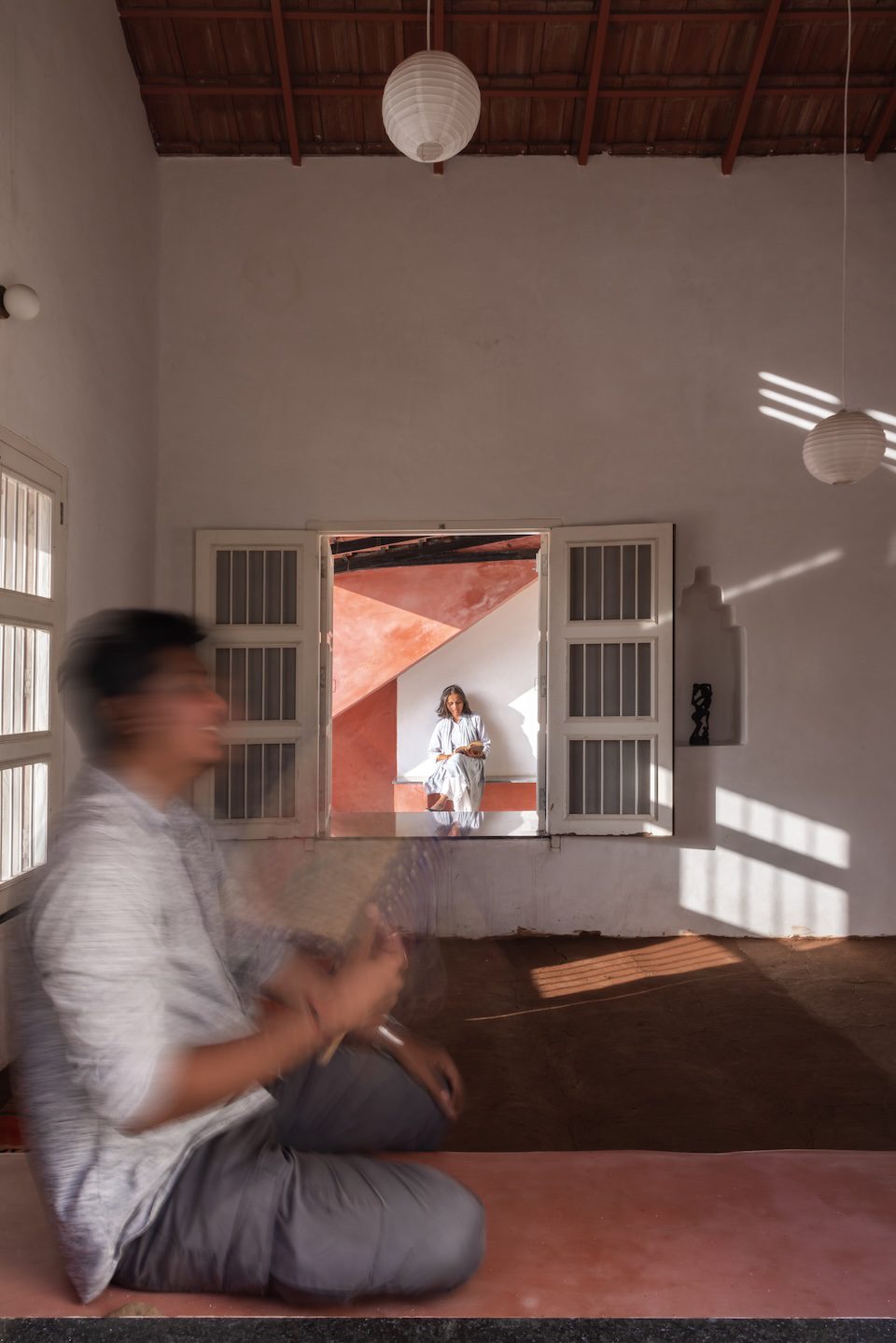
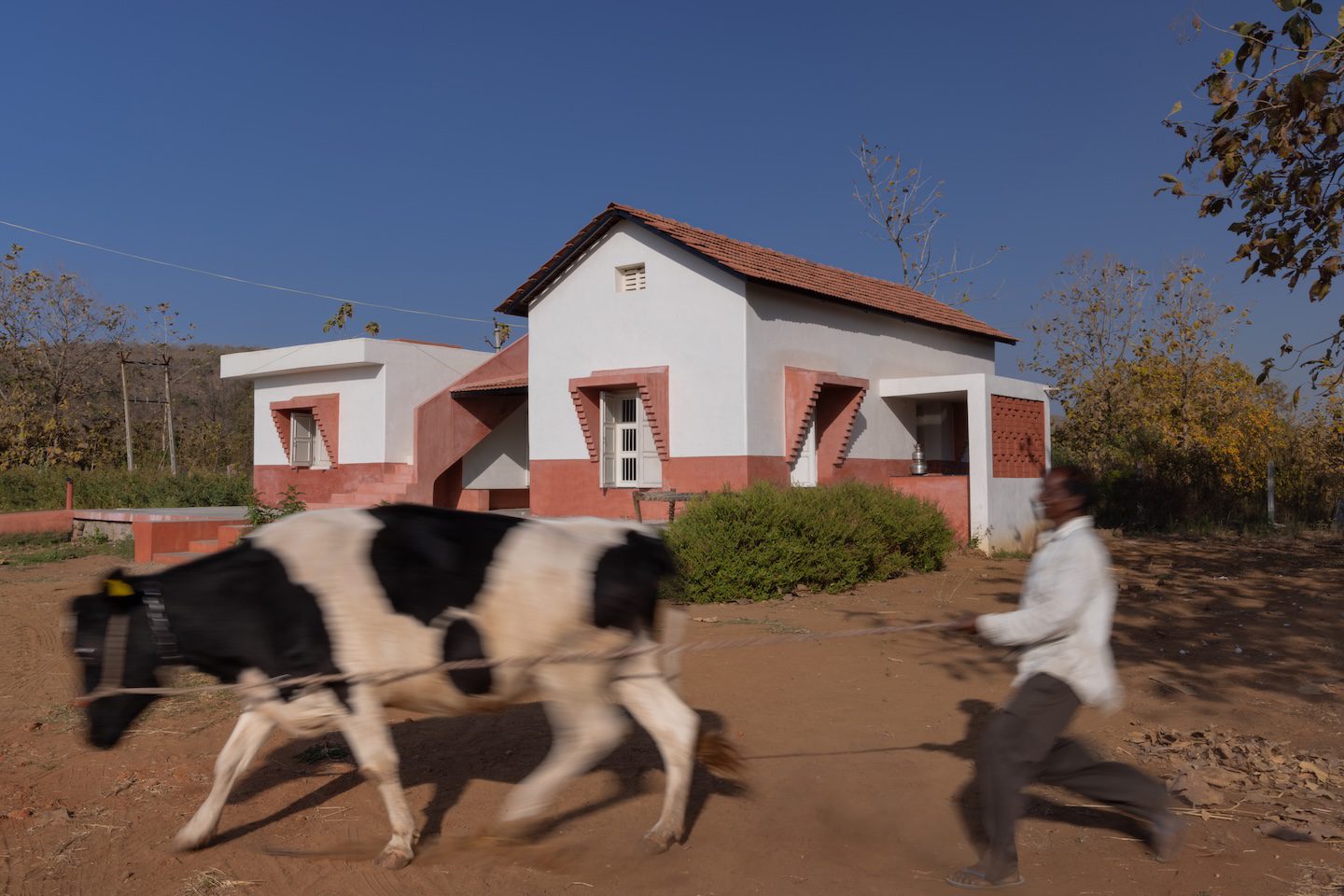
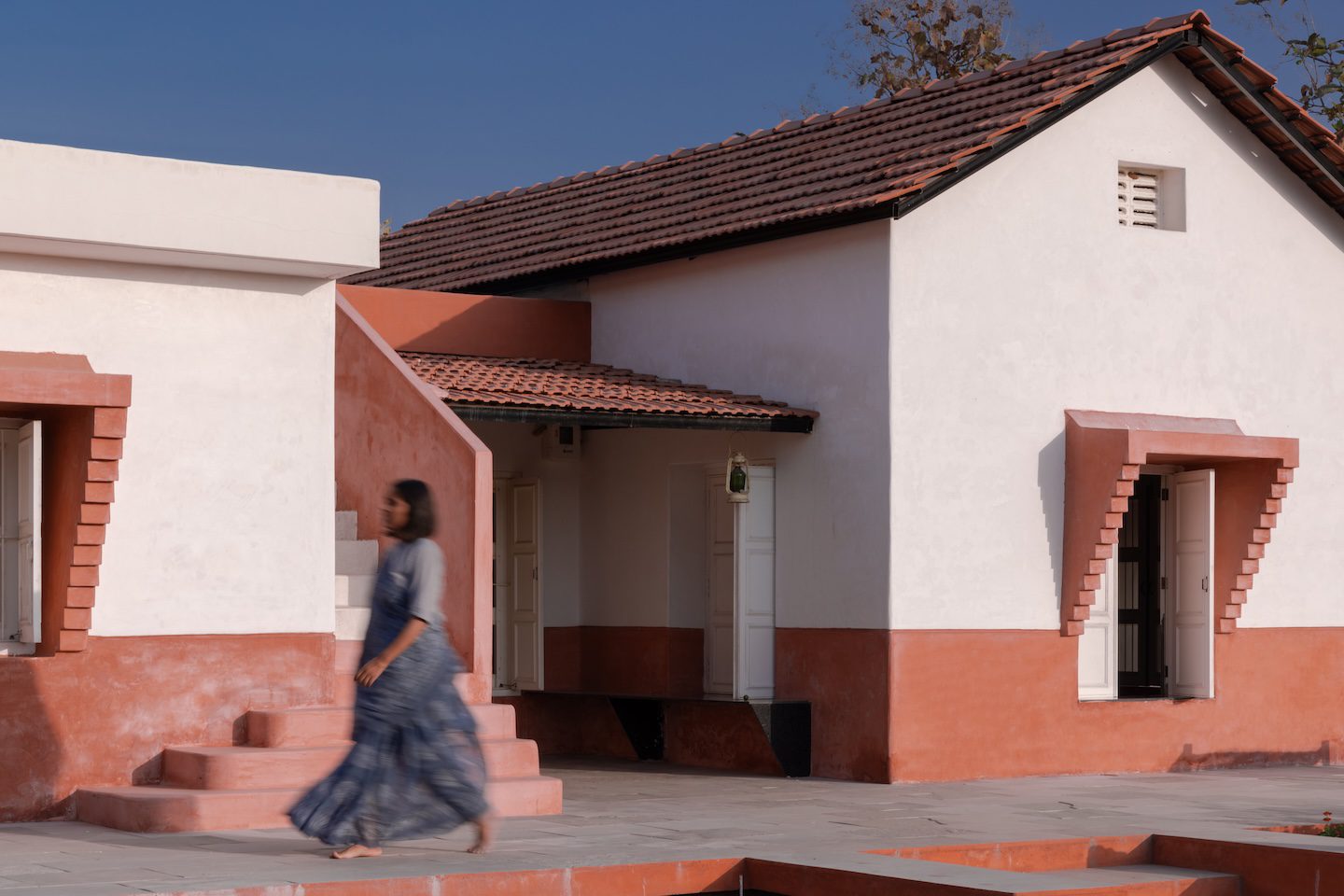
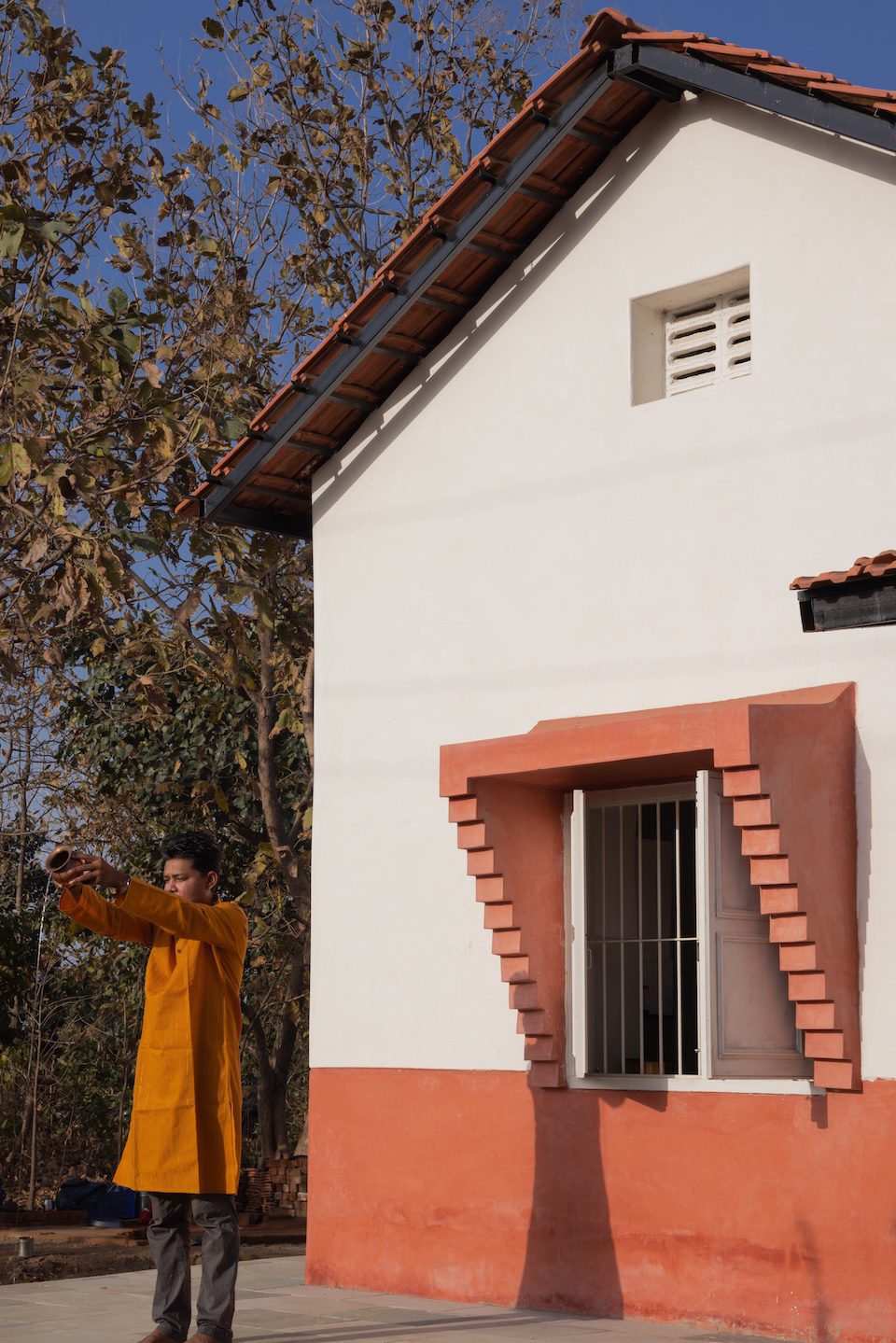
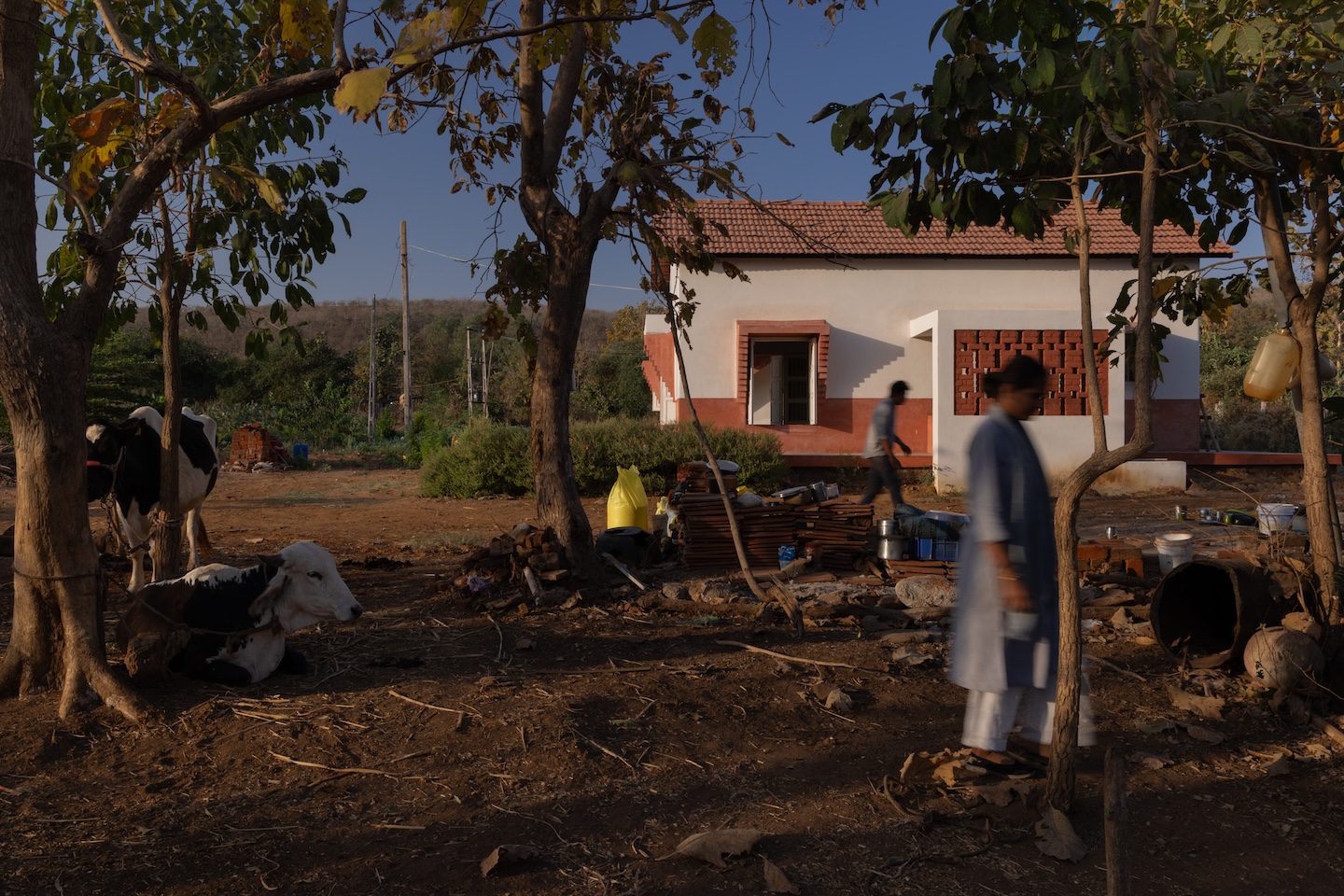
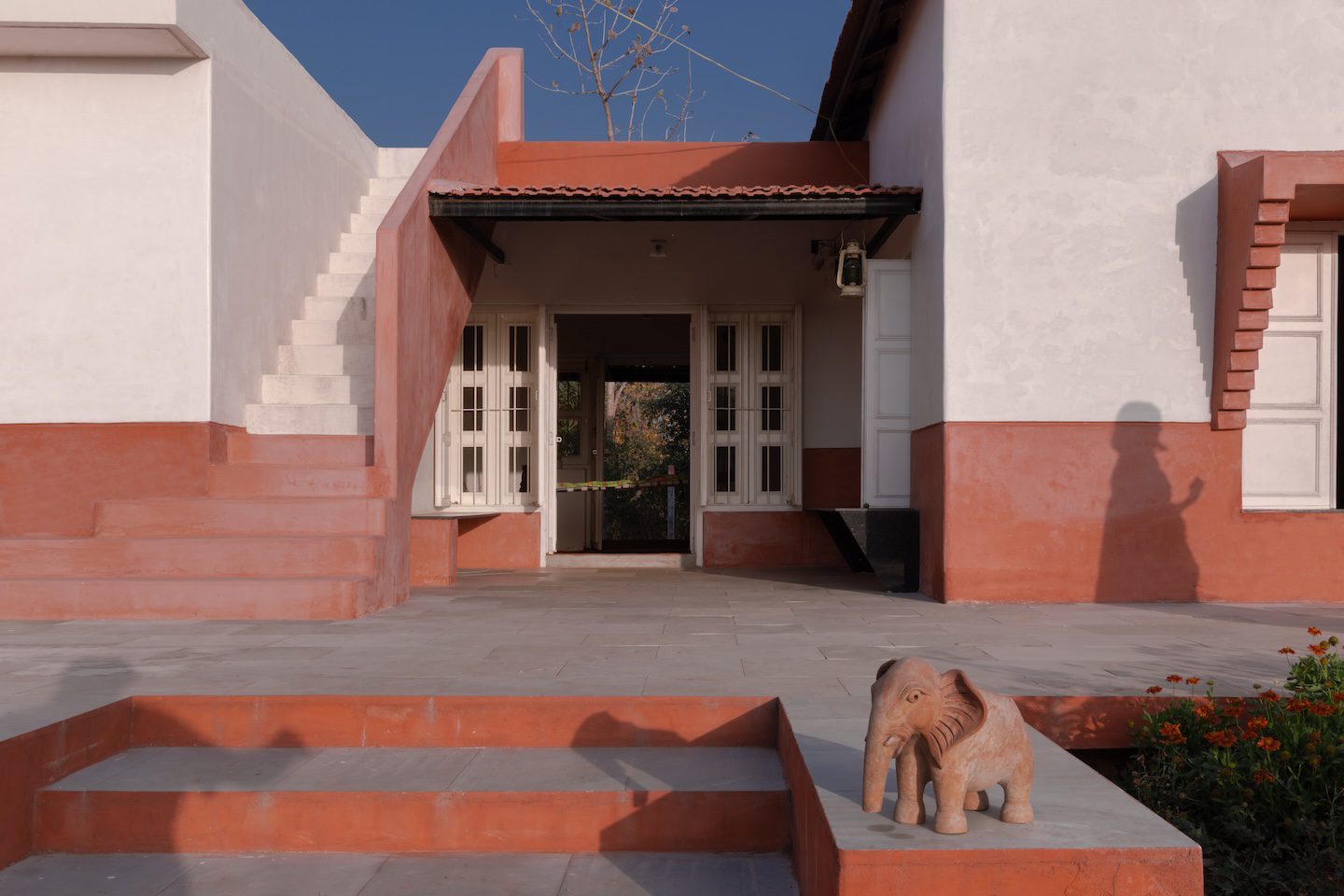
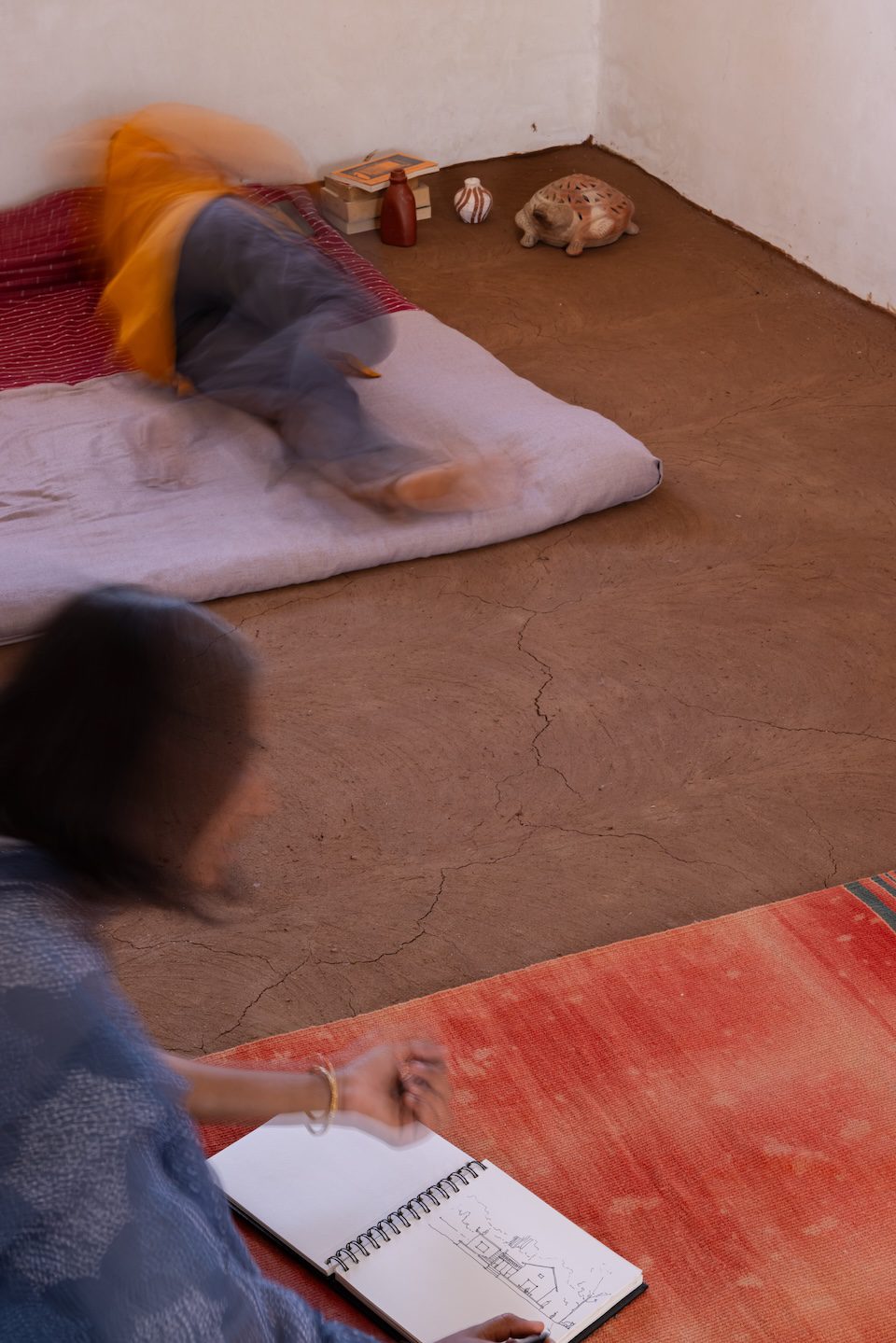
At first glance, the house feels familiar: sloping tiled roofs, lime-plastered walls, earthen floors, and shaded plinths. Yet within this simplicity lies a question—can progress grow from tradition rather than erase it? Designed for a private client, the home serves as a prototype for adaptable rural housing, reclaiming the material and spatial intelligence of vernacular architecture and reshaping it for the social, economic, and environmental realities of today.
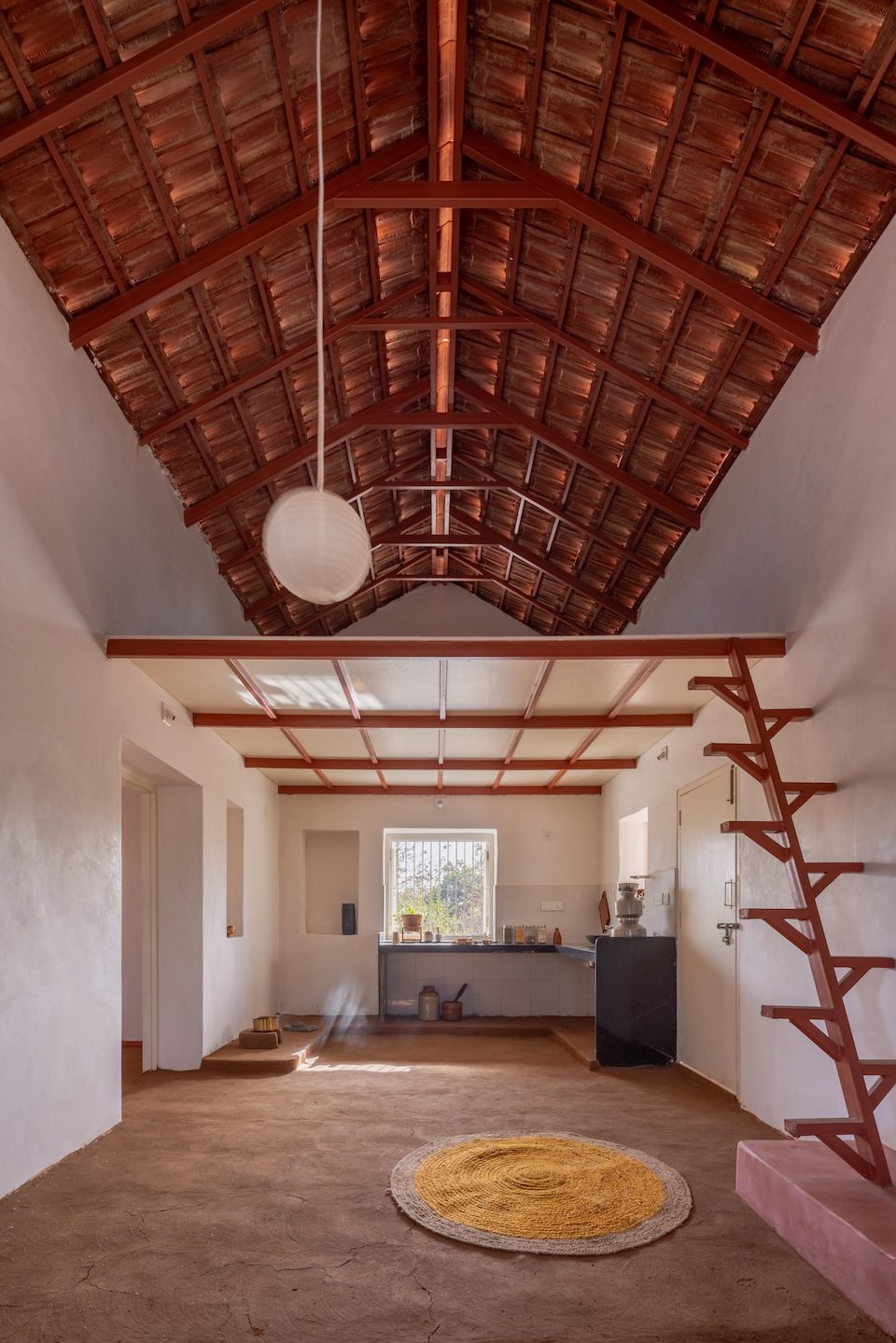
The design intent
India’s villages are in transition. Families are smaller, landholdings are changing, and aspirations are increasingly shaped by urban exposure. Yet rural housing often remains caught between two extremes: low-cost RCC constructions that ignore climatic intelligence, or stylised farmhouses that romanticise tradition while staying detached from rural life. House of Nostalgia finds its space between these two extremes. Durable, affordable, and adaptive, it is a home that values both permanence and possibility.
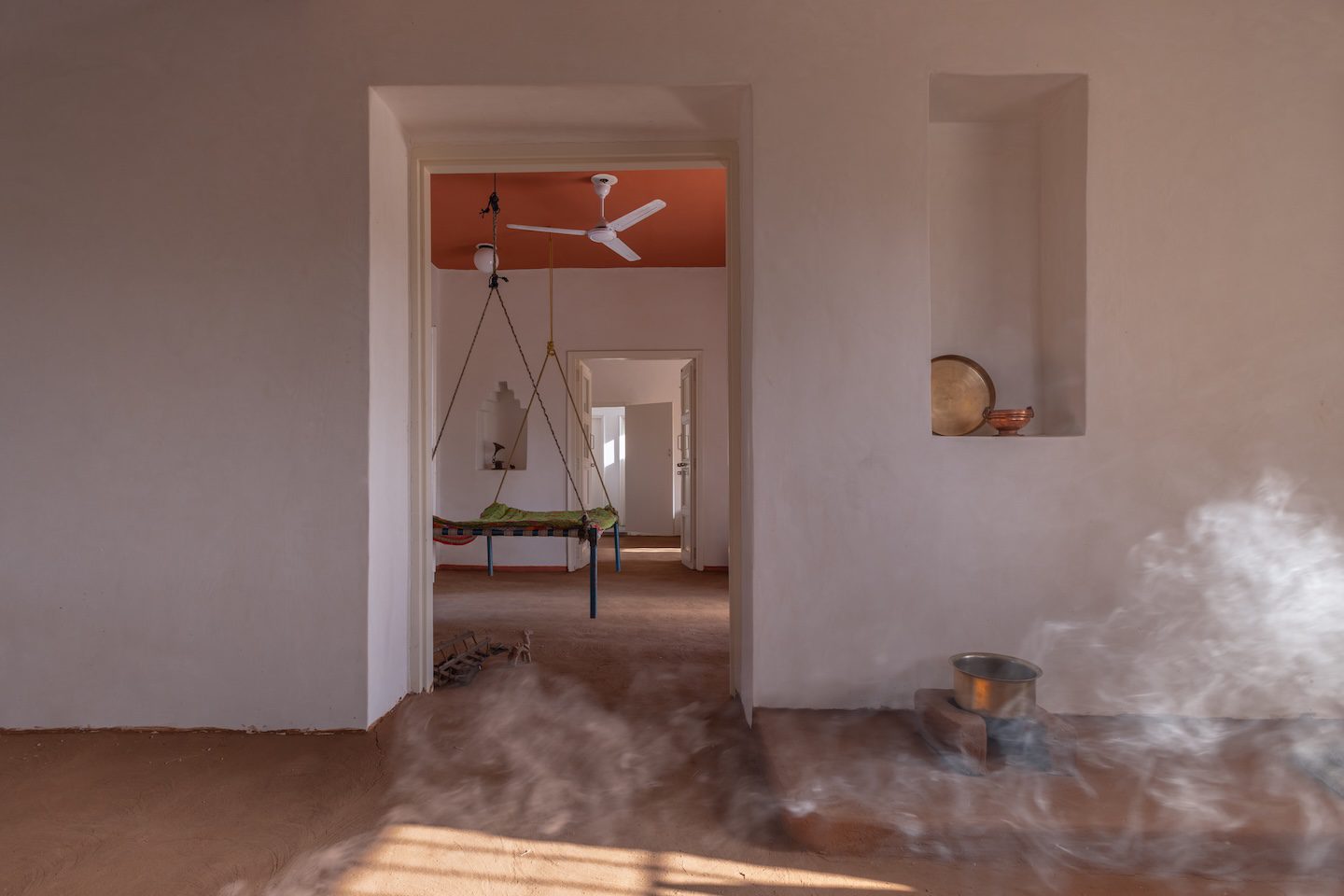
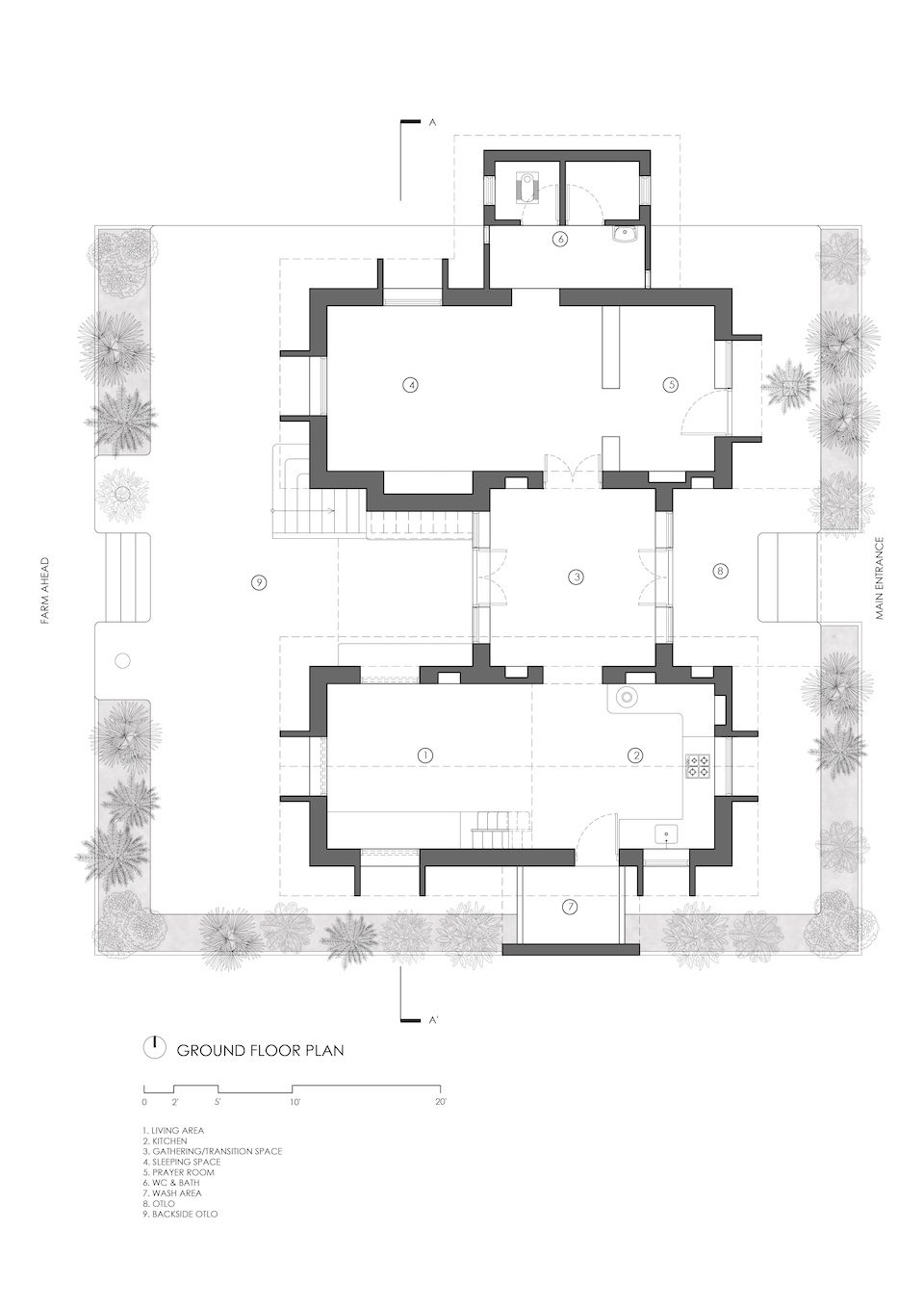
At the heart of the design lies modularity. Each 450 sq ft unit follows an H-shaped layout and can be built for approximately seven lakhs (INR), allowing phased construction—a practical response to rural economies where finances, labour, and land evolve over time. This system is not a compromise but a strategy for flexibility and growth. Built in stages, the home can expand as needs change, maintaining spatial clarity and dignity unlike the fragmented extensions common in many rural areas.
“In this sense, the House of Nostalgia is not a building, but a framework. A system of thinking and making that can be transferred across rural India’s diverse geographies. It’s not about exporting form, but replicating the process—using local materials, designing for growth, and reinforcing regional identity through quiet, functional design,” says Rutvi. “It asks us to rethink how we define progress in the built environment and to look at rural housing not as a site of deficiency, but as a potential site of innovation. It urges us to treat the rural not as the past, but as a fertile ground for the future of sustainable living,” adds Jay.
The spatial configuration
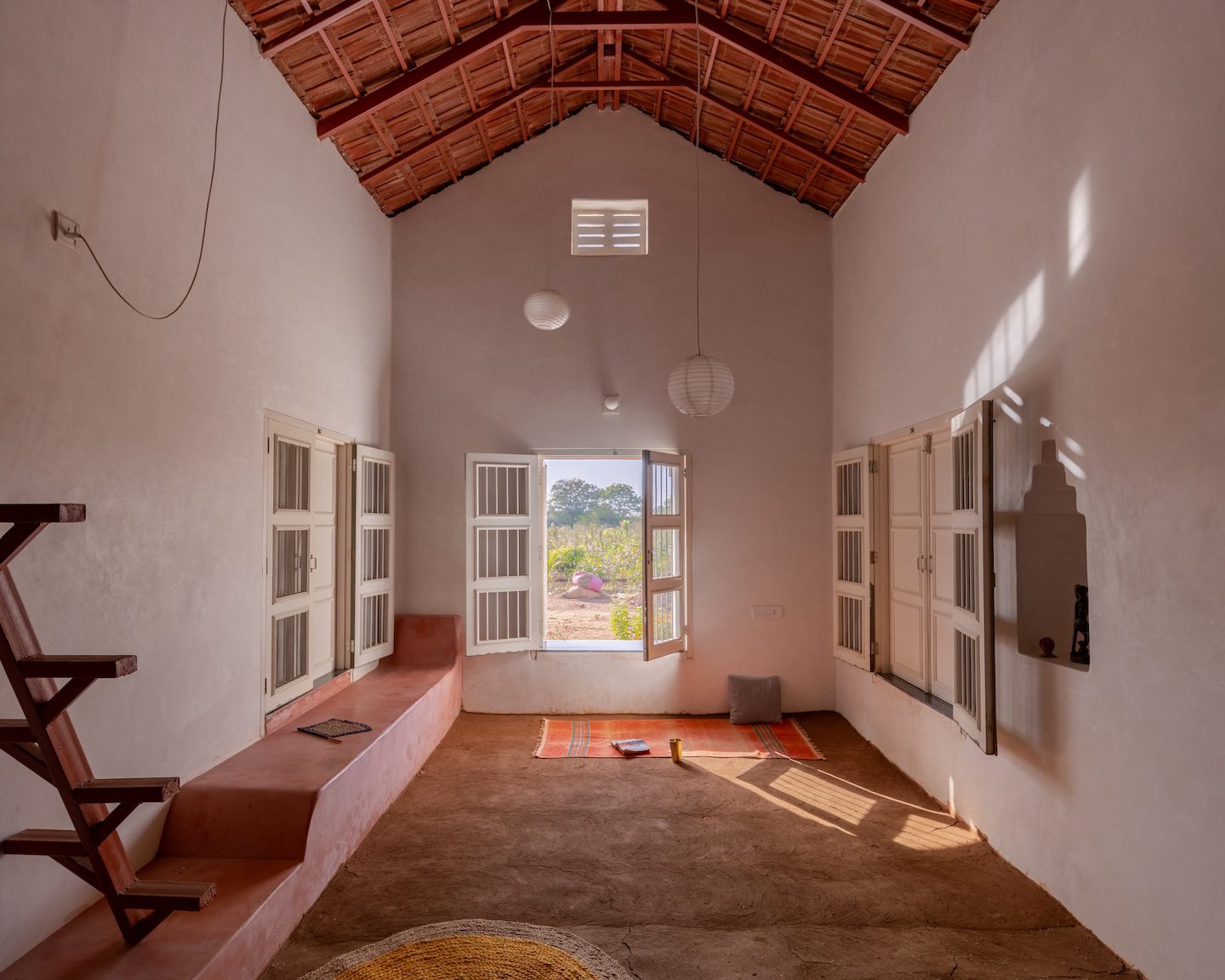
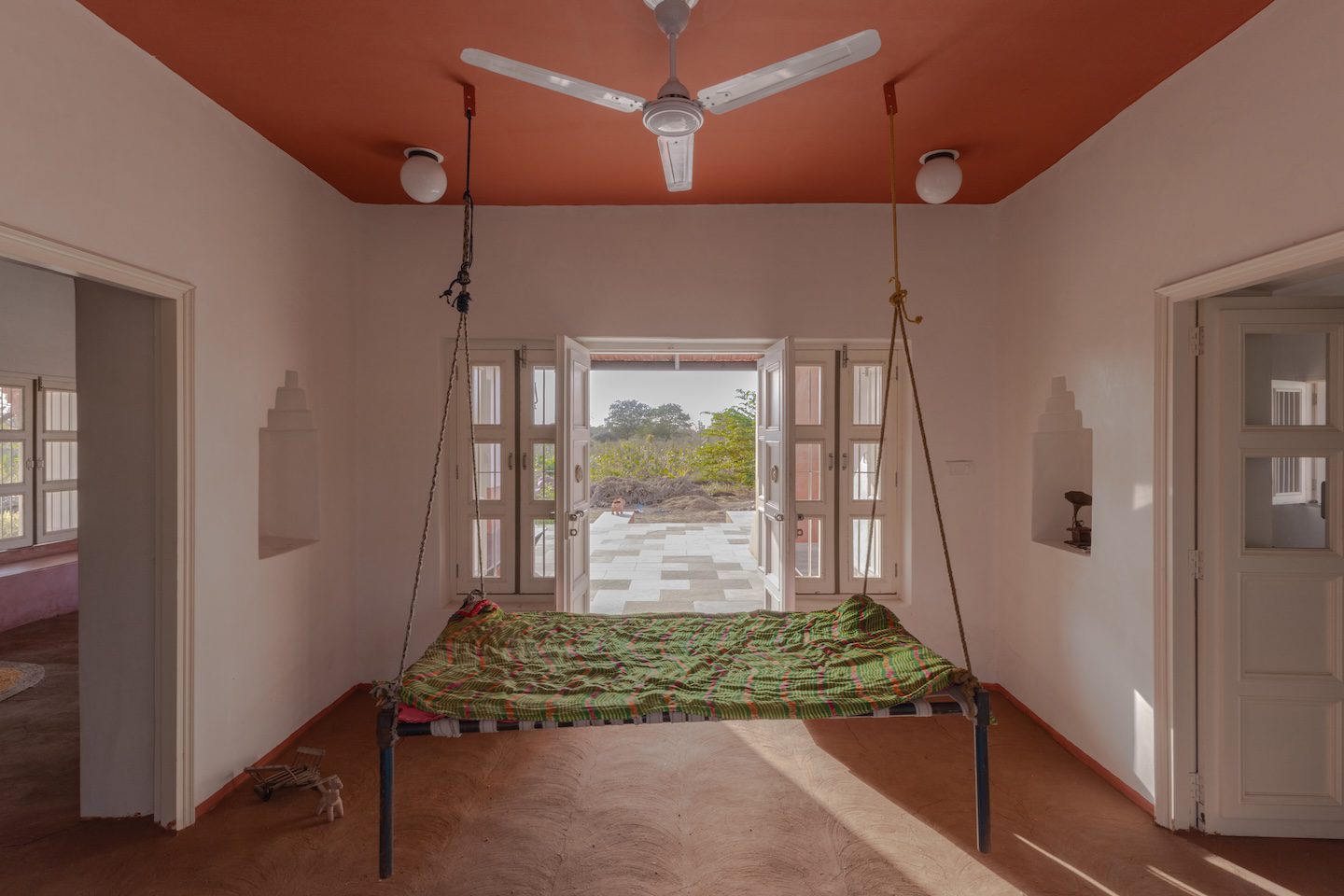
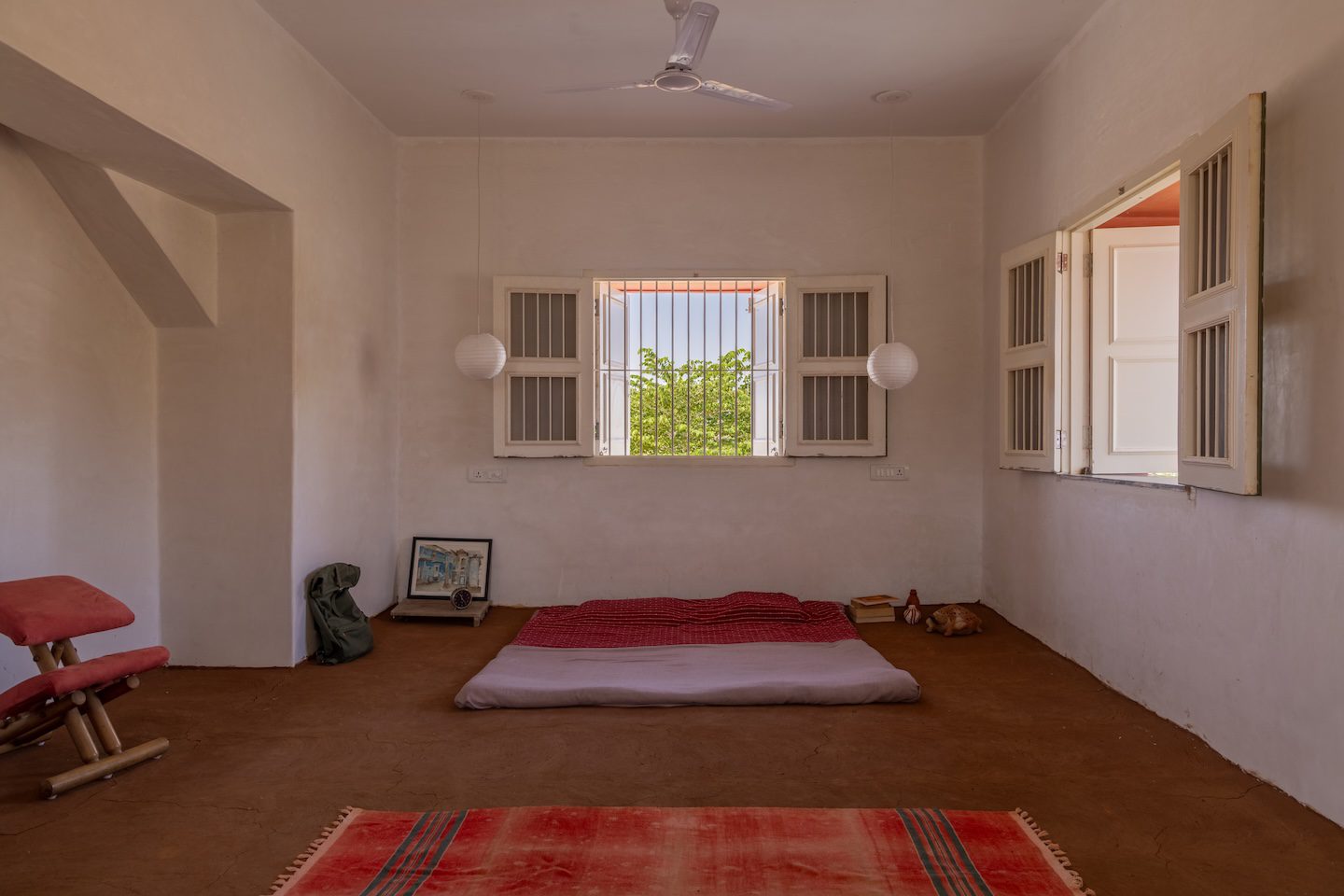
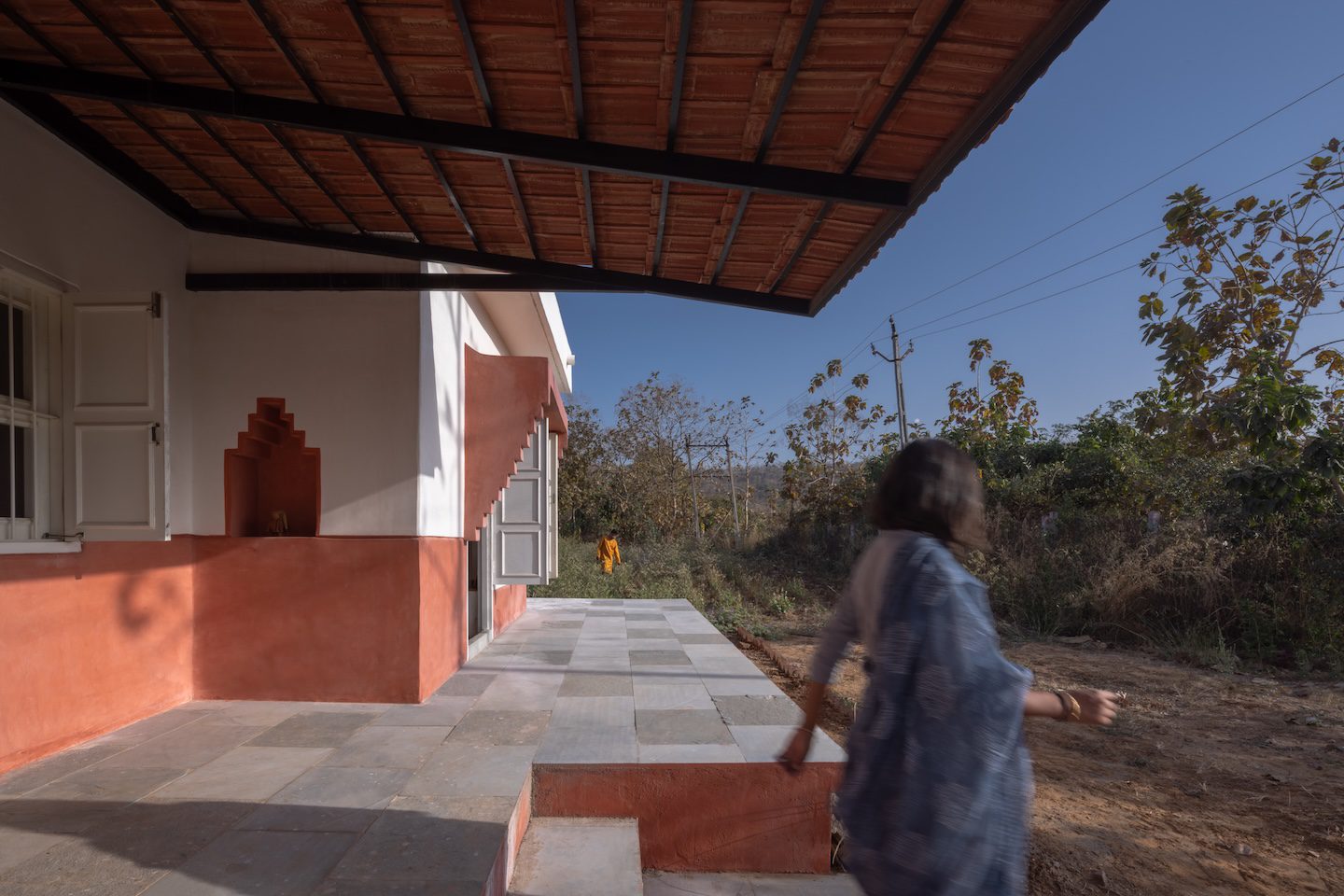
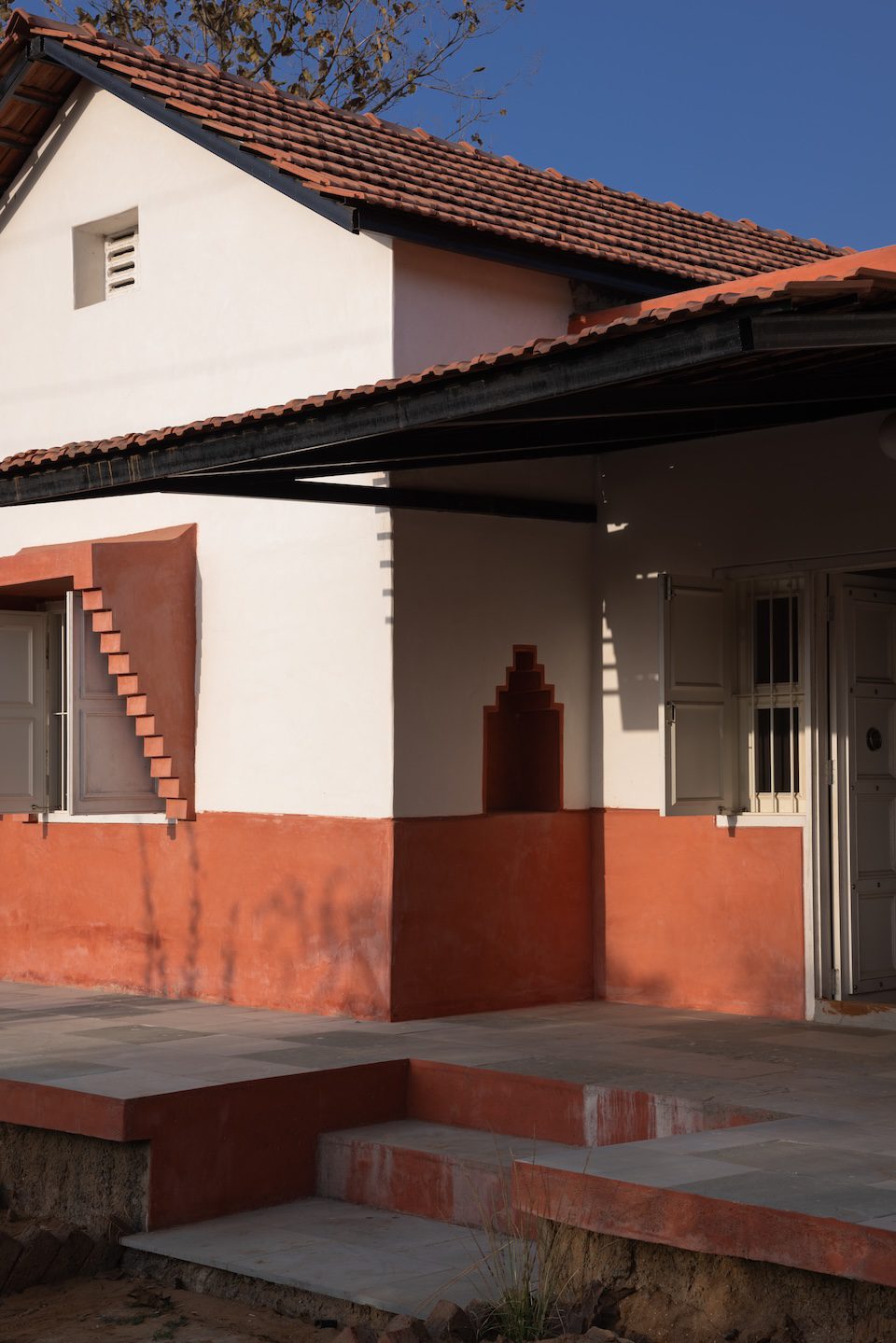
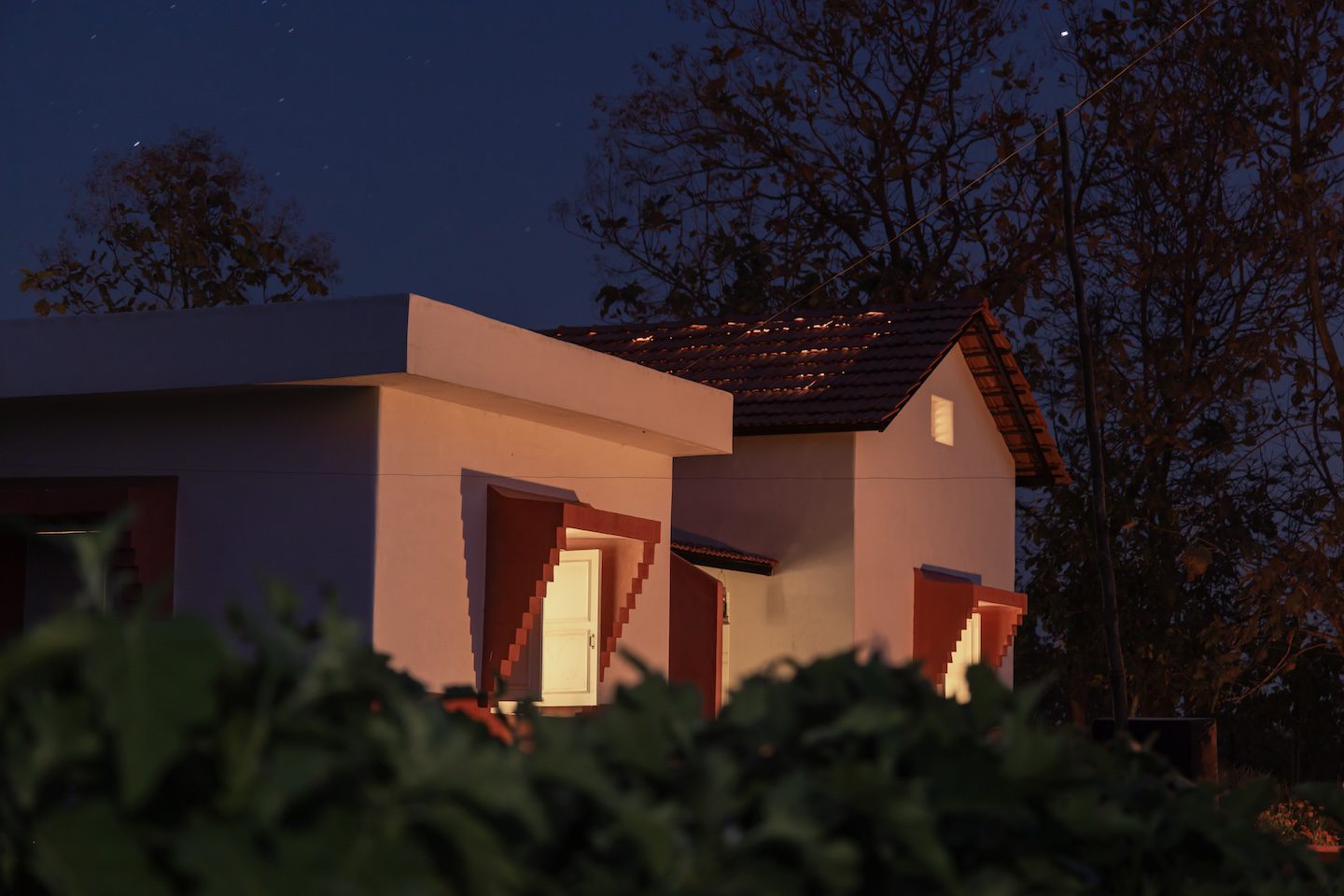
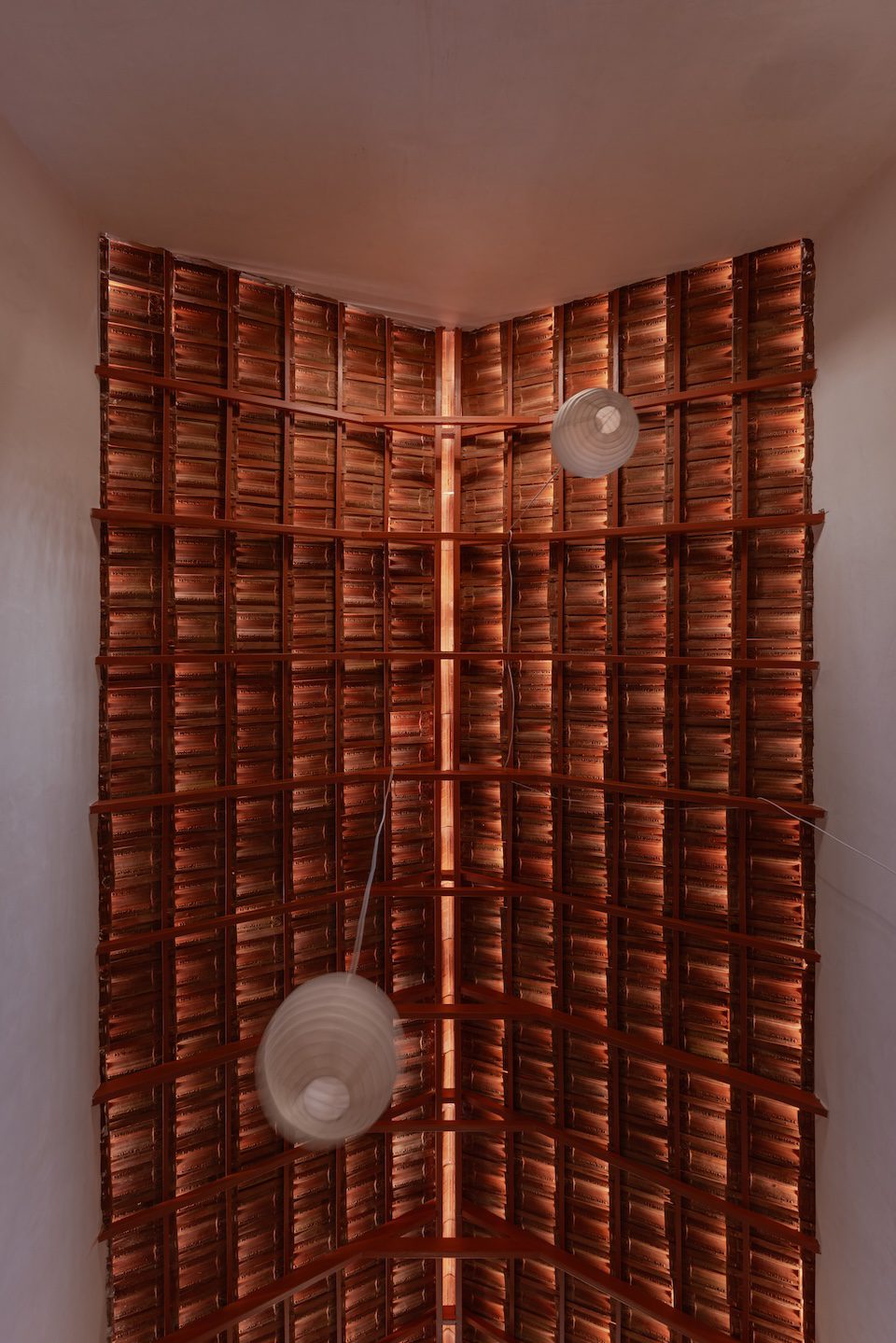
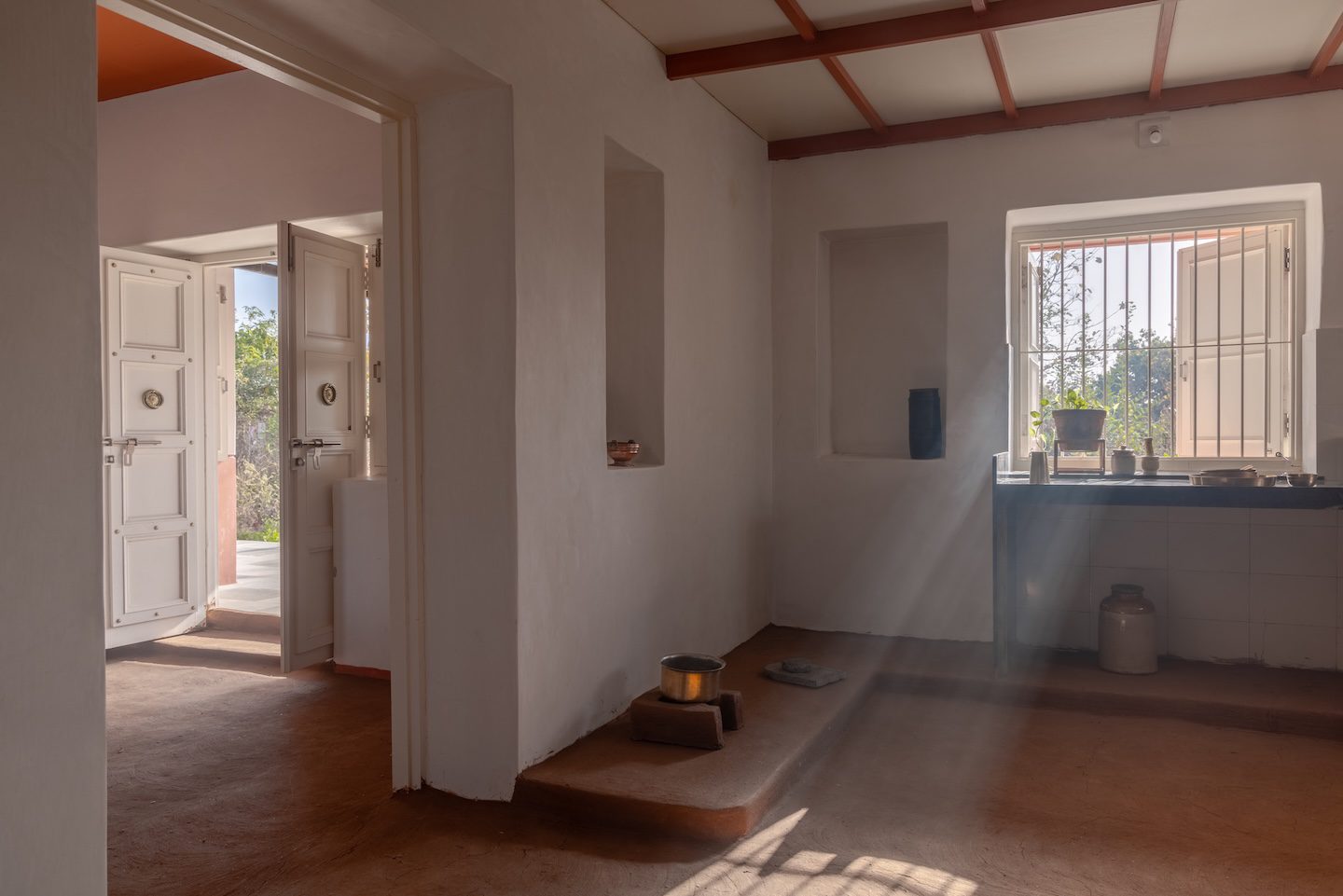
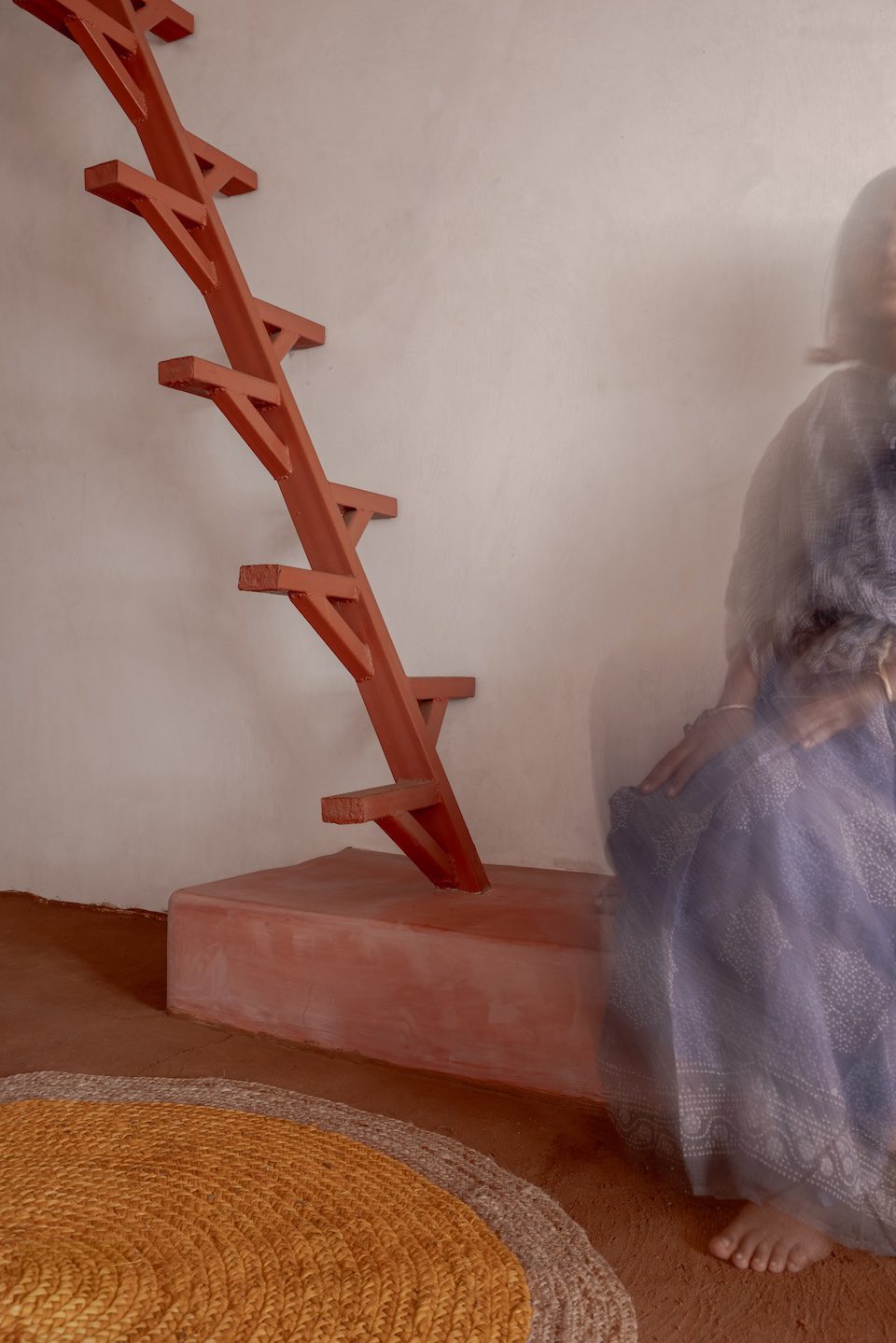
The structure is composed of three interconnected volumes: a sloped Mangalore-tiled unit with a mezzanine loft, an RCC slab module housing the bedroom and pooja room, and a bamboo-reinforced slab unit accommodating the kitchen and services. The architectural language draws from generations of rural logic, expressed through thick walls, built-in niches, transitional thresholds, verandahs, and a central courtyard. These elements regulate heat, organise space, support social interactions, and extend domestic life into the outdoors.
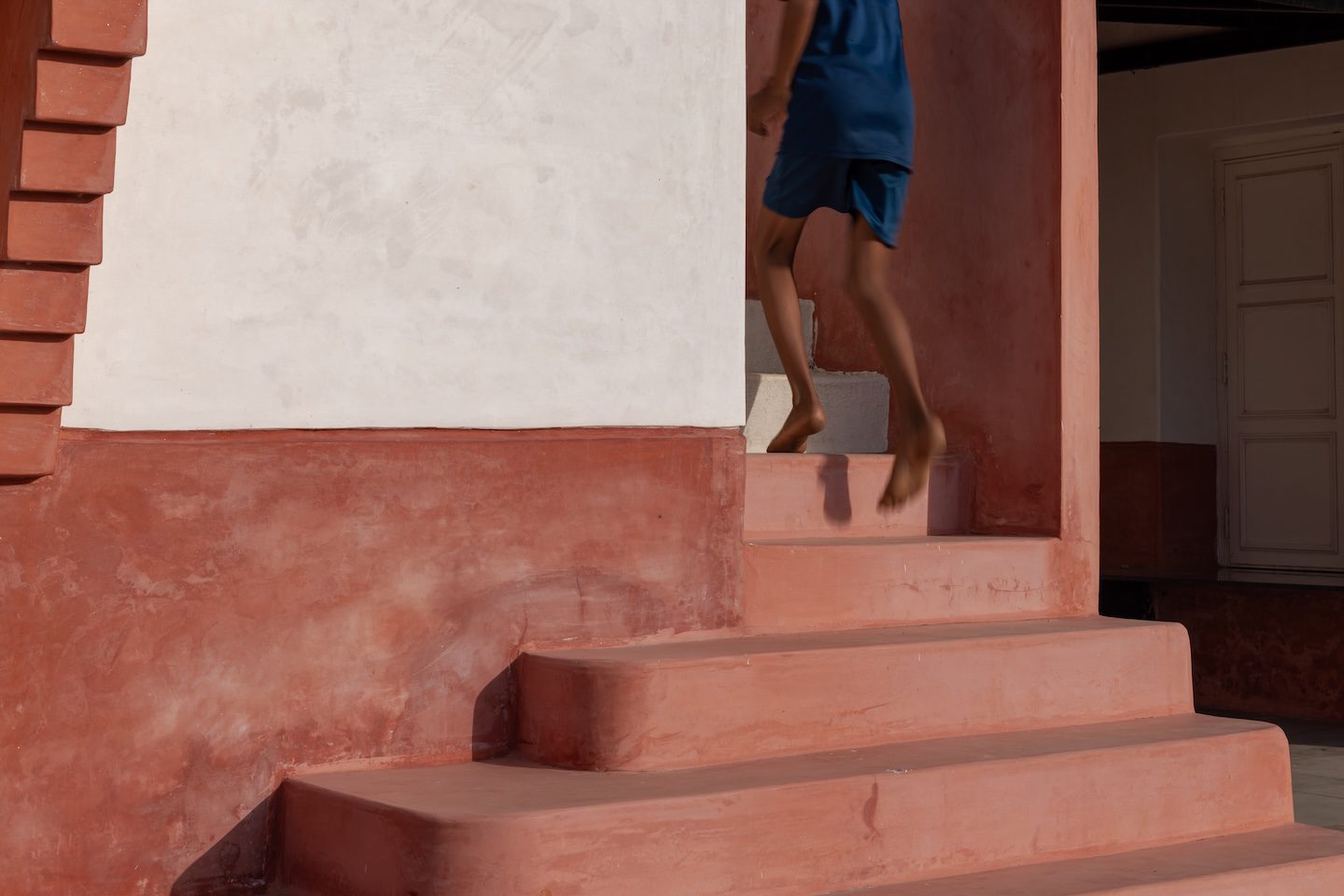
The extended plinth acts as a semi-public gathering space, while the mezzanine offers a playful perch that overlooks the heart of the home. A semi-open connector between modules serves as both passage and pause, maintaining a rhythm of openness and intimacy. Passive cooling is not applied as an afterthought but embedded into the form itself, allowing the house to breathe naturally within its climate and context.
The material palette
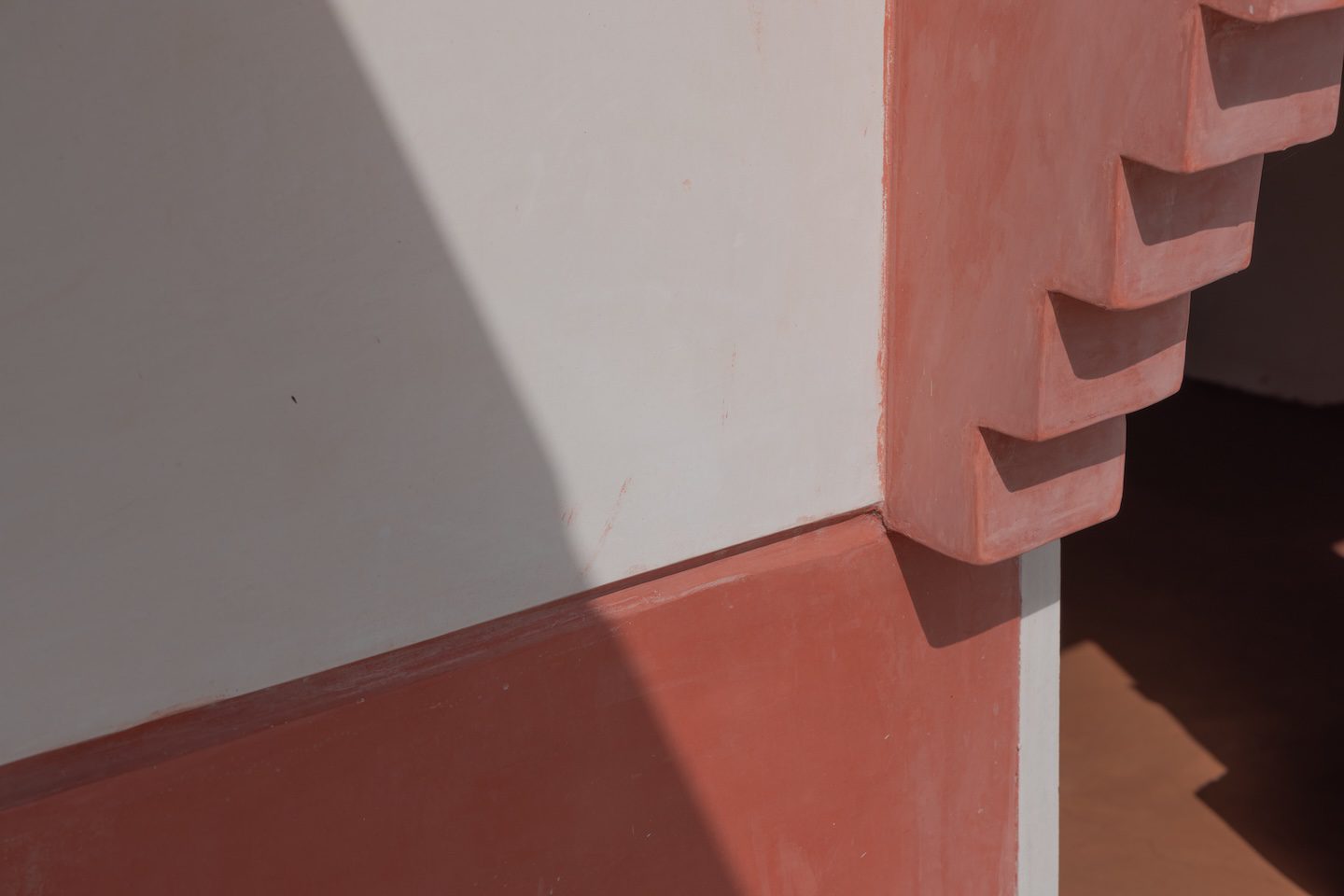
Material choices reinforce the project’s logic of continuity. House of Nostalgia draws from what the land itself offers: brick, stone, lime, bamboo, and timber sourced from the immediate context. These materials were chosen not out of sentimentality or craft nostalgia, but for their performance, economy, and environmental logic. Lime enables breathability and passive cooling; brick and stone provide density and low thermal conductivity; bamboo, used in the slab construction, is lightweight, cost-effective, and locally abundant.
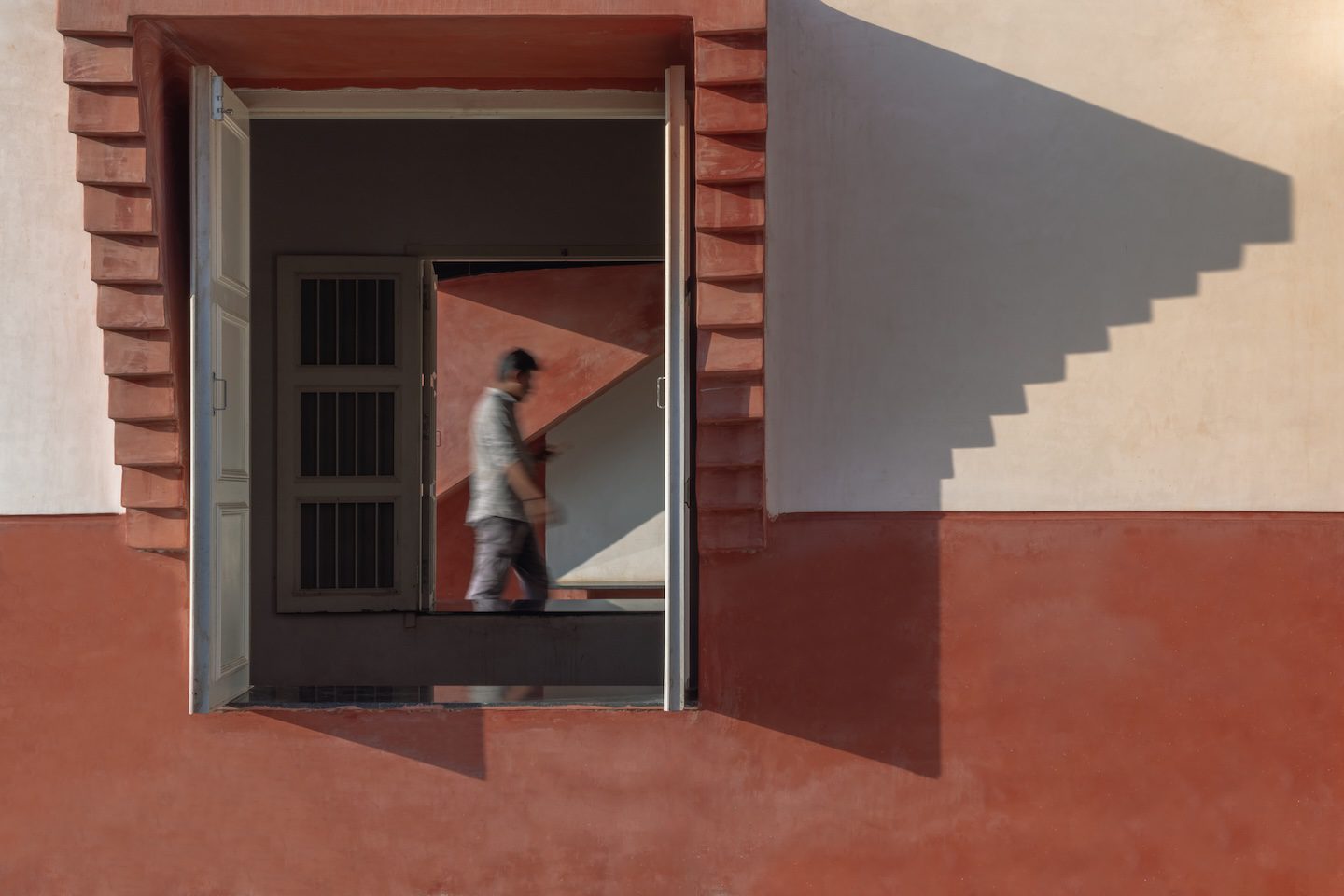
“These decisions restore agency to rural material culture,” explains Rutvi, “not as a stylistic gesture, but as a construction strategy that reduces embodied energy, increases durability, and demands minimal maintenance.” She adds that House of Nostalgia also critiques a growing trend in rural India — the replication of urban RCC models, often funded through remittances or government schemes, which erase regional differences and overlook climatic intelligence. “Such concrete homes are perceived as progress,” notes Jay, “yet they perform poorly in thermal comfort and adaptability. Our aim was to propose regional modernity—architecture that grows from its geography and reflects local aesthetics without imitating the past.”
Fact File
Project: House of Nostalgia
Location: Khandiya Village, Panchmahal, Gujarat
Area: 450 sq ft
Principal architects: Rutvi Patel and Jay Patel
Add a Comment