

GoodEarth collaborates with Jayakumar & Associates to design a harmonious blend of living spaces, community, and nature.
Curated by: Rupali Sebastian
Photographs: Running Studios; courtesy GoodEarth
The site
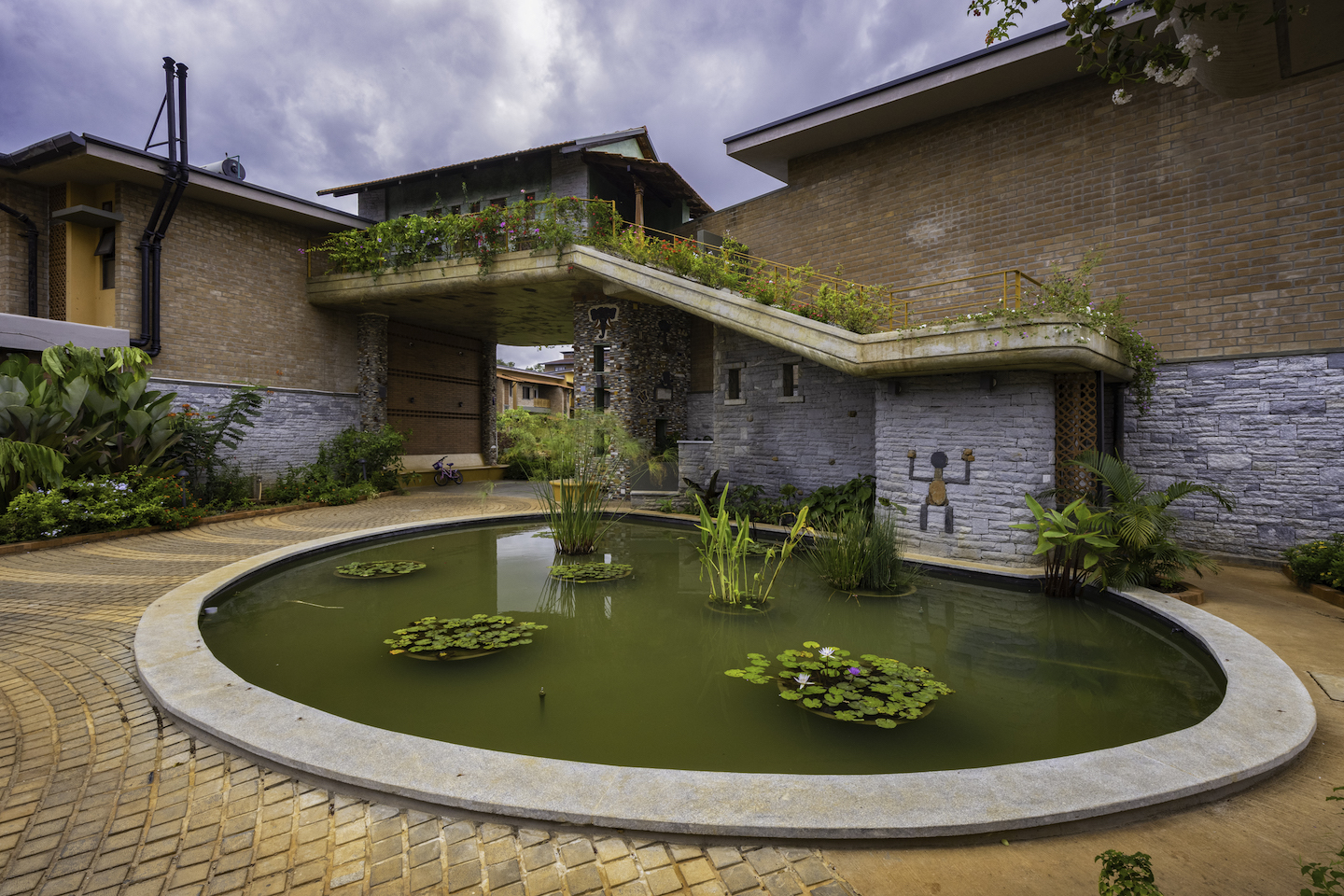
The site spans nearly 4 acres of mildly undulating land located in Kengeri, Bengaluru. The landscape design takes advantage of the topography, creating a diverse and rich spatial experience with cluster parks, water bodies and formal courtyard spaces to meandering pathways through organic landforms lined with indigenous planting. It is surrounded by lush greenery with convenient access to peripheral ring roads and urban transportation hubs.
The brief
Based on market research and drawing from feedback and insights gathered from developing previous such communities, the clients expressed a need for diverse home types tailored to varying familial and individual preferences. Thus, the brief was to have diverse typologies integrated in one community so that it could effectively cater to the functional and practical needs of the residents.
The design intent
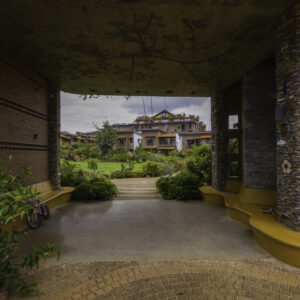
The primary objective of the design was to curate a unified space that caters to various family needs and preferences. At its core, the design is a reflection of GoodEarth’s ethos, which champions the principles of sustainability, eco-friendliness, and a deep-rooted connection with nature. The homes are purposefully designed to emphasise natural light, cross ventilation, and a genuine sense of community. By seamlessly blending private and communal spaces, the design encapsulates the essence of GoodEarth’s commitment to creating harmonious living environments that respect both the individual and the collective.
The intervention
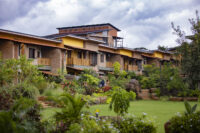
In order to ensure that maximum catchment of water happens naturally, a hydrogeological study was conducted to identify all the aquifers, the design of tanks was carried out, followed by the design of the recharge boreholes. The aquifer mapping and vertical electrical sounding study showed points that were susceptible to high recharge of groundwater and the same were dedicated to the catchment and recharge of groundwater.
The spatial entities and orchestration
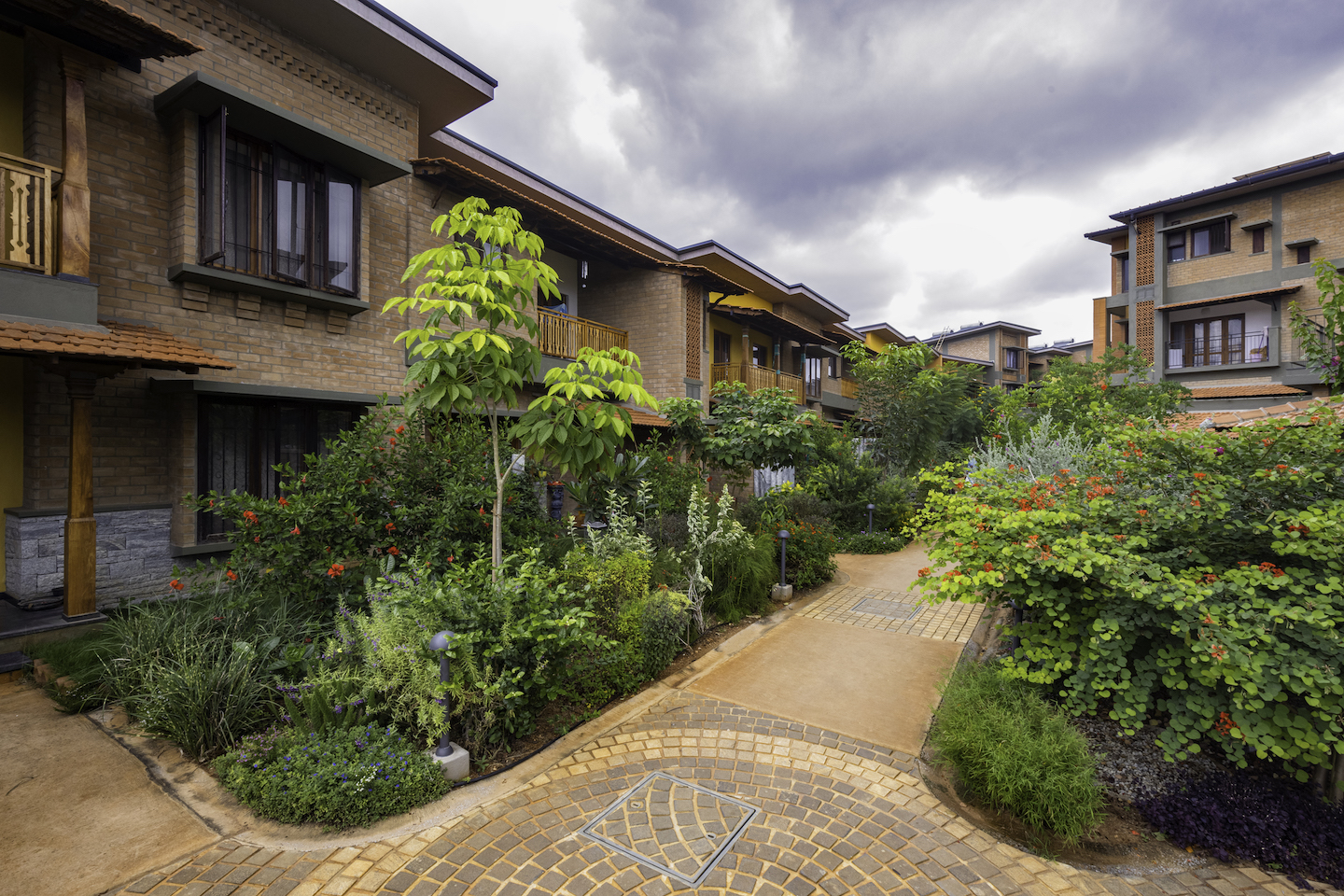
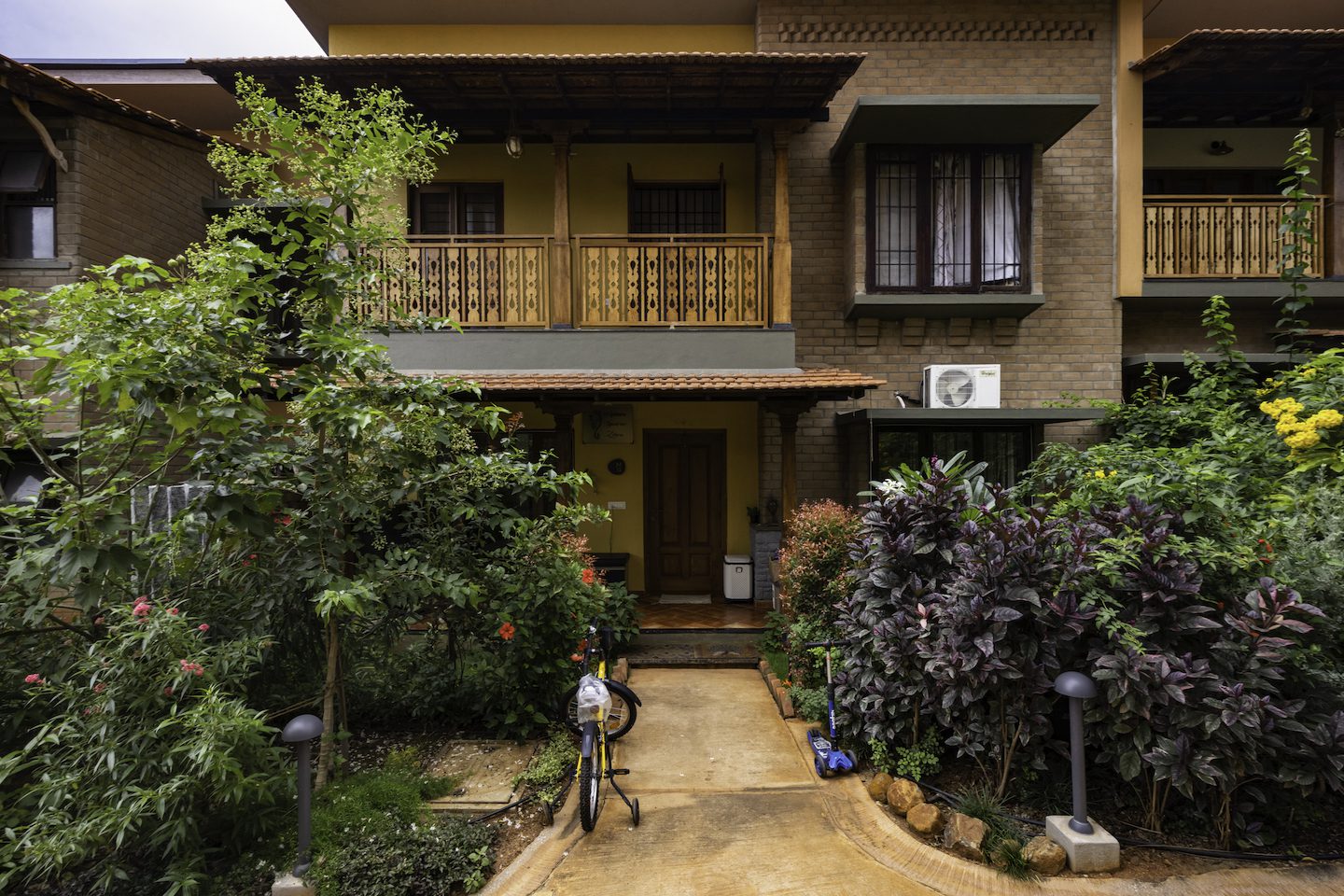
Different residential types cater to a variety of needs and preferences. Low-rise apartments offer 2/3-bedroom configurations, each complemented by an individual terrace garden and a central atrium. Townhouses are two-floored homes with front and rear gardens, and have been designed primarily for nuclear families, emphasising spaciousness. The combination of villaments and walk-up homes brings together compact homes on the ground floor (villaments) complete with large backyard gardens. Directly above these are the duplexes (walk-up homes) with separate external entrances. This design effectively allows families to live in proximity to their loved ones while retaining their privacy.
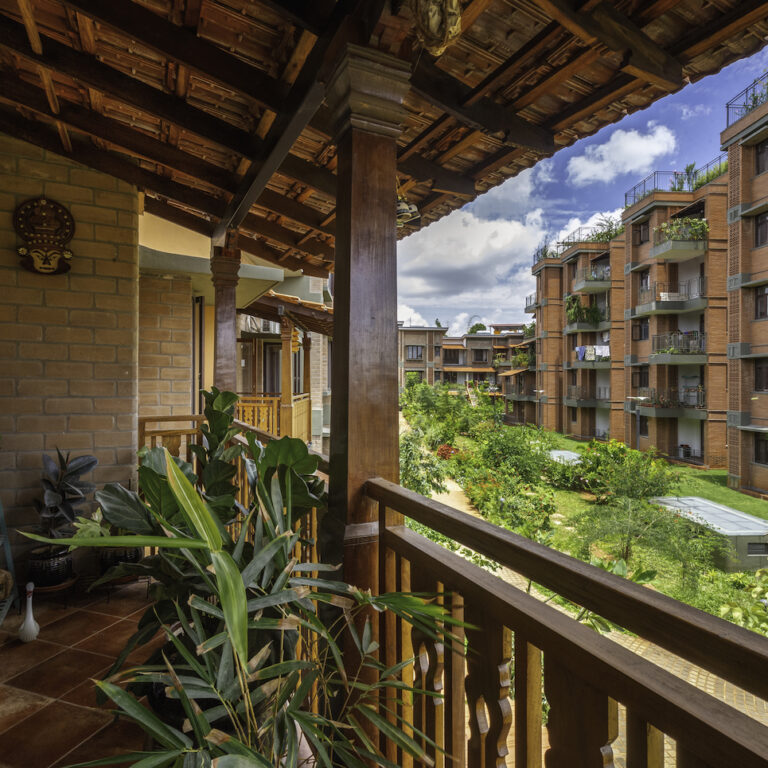
Following the site’s natural terrain, the design adopts a terraced approach: the townhouses, being the shortest structures, are at the forefront, and as one progresses inward, the buildings gradually increase in height, with walk-up homes taking the mid-level and the tallest, the apartments, positioned towards the back. This configuration not only ensures that each home type enjoys optimal views and light but also creates a visually harmonious ascension that respects the site’s topography. Each home type offers a distinctive spatial experience, further amplified by the vehicle-free inner streets, ensuring safety for children and seniors. The cohesive design of cluster parks and meandering streets fosters community bonding and interaction.
 The material palette
The project’s material palette embodies its overarching philosophy, illustrating that every element was chosen with meticulous care, striving to create homes that are not only aesthetically pleasing but also environmentally responsible. This meticulous selection was exemplified by the conscious use of natural materials, including earth blocks (CSEBs) — an innovative building material made from the very soil excavated on-site, underscoring the project’s dedication to minimising environmental impact. These earth blocks, alongside stone and wood, were thoughtfully chosen for their ability to seamlessly blend aesthetics with eco-friendliness. The decision to primarily source materials locally was a deliberate one, focusing on both efficiency in production and the reduction of the project’s carbon footprint through minimised transportation. In line with the holistic approach, a profound commitment to residents’ well-being extended to the selection of non-toxic, low VOC paints. These paints contributed to the creation of an indoor environment where inhabitants could breathe easy, free from the harmful emissions commonly associated with traditional paints.
 The challenges
Each home type had its distinct spatial and functional requirements. Accommodating these varied design specifications while ensuring a consistent aesthetic and communal experience across the development was a considerable challenge. Further complexities arose when considering the distinct needs and preferences of potential residents. Each home had to be both individually functional and collectively harmonious, necessitating a meticulous design approach that considered privacy, accessibility, and community engagement. Integrating these homes into the site’s natural terrain while maintaining the envisioned stepped elevation profile was another aspect that demanded careful planning and precision. Ensuring that each dwelling type benefited from the site’s topography, light, and views without overshadowing or disrupting its neighbours added layers of complexity to the design process.

The highlights
The entryway: The thoughtfully chosen and strategically placed boulders create a captivating tapestry that guides the eye to the community’s pavilion. This carefully curated feature not only enhances the aesthetic appeal but also sets the tone for the community’s natural and artistic essence.
The pavilion: Housing a tranquil pond, sculpted oxide benches, and stacked stone pillars crafted from construction waste materials, the pavilion embodies artistry and skilled craftsmanship. These elements are not only visually striking but also symbolise sustainable construction practices and a commitment to artistic traditions.
Wooden elements: Traditional timber artistry in the form of wooden pillars, staircases, railings, and rafters, meticulously crafted in-house at the carpentry workshop, pays homage to the rich heritage of handcrafted carpentry found in regions like Kerala, Chettinad, and Karnataka. These elements seamlessly blend tradition with modern living, adding warmth and character to the community.
Glass bottles: The innovative use of stained glass bottles as partitions not only adds a unique visual element to the project but also serves a functional purpose by breaking the solidity of spaces. They introduce a playful pop of colour while promoting sustainability by repurposing materials in a creative and artistic way.
Fact file
Project: Malhar Medley
Location: Kengeri, Bangalore
Area: 1,74,240 sq ft
Principal architects: Jayakumar and Pradeep Sukumaran
Design team: Good Earth Eco Futures
Design director: Prashanth Palanisamy
Add a Comment