
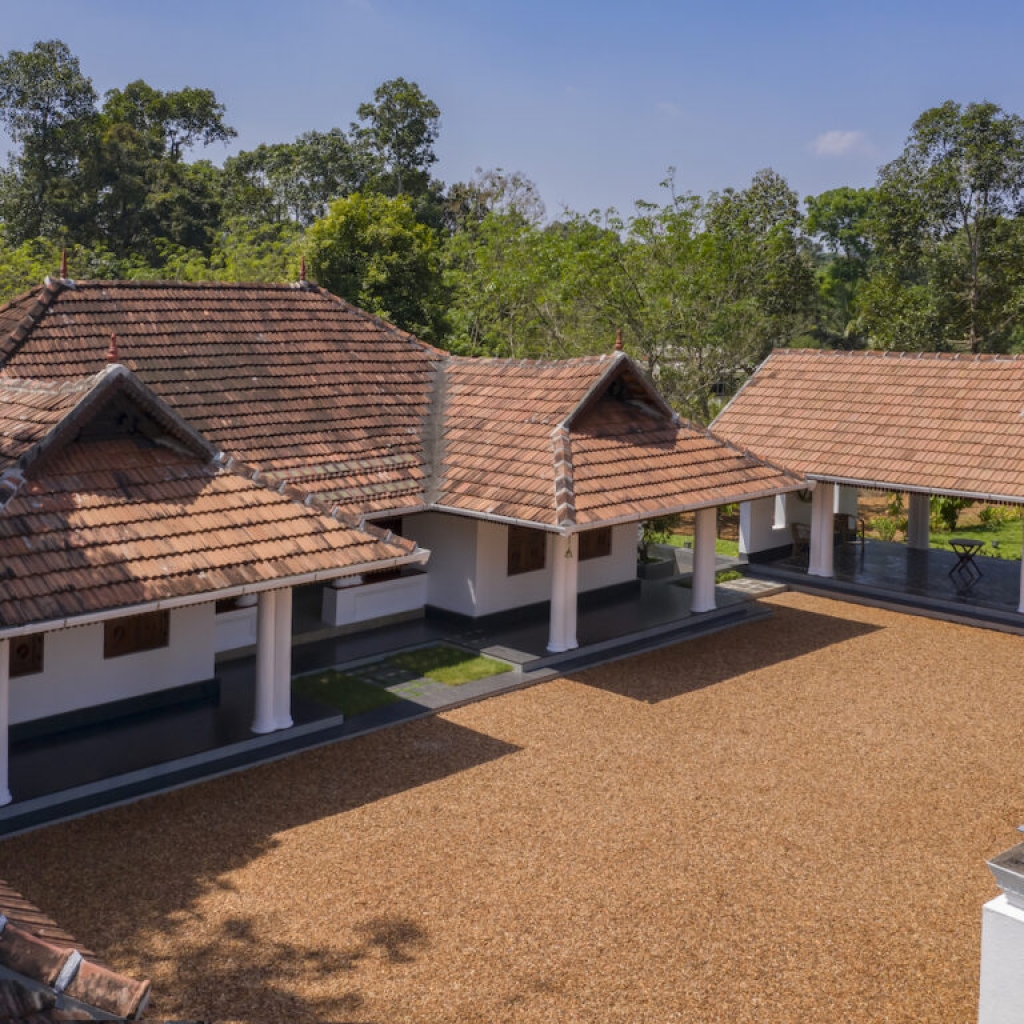
Studio 3TwentyOne create a sustainable, functional and aesthetically pleasing home that pays homage to the vernacular architecture of the region.
Curated by: Rupali Sebastian
Photographs: Running Studios
The site
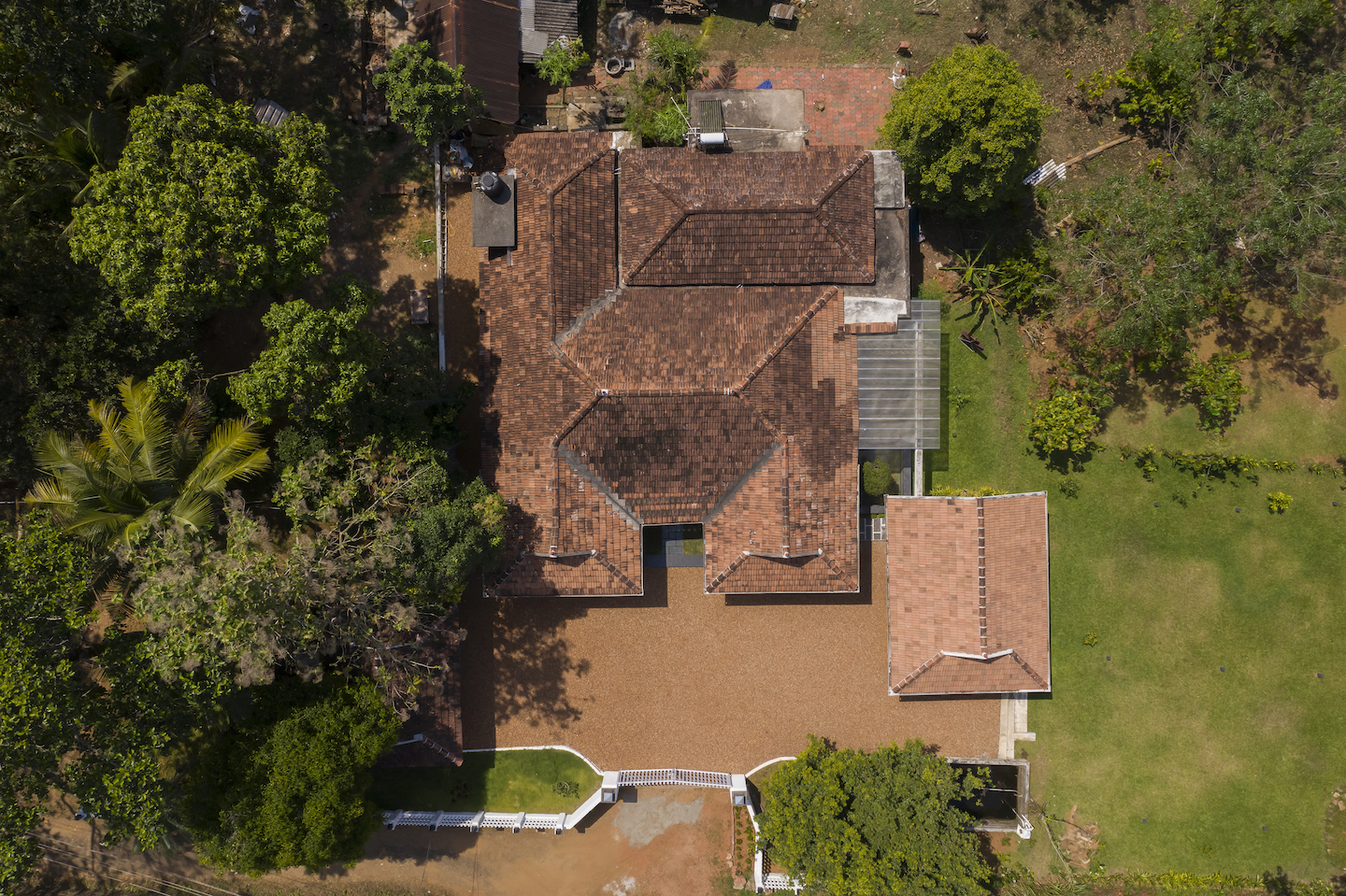
Kottayam falls in the tropical monsoon climate. While it receives heavy rains most of the year, the summer heat and humidity can cause considerable discomfort. This particular site slopes towards the south, providing interesting opportunities for designing. The west wind could be harnessed to create natural ventilation within the house, which helped in keeping the interiors cool and comfortable. The thick vegetation cover also provided an opportunity for integrating the house into the landscape and creating a seamless transition between the built environment and the natural environment.
The brief
The client requirements for the renovation of ‘Pullolickel Veedu’, a 100-year-old ancestral home in Kottayam, Kerala, were to maintain the vernacular style of architecture while incorporating modern elements. The design had to prioritise increasing natural ventilation and lighting, and minimising wastage by incorporating principles of reuse and recycling. “The client was quite emphatic that the essence of vernacular architecture be brought back, not just in the visual aspects, but also in the functionality of the space,” says Anupa Kurian, principal architect, Studio 3TwentyOne.
The design intent
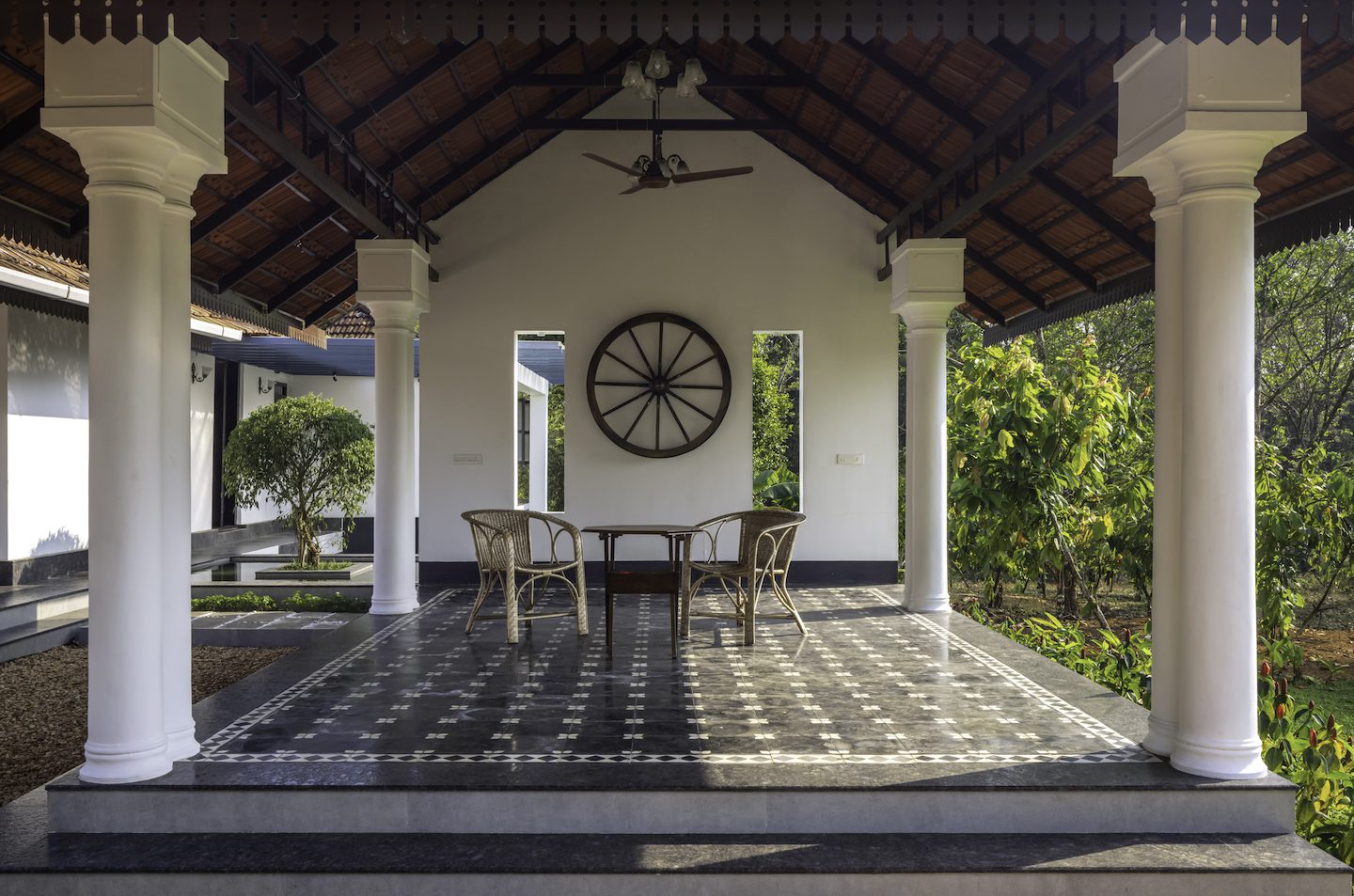
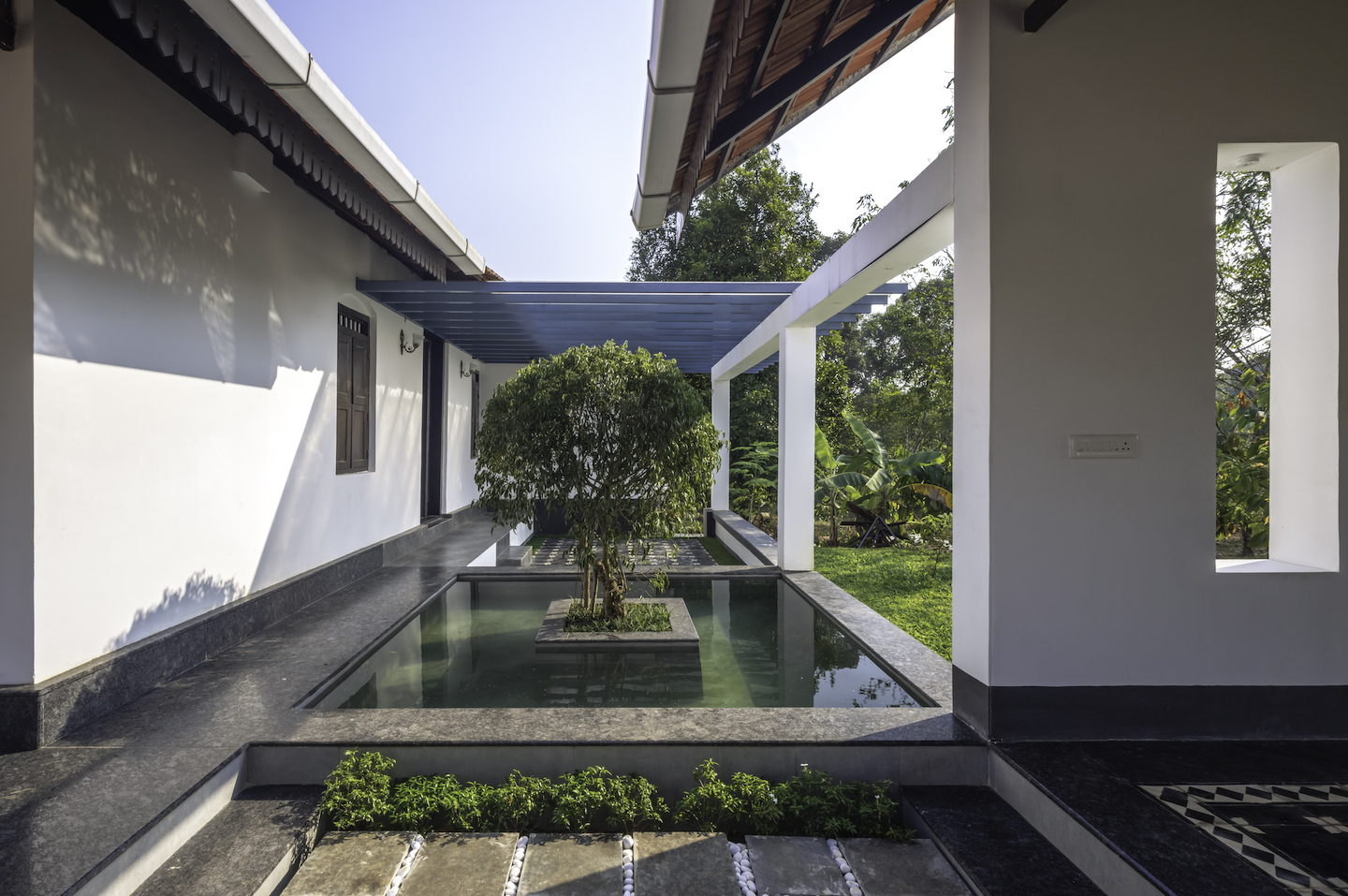
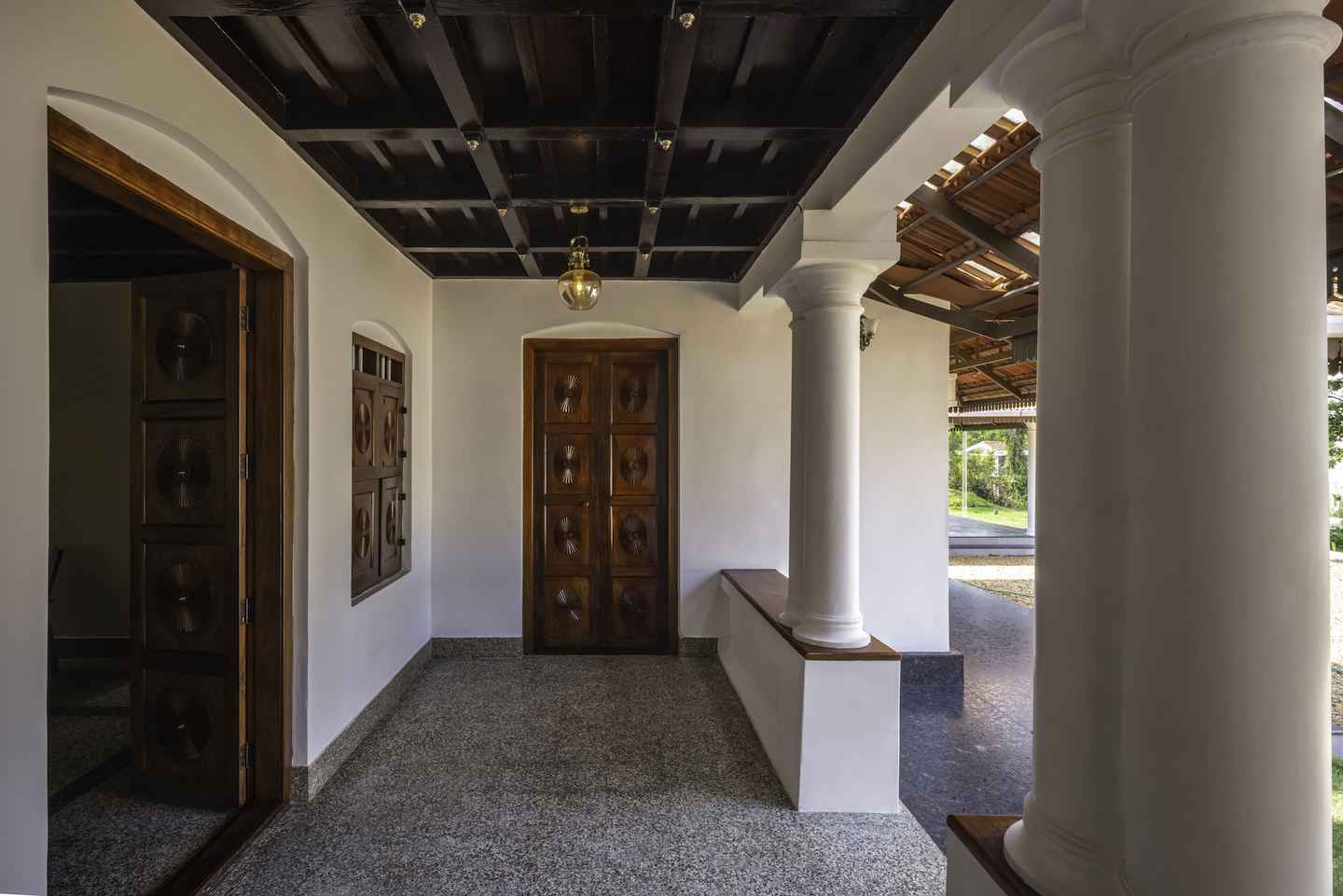
Reusing and recycling materials played a key role in the renovation, and the existing built forms and materials were conserved wherever possible. The use of locally sourced materials and the emphasis on eco-friendliness have also been major factors in the renovation. The design intent was to maintain the vernacular style while incorporating modern amenities and sustainable features. The house is designed to be responsive to its tropical environment, with a focus on natural ventilation and lighting. The use of traditional materials such as wood and clay tiles, as well as the inclusion of a central courtyard, reflects the vernacular style of architecture. In addition, the design seeks to minimise wastage and promote recycling and reuse. The use of local materials and techniques not only reduces the environmental impact of the construction process, but also helps to support the local economy.
The Pullolickel house also aims to bring back the essence of vernacular architecture beyond its visual aspects. The design is focused on functionality and how the traditional elements can be adapted to suit modern-day living. The inclusion of flexible spaces and the integration of the courtyard into the living areas promote a sense of community and connection with nature, which is in line with the traditional ways of living.
The civil intervention
The civil interventions for the Pullolickel House were focused on improving the functionality and liveability of the existing space while also maintaining the vernacular style and maximising natural ventilation and lighting. The rearrangement of the store room, dining, and kitchen into a larger dining hall with modular units and work area allows for easier day-to-day use. Additionally, maintaining the existing grid and fenestrations and adding to it with natural light helps create a more naturally lit space.
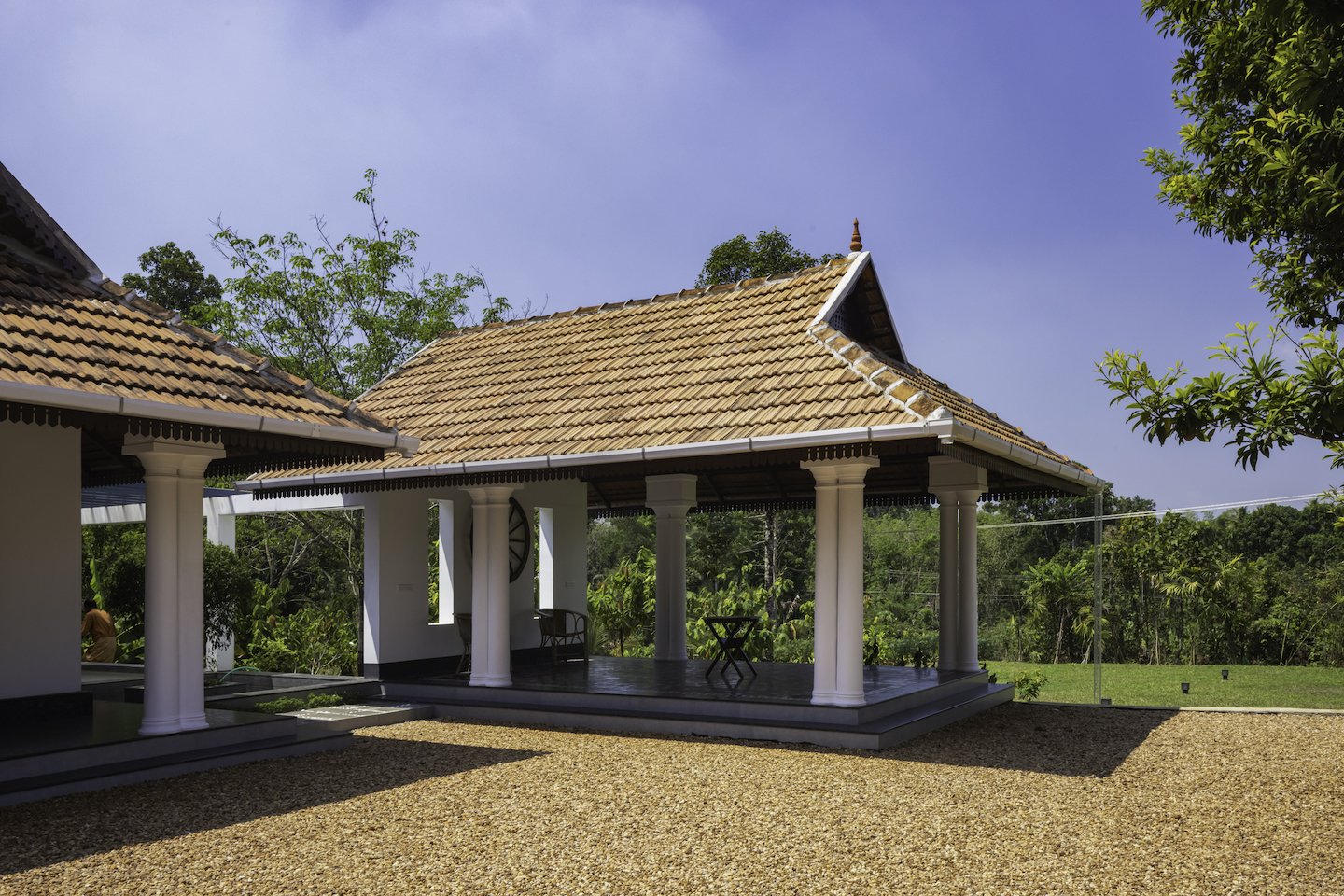
The inclusion of additional spaces within the same plinth and the addition of a courtyard with a water body help to maximise the available space while also increasing cooling during summers and improving indoor air quality. The transformation of the garage into an open pavilion on the west with tropical fruit trees not only improves the visual appeal of the space but also provides a habitat for birds, making it a truly heavenly space. Overall, the civil interventions aimed to modernise the space while also staying true to the vernacular style and incorporating sustainable practices like maximising natural light and ventilation and reusing existing space.
The challenges
“To build or intervene on a building which was built 100 years ago is risky and has to be carried out with utmost care,” remarks Anupa. “The material and technique used in those days to blend in with the techniques of today required very cautious handling. The building was conserved mostly with the existing materials and the amount of new materials added were minimal to make it an example of the vernacular ancient architecture of Kerala.”
Fact file
Project: Pullolickel Veedu
Location: Kottayam, Kerala
Built-up area: 3,000 sq ft
Principal architect: Anupa Kurian
Add a Comment